


1:15
Yes, you can take painkillers during your period to help relieve menstrual cramps, which are painful sensations in the lower abdomen. Over-the-counter medications like ibuprofen or naproxen, which are nonsteroidal anti-inflammatory drugs (NSAIDs), are commonly recommended. These medications work by reducing inflammation and alleviating pain. However, it's important to follow the dosage instructions on the package and consult with a healthcare provider if you have any underlying health conditions or are taking other medications.

1:15
Myoset-D is a supplement often used to support reproductive health, and it is generally considered safe to take during your period. However, it's important to follow the dosage instructions provided by your healthcare provider or the product packaging. If you have any specific health conditions or are taking other medications, it's best to consult with your doctor to ensure there are no interactions or contraindications.

1:15
Yes, there are alternatives to Clingen 3, which is a combination of clindamycin and clotrimazole used to treat bacterial and fungal infections in the vagina. Alternatives include: - **Metronidazole**: Often used for bacterial vaginosis. - **Fluconazole**: Commonly prescribed for yeast infections. - **Tinidazole**: Another option for bacterial infections. It's important to consult with a healthcare provider to determine the most suitable treatment for your condition.

1:15
Clingen 3 is a vaginal capsule used to treat certain bacterial and fungal infections. Here's how to use it: 1. **Preparation:** - Wash your hands thoroughly before handling the capsule. - Ensure the capsule is intact and not damaged. 2. **Application:** - Lie on your back with your knees bent or stand with one leg raised. - Gently insert the capsule into the vagina as far as it comfortably goes, using your finger or an applicator if provided. 3. **Aftercare:** - Wash your hands again after application. - It's best to use the capsule at bedtime to allow it to work overnight. 4. **Duration:** - Follow your doctor's instructions regarding the duration of use, typically for a few days to a week. 5. **Precautions:** - Avoid using tampons, douches, or other vaginal products during treatment. - Consult your doctor if symptoms persist or worsen. Always follow the specific instructions provided by your healthcare provider or the product packaging for the best results.

1:15
Gynosporin is a brand name for a medication used to treat fungal infections, particularly vaginal yeast infections. It contains the active ingredient clotrimazole, which is an antifungal agent that works by stopping the growth of yeast and fungi. This medication is typically applied as a cream or inserted as a suppository into the vagina to relieve symptoms such as itching, burning, and discharge associated with yeast infections. Always consult a healthcare provider for proper diagnosis and treatment recommendations.
1:15
Hey there! If you're thinking about stopping your period, it's important to know that there are a few options, but they should always be discussed with a healthcare provider first. Here are some common methods: - **Birth Control Pills**: Some types can help skip or delay periods. - **Hormonal Injections**: These can reduce or stop periods over time. - **IUDs**: Certain types can make periods lighter or stop them. Remember, it's crucial to talk to a doctor to find the best and safest option for you. They can guide you based on your health needs.

1:15
Yes, Polycystic Ovary Syndrome (PCOS) can be managed naturally through lifestyle changes and natural remedies. Here are some ways to help manage PCOS naturally: - **Dietary Changes**: - Focus on a balanced diet rich in whole foods, fruits, vegetables, lean proteins, and whole grains. - Reduce intake of processed foods and sugars to help manage insulin levels. - **Regular Exercise**: - Engage in regular physical activity like walking, jogging, or yoga to help maintain a healthy weight and improve insulin sensitivity. - **Stress Management**: - Practice stress-reducing techniques such as meditation, deep breathing exercises, or mindfulness. - **Herbal Supplements**: - Some herbs like spearmint tea, cinnamon, and inositol may help manage symptoms, but consult a healthcare provider before use. - **Sleep Hygiene**: - Ensure adequate and quality sleep to help regulate hormones. While these natural methods can help manage symptoms, it's important to consult with a healthcare provider for a comprehensive treatment plan tailored to individual needs.

1:15
PCOD, or Polycystic Ovary Disease, is a condition where a woman's ovaries produce more male hormones than usual. This can lead to irregular periods, acne, and weight gain. It might also cause small cysts to form on the ovaries. While it's not fully understood why PCOD happens, it can be managed with lifestyle changes and medication. If you think you might have PCOD, it's important to talk to a doctor for proper diagnosis and treatment.
Shorts
How to Do Breast Cancer Self-Examination at Home?

Mrs. Prerna Trivedi
Nutritionist
Breast Cancer: Few Symptoms to know!
Mrs. Prerna Trivedi
Nutritionist
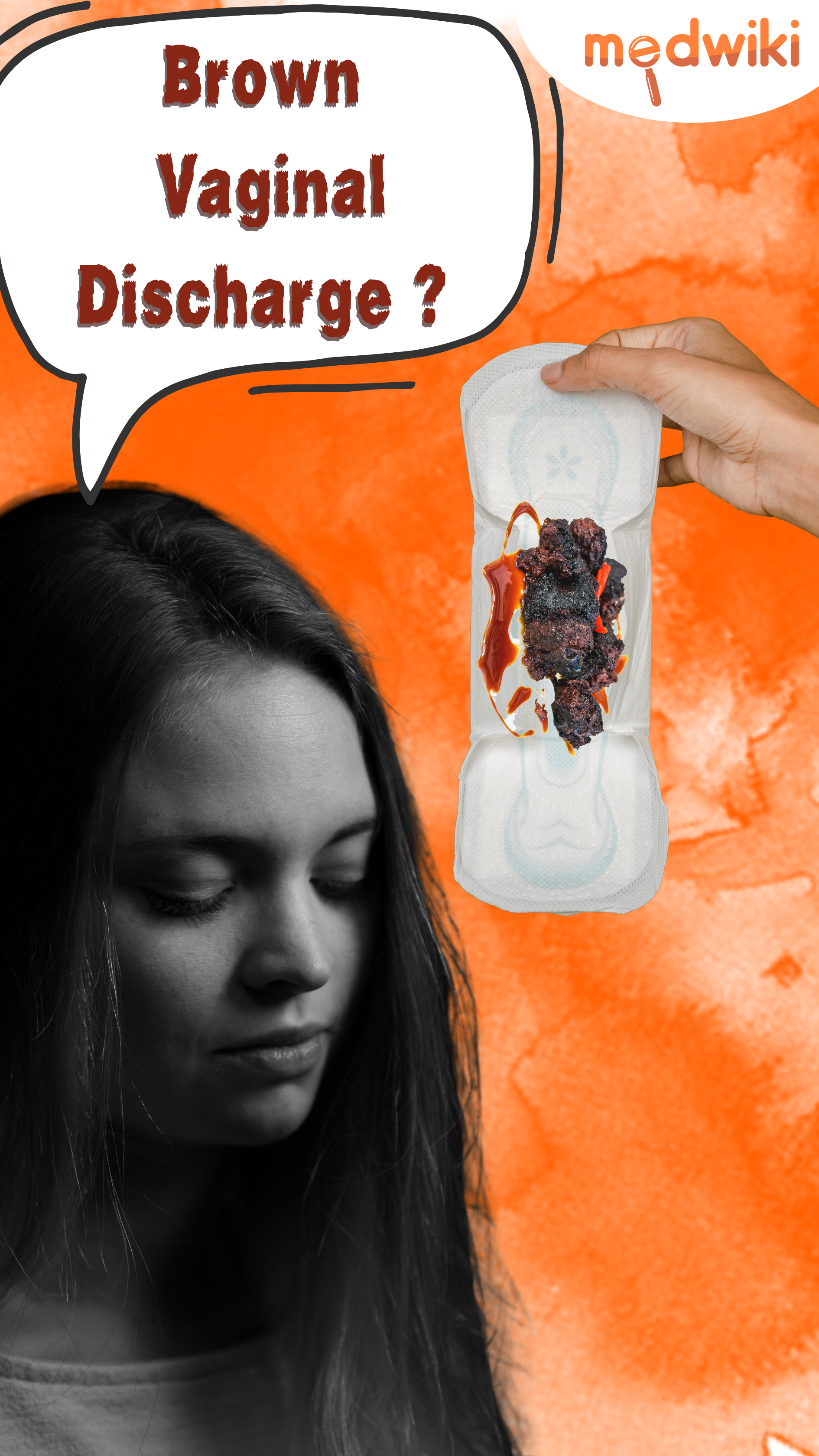
Dark Brown Vaginal Discharge?

Dr. Beauty Gupta
Doctor of Pharmacy

Yoga Asanas for Managing PCOD/PCOS!
Dr. Beauty Gupta
Doctor of Pharmacy

Know Us
@2026 Medwiki Pvt Ltd. All Rights Reserved