

1:15
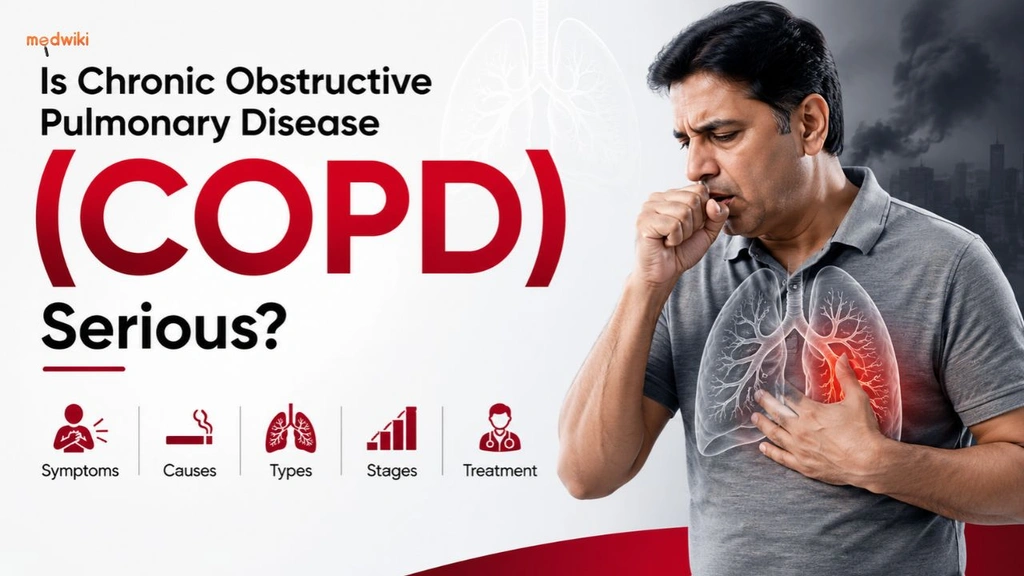
Breathing is something most people take for granted until it becomes difficult. Chronic Obstructive Pulmonary Disease (COPD) is a progressive lung condition that restricts airflow, making everyday activities like walking, climbing stairs, or even talking more challenging.COPD affects millions of people worldwide and is one of the leading causes of chronic respiratory illness. It usually develops over time, often due to long-term exposure to cigarette smoke,air pollution, or harmful dust and chemicals.Although COPD cannot be completely cured, early diagnosis and appropriate treatment can help control symptoms and slow disease progression. Medications, pulmonary rehabilitation, healthy lifestyle changes, and avoiding risk factors can improve lung function and enhance overall quality of life.What is Chronic Obstructive Pulmonary Disease (COPD)COPD full form isChronic Obstructive Pulmonary Disease. It is a progressivelung diseasethat causes persistent airflow limitation, making it difficult to breathe. The condition usually develops over many years and worsens gradually if left untreated.TheCOPD definition refers to a group of chronic lung disorders that includeemphysema andchronic bronchitis. These conditions damage the airways and air sacs (alveoli) in the lungs, reducinglung capacity and limiting the efficient exchange of oxygen into the bloodstream. As the disease progresses, breathing becomes increasingly difficult, affecting overall respiratory function and daily activities.If you are wonderingwhat is COPD orwhat is COPD disease, it is a chronic respiratory condition that commonly affects smokers and individuals exposed to long-term air pollution, dust, or harmful chemicals. In simple terms, theCOPD meaning is a disease that permanently affects normal breathing due to damaged lungs.What Are the Symptoms of Chronic Obstructive Pulmonary DiseaseCOPD symptoms usually develop gradually and become more noticeable as the disease progresses. Recognizing the early warning signs can help ensure timely diagnosis and treatment, reducing the risk of complications and improving long-term lung health.Common symptoms of COPD include:PersistentcoughExcess mucus (phlegm) productionShortness of breathWheezingChest tightnessFatigueFrequent chest infectionsUnintentional weight lossSwollen ankles or feetBluish lips or fingertips (cyanosis)If these symptoms persist or worsen over time, consult a healthcare professional for proper evaluation and early treatment to help manage the condition effectively.What Causes Chronic Obstructive Pulmonary Disease ? Common Risk Factors You Should KnowCOPD develops when the lungs are exposed to harmful substances over a long period, leading to inflammation and permanent airway damage. While smoking is the primary cause, several environmental, occupational, and genetic factors can also increase the risk of developing this chronic lung disease.Common causes of COPD include:Cigarette smokingSecondhand smoke exposureIndoor cooking smoke and biomass fuel exposureOutdoor air pollutionIndustrial dust and chemical fumesOccupational exposure in mining, construction, and factoriesAlpha-1 antitrypsin deficiency (genetic disorder)Recurrent respiratory infections during childhoodAvoiding these risk factors, quitting smoking, and reducing exposure to harmful pollutants can help lower the risk of COPD and slow the progression of the disease.How Many Types of Chronic Obstructive Pulmonary Disease Are ThereCOPD is a broad term that includes different lung conditions causing persistent airflow obstruction. Most patients have one or both of the following types, and identifying them helps guide the most effective treatment approach.The main types of COPD include:Chronic Bronchitis: This condition occurs when the bronchial tubes become inflamed and produce excess mucus. It is characterized by a persistent cough, frequent mucus production, chest discomfort, and difficulty breathing.Emphysema: Emphysema damages the tiny air sacs (alveoli) in the lungs, reducing their elasticity and surface area for oxygen exchange. As a result, patients experience progressive shortness of breath and reduced lung function.Chronic Bronchitis with Emphysema (Mixed COPD): Many people with COPD have features of both chronic bronchitis and emphysema. This combination can cause persistent cough, excess mucus, breathlessness, and greater difficulty performing daily activities.Most COPD patients develop a combination of these conditions rather than a single type. Early diagnosis and individualized treatment can help control symptoms, improve breathing, and slow disease progression.Understanding the Pathophysiology of Chronic Obstructive Pulmonary DiseaseCOPD develops when the lungs are exposed to harmful substances over a long period, leading to inflammation and permanent airway damage. While smoking is the primary cause, several environmental, occupational, and genetic factors can also increase the risk of developing this chronic lung disease.Common causes of COPD include:Cigarette smokingSecondhand smoke exposureIndoor cooking smoke and biomass fuel exposureOutdoor air pollutionIndustrial dust and chemical fumesOccupational exposure in mining, construction, and factoriesAlpha-1 antitrypsin deficiency (genetic disorder)Recurrent respiratory infections during childhoodAvoiding these risk factors, quitting smoking, and reducing exposure to harmful pollutants can help lower the risk of COPD and slow the progression of the disease.What Are the 4 Stages of Chronic Obstructive Pulmonary DiseaseDoctors classify COPD into four stages based on lung function tests, particularly spirometry, and the severity of symptoms. Identifying the stage helps determine the most appropriate treatment plan and monitor disease progression.Stage 1 (Mild COPD): Symptoms are usually mild and may include an occasional cough or slight shortness of breath during physical activity. Many people remain unaware they have COPD at this stage.Stage 2 (Moderate COPD): Breathlessness becomes more noticeable during daily activities. Persistent cough, mucus production, and reduced exercise capacity often lead patients to seek medical advice.Stage 3 (Severe COPD): Airflow limitation becomes significant, making everyday tasks difficult. Frequent flare-ups, increased fatigue, and worsening respiratory symptoms are common during this stage.Stage 4 (Very Severe COPD): This is the most advanced stage, where breathing becomes extremely difficult even at rest. Patients may develop low blood oxygen levels, require oxygen therapy, and face a higher risk of life-threatening complications.How Is Chronic Obstructive Pulmonary Disease DiagnosedDiagnosing Chronic Obstructive Pulmonary Disease involves evaluating symptoms, medical history, and lung function. Early diagnosis helps start timely treatment, slow disease progression, and reduce the risk of complications.Common diagnostic tests include:Medical history to assess symptoms, smoking habits, occupational exposure, and family history.Physical examination to check for abnormal breathing sounds and other signs of lung disease.Spirometry to measure how much air a person can inhale, exhale, and how quickly the air is expelled.Chest X-ray to detect lung damage and rule out other respiratory conditions.CT scan to provide detailed images of the lungs and identify emphysema or other structural changes.Pulse oximetry to measure the oxygen level in the blood using a small sensor placed on the finger.A combination of these tests helps confirm the diagnosis, determine the severity of the disease, and guide the most appropriate treatment plan.What Are the Best Treatments for Chronic Obstructive Pulmonary DiseaseThe treatment of Chronic Obstructive Pulmonary Disease aims to relieve symptoms, improve breathing, prevent flare-ups, and slow disease progression. A personalized treatment plan, combined with healthy lifestyle changes, can help improve lung function and overall quality of life.Common treatment options include:Bronchodilators help relax the airway muscles and make breathing easier.Inhaled corticosteroids reduce airway inflammation and help prevent exacerbations.Combination inhalers contain two or more medications to improve symptom control.Pulmonary rehabilitation combines exercise training, breathing techniques, education, and nutritional support.Oxygen therapy provides supplemental oxygen for patients with low blood oxygen levels or advanced disease.Vaccinations such as influenza and pneumococcal vaccines help reduce the risk of respiratory infections.Following the prescribed treatment plan and adopting healthy lifestyle habits can help control symptoms, reduce exacerbations, and improve the quality of life for people living with Chronic Obstructive Pulmonary Disease.What Happens If Chronic Obstructive Pulmonary Disease Is Left UntreatedIf left untreated, COPD can lead to several serious health complications. Frequent flare-ups, recurring respiratory infections, and worsening breathlessness may significantly affect daily activities and reduce overall quality of life.Advanced COPD may cause low blood oxygen levels, pulmonary hypertension, heart problems such as cor pulmonale, and respiratory failure. Patients with severe disease are also at a higher risk of hospitalization during exacerbations.Early diagnosis, appropriate treatment, and regular follow-up with a healthcare provider can help reduce complications and improve long-term outcomes. Following the prescribed treatment plan is essential for managing symptoms effectively.ConclusionChronic Obstructive Pulmonary Disease (COPD) is a progressive lung condition that affects breathing and overall quality of life. Recognizing early symptoms, understanding the causes, and seeking timely medical care can help slow disease progression and reduce the risk of complications.Although COPD cannot be cured, effective treatment, smoking cessation, pulmonary rehabilitation, and healthy lifestyle changes help manage symptoms. Unlikeasthma, COPD causes permanent airflow limitation, making regular follow-ups and adherence to treatment essential for better lung health and long-term outcomes.With the right medical care and consistent self-management, many people with Chronic Obstructive Pulmonary Disease can continue to lead active and fulfilling lives. Staying physically active, avoiding respiratory irritants, and following preventive measures can help preserve lung function, minimize exacerbations, and enhance overall well-being.Frequently Asked Questions (FAQs)1. What is COPD?COPD is a chronic lung disease that causes airflow obstruction, making it difficult to breathe over time.2. What is the full form of COPD?COPD stands forChronic Obstructive Pulmonary Disease.3. What are the common symptoms of COPD?Common COPD symptoms include persistent cough, mucus production, shortness of breath, wheezing, chest tightness, and fatigue.4. What causes COPD?The primary cause of COPD is long-term smoking, while air pollution, secondhand smoke, occupational dust, chemical fumes, and genetic factors can also contribute.5. What are the two main types of COPD?The two main COPD types arechronic bronchitis andemphysema, and many people have features of both conditions.6. What are the 4 stages of COPD?The four stages of COPD areMild (Stage 1), Moderate (Stage 2), Severe (Stage 3), and Very Severe (Stage 4).7. How is COPD diagnosed?COPD is diagnosed through spirometry, physical examination, medical history, symptom evaluation, chest imaging, and other lung function tests.

1:15
Breathing is something most people do without giving it much thought. However, when breathing becomes difficult or uncomfortable, it can significantly affect daily life and overall well-being.Dyspnea is the medical term used to describe the sensation of difficult or uncomfortable breathing. It may occur suddenly or develop gradually over time, depending on the underlying cause.Many people experiencingShortness of Breath often wonder whether it is related to a temporary issue or a more serious health condition. In some cases, dyspnea may result from physical exertion, while in others it can indicate heart, lung, or systemic disorders that require medical attention.Understandingdyspnea meaning, its causes, symptoms, diagnosis, and treatment options can help individuals recognize warning signs and seek appropriate care. Early evaluation is especially important when breathing difficulties are severe, persistent, or accompanied by other concerning symptoms.What Is Dyspnea?Dyspnea refers to the subjective feeling of not getting enough air or experiencing difficulty breathing. The sensation can vary from mild discomfort to severe respiratory distress. Many people describe it asBreathlessness, air hunger, or a feeling of chest heaviness.When discussing dyspnea, it is important to understand that it is not a disease itself but rather a symptom of an underlying medical condition. The severity and duration of symptoms often depend on the specific cause.Thedyspnea meaning encompasses various breathing difficulties that may occur during rest, physical activity, or sleep. Healthcare providers evaluate the pattern and associated symptoms to determine the underlying cause.Types of DyspneaDoctors classifydyspnea into different categories based on when and how symptoms occur.Acute DyspneaAcute Dyspnoea develops suddenly and may become severe within minutes or hours. It often requires immediate medical evaluation because it can indicate serious conditions affecting the heart or lungs.Common causes ofAcute Dyspnoea includeasthma attacks, pulmonary embolism, severe infections, allergic reactions, and heart-related emergencies.Chronic DyspneaChronic dyspnea persists for weeks, months, or even years. It is commonly associated with long-term respiratory or cardiovascular diseases.Conditions such asChronic Obstructive Pulmonary Disease (COPD), heart failure, and chronic asthma frequently contribute to ongoing breathing difficulties.Dyspnea on ExertionDyspnea on exertion occurs during physical activity and improves with rest. Some individuals notice symptoms while climbing stairs, exercising, or performing routine activities.Persistentdyspnea on exertion may indicate underlying lung disease, cardiovascular conditions, or reduced physical fitness.Paroxysmal Nocturnal DyspneaParoxysmal nocturnal dyspnea is characterized by sudden episodes of severe breathing difficulty that awaken a person from sleep.This condition is often associated with heart failure and may occur when fluid accumulates in the lungs during the night.Common Symptoms Associated with DyspneaThe symptoms accompanyingdyspnea vary depending on the underlying cause. Some individuals experience mild discomfort, while others may develop severe respiratory distress.Common symptoms include:Shortness of BreathPersistentBreathlessnessDifficulty BreathingRapid breathingWheezingFatigueDizzinessBluish lips or fingertipsChest Tightness and Shortness of BreathIncreased heart rateWhen symptoms become severe or occur suddenly, immediate medical attention may be necessary.Causes of DyspneaThere are numerousCauses of Shortness of Breath, ranging from mild temporary conditions to serious medical emergencies.Respiratory ConditionsMany lung disorders interfere with normal airflow and oxygen exchange.Common respiratory causes include:Asthma and Shortness of BreathChronic Obstructive Pulmonary Disease (COPD)PneumoniaPulmonary fibrosisLung cancerPulmonary embolismCardiovascular ConditionsHeart diseases can reduce the body's ability to circulate oxygen-rich blood effectively.Examples include:Heart failureCoronary artery diseaseHeart rhythm disordersCardiomyopathyOther CausesAdditionalCauses of Shortness of Breath may include:Anxiety and panic attacksSevere anemiaObesityAllergic reactionsPhysical deconditioningHigh altitude exposureIdentifying the specific cause is essential for selecting the most effective treatment plan.Dyspnea and Lung DiseasesLung diseases are among the most common contributors todyspnea. These conditions often interfere with the lungs' ability to move air efficiently.Chronic Obstructive Pulmonary Disease (COPD) is a progressive lung disorder that causes airflow obstruction and chronic respiratory symptoms. Many patients experience worseningbreathlessness during physical activity.Similarly,Asthma and Shortness of Breath are closely linked. During an asthma flare-up, airway inflammation and narrowing can significantly impair breathing.Patients with lung disorders often require long-term management to control symptoms and improve quality of life.Dyspnea and Heart ConditionsHeart-related problems can also lead to breathing difficulties. When the heart cannot pump blood effectively, fluid may accumulate in the lungs and triggerShortness of Breath.One hallmark symptom of heart failure isparoxysmal nocturnal dyspnea, where individuals awaken suddenly due to severe breathing difficulty. Another common symptom isexertional dyspnea, which occurs during physical activity.Recognizing the connection between heart disease and breathing symptoms allows for earlier diagnosis and treatment.Pneumonia and DyspneaRespiratory infections can significantly affect breathing function. One of the most common examples is pneumonia.TypicalPneumonia Symptoms include:FeverChillsCoughChest painFatigueDifficulty BreathingMany patients with pneumonia developShortness of Breath because inflamed air sacs in the lungs become filled with fluid or pus. Prompt medical treatment is often necessary to prevent complications.How Dyspnea Is DiagnosedDiagnosingdyspnea begins with a detailed medical history and physical examination. Healthcare providers assess symptom severity, duration, triggers, and associated medical conditions.Diagnostic tests may include:Chest X-rayCT scanPulmonary function testsBlood testsElectrocardiogram (ECG)EchocardiogramPulse oximetryExercise stress testingThese evaluations help identify the underlying cause and guide treatment decisions.Treatment Options for DyspneaThe appropriate treatment fordyspnea depends on the condition causing the breathing difficulty.Common treatment approaches include:MedicationsDoctors may prescribe:BronchodilatorsCorticosteroidsAntibioticsHeart medicationsDiureticsOxygen TherapyPatients with low oxygen levels may benefit from supplemental oxygen to improve breathing and reduce symptoms.Pulmonary RehabilitationStructured rehabilitation programs help improve lung function, exercise capacity, and overall quality of life.Lifestyle ModificationsHealthy habits can significantly reduce symptoms and improve respiratory health.These may include:Smoking cessationWeight managementRegular physical activityStress reductionHealthy dietManaging chronic conditionsProper treatment often improves breathing capacity and reduces episodes ofBreathlessness.When Should You Seek Emergency Medical Care?Some cases ofdyspnea require immediate medical attention.Seek emergency care if breathing difficulty occurs alongside:SevereChest Tightness and Shortness of BreathBluish skin or lipsConfusionLoss of consciousnessSevere chest painSudden onsetAcute DyspnoeaPrompt medical intervention can be lifesaving in these situations.Can Dyspnea Be Prevented?Although not all causes can be prevented, certain measures may lower the risk of developing breathing problems.Helpful preventive strategies include:Avoid smokingStay physically activeManage asthma properlyControl heart disease risk factorsMaintain a healthy weightReceive recommended vaccinationsSeek prompt treatment for respiratory infectionsThese steps can help reduce the likelihood of conditions that contribute todyspnea.ConclusionDyspnea is a common symptom that can range from mild discomfort to severe respiratory distress. Understandingwhat is dyspnea, recognizing warning signs, and identifying potential causes are essential for timely medical evaluation.Numerous conditions can contribute toShortness of Breath, including lung disease, heart disorders, infections, and anxiety. Symptoms such asdyspnea on exertion,paroxysmal nocturnal dyspnea, and persistentbreathlessness often provide important clues regarding the underlying cause.If you experience ongoing or worsening breathing difficulties, consult a healthcare professional. Early diagnosis and appropriate treatment can significantly improve outcomes and quality of life.FollowMedwikifor more!Frequently Asked Questions1. What is dyspnea?Dyspnea is the medical term for difficult or uncomfortable breathing, often described as Shortness of Breath or Breathlessness.2. What is the dyspnea meaning?The dyspnea meaning refers to the sensation of not getting enough air or having Difficulty Breathing.3. What is dyspnea on exertion?Dyspnea on exertion occurs when breathing difficulty develops during physical activity and improves with rest.4. What is paroxysmal nocturnal dyspnea?Paroxysmal nocturnal dyspnea is a sudden episode of severe breathing difficulty that awakens a person from sleep, commonly associated with heart failure.5. Can asthma cause dyspnea?Yes. Asthma and Shortness of Breath are closely related because airway inflammation can make breathing difficult during asthma attacks.6. What are common Causes of Shortness of Breath?Common Causes of Shortness of Breath include asthma, COPD, pneumonia, heart failure, anxiety, obesity, and anemia.7. When should I see a doctor for dyspnea?You should seek medical evaluation if dyspnea is severe, persistent, worsening, or accompanied by chest pain, dizziness, or bluish skin.

1:15
Living withallergic asthma can be challenging because triggers are often hidden in daily life. Many people do not realize that simple things around them can cause breathing problems. These triggers can quietly worsen symptoms without clear warning. Over time, repeated exposure can make the condition harder to manage.Allergic asthma is a type of asthma caused by allergens like dust, pollen, and pet dander. When exposed, the airways become inflamed and narrow. This leads to coughing, wheezing, and shortness of breath. The severity of symptoms may differ from person to person.In this blog, we will explore everyday triggers of allergic asthma and how to manage them. We will also discuss safety, treatment, and prevention tips in simple language. This guide will help you stay prepared and reduce risks in daily life.What Is Allergic Asthma?Allergic asthma is a condition where theimmune system reacts to allergens. These allergens can be found in common household items. The reaction causes inflammation in the airways. This makes breathing difficult for the person. It can vary from mild to severe. It may also worsen with repeated exposure over time.The body treats harmless substances like dust as harmful. This triggers a response in the lungs. As a result, airways become tight and swollen. Symptoms may appear suddenly or gradually. Repeated exposure can worsen the condition. Early detection helps in better control.Understanding allergic asthma is important for proper care. It helps in identifying triggers early. Awareness can reduce frequent attacks. Managing exposure is key to control. Proper knowledge improves daily life. It also helps in reducing anxiety related to symptoms.Dust and Indoor PollutionDust is one of the most common triggers of allergic asthma. It is present in almost every home. Tiny dust particles carry allergens that irritate the airways. Poor indoor air quality makes the situation worse. Regular cleaning is very important. Clean surroundings can reduce exposure significantly.Here are common indoor triggers:Dust mites in beddingDirty carpets and curtainsSmoke from cookingAir pollution indoorsMold in damp areasStrong cleaning chemicalsIn conclusion, indoor pollution can silently worsen symptoms. Keeping your home clean helps a lot. Fresh air circulation is important. Avoid harsh chemicals when possible. A clean environment supports better breathing.Pollen and Outdoor AllergensPollen from plants and trees is another major trigger. It is more common during certain seasons. People with allergic asthma may feel worse during spring. Outdoor air carries many allergens. Avoiding exposure is important. Seasonal awareness can help manage symptoms better.Here are common outdoor triggers:Tree pollenGrass pollenWeed pollenAir pollutionDust stormsSeasonal changesIn summary, outdoorallergens are hard to avoid completely. However, precautions can reduce exposure. Wearing masks can help. Staying indoors during peak times is useful. Awareness reduces risk.Pet Dander and Animal HairPets are loved by many, but they can trigger allergic asthma. Pet dander is made of tiny skin flakes. These particles float in the air and cause reactions. Even clean pets can trigger symptoms. Sensitivity varies from person to person. Some people may experience symptoms quickly after contact.Pet hair can also carry allergens. These allergens settle on furniture and clothes. This increases exposure throughout the day. Regular grooming may reduce risk. However, it may not remove all allergens. Cleaning frequently can help reduce buildup.In conclusion, pet-related triggers need careful handling. Keeping pets away from sleeping areas helps. Cleaning regularly reduces allergens. Air purifiers can be useful. Always monitor your symptoms.Smoke and Strong SmellsSmoke is a strong trigger for allergic asthma. It irritates the airways quickly. Sources include cigarettes, cooking, and pollution. Even incense sticks can cause problems. Strong smells can worsen symptoms. Avoiding exposure is very important.Here are common triggers:Cigarette smokeCooking fumesIncense and perfumesVehicle pollutionBurning woodChemical spraysIn summary, avoiding smoke is very important. It can cause sudden asthma attacks. Keep your surroundings smoke-free. Use ventilation while cooking. Fresh air improves breathing comfort.Weather Changes and Cold AirWeather plays a big role in allergic asthma. Sudden temperature changes can trigger symptoms. Cold air can tighten the airways. This makes breathing difficult. Many people notice symptoms in winter. Protective measures can help reduce discomfort.Here are weather-related triggers:Cold air exposureSudden weather changesHumidity levelsDry airStrong windsSeasonal shiftsIn conclusion, weather conditions affect asthma control. Wearing masks or scarves helps in cold air. Staying indoors during extreme weather is better. Monitoring climate changes is useful. Preparation reduces risks.Mold and Damp AreasMold grows in damp and humid places. It releases spores into the air. These spores can trigger allergic asthma. Bathrooms and kitchens are common areas. Poor ventilation increases mold growth. Early cleaning helps prevent spread.Here are common sources:Damp wallsLeaky pipesWet carpetsBathroom cornersPoor ventilationHumid environmentsIn summary, mold should be controlled quickly. Keep your home dry and clean. Fix leaks immediately. Use exhaust fans for ventilation. Clean mold areas regularly.Stress and Emotional FactorsStress can also trigger allergic asthma symptoms. Emotional stress affects breathing patterns. It can make symptoms worse. Anxiety may increase the risk of attacks. Mental health plays a role in physical health. Managing stress can improve breathing control.Here are emotional triggers:AnxietyStressful situationsPanic attacksLack of sleepEmotional pressureWork stressIn conclusion, managing stress is important. Relaxation techniques can help. Deep breathing exercises are useful. Maintaining a healthy routine supports control. Mental calmness improves overall health.Allergic Asthma Treatment OptionsManaging allergic asthma requires proper treatment. Medicines help control symptoms and prevent attacks. Treatment depends on severity. Regular monitoring is necessary. Following medical advice is important. Consistency improves long-term results.Here are common treatments:Inhalers for quick reliefLong-term control medicinesAllergy medicationsAvoiding triggersRegular checkupsLifestyle changesIn summary, allergic asthma treatment helps improve quality of life. Early treatment reduces complications. Consistency is important. Always follow your doctor’s plan. Proper care ensures better control.Is Allergic Asthma Dangerous?Many people ask, is allergic asthma dangerous. It can be serious if not managed properly. Severe attacks can cause breathing problems. Lack of treatment increases risk. Awareness is very important. Timely action can prevent complications.Here are key concerns:Severe breathing difficultyFrequent attacksReduced oxygen levelsEmergency situationsHospitalization riskLong-term complicationsIn conclusion, allergic asthma can be dangerous in severe cases. Early action prevents risks. Regular care is essential. Monitor symptoms closely. Do not ignore warning signs.Can Allergic Asthma Kill You?People often worry, can allergic asthma kill you. In rare cases, severe untreated asthma attacks can be fatal. This is why proper management is important. Immediate action can save lives. Awareness reduces fear. Education helps in better response during emergencies.Here are risk factors:Ignoring symptomsDelayed treatmentSevere attacksLack of medicationPoor managementEmergency delaysIn summary, asthma attack death is preventable with care. Timely treatment is key. Always carry medication. Seek help during severe symptoms. Safety should be the priority.ConclusionAllergic asthma is a manageable condition if you understand its triggers. Everyday items like dust, smoke, and pollen can quietly worsen symptoms. Being aware of these triggers helps in better control. Small changes in lifestyle can reduce risks significantly.Simple lifestyle changes can reduce exposure and improve breathing. Following proper allergic asthma treatment is very important. Regular checkups and medication can prevent serious issues. Staying consistent with care gives better results.In the end, awareness and prevention are the best strategies. Stay alert to your surroundings and symptoms. With the right care, allergic asthma can be controlled effectively. A proactive approach ensures a healthier life.FollowMedwikifor more!Frequently Asked Questions1. What is allergic asthma?Allergic asthma is a type of asthma triggered by allergens like dust, pollen, and pet dander. It causes breathing difficulty and airway inflammation.2. What are common triggers of allergic asthma?Common triggers include dust, pollen, smoke, pet dander, mold, and weather changes.3. Is allergic asthma dangerous?Yes, allergic asthma can be dangerous if not treated properly. Severe attacks may lead to serious breathing problems.4. Can allergic asthma kill you?In rare cases, untreated severe asthma attacks can be fatal. Proper care and treatment reduce this risk.5. What is allergic asthma treatment?Treatment includes inhalers, medications, avoiding triggers, and regular doctor checkups.6. How can I prevent allergic asthma attacks?Avoid triggers, keep your environment clean, follow medication, and maintain a healthy lifestyle.7. When should I see a doctor for asthma?You should see a doctor if symptoms become frequent, severe, or do not improve with medication.

1:15
Asthma is a common breathing condition that can become serious if not managed properly. Anasthma attack can happen suddenly and may feel scary, especially if you do not recognize the early warning signs. Knowing what to do quickly can help prevent complications.Many people ignore mild symptoms until they get worse. Understandingasthma attack symptoms and acting early can make a big difference. Quick action can reduce the severity and help you recover faster.In this blog, we will explain how to identify an asthma attack and handle it step by step. We will also cover causes, treatment options, and safety tips to stay prepared at all times.What Is an Asthma Attack?Anasthma attack happens when the airways in the lungs become narrow and inflamed. This makes it difficult to breathe and causes discomfort in the chest. It can occur suddenly or build up slowly over time. The severity may vary from mild to life-threatening. Understanding this condition is important for quick action.During an attack, muscles around the airways tighten. This leads to swelling and increased mucus production. These changes block airflow and make breathing harder. Many people experience repeated episodes. This condition is also known as an exacerbation of asthma.Recognizing the early signs can help prevent serious complications. Knowing how an asthma attack starts is the first step toward control. Awareness can reduce panic during emergencies. Early action improves recovery chances. Always stay alert to warning signs.Common Symptoms of an Asthma AttackRecognizing symptoms early is very important.Asthma attack symptomscan start mild but become severe quickly. They may vary from person to person. Some people experience frequent episodes. Others may have rare but intense attacks.Here are common symptoms:Shortness of breathWheezing or whistling soundTightness in chestFrequent coughingDifficulty speakingRapid breathingIn summary, symptoms should never be ignored. Early signs help prevent serious conditions. Knowing the signs of an asthma attack can save lives. Always monitor changes in breathing. Seek help if symptoms worsen.Early Warning Signs You Should Not IgnoreBefore a full asthma attack, the body often gives warning signals. These early signs can help you act fast. Many people ignore them, which increases risk. Awareness is key for prevention. Quick response can stop the attack from getting worse.Watch for these signs:Mild coughing at nightFeeling tired easilySlight breathing difficultyChest discomfortReduced physical activityFrequent throat clearingThese early signals are important indicators. Ignoring them can lead to severe attacks. Recognizing signs of an asthma attack early helps control symptoms. It also reduces the need for emergency care. Stay aware of your body changes.Causes and Triggers of Asthma AttacksAsthma attacks are usually triggered by certain factors. These triggers can vary from person to person. Understanding triggers helps prevent attacks. Avoiding them is an important step in management. It also reduces the frequency of attacks.Common causes include:Dust and pollutionSmoke exposureCold airAllergens like pollenRespiratory infectionsStress and anxietyIn conclusion, asthma attack causes should be identified early. Avoiding triggers can prevent attacks. Keeping your environment clean is helpful. Lifestyle changes also play a role. Prevention is always better than cure.How to Handle an Asthma Attack QuicklyHandling an asthma attack quickly can prevent serious complications. The first step is to stay calm and focus on breathing. Panic can make symptoms worse. Acting fast is very important. Proper steps can save lives.Here’s what to do:Sit upright in a comfortable positionUse an inhaler for asthma attackTake slow and deep breathsLoosen tight clothingStay in fresh airCall for help if neededIn summary, quick action is the key to safety. Using the inhaler properly is essential. Staying calm improves breathing control. Always keep emergency medication nearby. Practice these steps regularly.Best Position During an Asthma AttackBody position plays an important role during an asthma attack. Sitting upright is usually the best option. It helps open the airways and improves airflow. Lying down may make breathing harder. Proper posture can ease discomfort.Here are helpful positions:Sit straight with back supportedLean slightly forwardRest hands on kneesAvoid lying flatKeep shoulders relaxedStay still and calmIn conclusion, the best position for asthma attack is upright and relaxed. This position improves breathing. Avoid positions that restrict airflow. Practice correct posture during mild symptoms. It can help during emergencies.Treatment Options for Asthma AttacksProper asthma attack treatment is important for recovery. Treatment depends on the severity of symptoms. Mild attacks can be managed at home. Severe cases may need medical help. Timely treatment reduces risks.Here are common treatments:Quick-relief inhalersLong-term control medicinesOxygen therapyNebulizer treatmentAnti-inflammatory drugsEmergency medical careIn summary, treatment should be quick and effective. Using the right medication is important. Regular checkups improve control. Follow your doctor’s advice. Never delay treatment during severe symptoms.Role of Inhalers in Emergency SituationsInhalers are the most common tool during an asthma attack. They provide quick relief by opening airways. Proper use is very important. Many people misuse inhalers. Learning correct technique is essential.Here are key points:Inhalers act quicklyEasy to carry anywhereProvide instant reliefMust be used correctlyPrescribed by doctorsShould be kept nearbyIn conclusion, inhaler for asthma attack is lifesaving. Always carry it with you. Learn proper usage technique. Replace it before it expires. It is your first line of defense.Risks of Severe Asthma AttacksSevere asthma attacks can be life-threatening. Ignoring symptoms can lead to serious complications. Lack of oxygen can damage the body. Immediate treatment is necessary. Awareness can prevent fatal outcomes.Here are possible risks:Extreme breathing difficultyBlue lips or faceConfusion or dizzinessLoss of consciousnessEmergency hospitalizationRisk of asthma attack deathIn summary, severe attacks should never be ignored. They can become dangerous quickly. Understanding risks helps in early action. Always seek medical help when needed. Safety should be the priority.How Long Can an Asthma Attack Last?The duration of an asthma attack can vary. Some attacks last a few minutes. Others may continue for hours or even days. It depends on severity and treatment. Early action can shorten the attack.Here are key points:Mild attacks last minutesSevere attacks may last hoursTreatment affects durationDelay can worsen conditionRecovery time variesMonitoring is importantIn conclusion, people often ask How long does it take to die from an asthma attack. Severe untreated attacks can become fatal. Quick treatment reduces risk. Always act early. Never ignore symptoms.Prevention Tips to Avoid Asthma AttacksPreventing asthma attacks is always better than treating them. Simple lifestyle changes can help reduce risk. Knowing your triggers is important. Regular care improves health. Prevention gives long-term control.Here are tips:Avoid known triggersKeep inhaler nearbyFollow medication planMaintain clean environmentExercise carefullyVisit doctor regularlyIn summary, prevention is the best strategy. Small steps can make a big difference. Stay consistent with treatment. Monitor your symptoms regularly. Healthy habits improve quality of life.ConclusionAn asthma attack can be frightening, but knowing how to respond quickly can save lives. Recognizing asthma attack symptoms early and taking immediate action is very important. Simple steps like using an inhaler and staying calm can help control the situation.Understanding the causes and warning signs helps prevent future attacks. Proper asthma attack treatment and regular care can improve overall health. Awareness is the key to better management.Always stay prepared and follow your doctor’s advice. Keeping emergency medication nearby is essential. With the right knowledge and action, asthma can be managed safely.FollowMedwikifor more!Frequently Asked Questions1. What are the main asthma attack symptoms?Common asthma attack symptoms include shortness of breath, chest tightness, wheezing, and coughing. These symptoms can become severe if not treated early.2. What should I do during an asthma attack?Stay calm, sit upright, and use your inhaler immediately. Take slow breaths and seek medical help if symptoms do not improve.3. What are the signs of an asthma attack?Signs of an asthma attack include difficulty breathing, rapid breathing, chest tightness, and inability to speak properly.4. What causes asthma attacks?Asthma attack causes include dust, smoke, cold air, allergies, infections, and stress.5. Which inhaler is used for asthma attacks?A quick-relief inhaler for asthma attack is commonly used. It helps open airways and improves breathing quickly.6. How long does an asthma attack last?An asthma attack can last from a few minutes to several hours depending on severity and treatment.7. Can asthma attacks be fatal?Yes, severe untreated attacks can lead to asthma attack death. Immediate treatment is necessary to avoid serious risks.

1:15
Sinus issues often start small but can quickly turn into something that disrupts your everyday life. From blocked breathing to constant headaches,sinusitis can make even simple routines feel exhausting and uncomfortable.If you’ve been ignoring the early signs, it’s time to pay attention. Understanding the condition and taking the right steps can help you managesinusitis better and avoid long-term complications.Sinuses Become Problematic When Blockage and Inflammation Occur TogetherSinuses are small air pockets that play an important role in keeping your breathing system healthy. When they get blocked, inflammation starts building up and leads to discomfort.Mucus gets trapped and cannot drain properlyAirflow becomes restrictedBacteriamay start to growBreathing feels heavy and uncomfortableThis blockage does not happen suddenly but develops over time due to repeated exposure to irritants. Understanding this process helps you take early action. If you notice these signs early, simple care can prevent serious issues later.Early Signs of Sinus Problems Should Never Be IgnoredYour body gives signals when something is wrong, but many people tend to ignore them. Recognizing these early warnings can help you act quickly.Constant sinus congestion that does not clearMild headache that keeps returningPressure around the nose and eyesThick nasal dischargeThese signs may look small but can turn serious if ignored for long. Early attention not only reduces discomfort but also prevents long-term complications that are harder to treat later.Chronic Sinus Conditions Develop Due to Repeated TriggersSome people face long-lasting issues because the root causes are not treated properly. This is how chronic sinusitis begins.Frequent exposure to allergensWeak immunityStructural issues inside the noseRepeatedinfectionsWhen these triggers continue for a long time, the condition becomes difficult to manage. Chronic sinusitis often needs a combination of care methods and patience for proper recovery.Sinus Pressure Can Affect Your Energy and Focus Throughout the DayPressure in the sinus area does more than cause discomfort. It can affect how you feel and function daily.Difficulty focusing on tasksFeeling tired all the timeHeavy sensation in the faceDisturbed sleep patternsThis constant pressure can slowly reduce your efficiency and affect your mood. Managing sinus pressure early helps you maintain both physical comfort and mental clarity throughout the day.Daily Habits Play a Major Role in Controlling Sinus SymptomsSimple lifestyle changes can go a long way in improving your condition. Small efforts daily can make a noticeable difference.Drink plenty of fluidsAvoid dust and pollutionKeep your surroundings cleanUse steam regularlyConsistency in these habits is key. When followed regularly, these small steps can reduce flare-ups and keep symptoms under control for a longer time.Natural Home Remedies Can Provide Gentle Relief from SymptomsMany people find comfort in natural solutions before trying medication. These remedies are easy and effective when used regularly.Steam inhalation helps clear sinus congestionWarm compress reduces discomfortHerbal drinks soothe inflammationSaltwater rinse cleans nasal passagesThese methods are simple yet powerful when practiced consistently. They support your body’s natural healing process and reduce dependency on medication.Medical Treatment Options Can Help Manage Symptoms FasterWhen home remedies are not enough, medical options can provide quicker relief. Choosing the right approach is important.Decongestants reduce blockageAntibiotics treat infectionsNasal sprays control swellingAntihistamines help in allergiesProper sinusitis treatment depends on the cause and severity. Consulting a professional ensures that you choose the right method without unnecessary risks.The Benefits of Proper Sinus Care Improve Breathing and ComfortTaking the right steps for sinus care can greatly improve your daily life. It not only reduces symptoms but also prevents recurrence.Easier breathing throughout the dayReduced sinus pain and discomfortBetter sleep qualityImproved overall healthRegular care brings long-term benefits. It helps you stay comfortable and reduces the chances of repeated infections in the future.The Uses of Different Treatments Help Target Specific Symptoms EffectivelyDifferent treatments are designed to address different problems related to sinus conditions. Choosing the right one matters.Decongestants clear blocked passagesSprays reduce inflammationAntibiotics fight infectionsHome remedies support natural healingUnderstanding the uses helps you match the treatment with your symptoms. This targeted approach leads to faster and more effective relief.The Side Effects of Some Treatments Should Be Carefully ConsideredWhile treatments can help, they may also come with certain side effects. Being aware helps you stay safe.Drowsiness from medicationsDryness in the nose or throatMild irritation from spraysOveruse can worsen symptomsBeing cautious while using treatments ensures better results. Always follow proper guidance to avoid unnecessary complications.Sinus Pain Can Become Severe If Left Untreated for LongPain is a strong signal that something is wrong. Ignoring it can lead to more serious problems.Sharp pain around the foreheadPressure near the eyesToothache-like feelingPain increasing with movementPersistent sinus pain should be taken seriously. Early care can prevent it from turning into a more severe condition.Diet and Hydration Support Faster Recovery from Sinus IssuesWhat you eat and drink plays a key role in how your body responds to inflammation. Proper nutrition supports healing.Warm soups and fluidsFoods rich in vitaminsAvoid cold and processed itemsStay hydrated all dayA balanced diet helps your body fight infections better. It also speeds up recovery and keeps your system strong.Environmental Factors Often Trigger and Worsen SymptomsExternal conditions can make sinus problems worse if not managed properly. Being aware of triggers is important.Cold weather exposureDust and pollutionSudden temperature changesAllergic reactionsAvoiding these triggers reduces the chances of flare-ups. It also helps in maintaining long-term comfort and stability.Common Mistakes Can Delay Recovery and Worsen the ConditionMany people make simple mistakes that slow down healing. Avoiding these can make treatment more effective.Ignoring early symptomsSelf-medication without adviceOverusing nasal spraysStopping treatment too earlyBeing mindful of these mistakes helps you recover faster. Proper care and patience are essential for long-term relief.ConclusionSinus problems can feel overwhelming, especially when they keep coming back again and again. But with the right knowledge and timely care, managing them becomes much easier.By following simple habits, using the right treatments, and avoiding common mistakes, you can reduce discomfort and improve your overall well-being. Small changes can bring long-term relief and help you breathe freely again.FollowMedwikifor more!Frequently Asked Questions1. What causes sinusitis most commonly?It is usually caused by infections, allergies, or blockage in the nasal passages that prevent proper drainage.2. How can I identify chronic sinusitis?If symptoms like blockage, pain, or discharge last for several weeks, it may be chronic sinusitis.3. Is sinus congestion always a sign of infection?No, sinus congestion can also happen due to allergies, cold, or environmental factors.4. Can sinus pressure go away without treatment?Mild sinus pressure may improve on its own, but persistent pressure needs proper care.5. What is the best sinusitis treatment for quick relief?Decongestants, steam inhalation, and proper rest are commonly used for quick relief.6. Why does sinus pain feel worse at night?Sinus pain can increase at night due to lying down, which causes pressure to build up.7. How can I prevent sinus problems in the future?Maintaining hygiene, avoiding allergens, and staying hydrated can help prevent future issues.

1:15
When your baby struggles with a blocked nose, it can feel stressful and confusing. Many parents quickly turn to simple solutions without fully understanding how they work or what could go wrong.Using asaline nasal spray for infants may seem harmless, but even small mistakes can create discomfort for your baby. Knowing the right way to use it can help you avoid common problems and keep your baby safe.Why Babies Commonly Suffer From Nasal CongestionBabies often experience nasal blockage because their nasal passages are very small and sensitive. Even slight mucus buildup can make breathing difficult for them.Cold and seasonal infectionsDry air or weather changesAllergens like dust or smokeFeeding-related mucus buildupUnderstanding the cause helps you choose the right solution. When you know why congestion happens, managing it becomes easier and safer.How Parents Usually Respond to a Blocked NoseMost parents react quickly when they see their baby uncomfortable. While the intention is right, the method is not always correct.Trying multiple products at onceOverusing infant nasal sprayUsingadult products by mistakeNot following proper techniqueQuick decisions can sometimes lead to mistakes. Taking a calm and informed approach always works better.What Makes Nasal Products Seem Safe But RiskyMany nasal products are marketed as gentle and safe, which makes parents trust them easily. However, improper use can still cause issues.Assuming all sprays are the sameIgnoring dosage instructionsUsing too frequentlyNot checking product suitabilitySafety depends on correct use, not just the product. Awareness helps you avoid unnecessary risks.How Incorrect Usage Can Affect Your Baby’s ComfortUsing products the wrong way can make yourbaby more uncomfortable instead of helping. Even a mild mistake can lead to irritation.Overuse can dry out nasal liningWrong angle can cause discomfortForceful application can scare the babyFrequent use may irritate sensitive skinCorrect usage ensures comfort. A gentle approach always gives better results.The Difference Between Drops and Spray MethodsParents often get confused between nasal drops for infants and sprays. Both work differently and suit different situations.Drops are easier for newbornsSprays may suit older babiesDrops allow controlled applicationSprays can spread evenlyChoosing the right method matters. It can improve effectiveness and reduce discomfort.Situations Where You Should Be Extra CarefulThere are times when extra caution is necessary while using any nasal product. Ignoring these situations can lead to problems.When baby is already irritatedDuring infections or feverIf baby resists stronglyWhen symptoms are unusualBeing careful in such situations protects your baby. It also prevents worsening of symptoms.Practical Uses That Help Relieve Baby’s Nasal BlockageThese products are commonly used to ease breathing and clear nasal passages. They are especially helpful during minor congestion.Helps loosen thick mucusMakes breathing easier during sleepSupports feeding by clearing noseUseful during mild coldThese uses make it a helpful option. When used properly, it can provide quick relief.Key Benefits That Make It a Popular Choice for ParentsMany parents prefer using simple saline-based solutions because they are gentle. They are often considered a first step before stronger treatments.Non-medicated and mildEasy to use at homeSuitable for frequent use in moderationGenerally safe for babiesThese benefits make it widely trusted. However, correct use is still very important.Possible Side Effects That Parents Should Not IgnoreEven mild products can have side effects if not used correctly. Being aware helps you act early.Dryness inside the noseMild irritation or rednessIncreased discomfort if overusedBaby becoming fussy during useMost side effects are avoidable. Careful usage reduces the chances of any issues.How Different Brands and Products Vary in QualityNot all products are the same, even if they look similar. Some brands like nasoclear saline nasal spray or otrivin saline nasal spray may differ in design and usability.Nozzle design can affect comfortSpray pressure may varyPackaging quality mattersEase of use for parentsChoosing a reliable product makes a difference. It improves both safety and effectiveness.Common Mistakes Parents Make Without RealizingMany mistakes happen simply due to lack of awareness. These are easy to fix once you know them.Using saline nasal spray too frequentlyNot cleaning the nozzle properlyUsing saline nasal spray for adults on babiesIgnoring baby’s reactionAvoiding these mistakes improves your baby’s experience. Small changes can make a big difference.When It Is Better to Avoid Using It CompletelyThere are certain situations where you should avoid using any nasal product. This prevents unnecessary complications.If baby has nasal injuryDuring severe infectionsWhen doctor advises against itIf baby shows strong discomfortAvoiding use at the wrong time is important. It helps protect your baby from further irritation.How to Build Confidence Before First Use on Your BabyUsing any product on your baby for the first time can feel stressful. Confidence comes with preparation.Learn correct techniqueStart slowly and gentlyUse trusted products like nasal saline sprayObserve baby’s response carefullyWith time, it becomes easier. Practice and patience help you handle it better.Signs That Show Something Is Not Going RightYour baby cannot speak, but their reactions tell you everything. Recognizing signs early is very important.Crying excessively during useRedness or irritationDifficulty breathing continuesNo improvement after repeated useThese signs should not be ignored. They help you take timely action.Understanding Usage in Different Age GroupsProducts may work differently depending on age. What suits one group may not suit another.saline nasal spray for baby needs gentle handlingsaline nasal spray for kids may allow easier usesaline nasal spray for adults is not suitable for infantsinfant nasal spray should be chosen carefullyAge-appropriate use ensures safety. Always choose according to your baby’s needs.ConclusionCaring for your baby’s health requires attention and awareness. Even simple solutions can create problems if used without proper understanding. Taking small precautions can prevent discomfort and keep your baby safe.Do not rush into using products without learning the basics. Stay informed, observe your baby, and always choose what feels right and safe for them.FollowMedwiki for more !Frequently Asked Questions1. Is saline nasal spray for infants safe for daily use?It can be used daily in limited amounts, but overuse should be avoided to prevent dryness.2. Can I use nasal saline spray during my baby’s sleep time?It is better to use it before sleep rather than during, so your baby remains calm and comfortable.3. What is the difference between infant nasal spray and drops?Drops are more controlled and suitable for newborns, while sprays are easier for slightly older babies.4. How do I know if I am using it correctly?If your baby feels comfortable and shows improvement, you are likely using it correctly.5. Are there any saline nasal spray uses in Hindi resources available?Yes, many guides explain saline nasal spray uses in hindi for better understanding among parents.6. Can I switch between different brands like nasoclear saline nasal spray?You can switch, but always check instructions and ensure suitability for infants.7. Is saline nasal spray for infants better than other options?It depends on the situation. It is a mild option, but sometimes other treatments may be needed based on symptoms.

1:15
Seasonal changes, long travel schedules, sudden weather shifts, and crowded environments often bring along familiar health annoyances. A blocked nose that refuses to clear, persistent sneezing, watery eyes, mild fever, body aches, and that overall drained feeling can disrupt even the simplest daily routines. In such situations, many people are prescribed a well known medicine that frequently appears in clinics and pharmacies,Sinarest Tablet.Despite its popularity, a large number of individuals take this medicine without fully understanding why it is recommended, how it works, and when its use is appropriate. Knowing these details is not just about curiosity. It plays an important role in responsible medicine use and better health awareness.This article takes a closer look atSinarest Tablet Uses, explaining its role in managing common respiratory discomforts while keeping the discussion practical and easy to relate to real life experiences.What Exactly Is Sinarest TabletSinarest Tablet is a combination medicine commonly advised for symptoms associated with colds, allergies, and flu like illnesses. Rather than targeting a single complaint, it is formulated to address multiple symptoms that often occur together.This medicine typically contains ingredients that work in different ways:• Agents that control sneezing and allergic reactions• Components that help reduce fever and body aches• Substances that ease nasal blockage and sinus pressureBecause many cold and allergy related conditions involve overlapping symptoms, combination medicines like Sinarest Tablet are widely used in everyday medical practice.Why Combination Medicines Are Commonly PrescribedWhen a person develops a cold or experiences allergy triggered discomfort, symptoms rarely appear in isolation. A runny nose may be accompanied by sneezing, nasal congestion, headache, throat irritation, or mild feverInstead of prescribing several separate medicines, doctors may prefer a single tablet that covers various aspects of discomfort. This approach offers convenience, predictable dosing, and simplified treatment.UnderstandingSinarest Tablet Uses becomes easier when one recognizes that the medicine is designed for symptom management rather than curing the underlying infection or allergy trigger.Situations Where Sinarest Tablet Is Commonly ConsideredDoctors may recommend this tablet in a variety of everyday scenarios where upper respiratory symptoms are present. The exact decision always depends on individual assessment, medical history, and symptom severity.This medicine is frequently associated with relief in conditions involvingcold relief. People often experience:• Mild fever, body discomfort• General cold related uneasiness• Headache linked to sinus pressure• Sneezing, irritation in the nasal passagesAnother common context involvesallergy symptoms. Seasonal allergies, dust sensitivity, or environmental triggers may result in:• Runny nose• Nasal irritation• Watery or itchy eyes• Continuous sneezingFor individuals struggling with blocked nasal passages,nasal congestion relief becomes a primary concern. In such cases, patients may report:• Sinus heaviness• Pressure around the forehead• Sleep disturbance due to congestion• Difficulty breathing through the noseSinarest Tablet may also be considered whenflu symptoms are suspected. Viral illnesses resembling influenza often produce:• Nasal symptoms• Head discomfort• Body aches, fatigue• Mild to moderate feverFinally, it is often discussed in the context ofrunny nose treatment, particularly when nasal discharge is persistent and uncomfortable.How Sinarest Tablet Works Inside the BodyA detailed pharmacological explanation is not necessary to understand its basic functioning. A simplified perspective is sufficient for practical awareness.Different ingredients in the tablet contribute to symptom control:• Decongestant elements assist in opening blocked nasal passages•Antihistamine agents help manage sneezing, irritation, and allergy driven responses• Fever reducing components help lower elevated body temperature and reduce discomfortBy acting on multiple pathways, the tablet supports relief from several symptoms at once. This is a key reason whySinarest Tablet Uses are often linked with short term management of cold and allergy discomfort.Expected Benefits During Symptom ReliefWhen taken as advised by a healthcare professional, many individuals may experience noticeable improvement in daily comfort.Some commonly observed effects include:• Reduced nasal blockage• Less frequent sneezing• Relief from mild fever and aches• Improved ability to rest or sleepFor working professionals, students, and individuals with busy schedules, even moderate symptom reduction can make routine activities more manageable.However, it is important to remember that symptom relief does not necessarily mean the underlying illness has resolved. Rest, hydration, and supportive care remain equally important.Important Points About Responsible UseLike any medicine, Sinarest Tablet should not be treated as a casual over the counter solution for every minor discomfort. Proper use plays a critical role in safety and effectiveness.Patients are generally encouraged to keep the following considerations in mind:• Avoid unnecessary repeated use• Inform the doctor about existing medical conditions• Refrain from combining with other medicines without guidanceUnderstandingSinarest Tablet Uses is not just about knowing when to take it, but also recognizing when professional advice is necessary.Who Should Exercise Additional CautionCertain individuals may require extra care before using this medicine. Medical evaluation becomes particularly important for:• Individuals with heart conditions• People with liver related concerns• Pregnant or breastfeeding women• Patients sensitive tosedating medicines• Those with chronic illnesses requiring ongoing medicationSelf deciding suitability based on general information is never a safe substitute for clinical judgment.Possible Side Effects to Be Aware OfMost people tolerate the medicine well when taken correctly. Nevertheless, side effects are possible, as with many combination tablets.Some individuals may experience:• Mild drowsiness• Lightheadedness• Stomach discomfortSuch effects are usually temporary, but persistent or severe reactions should prompt medical consultation.It is particularly important to avoid activities requiring alertness, such as driving, if drowsiness occurs.Common Misunderstandings About Cold and Flu MedicinesMany people assume that medicines for colds or flu act as cures. In reality, most such treatments primarily address symptoms.Relief from nasal congestion, fever, or sneezing improves comfort, yet the body still requires time to recover from viral infections. Over reliance on medication without rest and supportive care may delay recovery.Another frequent misconception is that if a tablet worked well once, it can be safely used repeatedly without assessment. Symptom patterns can vary, and recurring issues deserve proper evaluation.Practical Lifestyle Measures That Support RecoveryWhile discussingSinarest Tablet Uses, it is equally valuable to acknowledge non medicinal approaches that complement treatment.Simple supportive measures often recommended include:• Sufficient rest• Avoiding known allergy triggers• Maintaining a comfortable indoor environmentMedicines play a supportive role, but overall recovery depends on a combination of factors.ConclusionRespiratory discomfort caused by colds, allergies, and flu-like illnesses is a common part of life. Sinarest Tablet has earned its place in routine medical practice because of its ability to address multiple symptoms efficiently. A clear understanding ofSinarest Tablet Uses helps individuals approach the medicine with realistic expectations, neither viewing it as a cure-all solution nor underestimating its potential benefits.When taken responsibly, under appropriate guidance, this medicine can contribute to improved comfort during periods of illness. At the same time, awareness of safety considerations, limitations, and the importance of professional advice ensures better health decisions and reduced risks. FollowMedwikifor more!Frequently Asked Questions1. What are the primary Sinarest Tablet Uses?This medicine is commonly used for managing symptoms associated with colds, allergies, nasal congestion, and mild flu-like discomfort.2. Can Sinarest Tablet be taken for simple cold symptoms?It may help relieve discomfort, but suitability depends on individual health factors. Consulting a doctor is advisable.3. Does this tablet cure the common cold?No, it mainly provides symptom relief. The body still needs time to recover from viral infections.4. Can it help with allergy symptoms?Yes, it is often prescribed when sneezing, runny nose, and nasal irritation are linked to allergic responses.5. Is it safe for long term use?Long term or repeated use without medical supervision is generally avoided.6. Can Sinarest Tablet cause drowsiness?Some individuals may feel sleepy or less alert. Caution is advised during activities requiring concentration.7. What should be done if symptoms persist?Persistent or worsening symptoms should be evaluated by a healthcare professional rather than continuing self medication.

1:15
Cough is one of those health problems that feels small at first but can quickly disturb daily life and sleep. Whether it is a dry irritating cough or one that comes with thick mucus it can leave the throat sore, the chest heavy and the body tired. In such situations doctors often recommend trusted cough formulations that work gently yet effectively. One such commonly prescribed option isMacbery Syrup. Known for its balanced formulation and reliable action this syrup is widely used for managing different types of cough and respiratory discomfort.In this detailed guide we will exploreMacbery Syrup uses in depth while keeping the language practical, natural and easy to understand. The focus will be on real benefits, how it works, safety advice precautions and what to expect during treatment. This article is written to help you understand when and how this medicine can be useful without exaggeration or unnecessary medical jargon.Macbery Syrup uses in Daily Health CareUnderstanding the exact uses of a medicine helps in using it correctly and safely.Macbery Syrup uses are mainly related to cough and respiratory conditions where mucus irritation or dryness plays a role.Macbery Syrup is commonly used for the following conditions:Before listing specific uses it is important to know that cough is not a disease but a symptom. This syrup works by managing the symptom while supporting the healing process.• Symptomatic relief in common cold and seasonal flu• Management of cough with mucus or chest congestion• Supportive treatment in bronchitis and mild respiratory infections• Relief from dry cough that causes repeated throat tickling• Reduction of throat irritation caused by pollution smoking or allergiesDoctors often recommend this syrup when coughing affects sleep appetite or daily productivity. Proper use as advised can help restore comfort and breathing ease.Macbery benefits for Different Types of CoughThe reason Macbery Syrup is trusted lies in its balanced benefits. It does not act too aggressively nor too mildly. Instead it offers steady relief while being well tolerated by most patients.To understand these benefits better let us look at how they help in everyday situations:• Soothes the throat lining and reduces irritation• Improves breathing comfort especially at night• Helps prevent chest tightness due to mucus buildup• Helps loosen thick mucus making it easier to cough out• Calms the cough reflex to reduce frequent coughing fitsThese benefits make Macbery Syrup useful during weather changes when cough and cold infections are common.Macbery for dry cough and Throat IrritationDry cough is often more irritating than productive cough because there is no mucus to clear yet the urge to cough remains constant. This type of cough can be caused by viral infections, dust smoke, cold air or allergies.Macbery for dry cough works by calming the overactive cough reflex. It forms a soothing layer over the throat which reduces the tickling sensation that triggers coughing. With reduced irritation the throat muscles get a chance to relax and heal.Patients using Macbery Syrup for dry cough often notice:• Reduced frequency of coughing spells• Less throat soreness and scratchiness• Improved sleep quality due to fewer night time coughsIt is important to take the syrup exactly as prescribed since overuse may not increase benefits.Macbery syrup for mucus and Chest CongestionProductive cough with mucus is the body’s way of clearing the airways but thick sticky mucus can make coughing painful and exhausting.Macbery syrup for mucus helps by thinning secretions so they can be expelled more easily.This action is particularly helpful in conditions like bronchitis or chest congestion following a cold. By clearing mucus the syrup helps improve airflow and reduces the feeling of heaviness in the chest.Patients often experience the following improvements:• Easier coughing with less strain• Reduced chest congestion over time• Better breathing comfort during activity and restClearing mucus also lowers the risk of secondary infections caused by trapped secretions.Macbery how it works inside the BodyUnderstandingMacbery how it works can help users feel more confident about taking the medicine. The syrup contains ingredients that act on different parts of the respiratory system.In simple terms it works in the following way:• Soothes irritated throat tissues• Loosens mucus in the airways making it thinner• Supports natural clearing of respiratory passages• Suppresses excessive cough signals sent to the brainThis combined action ensures that coughing becomes more effective and less painful. Instead of continuous dry hacking coughs the body gradually returns to a normal breathing pattern.How to Use Macbery Syrup CorrectlyProper use of any medicine is essential for best results and safety. Macbery Syrup should always be taken as advised by a doctor or pharmacist.Before listing usage tips remember that dosage may vary depending on age severity of symptoms and overall health.General guidelines include:• Do not exceed the prescribed dose• Take it after food if stomach sensitivity occurs• Measure the syrup using the provided cup or spoon• Follow the recommended timing usually two or three times a dayConsistency is important. Skipping doses or stopping early may delay recovery.Macbery cough syrup side effects to Know AboutLike most medicines Macbery Syrup can cause side effects in some people though many tolerate it well. Being aware ofMacbery cough syrup side effects helps in early identification and timely action.Possible side effects include:• Mild drowsiness or dizziness• Dry mouth or slight headache•Vomiting or stomach discomfort• Allergic reactions in rare casesMost side effects are temporary and resolve on their own. However if severe reactions like rash swelling or breathing difficulty occur medical help should be sought immediately.Macbery syrup precautions and Safety AdviceTaking precautions ensures safe use especially for long term or repeated treatment.Macbery syrup precautions should always be followed carefully.Important safety points include:• Inform your doctor if you are pregnant or breastfeeding• Do not combine with other cough medicines without advice• Use caution if you have liver kidney or respiratory conditions• Avoid alcohol while taking the syrup as it may increase drowsinessChildren and elderly patients may require adjusted doses. Always read the label and follow professional guidance.What to Do if You Forget a DoseMissing a dose occasionally is not usually harmful. If you forget to take a dose:• Take it as soon as you remember• Skip it if it is almost time for the next dose• Do not double the dose to make up for the missed oneMaintaining a regular schedule helps achieve steady relief.Lifestyle Tips for Better ResultsMedicines work best when combined with healthy habits. Along with Macbery Syrup consider the following supportive measures:Before listing tips, remember that small daily actions can significantly speed up recovery.• Rest your voice and body• Avoid cold drinks and irritants• Use a humidifier in dry environments• Drink warm fluids to soothe the throatThese habits complement the action of the syrup and promote faster comfort.ConclusionMacbery Syrup is a reliable option for managing different types of cough including dry cough and mucus related chest congestion. Its balanced formulation helps soothe the throat loosen mucus and calm excessive coughing without being harsh on the body. UnderstandingMacbery Syrup uses benefits how it works and safety precautions allows users to take it responsibly and confidently.When used correctly under medical guidance Macbery Syrup can make recovery from cough more comfortable and less disruptive to daily life. As with any medicine, responsible use, awareness of side effects and following precautions are key to achieving the best outcome. FollowMedwikifor more!Frequently Asked Questions1. Can Macbery Syrup be used for both dry and wet cough?Yes it helps soothe dry cough and also loosens mucus in wet cough when used as advised.2. How long does it take for Macbery Syrup to show results?Relief is often noticed within a few doses depending on the severity of cough.3. Is Macbery Syrup safe for children?Yes but only in doctor prescribed doses.4. Can Macbery Syrup cause sleepiness?Mild drowsiness may occur in some people.5. Can I take Macbery Syrup with other medicines?Consult your doctor to avoid interactions.6. Is it safe to use Macbery Syrup for a long time?Long term use should be done only under medical advice.7. Does Macbery Syrup cure the infection?No it relieves symptoms but does not treat the infection itself.
Shorts

Care for your Lungs!

Mrs. Prerna Trivedi
Nutritionist

Dangers of Secondhand Smoke.

Dr. Beauty Gupta
Doctor of Pharmacy

Know Us
@2026 Medwiki Pvt Ltd. All Rights Reserved