


1:15
Skin infections often begin as something small, a tiny cut, a scratched mosquito bite, a patch of redness that seems harmless. Many people ignore these early signs, assuming the skin will heal on its own. While the skin is remarkably good at repairing itself, certain infections require targeted treatment. This is where topical antibiotics such asmupirocin cream come into the picture.Among the commonly prescribed options,T-Bact is widely recognized in dermatology and general medical practice. Yet, despite its popularity, confusion aroundT-Bact Cream uses remains surprisingly common. Some people use it for the wrong conditions, others stop too early, and many are unaware of proper application techniques.This article takes a practical, experience driven look at how this medication works, when it is actually useful, and what you should realistically expect from it.What Exactly Is T-Bact CreamT-Bact contains mupirocin, a topical antibiotic specifically designed to fight certain types of bacteria that infect the skin. Unlike general antiseptic creams, this medication directly interferes with bacterial survival, preventing the organisms from multiplying.It is important to understand one key point, this cream is not a universal solution for every skin problem. It does not treat fungal infections, viral rashes, or allergic reactions. Its effectiveness is tightly linked tobacterial skin infections, which is why medical guidance is always recommended.How Mupirocin Works on Infected SkinBacteria require proteins to grow and survive.Mupirocin disrupts protein synthesis within susceptible bacteria, essentially blocking their ability to function. As bacterial activity declines, the body’s natural immune defenses gain the upper hand, allowing healing to progress.Because of this targeted mechanism,T-Bact Cream uses are very specific. When used correctly, the results can be impressive. When used incorrectly, the cream may appear ineffective.Situations Where Doctors Commonly Recommend T-BactSkin infections vary widely in appearance and severity. Some are superficial, while others penetrate deeper layers. The following conditions are among the most frequent scenarios where mupirocin based treatments are considered:• Infected insect bites• Localized infected abrasions• Small boils, when bacteria are involved• Secondary infection of eczema lesions• Infected hair follicles, medically known as folliculitis• Minor cuts or wounds that develop signs of infection• Impetigo, particularly localized non complicated casesEach of these conditions involves bacterial activity, making them logical indications for topical antibiotics.Recognizing Signs of Bacterial Skin InfectionsMany skin problems look similar at first glance. Distinguishing a bacterial infection from irritation or allergy is not always easy.Still, there are warning signs that increase suspicion:• Delayed healing• Pain or tenderness• Crusting or oozing lesions• Warmth around the affected area• Pus formation, yellow or white discharge• Increasing redness that spreads graduallyIf these features are present, medical evaluation becomes especially important. Correct diagnosis directly influences the success ofT-Bact Cream uses.Why Self Medication Often Leads to FrustrationA common mistake involves applying antibiotic creams to fungal infections such as ringworm. Since mupirocin has no activity against fungi, there is no improvement, sometimes the condition even worsens.Another issue is inconsistent use. Antibiotics, even topical ones, require adequate duration. Stopping too early may allow bacteria to persist.How to Use T-Bact Cream CorrectlyProper application significantly influences treatment outcomes. Simply spreading a thick layer is not the right approach.For best results, follow a structured method:• Apply a thin layer of the cream• Use clean hands or sterile cotton• Pat the skin dry, avoid vigorous rubbing• Cover with a light dressing if advised by a doctor• Repeat as prescribed, typically two or three times daily• Clean the affected area gently, using mild soap and waterConsistency matters. Missing applications can reduce therapeutic success.Important Precautions During TreatmentEven though topical antibiotics are generally safe, certain precautions should not be overlooked:• Avoid sharing prescription creams• Avoid contact with eyes, nose, mouth• Use only for the recommended duration• Inform your doctor about previous drug reactions• Do not apply over large body areas without adviceMisuse may increase the risk of resistance or irritation.Understanding T-Bact Cream Side EffectsMost individuals tolerate mupirocin well. However, like any medication, unwanted reactions can occur.While serious problems are uncommon, minor effects may include:• Dryness• Temporary itching• Rare allergic reactions• Mild burning sensation• Redness at the application siteIf irritation worsens rather than improves, medical reassessment is wise. Discussions aroundT-Bact Cream side effects are best guided by symptom severity rather than assumption.Duration of Use, Why Timing MattersTopical antibiotics are usually prescribed for short courses. Prolonged or repeated unsupervised use may not be advisable. Doctors determine duration based on infection type and response.Improvement often becomes noticeable within a few days. Lack of response may signal incorrect diagnosis or resistant organisms.T-Bact Cream vs Ointment, Does the Form MatterMany people wonder whether the cream or ointment version works better. The difference lies mainly in texture and skin compatibility rather than core effectiveness.A simplified comparison helps clarify selection:• Ointments may suit dry lesions• Creams tend to be lighter, less greasy• Creams are often preferred for moist areas• Ointments provide a thicker protective barrierClinical effectiveness depends more on correct indication than formulation. Conversations aboutT-Bact Cream vs ointment usually revolve around comfort and skin type.Common Misconceptions About Antibiotic CreamsMisunderstandings frequently influence treatment decisions.Many beliefs sound reasonable but are inaccurate:• All infections respond toantibiotics, false• More product means faster results, incorrect• Antibiotic creams speed up normal healing, not always true• Topical antibiotics are harmless for unlimited use, misleadingAntibiotics should always be viewed as targeted tools, not general skin care products.The Risk of Overusing Topical AntibioticsInappropriate or excessive use contributes to bacterial resistance. Resistant organisms become harder to treat, requiring stronger medications.This is why medical supervision remains essential when evaluatingT-Bact Cream uses.When Medical Consultation Becomes NecessaryCertain situations warrant immediate professional evaluation rather than home treatment:• Fever• Extensive swelling• Recurrent infections• Rapidly increasing pain• Large abscess formationThese scenarios often require oral antibiotics or additional interventions.Practical Expectations From TreatmentPatients sometimes expect overnight transformation. Realistically, healing follows biological timelines. Redness gradually decreases, discharge reduces, discomfort subsides.Patience and adherence often determine success.ConclusionSkin infections are rarely pleasant, yet most are manageable with timely and appropriate treatment. T-Bact, powered bymupirocin cream, plays a valuable role in targeting specificbacterial skin infections. Its effectiveness, however, depends entirely on correct usage, accurate diagnosis, and responsible duration.Rather than viewing it as a universal remedy, it is far more useful to understand its true scope. When applied under proper guidance, the benefits can be significant. When misused, disappointment is almost inevitable. FollowMedwikifor more!Frequently Asked Questions1. What are the main T-Bact Cream uses?T-Bact is primarily used for localized bacterial skin infections, including impetigo, infected cuts, folliculitis, and minor infected wounds.2. Can T-Bact treat fungal infections?No, mupirocin has no activity against fungi. Antifungal medications are required for such conditions.3. How quickly does T-Bact show results?Improvement often begins within a few days, though complete healing depends on infection severity and adherence.4. Are T-Bact Cream side effects common?Most reactions are mild, such as temporary burning or itching. Serious effects are rare.5. Is there a difference between T-Bact Cream vs ointment?Both contain mupirocin. The choice typically depends on skin type, lesion characteristics, and comfort.6. Can I use T-Bact without a prescription?Medical advice is recommended to ensure the infection is bacterial and suitable for treatment.7. What happens if there is no improvement?Lack of response may indicate incorrect diagnosis, resistant bacteria, or need for alternative therapy. A doctor should reassess the condition.

1:15
Skin discomfort has a way of quietly disrupting daily life. A small itchy patch, mild redness, or persistent irritation may look harmless at first, yet these seemingly minor issues can gradually become frustrating and uncomfortable. Many people try random creams based on suggestions from friends or quick online searches, only to realize that not every skin problem responds to a single ingredient product. This is exactly where medicines like Castor NF enter the picture.When doctors prescribe this cream, it is usually not without reason.Skin conditions are often more complex than they appear. An infection may involve inflammation along with microbial growth, or irritation may coexist with underlying sensitivity. UnderstandingCastor NF Cream Uses helps patients make sense of why this medication is recommended and how it works in real world scenarios.What Exactly Is Castor NF CreamCastor NF Cream belongs to a category of medicines commonly referred to as a combination cream. Instead of relying on a single active component, it contains multiple ingredients designed to target different aspects of a skin condition. This approach allows the cream to address not just visible symptoms but also the underlying causes contributing to discomfort.Typically, such creams may include agents that reduce inflammation, control itching, and combat microbial growth. Because of this balanced formulation, Castor NF Cream is often considered when a skin problem does not fit neatly into one category.Why Combination Creams Are Often PrescribedSkin conditions rarely follow textbook definitions. A rash may involve redness and itching, but the root cause could be allergic, infectious, or inflammatory. Treating only one dimension sometimes leads to incomplete relief.Doctors often prefer a broader therapeutic approach for certain cases for several practical reasons:• Conditions withinflammation and irritation occurring together• Persistent symptoms not responding to basic topical products• Situations where both relief and infection control are necessaryThis is one of the key reasons behind manyCastor NF Cream Uses in clinical practice.Castor NF Cream Uses in Skin InfectionsOne of the most common scenarios where this cream is prescribed involves skin infections. These infections can present in many forms, ranging from mild redness to scaling, itching, and discomfort. In daily life, factors such as humidity, sweating, tight clothing, and minor skin injuries create conditions where microbes thrive.Doctors may consider Castor NF Cream when dealing with:• Superficial skin infections with redness and irritation• Itchy patches suspected to involve microbial growth• Recurrent infections needing more than a basic antifungal or antibacterial productIts role in bacterial and fungal skin infections is particularly noteworthy. Some infections are not purely fungal or purely bacterial, making combination therapy more practical.Role in Bacterial and Fungal Skin InfectionsBacterial andfungal skin infections are among the most frequently encountered dermatological concerns. They may resemble each other in early stages, which can lead to confusion and self treatment errors. An individual may assume a fungal infection and apply the wrong product, delaying proper recovery.A combination cream like Castor NF Cream may be chosen in specific cases because it can:• Reduce microbial activity• Control redness and swelling• Minimize itching and discomfort• Prevent worsening due to scratchingUnderstanding these factors clarifies whyCastor NF Cream Uses are not limited to a single diagnosis.Castor NF Cream Uses in Dermatitis TreatmentDermatitis is a broad term covering various inflammatory skin conditions. It often involves redness, irritation, dryness, and sometimes mild swelling. Causes may include allergies, irritants, environmental triggers, or underlying skin sensitivity.Common experiences reported by individuals include:• Persistent itching• Burning sensation• Rough or scaly skinWhen inflammation plays a significant role, doctors may consider medications that soothe the skin while addressing potential secondary complications. This is another context whereCastor NF Cream Uses may be relevant.How the Cream Helps with Inflammation and ItchingInflammation is responsible for many uncomfortable sensations associated with skin disorders. Redness, warmth, irritation, and swelling are all visible reflections of inflammatory processes occurring within the skin.Patients often look for outcomes such as:• Less irritation• Reduced redness• Decrease in itching• Improved skin comfortBy targeting these symptoms, Castor NF Cream may contribute to better day to day comfort when used under medical supervision.Important Considerations Before Using the CreamWhile exploringCastor NF Cream Uses, it is equally important to understand that prescription creams are not universal solutions. Self diagnosis can be misleading, especially with skin problems that share overlapping symptoms.Before applying the cream, sensible steps include:• Avoiding prolonged unsupervised use• Seeking medical advice for correct diagnosis• Not applying on broken or severely damaged skin unless advisedResponsible use ensures both effectiveness and safety.Common Mistakes People Make with Prescription CreamsMany individuals unintentionally misuse topical medications. The desire for quick relief often leads to inconsistent application, overuse, or premature discontinuation.Frequently observed errors include:• Share prescription creams with others• Use the cream for unrelated skin issues• Stop treatment as soon as symptoms improve• Apply excessive amounts expecting faster resultsRecognizing these patterns helps patients derive maximum benefit fromCastor NF Cream Uses without unnecessary risks.Expected Results and Realistic ExpectationsNo cream, regardless of formulation, produces instant transformation. Skin recovery is influenced by the nature of the condition, severity, duration, and individual response.Users should maintain realistic expectations:• Type of skin condition• Individual skin sensitivity• Consistency of application• Presence of underlying triggersPatience and adherence to medical guidance remain crucial.ConclusionSkin conditions can be surprisingly complex, even when they appear minor. A cream like Castor NF Cream is typically prescribed when a doctor identifies the need for a broader therapeutic approach rather than a single action treatment. Whether the concern involves skin infections, bacterial and fungal skin infections, or dermatitis treatment, the rationale behind its use lies in addressing multiple aspects of the problem simultaneously.UnderstandingCastor NF Cream Uses empowers patients to follow treatment plans with greater confidence and clarity. As with any prescription medicine, professional guidance, correct diagnosis, and responsible application are essential for achieving safe and meaningful results. FollowMedwikifor more!Frequently Asked Questions1. What are the main Castor NF Cream Uses?This cream is commonly prescribed for inflammatory skin conditions, certain skin infections, and situations where both symptom relief and microbial control are required.2. Can Castor NF Cream be used for fungal infections alone?Fungal infections vary widely. While combination creams may be prescribed in specific cases, a doctor should determine whether this cream isappropriate for a particular infection.3. Is it safe to use Castor NF Cream without prescription?Using prescription creams without medical advice is not recommended. Incorrect use may mask symptoms or worsen the condition.4. How long should Castor NF Cream be applied?Duration of use depends on the diagnosis and severity. Patients should follow their doctor’s instructions rather than relying on guesswork.5. Can this combination cream be applied on the face?Facial skin is more sensitive. Application on the face should only occur if specifically advised by a healthcare professional.6. Does the cream provide immediate relief from itching?Some individuals may notice early improvement, but response times differ. Consistent use as directed is important.7. What should be done if irritation increases after application?If discomfort, burning, or unusual reactions occur, discontinuing use and consulting a doctor is the safest course of action.

1:15
Skin problems rarely arrive with clear labels. What begins as mild redness or itching can gradually turn into something far more uncomfortable. Many people try home remedies, over the counter products, or random creams suggested by friends, only to see the condition worsen. This confusion is especially common when an infection involves more than one cause. In such situations, doctors sometimes prescribe a multi ingredient topical treatment likeDexoderm NF.To someone unfamiliar with medical formulations, Dexoderm NF may look like just another tube of cream. In reality, it is designed for specific dermatological situations where inflammation and infection coexist. Knowing the practical role of this medication, how it works, and when it is typically recommended helps remove unnecessary fear and misunderstanding.What Exactly Is Dexoderm NFDexoderm NF is known as a combination cream. This means it contains multiple active ingredients that work together rather than relying on a single mechanism. The formulation is intended for complicated skin conditions where different types of microorganisms or inflammatory reactions may be present at the same time.Its composition usually includes the following medicines:•Itraconazole, an antifungal medication targeting fungal infections• Ofloxacin, an antibacterial agent effective against bacterial infections• Ornidazole, active against certain protozoal infections and anaerobic organisms•Clobetasol Propionate, a potent steroid cream that reduces severe inflammationBecause of this multi ingredient structure, Dexoderm NF is often categorized as a multi ingredient topical medication rather than a simple soothing cream.Why Doctors Prescribe Combination CreamsMany skin infections are straightforward. A purely fungal infection may require only an antifungal medication. A simple bacterial infection may respond to an antibiotic cream. However, real world cases are not always so simple.Some skin conditions involve overlapping factors such as:• Poor response to single drug treatments• Mixed skin infections involving multiple organisms• Visible infection along with intense redness or swelling• Severeinflammation causing discomfort or skin damageIn such scenarios,Dexoderm NF Cream Uses become relevant because the medication addresses several issues simultaneously.Role of Clobetasol Propionate in the CreamOne of the most important ingredients is Clobetasol Propionate. It belongs to a group of medicines called corticosteroids. These drugs are widely used in dermatology for their strong anti-inflammatory effects.When skin becomes inflamed, patients may experience:• Swelling, discomfort, tenderness• Persistent itching that worsens scratching• Severe redness, irritation, burning sensationClobetasol Propionate works by calming the exaggerated immune response in the skin. This does not directly kill microorganisms but significantly reduces symptoms that cause distress.Because it is a powerful steroid cream, its use is usually restricted to short durations under medical supervision.Importance of Itraconazole for Fungal ControlFungal infections are among the most common dermatological problems. Warm climate, sweating, tight clothing, and moisture create ideal conditions for fungal growth. Itraconazole is included to combat fungal infections effectively.Fungal involvement may present as:• Discoloration, dryness• Circular patches, scaling, flaking• Persistent itching, spreading lesionsItraconazole disrupts fungal cell processes, gradually eliminating the infection. Within the context ofDexoderm NF Cream Uses, this ingredient ensures fungal organisms are controlled while inflammation is simultaneously managed.Contribution of Ofloxacin Against BacteriaSkin can also be affected by bacterial infections, especially when scratching, friction, or minor injuries damage the protective barrier. Ofloxacin serves as the antibacterial component.Bacterial infections may show signs like:• Localized pain or warmth• Rapidly worsening redness• Pus formation, crusting, tendernessBy targeting susceptible bacteria, Ofloxacin supports overall skin infection treatment, preventing complications and promoting healing.Why Ornidazole Is IncludedSome skin infections involve organisms beyond typical fungi and bacteria. Ornidazole provides coverage against certain protozoal infections and anaerobic microbes.Although less commonly discussed by patients, such organisms may contribute to stubborn or recurrent infections. This ingredient broadens the therapeutic scope of the cream, making it suitable for mixed skin infections.Situations Where Dexoderm NF Cream Uses Are ConsideredDexoderm NF is not meant for every rash or minor irritation. Doctors carefully evaluate whether its multi ingredient design is necessary. It is generally reserved for conditions where infection and severe inflammation coexist.Typical clinical considerations may include:• Suspected mixed skin infections• Combined fungal infections with intense redness• Bacterial infections complicated by inflammation• Skin conditions unresponsive to simpler medicationsSelf diagnosis can be misleading, which is why professional assessment remains essential.Correct Way to Apply the CreamEffectiveness depends heavily on proper usage. Over application or irregular use may reduce benefits or increase side effects.For safe and effective skin infection treatment, common instructions include:• Wash hands after application• Avoid prolonged unsupervised use• Clean the affected area gently, dry thoroughly• Apply a thin layer only over the prescribed region• Use exactly as directed, usually once or twice dailySince it contains a strong steroid cream, long term use without guidance is discouraged.Precautions That Should Not Be IgnoredCombination creams require careful handling. Misuse can mask symptoms or worsen certain conditions.Important safety considerations involve:• Follow duration limits strictly• Do not use for cosmetic purposes• Avoid covering tightly unless advised• Inform doctor about allergies or sensitivities• Avoid application on open wounds, eyes, mouthThese measures help prevent unwanted complications.What Improvements Patients May NoticeResponse varies depending on infection severity and diagnosis accuracy. Many individuals observe gradual relief when the cream is correctly prescribed.Expected changes may include:• Better skin texture over time• Visible improvement in lesions• Decreased itching and discomfort• Reduction in redness, swelling, irritationLack of improvement should prompt medical review rather than random medication changes.ConclusionSkin infections can be physically uncomfortable and emotionally stressful, particularly when they do not respond to basic treatments. A multi ingredient topical formulation like Dexoderm NF is designed for specific complex cases rather than routine skin issues. By combining Clobetasol Propionate, Itraconazole, Ofloxacin, and Ornidazole, it addresses inflammation, fungal infections, bacterial infections, and certain protozoal infections within a single preparation. UnderstandingDexoderm NF Cream Uses helps patients appreciate why doctors choose this medication and why disciplined, supervised use is essential. Proper diagnosis, careful application, and adherence to medical advice remain the foundation of successful recovery. FollowMedwikifor more!Frequently Asked Questions1. What is Dexoderm NF mainly used for?It is commonly prescribed for mixed skin infections involving inflammation, fungal infections, and bacterial infections.2. Is Dexoderm NF a steroid cream?Yes, it contains Clobetasol Propionate, which is a potent steroid cream used to reduce severe inflammation.3. Can it be used for any skin rash?No, it is intended for specific diagnosed conditions and should not be used without medical advice.4. How long should the cream be used?Duration depends on the condition. Prolonged unsupervised use is not recommended due to the strong steroid component.5. Are there possible side effects?Some individuals may experience mild irritation, burning sensation, or skin thinning with improper use.6. Why does Dexoderm NF contain multiple ingredients?The combination allows it to treat fungal infections, bacterial infections, inflammation, and certain protozoal infections together.7. Can I buy and use it without consulting a doctor?Self treatment is not advisable. Proper evaluation ensures the medication is suitable for the specific skin problem.

1:15
Skin infections caused by fungi are extremely common, yet many people struggle to identify them correctly. A small itchy patch, mild redness, or flaky skin may not seem alarming at first, but such symptoms often indicate an underlying fungal issue. These infections rarely disappear on their own and may gradually worsen if ignored. Among the various treatment options available today,Sertaconazole Nitrate Cream has become a frequently prescribed solution for many superficial fungal conditions.Understanding how this medication works, when it is used, and what to expect from treatment can help patients feel more confident and less anxious. Instead of seeing it as just another cream, it is helpful to know why doctors recommend it and how it actually helps restore healthy skin.What Exactly is SertaconazoleSertaconazole belongs to a group of medicines known as antifungal medication. It works by damaging the fungal cell membrane, ultimately stopping fungal growth and eliminating the infection. Unlike general soothing creams, this medication targets the root cause rather than temporarily masking discomfort.Doctors typically prescribeSertaconazole Nitrate Cream for infections that affect the outer layers of the skin. These conditions are medically categorized as superficial mycoses, meaning they remain limited to the skin surface instead of spreading internally.Why Fungal Skin Infections Are So CommonFungi thrive in warm, moist environments, which makes human skin an ideal place under certain conditions. Sweat, humidity, tight clothing, and inadequate drying after bathing often create the perfect setting for fungal growth.Several everyday factors increase susceptibility:• Wearing tight or non breathable clothing• Sharing personal items like towels or footwear• Poor hygiene or incomplete drying of skin folds• Excessive sweating, especially in humid climatesEven individuals who maintain good hygiene can develop fungal skin infections, since fungi are naturally present in many environments.Common Conditions Treated with Sertaconazole Nitrate CreamDoctors use this medication for a variety of fungal problems. Each condition may look different, but they share a fungal origin.Athlete Foot or Tinea PedisOne of the most frequent uses involvestinea pedis, a fungal infection affecting the feet. It often appears between the toes, causing itching, peeling, burning sensation, and sometimes cracking of skin.Typical symptoms include:• Occasional small blisters• Mild odor, irritation while walking• Persistent itching, discomfort, redness• Dryness, scaling, white soggy skin between toesRegular application ofSertaconazole Nitrate Cream helps eliminate fungal growth and reduces symptoms over time.RingwormDespite its name, ringworm has nothing to do with worms. It is a fungal infection characterized by circular, red, scaly patches with clearer skin at the center.People usually notice:• Round lesions, well defined borders• Itching, gradual expansion of patches• Occurrence on arms, legs, torso, faceSertaconazole is particularly effective because it directly targets dermatophytes, the fungi responsible for ringworm.Jock ItchJock itch affects the groin region and is more common in hot weather or among individuals who sweat heavily. The infection causes redness, itching, burning sensation, and discomfort.Warning signs often involve:• Spreading pattern along skin folds• Red or brownish rash in inner thighs• Worsening with moisture, tight clothing• Intense itching, irritation, friction discomfortAppropriate use ofSertaconazole Nitrate Cream helps control the infection and provides relief.Candidiasis of the SkinCandidiasis occurs when Candida fungi overgrow on the skin, frequently affecting moist areas such as underarms, under the breasts, or between skin folds.Common complaints include:• Moist, tender skin• Mild burning sensation• Bright red rash, soreness, itching• Small satellite spots around main rashThis medication assists in restoring the normal balance of microorganisms on the skin.How the Cream Actually HelpsPatients sometimes expect instant results from antifungal medication, but fungal infections require patience. The medicine works gradually by disrupting fungal survival mechanisms.Consistent application offers several benefits:• Stops fungal multiplication• Reduces itching, irritation, redness• Prevents spread to surrounding skin• Lowers risk of recurrence when used correctlyIt is important to continue treatment for the full duration advised by a doctor, even if symptoms improve early.Correct Way to Apply Sertaconazole Nitrate CreamProper usage significantly influences treatment success. Incorrect application may delay healing or reduce effectiveness.For best results, basic steps should be followed:• Wash hands after application• Clean the affected area gently, dry completely• Apply a thin layer, covering visible and nearby skin• Avoid covering with tight bandages unless instructed• Use regularly as prescribed, typically once or twice dailyMaintaining dryness and hygiene enhances the action of the cream.Precautions and Practical AdviceAlthough generally well tolerated, certain precautions help avoid complications or treatment failure.Users should remain mindful of the following:• Wear loose, breathable fabrics• Avoid sharing personal clothing or towels• Do not discontinue abruptly without advice• Avoid contact with eyes, mouth, open wounds• Inform doctor about allergies or skin sensitivitiesSuch simple measures support faster recovery and prevent reinfection.What Improvements to ExpectHealing speed varies depending on infection severity, location, and consistency of treatment. Mild infections may show improvement within days, whereas stubborn cases require more time.Gradual changes often include:• Shrinking lesion size• Healthier skin texture• Fading redness or scaling• Reduced itching and irritationLack of improvement should prompt medical review rather than self adjustment.ConclusionFungal skin infections can be frustrating, uncomfortable, and sometimes embarrassing, but they are highly treatable with the right medication.Sertaconazole Nitrate Cream remains a trusted option because it directly targets fungal organisms responsible for conditions like tinea pedis, ringworm, jock itch, and candidiasis. When used correctly and consistently, it not only relieves symptoms but also addresses the root cause of infection. Understanding its role, proper application, and necessary precautions allows patients to approach treatment with clarity rather than confusion. Healthy skin restoration is often just a matter of correct diagnosis, patience, and disciplined care. FollowMedwikifor more!Frequently Asked Questions1. What is Sertaconazole Nitrate Cream mainly used for?It is primarily prescribed for fungal skin infections such as tinea pedis, ringworm, jock itch, and cutaneous candidiasis.2. How long does the cream take to work?Many people notice symptom relief within a few days, but complete treatment may require several weeks depending on severity.3. Can I stop using the cream once itching reduces?No, early discontinuation may allow fungi to regrow. Always complete the recommended course.4. Are there any side effects?Most users tolerate it well, though mild burning, redness, or irritation may occasionally occur.5. Can it be used on sensitive areas like the groin?Yes, doctors commonly prescribe it for jock itch, but usage should follow professional guidance.6. Is it effective for all fungal infections?It works well for many superficial mycoses, but not every skin condition is fungal, so diagnosis matters.7. Can I use it without consulting a doctor?Self treatment is not advisable since many skin problems mimic fungal infections. Proper evaluation ensures correct therapy.

1:15
Fungal infections of the skin are far more common than many people realize. A small itchy patch, mild redness, or slight scaling may seem like a minor irritation at first, yet the discomfort can steadily worsen if the underlying cause is fungal growth. Warm weather, excessive sweating, tight clothing, and persistent moisture often create the ideal environment for fungi to thrive. In such situations, doctors frequently recommendCandid cream, a medication widely recognized for managing superficial fungal infections.This article presents a clear and practical discussion ofCandid cream uses, focusing on where it helps, how it works, and what individuals should understand before incorporating it into their skincare routine.What Exactly Is Candid CreamCandid cream contains clotrimazole as its active ingredient. Clotrimazole belongs to the family of medicines known astopical antifungal treatments. These medications are designed specifically to eliminate fungal organisms responsible for various skin infections.Clotrimazole works by disrupting the protective structure of fungal cells. When the integrity of the fungal cell membrane is compromised, the organism loses its ability to survive and multiply. This targeted action allows the skin to gradually recover as the infection clears.For this reason, many healthcare professionals consider it a reliableringworm medication, an effective option for yeast related skin conditions, and a common choice for several other fungal disorders.Why Fungal Skin Infections OccurFungi naturally exist in the environment and even on human skin. Problems arise when these organisms multiply excessively. Certain conditions make fungal growth more likely:Several everyday factors often contribute to infection risk:Weakened immune defensesProlonged moisture on the skinTight or non breathable clothingShared personal items such as towelsExcessive sweating, especially in hot climatesWhen fungi overgrow, visible symptoms begin to appear. These may include itching, redness, circular rashes, peeling skin, or mild burning sensations.Candid Cream Uses in Ringworm InfectionsOne of the most well knownCandid cream uses involves ringworm, despite its misleading name. Ringworm is not caused by a worm but by dermatophyte fungi that infect the outer layers of the skin.Typical characteristics of ringworm include round patches with slightly raised borders, persistent itching, and gradual spreading. When applied correctly, Candid cream helps eliminate the responsible fungi and reduces the associated discomfort.Patients commonly observe the following improvements:Gradual fading of rednessReduction in itching and irritationPrevention of further fungal spreadVisible improvement in skin textureConsistency of application plays a major role in successful treatment.Role in Athlete Foot TreatmentAthlete foot is another widespread fungal condition affecting the feet, particularly the spaces between the toes. Moisture trapped inside footwear encourages fungal growth, leading to cracking, scaling, and intense itching.Because clotrimazole cream targets fungal organisms directly, it is often recommended forathlete foot treatment. Regular use helps control the infection while supporting the healing of affected skin.Key benefits typically include:Relief from persistent itchingReduction of peeling or scalingImproved comfort while walkingLower risk of recurrence with proper hygieneMaintaining dry feet remains essential during therapy.Candid Cream Uses for Jock Itch ReliefJock itch refers to fungal infection occurring around the groin and inner thigh region. Warmth, friction, and sweat accumulation create ideal conditions for fungal multiplication.Candid cream is frequently used forjock itch relief, particularly when symptoms include redness, itching, and sharply defined rashes. Timely treatment prevents worsening and reduces discomfort.Patients often notice the following benefits:Relief from itchingDecrease in rednessCalming of irritated skinPrevention of further spreadLoose, breathable clothing significantly aids recovery.Management of Skin CandidiasisFungal infections are not limited to dermatophytes. Yeast organisms such as Candida can also affect the skin, producing moist, red, and sometimes painful patches. These infections often appear in skin folds where moisture accumulates.Clotrimazole based products serve as effective therapy forskin candidiasis. By inhibiting yeast growth, the medication promotes gradual resolution of symptoms.Expected improvements may include:Better overall comfortImproved skin appearanceGradual healing of lesionsReduced irritation and sorenessUse in Pityriasis VersicolorPityriasis versicolor is a superficial fungal condition that alters skin pigmentation. Affected areas may appear lighter or darker than surrounding skin, often accompanied by mild scaling.Since the condition involves fungal overgrowth, clotrimazole cream may be recommended forpityriasis versicolor management. Results usually develop gradually as fungal activity decreases.Typical effects of treatment include:Reduction in scalingPrevention of recurrenceNormalization of skin textureSlow restoration of natural pigmentationHow Candid Cream Actually WorksUnderstanding the mechanism behindCandid cream uses helps users set reasonable expectations. Clotrimazole interferes with ergosterol production, a vital component of fungal cell membranes. Without this substance, fungal cells become unstable and eventually die.This explains why treatment requires consistent application over several days or weeks. The medication progressively eliminates fungal organisms rather than producing instant results.How to Apply Clotrimazole Cream CorrectlyProper application determines treatment success. Incorrect use may delay improvement or lead to recurrence.General guidance often provided by clinicians includes:Gently massage until absorbedFollow the prescribed frequencyApply a thin layer ofclotrimazole creamClean and dry the affected area thoroughlyContinue use for the recommended durationStopping treatment prematurely may allow the infection to return.Situations Requiring Extra CareAlthough Candid cream is widely considered safe, certain precautions are necessary.Some important considerations include:Maintain hygiene during treatmentDo not apply on open wounds unless advisedAvoid contact with eyes or mucous membranesSeek medical evaluation for persistent symptomsPossible Side EffectsMost individuals tolerate clotrimazole based creams well. However, mild reactions may occasionally occur.Reported effects can include:Skin irritationLocal discomfortMild burning sensationPersistent or severe reactions require medical consultation.Practical Expectations During TreatmentFungal infections improve gradually. Visible recovery depends on infection type, severity, and adherence to instructions. Maintaining dryness, cleanliness, and proper clothing habits significantly enhances outcomes.ConclusionFungal skin infections can be irritating, persistent, and sometimes embarrassing, yet they are highly manageable with appropriate treatment. Among commonly recommended options, Candid cream holds a trusted place due to its targeted antifungal action. The range ofCandid cream uses extends across ringworm, athlete foot treatment, jock itch relief, skin candidiasis, and pityriasis versicolor.Responsible usage, correct application, and patience remain essential for successful results. Persistent or uncertain skin conditions should always be evaluated by a qualified healthcare professional. FollowMedwikifor more!Frequently Asked Questions1. What are the primary Candid cream uses?Candid cream is mainly used for fungal skin infections such as ringworm, athlete foot, jock itch, and yeast related skin conditions.2. How long does Candid cream take to work?Improvement may begin within a few days, but complete recovery depends on infection severity and consistent use.3. Can clotrimazole cream be used daily?Yes, it is typically applied once or twice daily as directed by a healthcare provider.4. Is Candid cream useful for itching without infection?It should only be used when a fungal infection is confirmed or suspected by a medical professional.5. Are there side effects of clotrimazole cream?Mild irritation or burning may occur, though serious reactions are uncommon.6. Can I stop treatment once symptoms improve?Completing the recommended course is important to prevent recurrence.7. Is Candid cream safe for sensitive areas?It is often prescribed for delicate skin regions, but medical guidance is advisable.

1:15
Skin irritation can quietly disrupt daily life. A small patch of redness, persistent itching, or a dry flaky area may look minor at first, yet the discomfort often tells a different story. Many people struggle with these concerns without clearly understanding what is happening beneath the surface. Among the treatment options doctors frequently consider for certain inflammatory skin conditions isdesonide cream, a medication known for its gentle yet effective action.This article takes a practical, patient friendly look atdesonide cream uses, explaining where it helps, why it works, and what users should know before applying it. The aim is to offer clarity without unnecessary medical jargon, making the information useful for anyone curious about this commonly prescribed product.What Exactly Is Desonide CreamDesonide cream belongs to a class of medicines calledtopical corticosteroid treatments. These medications are designed to calm immune reactions occurring within the skin. When the body overreacts to triggers such as allergens, irritants, or underlying skin disorders,inflammation appears in the form of redness, swelling, itching, or scaling.Desonide is categorized as a low potency steroid, which means it provides anti inflammatory benefits while being relatively gentle compared to stronger steroid formulations. This balance makes it suitable for delicate areas and milder conditions when used under medical supervision.Why Doctors Prescribe Desonide CreamInflammatory skin conditions share common symptoms but differ in their causes. Because desonide works by reducingskin inflammation, it becomes useful across several disorders. Physicians choose it when they need to control irritation without exposing the skin to high strength steroids.The medication does not cure the root cause of chronic skin diseases. Instead, it manages flare ups, relieves symptoms, and improves comfort.Desonide Cream Uses in Mild EczemaOne of the most frequent reasons for prescribing desonide cream involvesmild eczema. Eczema is characterized by dry patches, itching, redness, and sometimes tiny blisters. The itching can be particularly distressing, often worsening at night or during stress.Desonide cream helps by soothing irritated skin and interrupting the inflammatory cycle. Patients often notice reduced redness and less itching within a few days when used correctly.Typical benefits observed in eczema management include:Improved skin comfort, especially during flare upsBetter tolerance on sensitive areas such as the faceCalmer skin appearance, less redness, less swellingReduced itching, helping prevent scratching related damageBecause eczema varies widely in severity, desonide is generally chosen for milder cases or thinner skin regions.Role of Desonide Cream in DermatitisThe termdermatitis broadly refers to skin irritation resulting from contact with allergens, irritants, or environmental triggers. Examples include reactions to cosmetics, soaps, metals, or plants. Symptoms may develop suddenly and can range from mild redness to significant discomfort.In such cases, desonide cream serves as a calming agent. By reducing inflammation, it allows the skin barrier to recover. Many patients find that symptoms ease faster when the triggering substance is removed and the medication is applied as directed.Important aspects of its use in dermatitis involve:Rapid relief from redness and irritationReduction of burning or itching sensationsSuitable option for short term symptom controlSupport for healing when combined with trigger avoidanceCan Desonide Cream Help in PsoriasisAnother condition occasionally addressed with desonide cream ispsoriasis, a chronic immune mediated disorder leading to thickened, scaly plaques. Although stronger steroids are commonly required for moderate or severe psoriasis, low potency options like desonide may be selected for sensitive areas or mild involvement.Patients using desonide for psoriasis often aim for symptom reduction rather than complete clearance. The cream can soften scaling and ease redness, improving appearance and comfort.Considerations when using it for psoriasis include:Reduces redness and scaling intensityRequires careful monitoring for prolonged useHelpful for mild patches or delicate skin zonesOften combined with moisturizers or other therapiesHow Desonide Cream Actually WorksUnderstanding the mechanism behinddesonide cream uses helps set realistic expectations. Inflammatory skin conditions involve immune cells releasing substances that cause swelling, redness, and irritation. Desonide suppresses these chemical signals, decreasing the visible and sensory symptoms.This action explains why relief is usually gradual rather than immediate. The medication modifies the inflammatory response instead of numbing the skin.How to Use Desonide Cream CorrectlyCorrect application plays a crucial role in both effectiveness and safety. Overuse, misuse, or extended unsupervised use may lead to unwanted effects.General guidance commonly provided by healthcare professionals includes:Gently rub until absorbedUse clean dry skin before applicationApply a thin layer only on affected areasAvoid covering with tight bandages unless instructedFollow the prescribed frequency, usually once or twice dailyPatients should never increase the quantity or duration without consulting their doctor.Areas Where Extra Caution Is NeededEven though desonide is considered mild, it remains a steroid medication. Certain body regions absorb steroids more easily, increasing the risk of side effects.Sensitive zones requiring careful use include:Skin folds, underarms, groinThin or already damaged skinFace, especially around the eyesLarge surface areas without supervisionPossible Desonide Side EffectsLike any medication, desonide cream may produce side effects, though many users tolerate it well when used appropriately. Most reactions are mild and reversible.Commonly reporteddesonide side effects may include:Temporary rednessIncreased sensitivitySkin dryness or irritationThinning of skin with prolonged useMild burning or stinging after applicationSerious complications are uncommon but possible with excessive or long term use. Medical advice should be sought if unusual changes occur.Who Should Avoid Using Desonide CreamCertain situations call for caution or avoidance. Desonide cream is not suitable for every skin issue.Typical restrictions include:Self treatment without diagnosisKnown allergy to steroid ingredientsUntreated bacterial, fungal, or viral infectionsOpen wounds or broken skin unless directedPractical Expectations During TreatmentPatients sometimes expect instant transformation, which may lead to frustration. Steroid creams work by gradually calming inflammation. Visible improvement usually depends on the severity of the condition, adherence to instructions, and removal of triggers.Consistency, patience, and medical supervision remain key elements of successful therapy.ConclusionSkin inflammation can feel persistent and discouraging, especially when symptoms interfere with sleep, confidence, or daily comfort. When prescribed appropriately,desonide creamoffers meaningful relief for conditions such as mild eczema, dermatitis, and selected cases of psoriasis. Its low potency profile makes it a valuable option where gentler steroid action is preferred.However, responsible use is essential. Understandinghow to use desonide cream, recognizing possibledesonide side effects, and following professional guidance help maximize benefits while minimizing risks. Any ongoing or worsening skin concern deserves medical evaluation rather than self diagnosis. FollowMedwikifor more!Frequently Asked Questions1. What are the main desonide cream uses?Desonide cream is primarily used to reduce skin inflammation associated with mild eczema, dermatitis, allergic reactions, and certain mild psoriasis cases.2. Is desonide cream safe for facial skin?Yes, it is often chosen for the face because it is a low potency topical corticosteroid, but it should only be used under medical advice and for limited durations.3. How quickly does desonide cream show results?Many users notice improvement within a few days, though full relief depends on the condition and severity.4. Can desonide cream cure eczema permanently?No, it manages symptoms and flare ups. Eczema is usually a chronic condition requiring long term care strategies.5. What are common desonide side effects?Possible side effects include mild burning, irritation, dryness, and skin thinning if overused.6. Can I use desonide cream daily for long periods?Extended use should only occur with medical supervision, as prolonged steroid exposure may damage the skin.7. Should desonide cream be applied on broken skin?Generally no, unless specifically instructed by a healthcare provider.
1:15
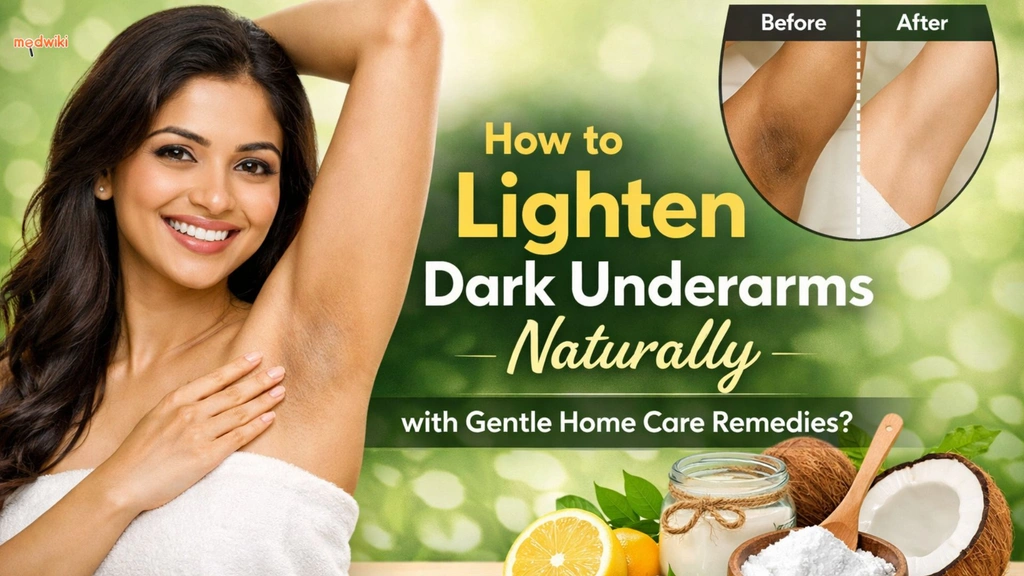
Dark underarms are a common concern for many people, regardless of age or gender. They can make you feel conscious while wearing sleeveless clothes, going to the gym, or even raising your arms confidently. While underarm pigmentation is not a medical problem in most cases, it often affects self confidence and comfort.There are several reasons why underarms become darker over time. Frequent shaving, buildup of dead skin cells, friction from tight clothing, use of harsh deodorants, hormonal changes, and evenobesity and lifestyle habits can all play a role. The good news is that you do not always need expensive treatments to see improvement. With patience and consistency,natural remedies for dark underarms can help restore an even toned appearance safely at home.This blog explores gentle and effective home remedies, explains how they work, and shares practical tips tolighten dark underarms naturally without damaging sensitive skin.Why underarms become darkThe skin under your arms is thinner and more sensitive than most other areas. This makes it more vulnerable to irritation and pigmentation. Repeated shaving can cause micro cuts andinflammation. Chemical based deodorants may block pores and irritate skin. Sweat combined with bacteria can also contribute to discoloration.Before trying any remedy, it is important to understand that underarm lightening takes time. Natural methods work gradually and focus on improving skin health rather than quick bleaching.Importance of gentle home skincare remediesUnderarm skin reacts poorly to aggressive treatments.Scrubs that are too harsh or products that promise instant whitening can worsen pigmentation. This is whygentle home skincare remedies are preferred. They nourish the skin, remove dead cells slowly, and support natural regeneration.Before using any remedy, always do a small patch test to avoid irritation. Consistency matters more than frequency.Effective DIY remedies to lighten underarms naturally.Lemon and baking soda scrub for underarmsLemon contains natural acids that help brighten skin, while baking soda works as a mild exfoliant. Together they help remove dead skin cells that make underarms appear darker.This scrub should be used carefully because lemon can be strong on sensitive skin. Use it only once or twice a week.Why this scrub helps underarm pigmentation:• Keeps pores clean and fresh• Helps improve skin tone over time• Removes buildup of dead skin cellsAfter use, always moisturize the area well to prevent dryness.Aloe vera gel for dark underarmsAloe vera is known for its soothing and healing properties. It contains compounds that help reduce pigmentation and support skin repair. Regular use can gradually improve skin tone without causing irritation.Benefits of aloe vera on underarm skin:• Keeps skin soft and hydrated• Calms irritation caused by shaving• Helps reduce pigmentation naturallyFresh aloe vera gel applied daily works best. Leave it on for 15 to 20 minutes before rinsing.Potato juice underarm remedyPotato juice has natural bleaching properties that are gentle on the skin. It helps lighten pigmentation without causing dryness or burning.Why potato juice is effective:• Mild lightening action• Suitable for sensitive skin• Helps even out skin tone graduallyApply fresh potato juice with a cotton pad and let it dry before washing off.Cucumber for underarm lighteningCucumber cools and refreshes the skin while helping reduce dark patches. It also soothes irritation caused by sweat and friction.Reasons cucumber works well for underarms:• Safe for daily use• Helps reduce dull appearance• Hydrates and cools sensitive skinYou can rub cucumber slices directly or apply cucumber juice regularly.Turmeric and milk paste for skin lighteningTurmeric has anti-inflammatory and brightening properties, while milk contains lactic acid that gently exfoliates the skin. Together they help improve skin tone when used consistently.Why turmeric and milk are helpful:• Improves skin texture• Supports natural glow• Reduces pigmentationUse this paste once or twice a week and rinse thoroughly to avoid yellow staining.Apple cider vinegar underarm treatmentApple cider vinegar helps balance skin pH and prevents bacterial buildup that may contribute to darkening. It also helps gently exfoliate the skin.Benefits of apple cider vinegar use:• Helps unclog pores• Keeps underarms fresh• Reduces pigmentation over timeAlways dilute apple cider vinegar with water before use to avoid irritation.Coconut oil for underarmsCoconut oil is rich in vitamin E and essential fatty acids. It nourishes the skin and supports healing while helping lighten dark areas gradually.Why coconut oil is beneficial:• Improves skin elasticity• Supports even skin tone• Deeply moisturizes underarm skinMassage a few drops daily after bathing for best results.Role of exfoliation in underarm lighteningDead skin buildup is one of the main reasons underarms appear darker. Usingnatural exfoliants for underarms helps reveal fresh skin and allows remedies to work better.Safe exfoliation tips include:• Use soft circular motions• Avoid scrubbing right after shaving• Exfoliate only once or twice a weekOver exfoliation can worsen pigmentation, so balance is key.Lifestyle tips to reduce underarm pigmentationHome remedies work best when combined with healthy habits. Small changes in daily routine can prevent pigmentation from returning.Importanttips to reduce underarm pigmentation include:• Avoid tight synthetic clothing• Keep underarms clean and dry• Maintain a balanced diet and hydration• Choose gentle alcohol free deodorants• Switch from shaving to waxing or trimmingThese habits protect sensitive skin and support long term results.Consistency and patience matterNatural remedies do not work overnight. Visible improvement may take several weeks depending on skin type and pigmentation level. The goal is healthier skin, not instant whitening.UsingDIY underarm lightening remedies consistently and gently gives the best outcome without harming the skin barrier.When to consult a doctorIf dark underarms appear suddenly, worsen quickly, or are accompanied by itching or thickened skin, medical advice is important. Conditions like hormonal imbalance or insulin resistance may sometimes contribute to pigmentation.Home care works best for mild to moderate discoloration caused by external factors.ConclusionDark underarms can be frustrating, but they are manageable with the right approach. Instead of harsh treatments, choosingdark underarms treatment at home using natural and gentle methods helps restore skin tone safely. Remedies like aloe vera, potato juice, cucumber, coconut oil, and mild exfoliation support gradual improvement without damaging sensitive skin.The key to success is patience, consistency, and kindness to your skin. With proper care and lifestyle changes, you canlighten dark underarms naturally and regain confidence comfortably. FollowMedwikifor more!Frequently Asked Questions1. Can dark underarms be lightened naturally?Yes, consistent use of natural remedies can gradually improve underarm pigmentation in many people.2. How long do home remedies take to show results?Most natural methods show visible improvement within four to six weeks when used regularly.3. Is lemon safe for underarms?Lemon can be effective but should be used cautiously and not on sensitive or freshly shaved skin.4. Can deodorants cause underarm darkness?Some chemical based deodorants may irritate skin and contribute to pigmentation over time.5. Is exfoliation necessary for underarm lightening?Gentle exfoliation helps remove dead skin but should not be done more than twice a week.6. Are these remedies suitable for all skin types?Most remedies are gentle, but patch testing is always recommended before regular use.7. When should I see a doctor for dark underarms?If pigmentation is sudden, severe, or associated with other symptoms, medical evaluation is advised.

1:15
Bacterial infections remain a common health concern across all age groups. From skin problems and respiratory infections to dental issues andsexually transmitted diseases, bacterial growth can affect daily life in many ways. In such cases, doctors often prescribe antibiotics that are trusted, effective and well studied. One such widely used antibiotic isdoxycycline.This blog takes a detailed and practical look atdoxycycline tablet use, explaining where it helps, how it works inside the body, its benefits, side effects and the precautions you should always keep in mind. The aim is to give you a clear and balanced understanding, without fear based claims or overly technical language.What is DoxycyclineDoxycycline is a prescription antibiotic that belongs to the tetracycline group of medicines. It is used to treat a wide range of bacterial infections affecting the skin, lungs, urinary tract, eyes and reproductive system. Doctors also prescribe it for acne management and certain parasitic infections.Unlikepainkillers that provide quick symptom relief, antibiotics likedoxycycline work by targeting the root cause of infection. This is why completing the full course is essential even if symptoms improve early.How Does Doxycycline Work in the BodyTo understand why this medicine is effective, it helps to knowhow doxycycline works. Bacteria survive and multiply by producing proteins that help them grow and spread. Doxycycline blocks this protein production process.When bacteria are unable to make essential proteins, their growth slows down and the immune system gets enough time to eliminate them. This action does not kill bacteria instantly but prevents them from multiplying, which makes it highly effective against many infections.Doxycycline Tablet Use in Medical PracticeDoctors prescribe doxycycline for several bacterial conditions. Its broad spectrum action makes it useful across multiple specialties.Commondoxycycline tablet use includes treatment of• Dental infections• Urinary tract infections• Eye infections like conjunctivitis• Malaria prevention in specific cases• Certain sexually transmitted infections• Skin infections and soft tissue infections• Respiratory tract infections such as bronchitis and pneumoniaThe dosage and duration depend on the type of infection, severity and patient history.Doxycycline for Infections and Its EffectivenessOne of the major reasons doctors rely on this medicine is its effectiveness against a wide range of bacteria.Doxycycline for infections is often chosen when bacteria show resistance to other antibiotics.It is commonly prescribed for infections caused by bacteria that affect the lungs, intestines, skin and genital tract. In many cases, it is also used when patients are allergic to penicillin based antibiotics.When taken correctly, doxycycline helps reduce infection symptoms such as fever, swelling, redness and pain over a few days.Doxycycline for Acne TreatmentAcne is not just a cosmetic issue. For many people, it affects confidence, mental health and social interaction. Acne often develops when bacteria grow inside clogged pores and triggerinflammation.Doxycycline for acne is prescribed in moderate to severe cases where topical treatments alone are not enough. It works by reducing bacterial growth and calming inflammation under the skin.Doctors usually prescribe it for a limited duration along with topical gels or creams. It is not meant to be used continuously for long periods without supervision.Doxycycline Benefits You Should KnowWhen used appropriately, this medicine offers several advantages.Some keydoxycycline benefits include• Can be taken orally with good absorption• Often effective when other antibiotics fail• Useful for both acute and chronic conditions• Effective against a wide range of bacterial infections• Helps reduce inflammation in acne related skin issuesThese benefits make it a dependable option in modern infection management.How to Take Doxycycline CorrectlyDoxycycline should always be taken exactly as prescribed by your doctor. It is usually taken with a full glass of water to reduce throat irritation. Avoid lying down immediately after taking the tablet.Doctors often recommend taking it at the same time each day to maintain consistent levels in the body. Missing doses or stopping early can reduce effectiveness and increase antibiotic resistance.Doxycycline Precautions That Should Not Be IgnoredLike all antibiotics, this medicine requires careful use.Importantdoxycycline precautions include• Tell your doctor about liver or kidney conditions• Use sunscreen as it can increase sensitivity to sunlight• Inform your doctor if you are pregnant or breastfeeding• Avoid taking it with milk or dairy products unless advised• Avoid taking it with antacids or iron supplements at the same timeThese precautions help reduce unwanted effects and improve treatment outcomes.Doxycycline Side Effects Explained ClearlyMost people tolerate this medicine well, but some may experience side effects. Being informed helps you act early if needed.Commondoxycycline side effects include• Diarrhea• Loss of appetite• Nausea or vomiting• Stomach discomfort• Sensitivity to sunlightRare side effects may include severe stomach pain, allergic reactions or difficulty swallowing. Seek medical help if symptoms are persistent or severe.Can Doxycycline Be Taken DailyYes, but only for the duration advised by your doctor. In acne treatment, it may be prescribed for several weeks, while in infections it is usually taken for a shorter course.Taking it longer than recommended can increase side effects and reduce effectiveness in future infections.Interactions With Other MedicinesDoxycycline can interact with certain medicines such as antacids, calcium supplements, iron tablets and some seizure medications. Always inform your doctor about all medicines and supplements you are taking.Avoid alcohol during treatment as it may reduce the effectiveness of the antibiotic.Lifestyle Tips While Taking DoxycyclineMedicines work best when supported by healthy habits. While on doxycycline, consider• Drinking plenty of water• Eating light and balanced meals• Completing the full antibiotic course• Protecting your skin from direct sunlight• Maintaining proper hygiene to prevent reinfectionConclusionDoxycycline is a trusted antibiotic that plays an important role in treating bacterial infections and managing acne when used responsibly. From respiratory infections to skin conditions, its broad action and reliable results make it a preferred choice for doctors. However, it is not a casual medicine and should never be used without proper medical advice. Understanding doxycycline tablet use, benefits, side effects and precautions ensures safe treatment and better recovery. FollowMedwikifor more!Frequently Asked Questions1. What is doxycycline mainly used for?It is mainly used to treat bacterial infections and moderate to severe acne.2. How long does doxycycline take to work?Most infections start improving within two to three days of regular use.3. Can doxycycline be taken on an empty stomach?It can be taken with food to reduce stomach discomfort unless advised otherwise.4. Is doxycycline safe for long term use?Long term use should only be done under medical supervision.5. Can doxycycline cause skin sensitivity?Yes, it can increase sensitivity to sunlight, so sun protection is important.6. Is doxycycline safe during pregnancy?It is generally avoided during pregnancy unless clearly advised by a doctor.7. What happens if I stop doxycycline early?Stopping early may lead to incomplete treatment and antibiotic resistance.
Shorts

Avoid These Mistakes If You Have Sunburn!

Mrs. Prerna Trivedi
Nutritionist

5 Simple Habits for Healthy, Glowing Skin!
Mrs. Prerna Trivedi
Nutritionist

Which SPF Should You Choose: 30 or 50? Let's Break It Down!

Drx. Salony Priya
MBA (Pharmaceutical Management)

6 best replacements for healthy skin !

Dr. Beauty Gupta
Doctor of Pharmacy

Know Us
@2026 Medwiki Pvt Ltd. All Rights Reserved