


1:15
High cholesterol is a serious problem that can lead to heart disease and strokes. In India, over 25–30% of urban adults have high cholesterol, but the good news is you can lower it with simple food choices.Here are 5 easy-to-find Indian foods that can help lower cholesterol fast:Oats: Oats are full of soluble fiber, which helps remove cholesterol from your body. Eating oats every morning can lower bad cholesterol (LDL) by up to 20%. It’s an easy and healthy choice for breakfast.Garlic: Garlic helps reduce cholesterol levels and blood pressure. Eating just one clove a day can lower your total cholesterol by 10–15%. It’s a small change with big benefits for your heart.Fenugreek Seeds: Fenugreek seeds are rich in fiber, which helps lower cholesterol. Studies show they can reduce LDL cholesterol by up to 25% in just 4-6 weeks. You can soak them overnight or add them to your meals.Leafy Greens: Vegetables like spinach and kale are good for your heart. They help lower cholesterol and reduce inflammation in your body. Adding them to your diet is simple and effective.Nuts: Almonds and walnuts are full of healthy fats that lower bad cholesterol. Eating a handful of nuts each day can reduce LDL cholesterol by up to 10%.Including these foods in your daily meals can help lower cholesterol and improve your heart health.Start today for a healthier future!Unsure about something you read about Indian foods for cholesterol? Ask your health question on Ask Medwiki , a trusted source for reliable information.Source:-1. http://www.cdc.gov/cholesterol/prevention/index.html 2. https://www.healthdirect.gov.au/cholesterol
1:15
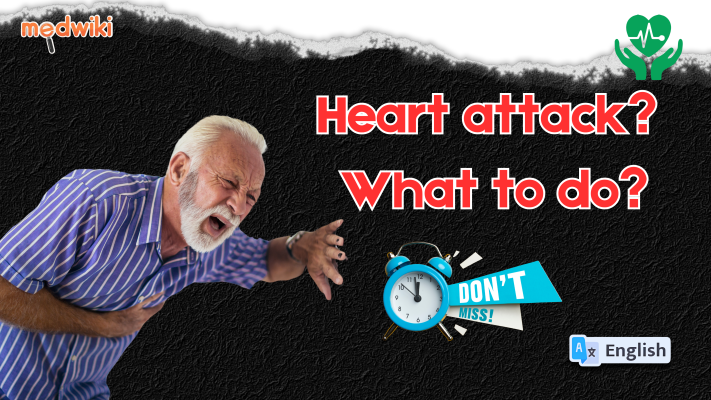
What is a heart attack?A heart attack is a condition of obstructed blood flow to the heart. It results due to blockage of arteries through fats and cholesterol buildup in the arteries of the heart. It starts with a feeling of tightness or pain in the chest but moves down to your arms, shoulders, and neck.Suggested Read: Lower cholesterol and improve heart health with pumpkin seeds!What is the cause of a heart attack?A complete or partial blockage of arteries of the heart resulting from plaque deposits can narrow the arteries, decreasing blood flow to the heart.A heart attack can even occur as a result of a strong spasm in the unblocked arteries supplying blood to the heart.Sometimes a viral infectioncan also lead to a heart attack in serious cases.Suggested Read: Causes and Symptoms of High Blood Pressure!What are the symptoms of a heart attack?Chest pain and pressure or tightness in the chest.Cold sweat.Lightheadedness.Nausea.FatigueNumbnessIndigestion.Vomiting.Shortness of breathSuggested Read: Is Your Chest Pain a Warning Sign of Something More Serious? Don't Ignore These SymptomsWhat to do when someone is having a heart attack?1. Call Emergency Services: The first thing someone should do while encountering a heart attack is to dial the emergency number for immediate medical help.2. Position the Person: Have the person sit comfortably with their back and head supported by a wall or pillow, and their knees bent. Keep the area properly ventilated.3. Reassure Them: Encourage the person to stay calm and try to reassure them. Tell them not to panic as it can further worsen the condition.4. Administer Prescribed Nitrates: If the person has been prescribed nitrates for chest pain, give them their medication as soon as possible.5. Give Aspirin: Provide the person with an aspirin tablet (300 to 350 mg). Dissolve it in water or have them chew it completely. This may help save their life as aspirin helps in preventing clot or plaque formation in the blood vessels that can cause a heart attack.Note: Do not give aspirin to anyone under 16 years of age or those allergic to aspirin.6. Prepare for CPR: If the person becomes unconscious, be ready to perform CPR. If their condition worsens, use a defibrillator. CPR involves hard chest compressions at a rate of 100 to 120 compressions per minute, which improves blood flow to the brain and body, potentially helping the person survive.Suggested Read: What Happens During an Angina Attack? Learn the Warning Signs and Symptoms!What not to do when someone is having a heart attack?1. Don’t Panic: Stay calm and focused and help the person with all the necessary first aid steps.2. Don’t Leave Them Alone: Ensure the person is not left unattended, stay close to them.3. Don’t Misinterpret the Pain: Don’t assume the pain is related to gastric issues or heartburn. Always check for the possibilities.Suggested Read: Maximum Heart Rate by Age: Calculate Yours Easily

1:15
Today, we are going to talk about important tips and precautions to take while working out, especially if you have health issues like high blood pressure or high cholesterol.Exercising is great for your health but it's crucial to be mindful of certain factors to prevent heart attacks.Pre-gym health checks: Before you hit the gym, make sure to get these tests done. Cholesterol levels. High cholesterol can lead to heart issues.Blood pressure: Knowing your blood pressure helps prevent hypertension. Sugar level: High blood sugar can lead to diabetes.Understand your health: It's essential to talk to your doctor about your health conditions. Discuss conditions like diabetes, high cholesterol and high blood pressure. Your doctor can advise on the types of exercises that are safe and effective for you.Avoid intense workouts initially: Don't jump into intense workouts right away. Start with normal workouts and gradually increase the intensity. Always remember to warm up beforeany intense exercise to prevent strain on your heart.Limit sugar intake: The FDA recommends that a healthy adult should not consume more than 30 grams of sugar per day. Excessive sugar can lead to diabetes and obesity.Limit salt intake: Similarly, a healthy person should not consume more than 5 grams of salt per day as high salt intake can lead to high blood pressure and other heart diseases.Monitor your health regularly: Keep track of your blood pressure, blood sugar, and cholesterol levels. Blood pressure. A systolic pressure of 120 to 130 mm/hg and a diastolic pressure of 70 to 80 mmHg is considered normal. Anything higher is considered hypertension.Blood sugar. A normal range is 70 to 100 mg dl. Higher levels indicate hyperglycemia.Cholesterol. Total cholesterol less than 200 mg per deciliter is normal. Higher levels indicate high cholesterol.By following these tips and precautions, you can make your gym sessions safer and more effective. Always remember to consult with your healthcare professional for personalized advice. Stay healthy and keep exercising.Suggested Read: Check Your Heart Rate using Cardiac Risk CalculatorSource:-1. https://www.nhlbi.nih.gov/files/docs/public/heart/phy_active.pdf2. Heart Health Checklist. (n.d.). Heart Health Checklist. Retrieved May 15, 2024, from https://osumedicine.com/heart-health-checklist/Disclaimer:-This information is not a substitute for medical advice. Consult your healthcare provider before making any changes to your treatment. Do not ignore or delay professional medical advice based on anything you have seen or read on Medwiki.Find us at:https://www.instagram.com/medwiki_/?h...https://twitter.com/medwiki_inchttps://www.facebook.com/medwiki.co.in/

1:15
According to WHO, about 17.9 million deaths occur due to heart diseases or disorders of blood vessels, globally, each year. And 4 out of 5 Cardiovascular deaths occur due to heart attacks and strokes.Most of the time heart attacks and strokes are sudden, and they are caused due to plaques formed in the arteries that cause blockage in the arteries leading to lesser blood supply to the brain and heart.These blockages are formed due to unhealthy foods and lifestyles.What diet should you take for a healthy heart?1. Oats:Oatmeals are rich in fibers and are known to decrease total cholesterol levels including triglycerides and low-density Lipoproteins (LDL) cholesterol by 5 to 10% and increase good cholesterols also known as High- Density Lipoprotein (HDL) cholesterol.A decrease in cholesterol levels is essential for a healthy heart.2. Healthy fats in diet:Fish like salmon, tuna, and mackerel are rich in omega-3 fatty acids, which help reduce inflammation, promote heart health, and reduce the risk of heart disease.Suggested Read: Heart Rate Calculator: Find Your Maximum Heart Rate Instantly3. Berries:Eating strawberries, blueberries and raspberries can reduce inflammation in the body as they have antioxidants like anthocyanins which are known to improve overall heart health.4. Nuts:Almonds, pistachios, and walnuts in the diet can increase the level of fiber and proteins in the body and help reduce inflammation and bad cholesterol, leading to improved heart health.Lastly, dark chocolates are a delicious source of antioxidants that reduce cholesterol levels and blood pressure, ultimately resulting in a healthy heart.Including avocado, wholegrains, lentils, and green vegetables in your diet can help improve your heart health. But doing physical exercise and meditation, and reducing stress are also major factors that can be beneficial to have a healthy heart.Source:-1. Cardiovascular diseases. (2024, May 15). Cardiovascular diseases. https://www.who.int/health-topics/cardiovascular-diseases2. Casas, R., Castro-Barquero, S., Estruch, R., & Sacanella, E. (2018). Nutrition and Cardiovascular Health. International journal of molecular sciences, 19(12), 3988. https://doi.org/10.3390/ijms191239883. Chen W, Zhang S, Hu X, Chen F, Li D. A Review of Healthy Dietary Choices for Cardiovascular Disease: From Individual Nutrients and Foods to Dietary Patterns. Nutrients. 2023; 15(23):4898. https://doi.org/10.3390/nu152348984. Mitra, A., Pradhan, R., & Mukherjee, S. (2009). Importance of heart-healthy diet. Journal of Human Ecology, 27(1), 53-61.Disclaimer:-This information is not a substitute for medical advice. Consult your healthcare provider before making any changes to your treatment. Do not ignore or delay professional medical advice based on anything you have seen or read on Medwiki.Find us at:https://www.instagram.com/medwiki_/?h..https://twitter.com/medwiki_inchttps://www.facebook.com/medwiki.co.in/

1:15
How does height relate to the risk of atrial fibrillation (AFib), according to a recent study by Penn Medicine?These follow are:-Recent study by Penn Medicine reveals a strong link between height and the risk of atrial fibrillation (AFib).For every one-inch increase in height, there is approximately a three percent increase in the risk of AFib.Height is considered a causal risk factor for AFib, independent of other clinical factors.AFib is a common abnormal heart rhythm that can lead to stroke, heart failure, and other complications.Observational studies have previously suggested a higher risk of AFib in taller individuals.The study used data from genetic variants associated with height and AFib, indicating a potential genetic link.Increased height may contribute to AFib, and tall individuals may benefit from AFib screening.AFib affects over 33 million people worldwide and is associated with various clinical risk factors.It's essential for tall individuals to be aware of their increased AFib risk and discuss screening with their doctor.Source:-https://www.pennmedicine.org/news/news-releases/2019/november/taller-people-have-increased-risk-for-developing-atrial-fibrillationDisclaimer:- This information is intended to supplement, not substitute, advice from your healthcare provider or doctor. It does not cover all possible uses, precautions, interactions, or side effects, and may not be appropriate for your specific healthcare needs. Always consult with your doctor or another qualified healthcare provider before modifying or discontinuing any prescribed portion of your healthcare plan or treatment, in order to determine the best course of therapy for you. Do not ignore or delay professional medical advice based on anything you have seen or read on Medwiki.Find us at:https://www.instagram.com/medwiki_/?h...https://twitter.com/medwiki_inchttps://www.facebook.com/medwiki.co.in/
1:15
What are the benefits and risks of low-dose aspirin?Benefits of Low-Dose Aspirin:-Relieves pain, reduces fever, and fights inflammation.Helps prevent blood clots that can lead to heart attacks and strokes.Targets platelets to reduce blood clotting.Risk Factors and Side Effects:Aspirin may cause stomach irritation, ulcers, and bleeding.It thins the blood, posing risks for individuals at higher bleeding risk.Routine Use Considerations:For most individuals without heart disease, taking aspirin as a preventative measure might be unnecessary.Recent studies showed it did not reduce heart attack risk in women and increased the risk of bleeding.Clinical trials indicated no prevention of heart attacks or strokes in people without known heart disease, with an increased risk of major bleeding and death in some cases.Who Should Consider Routine Aspirin:Individuals with significant plaque in their arteries may benefit from aspirin as a preventative measure.Consultation with a Doctor:It is crucial to consult with a doctor to assess individual risk levels and determine the appropriateness of low-dose aspirin therapy.Source:- https://www.hopkinsmedicine.org/health/wellness-and-prevention/is-taking-aspirin-good-for-your-heartDisclaimer:- This information is intended to supplement, not substitute, advice from your healthcare provider or doctor. It does not cover all possible uses, precautions, interactions, or side effects, and may not be appropriate for your specific healthcare needs. Always consult with your doctor or another qualified healthcare provider before modifying or discontinuing any prescribed portion of your healthcare plan or treatment, in order to determine the best course of therapy for you. Do not ignore or delay professional medical advice based on anything you have seen or read on Medwiki.Find us at:https://www.instagram.com/medwiki_/?h...https://twitter.com/medwiki_inchttps://www.facebook.com/medwiki.co.in/
1:15
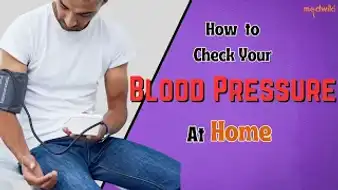
What is the primary function of a sphygmomanometer in the context of checking blood pressure manually?These follow are :-Blood Pressure Basics:Blood pressure is the force exerted by blood against artery walls, akin to traffic on highways with the heart as a powerful pump.Manual Blood Pressure Check Tools:Utilizes a sphygmomanometer, including an inflatable cuff and pressure gauge.Preparation for Measurement:Find a quiet, comfortable place to sit with the arm rested on a flat surface, palm up.Cuff Placement:Wrap the cuff snugly around the upper arm, just above the elbow, ensuring a proper fit.Locating Pulse:Identify the pulse by lightly pressing fingers on the inner side of the elbow, over the brachial artery.Inflation of Cuff:Squeeze the rubber bulb to inflate the cuff snugly around the arm.Pressure Release:Gradually release pressure by turning the valve on the cuff while listening for the heartbeat with a stethoscope.Monitoring Heart Sounds:The initial thumping sound denotes systolic pressure (heart contraction), and the disappearance signifies diastolic pressure (heart at rest).Recording the Reading:Note the reading on the pressure gauge when the heartbeat sound completely disappears.Home Monitoring Benefits:Regular manual blood pressure checks at home help track fluctuations and maintain awareness of cardiovascular health.Disclaimer:- This information is intended to supplement, not substitute, advice from your healthcare provider or doctor. It does not cover all possible uses, precautions, interactions, or side effects, and may not be appropriate for your specific healthcare needs. Always consult with your doctor or another qualified healthcare provider before modifying or discontinuing any prescribed portion of your healthcare plan or treatment, in order to determine the best course of therapy for you. Do not ignore or delay professional medical advice based on anything you have seen or read on Medwiki.Find us at:https://www.instagram.com/medwiki_/?h…https://twitter.com/medwiki_inchttps://www.facebook.com/medwiki.co.in/
1:15
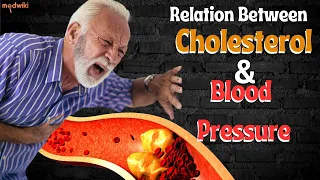
Cholesterol is a waxy substance with both beneficial and detrimental aspects for the body's health.Cholesterol is beneficial because it helps build cells and form vitamins and minerals. But too much cholesterol in the body can also cause health problems. Cholesterol comes from two sources: First, “the Liver” makes the cholesterol, and the second source; is food from animals. For example; Dietary cholesterol is present in poultry, meat, dairy products, etc.Why is Cholesterol Important?Every cell of the body contains cholesterol. It supports many functions of the body especially in nerves, skin, and bones.Cholesterol has three most important functions:It is a part of the outer layer of cells present in the body.It helps in producing Vitamin D and steroid hormones which keep your teeth, bones, and muscles healthy.This helps in bile formation which helps in digesting fats.Suggested Read:https://medwiki.co.in/post/good-and-bad-cholesterol-know-the-difference-enWhat is High Blood Pressure?High Blood Pressure (Hypertension) puts extra strain on the heart, increasing the risk of heart disease, stroke, and kidney issues.Suggested Read:https://medwiki.co.in/post/is-your-blood-pressure-too-low-causes-and-symptoms-to-know-en6 Reasons How Cholesterol Level Affects Blood Pressure?1: Cholesterol Production from Diet:Foods high in saturated and trans fats contribute to LDL cholesterol production in the body.2: Formation of Plaques:Excessive cholesterol can lead to the formation of plaques in arteries, narrowing and hardening them.3: Arterial Restriction and Blood Flow:Plaque buildup restricts blood flow in arteries, similar to a clogged pipe.Suggested Read:https://medwiki.co.in/post/imagine-cholesterol-as-tiny-particles-that-move-around-your-body-through-the-blood-en4: Impact on Blood Pressure:Narrow and stiff arteries create resistance to blood flow, requiring the heart to pump harder.5: Analogy of Heart and Blood Vessels:The heart acts as a pump, and blood vessels are compared to a network of roads.6: Increased Pumping Strain:Elevated resistance due to cholesterol buildup requires the heart to pump with more force.Suggested Read:https://medwiki.co.in/post/cholesterol-is-it-really-that-dangerous-en3 Strategies to Control Both Risk Factors:Cholesterol and high blood pressure, are both manageable risk factors. Consult your doctor, strictly adhere to the prescribed medications, and adopt certain lifestyle modifications that can naturally treat the condition of the heart and blood vessels and prevent further complications:1: Quit Smoking:Quitting smoking increases HDL levels in the body, which removes excessive cholesterol from the arteries. This reduces the risk of blockages and low blood pressure.Smoking accelerates the oxidation of LDL cholesterol, which leads to plaque formation in the arteries. Quitting smoking hinders this specific process which controls blood pressure and improves overall heart health.Smoking makes the arteries narrow and hard so by quitting smoking; flexibility in arteries improves which helps in effectively regulating blood pressure.Smoking causes inflammation in the blood vessels, which makes it very difficult to manage cholesterol levels. Quitting smoking reduces inflammation, improves cholesterol regulation, and prevents blood pressure spikes.Smoking increases blood pressure by constricting blood vessels. Quitting smoking relaxes the vessels; reduces stress in the cardiovascular system, improves cholesterol balance, and controls blood pressure.Suggested Read:https://medwiki.co.in/post/cholesterol-lowering-drugs-can-damage-lungs-en2: Stay Active:Regular physical activity boosts HDL levels, which helps remove excess cholesterol from the blood and reduces arterial plaque. It controls blood pressure in a better way.Exercise reduces the risk of cholesterol build-up in the arteries by reducing LDL cholesterol. Maintaining healthy blood flow also reduces the risk of hypertension.Being active improves the elasticity of blood vessels, which makes blood flow easier and reduces resistance in the arteries. Ultimately blood pressure has been reduced.Being physically active keeps body weight under control and has a direct link to cholesterol levels and reduction of stress in the cardiovascular system, which prevents high blood pressure.Regular exercise reduces inflammation and stress in the body, and both of these contribute to controlling blood pressure and cholesterol. Physical activity reduces the risk of chronic heart conditions by promoting overall cardiovascular health.Suggested Read:https://medwiki.co.in/post/causes-and-symptoms-of-high-blood-pressure3: Consume a Healthy Diet:Including fruits, healthy fats, whole grains, and vegetables in the diet reduces LDL cholesterol levels which helps in lowering blood pressure by preventing plaque buildup in the arteries.Healthy fats found in nuts and fatty fish boost HDL cholesterol levels, which removes excess cholesterol from the bloodstream, promotes arterial health, and supports blood pressure in the normal range.A heart-healthy diet controls blood pressure by preventing fluid retention. It supports overall cardiovascular health by supporting cholesterol levels.Fiber-rich foods and lean proteins help in healthy weight management, which is directly linked to better cholesterol levels and reduced heart pressure.Reducing the intake of saturated and trans fat can prevent high cholesterol levels, reduce plaque formation in the arteries, improve blood flow, and ultimately help in reducing blood pressure.Adopting a heart-healthy diet, engaging in regular exercise, maintaining a healthy weight, and avoiding smoking contribute to managing blood pressure effectively.The health risks of cholesterol and high blood pressure are closely linked, and managing both is important for heart health. High cholesterol levels lead to plaque buildup in the arteries, which increases blood pressure and puts a strain on the heart. However, certain lifestyle modifications such as quitting smoking, staying physically active, and consuming a heart-healthy diet are some strategies that can help control cholesterol levels and regulate blood pressure. All these changes will not only improve blood pressure but will also reduce the risk of chronic heart conditions. The risks associated with high cholesterol and high blood pressure can be reduced by adopting healthier habits and consulting healthcare professionals.Disclaimer:- This information is intended to supplement, not substitute, advice from your healthcare provider or doctor. It does not cover all possible uses, precautions, interactions, or side effects, and may not be appropriate for your specific healthcare needs. Always consult with your doctor or another qualified healthcare provider before modifying or discontinuing any prescribed portion of your healthcare plan or treatment, in order to determine the best course of therapy for you. Do not ignore or delay professional medical advice based on anything you have seen or read on Medwiki.Find us at:https://www.instagram.com/medwiki_/?h…https://twitter.com/medwiki_inchttps://www.facebook.com/medwiki.co.in/
Shorts

Super Salt for Healthy you!

Dr. Beauty Gupta
Doctor of Pharmacy

Chenna For Healthy Heart.
Dr. Beauty Gupta
Doctor of Pharmacy

4 ways to keep your heart healthy!

3D animation| High Blood and Heart Attack?
Dr. Beauty Gupta
Doctor of Pharmacy

Know Us
@2026 Medwiki Pvt Ltd. All Rights Reserved