

1:15
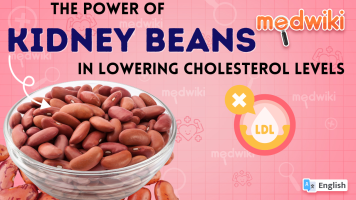
What are some ways you incorporate kidney beans into your meals to enjoy their health benefits?The ways are:-Kidney Beans as a Superfood:Known as rajma, kidney beans are rich in protein, fiber, vitamins, and minerals, constituting a superfood with diverse health benefits.Cholesterol-Lowering Properties:High cholesterol levels increase the risk of heart disease and stroke.Kidney beans contain soluble fiber, proven to lower cholesterol by reducing absorption in the bloodstream.LDL Cholesterol Reduction:Kidney beans are particularly effective in lowering LDL cholesterol, the "bad" cholesterol.Lowering LDL cholesterol helps prevent plaque buildup in arteries, reducing the risk of heart disease and stroke.Weight Loss Support:Low in calories and high in fiber, kidney beans contribute to weight loss.Enhanced feelings of fullness lead to reduced calorie intake over time.Nutrient-Rich and Delicious:Kidney beans are a nutritious and tasty addition to your diet.Regular consumption can improve overall health and reduce the risk of heart-related conditions.Versatile Incorporation:Kidney beans can be easily incorporated into various dishes for a flavorful and health-promoting meal.Enjoy the benefits of this superfood by making it a regular part of your diet.Disclaimer:- This information is intended to supplement, not substitute, advice from your healthcare provider or doctor. It does not cover all possible uses, precautions, interactions, or side effects, and may not be appropriate for your specific healthcare needs. Always consult with your doctor or another qualified healthcare provider before modifying or discontinuing any prescribed portion of your healthcare plan or treatment, in order to determine the best course of therapy for you. Do not ignore or delay professional medical advice based on anything you have seen or read on Medwiki.Find us at:https://www.instagram.com/medwiki_/?h...https://twitter.com/medwiki_inchttps://www.facebook.com/medwiki.co.in/

1:15
What other breakfast foods or ingredients do you think contribute to heart health?These follow are:-Breakfast for Heart Health:Breakfast plays a crucial role in starting the day with energy and vitality.Research indicates a positive impact of a healthy breakfast on heart health.Oatmeal Benefits:Oatmeal is a highly nutritious food with numerous health benefits.Rich in fiber, it aids in lowering cholesterol levels and reducing the risk of heart disease.Antioxidant Content:Oatmeal contains antioxidants that protect the heart and other organs.Reduces the risk of chronic diseases and contributes to overall health and well-being.Essential Nutrients:Excellent source of vital nutrients such as iron, zinc, and magnesium.Supports immune system function, promotes healthy bones and teeth, and aids in various bodily processes.Versatility of Oatmeal:Adaptable for different preferences – sweet or savory.Sweet options include adding fruits like bananas, apples, or berries for natural sweetness.Savory variations can include herbs like rosemary or thyme with salt and pepper.Overall Heart Health:Oatmeal is a versatile and nutritious choice for a heart-healthy breakfast.Supports heart health while providing a satisfying and delicious start to the day.Disclaimer:- This information is intended to supplement, not substitute, advice from your healthcare provider or doctor. It does not cover all possible uses, precautions, interactions, or side effects, and may not be appropriate for your specific healthcare needs. Always consult with your doctor or another qualified healthcare provider before modifying or discontinuing any prescribed portion of your healthcare plan or treatment, in order to determine the best course of therapy for you. Do not ignore or delay professional medical advice based on anything you have seen or read on Medwiki.Find us at:https://www.instagram.com/medwiki_/?h..https://twitter.com/medwiki_inchttps://www.facebook.com/medwiki.co.in/
1:15
What lifestyle changes do you think are most effective in reducing the risk of heart attacks?These follow are:Myocardial Infarction Overview:Also known as a heart attack, it's a severe medical emergency.Occurs when blood flow to the heart is blocked, leading to heart muscle damage or death.Causes of Heart Attack:Blockage due to fatty deposits, blood clots, or coronary artery spasms can impede blood flow.Lack of blood and oxygen can result in permanent heart muscle damage, leading to complications like heart failure.Recognizing Symptoms:Common symptoms include chest pain, shortness of breath, nausea, vomiting, and sweating.Atypical symptoms may include jaw pain, back pain, or stomach pain.Anxiety, fatigue, or a sense of impending doom can also precede a heart attack.Risk Factors:Age, family history, smoking, high blood pressure, high cholesterol, obesity, and diabetes are key risk factors.Lifestyle changes and medical intervention are essential for addressing these factors.Treatment Approach:Swift restoration of blood flow is crucial for heart attack treatment.Procedures like angioplasty, stenting, coronary artery bypass grafting, or prescribed medications are common interventions.Seeking Immediate Help:If symptoms manifest, call for emergency medical services promptly.Early intervention is vital for saving lives and preventing long-term complications.Atypical Symptoms and Silent Heart Attacks:Some people may experience atypical symptoms like anxiety or fatigue before a heart attack.Silent heart attacks, with no apparent symptoms, underscore the importance of regular medical check-ups.Preventive Measures:Lifestyle changes and medical intervention reduce the risk of a heart attack.Prioritize heart health for overall well-being and longevity.Disclaimer:- This information is intended to supplement, not substitute, advice from your healthcare provider or doctor. It does not cover all possible uses, precautions, interactions, or side effects, and may not be appropriate for your specific healthcare needs. Always consult with your doctor or another qualified healthcare provider before modifying or discontinuing any prescribed portion of your healthcare plan or treatment, in order to determine the best course of therapy for you. Do not ignore or delay professional medical advice based on anything you have seen or read on Medwiki.Find us at:https://www.instagram.com/medwiki_/?h…https://twitter.com/medwiki_inchttps://www.facebook.com/medwiki.co.in/
1:15
What steps do you think can be taken to enhance awareness about heart disease in India?These steps are:-Global and National Impact:Heart disease is the leading cause of global mortality, causing over 17 million deaths annually.In India, it accounts for around 28% of all deaths, posing a substantial health concern.Heart Attack Statistics in India:Over recent decades, heart-related illnesses have surged in both rural and urban areas of India.Incidences of coronary disease have risen from 1.6% to 7.4% in rural areas and from 1% to 13.2% in urban areas.Mortality and Leading Cause:Ischemic heart disease, characterized by narrowed or blocked arteries, was the leading cause of death in India in 2019.Heart attacks contribute significantly to mortality rates in the country.Risk Factors in India:High prevalence of risk factors like high blood pressure, diabetes, high cholesterol, smoking, obesity, and sedentary lifestyles in India.These factors contribute to the elevated incidence of heart disease.Treatment Modalities:Treatment includes medications, lifestyle adjustments, and surgical interventions like angioplasty or bypass surgery.Limited access to quality healthcare in certain regions affects the availability and effectiveness of treatment.Awareness Challenges:Lack of awareness regarding heart disease and associated risk factors among the Indian population.Education on healthy lifestyle choices and early detection is crucial to reducing incidence and mortality rates.Call to Action:Emphasize efforts to increase awareness about heart disease.Improve access to quality healthcare across the country.Promote healthy lifestyle choices to prevent and manage heart conditions.Disclaimer : This video is for educational purposes only. Please consult your doctor for any health or medicine related query. Reliance on any information provided by Medwiki is solely at your own risk.Find us at:https://www.instagram.com/medwiki_/?h…https://twitter.com/medwiki_inchttps://www.facebook.com/medwiki.co.in/
1:15
What are some risk factors for high cholesterol?Understanding High Cholesterol and Heart Health:High Cholesterol as a Risk Factor:Major cause of mortality in India, contributing to 28% of fatalities.Elevated prevalence of cardiovascular disease is a significant concern for public health.Cholesterol Overview:Cholesterol is a vital substance for proper body function, present in the blood.Elevated cholesterol levels lead to plaque buildup in arteries, increasing the risk of heart disease and stroke.Risk Factors for High Cholesterol:Genetics:Some individuals may have a genetic predisposition to high cholesterol.Diet:Consumption of saturated fats, trans fats, and cholesterol-rich foods raises the risk.Lifestyle:Sedentary behavior and lack of physical activity contribute to high cholesterol.Medical Conditions:Diabetes, hypothyroidism, liver or kidney disease elevate the risk.Regular Cholesterol Checks:Crucial, especially if having risk factors.Allows for early detection and intervention.Lifestyle Modifications for Heart Health:Diet Improvement:Reduce intake of saturated and trans fats.Physical Activity:Increase exercise and avoid a sedentary lifestyle.Smoking Cessation:Quit smoking for overall heart health.Medical Intervention:Medications:Statins can help manage high cholesterol levels.Holistic Approach for Heart Health:Making small lifestyle changes and addressing risk factors contributes to overall heart health.
1:15
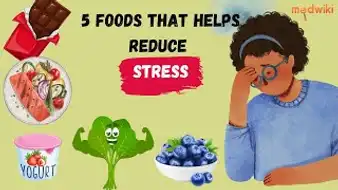
What are some foods that can positively impact mental health, and how do they contribute to reducing stress and anxiety?These some are:-Dark Chocolate:Contains flavonoids to reduce stress and anxiety.Stimulates endorphin production, acting as natural mood-boosters.Blueberries:Packed with antioxidants protecting brain cells from oxidative stress.Anthocyanins in blueberries enhance cognitive function, including memory and focus.Salmon:Rich in omega-3 fatty acids crucial for brain health.Omega-3s shown to reduce symptoms of anxiety and depression.Spinach:Good source of magnesium, known as the "relaxation mineral."Magnesium helps reduce anxiety and promotes relaxation.Greek Yogurt:High in probiotics supporting a healthy gut microbiome.Research indicates probiotics can reduce symptoms of anxiety and depression.Overall Impact:Incorporating these foods into the diet promotes mental health.Enhances feelings of happiness, calmness, and focus.Conclusion:Delicious and beneficial foods for mental health.Encourages viewers to share which food they are excited to try in the comments.Disclaimer:- This information is intended to supplement, not substitute, advice from your healthcare provider or doctor. It does not cover all possible uses, precautions, interactions, or side effects, and may not be appropriate for your specific healthcare needs. Always consult with your doctor or another qualified healthcare provider before modifying or discontinuing any prescribed portion of your healthcare plan or treatment, in order to determine the best course of therapy for you. Do not ignore or delay professional medical advice based on anything you have seen or read on Medwiki.Find us at:https://www.instagram.com/medwiki_/?h…https://twitter.com/medwiki_inchttps://www.facebook.com/medwiki.co.in/

1:15
What potential health benefits does moderate consumption of red wine?These benefits are :-Blood Sugar Control: Red wine can assist in regulating blood sugar levels, as acknowledged by the American Diabetes Association, providing a temporary reduction for individuals with frequently elevated sugar levels.Memory Enhancement: The presence of resveratrol in red wine is associated with improved memory, particularly beneficial for better recollection, especially in situations of insufficient sleep.Cancer Risk Reduction: Some experts suggest that red wine consumption may lower the risk of specific cancers, potentially inhibiting the growth of malignant cells in conditions like breast and throat cancer.Heart Health Support: Drinking red wine can be beneficial for the heart, as it elevates good cholesterol and reduces the levels of bad cholesterol, contributing to overall cardiovascular health.Resveratrol's Dual Benefits: Resveratrol in red wine extends its benefits to both memory and eye health, playing a role in maintaining their well-being and offering protection against certain issues.Oral Health Benefits: Surprisingly, red wine may contribute to dental health by combating harmful substances in the mouth, providing potential protection for teeth and gums.Moderation Advisory: It's important to consume red wine in moderation, as excessive intake is not advisable. Consulting with a doctor is recommended for any questions or concerns.Source:-https://timesofindia.indiatimes.com/life-style/food-news/6-science-backed-benefits-of-drinking-red-wine/photostory/97588814.cmsDisclaimer:-This information is not a substitute for medical advice. Consult your healthcare provider before making any changes to your treatment. Do not ignore or delay professional medical advice based on anything you have seen or read on Medwiki.Find us at:https://www.instagram.com/medwiki_/?h...https://twitter.com/medwiki_inchttps://www.facebook.com/medwiki.co.in/

1:15
Do you love eating dark chocolate? If yes, you can now eat them guilt free.Keep reading to know why.What are dark chocolates?Dark chocolates are prepared from cacao plants which are rich in minerals (such as iron, magnesium, and zinc) and antioxidants. Unlike commercial milk chocolate, dark chocolate contains a much larger quantity of cacao and less sugar.Suggested Read:Delicious Foods That Naturally Lower Blood PressureWhat are some potential health benefits associated with the regular consumption of dark chocolate?Dark chocolates contain some amazing health benefits and are good for your body. Let us learn what benefits dark chocolates offer.Dark chocolates are rich in nutrients: Dark chocolate is a source of essential nutrients like fiber, iron, and magnesium, acting as vital building blocks for our overall well-being.Dark chocolates contain antioxidants: Abundant in antioxidants, dark chocolate protects against harmful elements, supporting our body's defense mechanisms.Dark chocolate enhances the blood flow: Dark chocolate promotes smooth blood circulation in veins and arteries, contributing to a healthy heart rhythm and the maintenance of optimal blood pressure.Dark chocolate supports heart health: Consumption of dark chocolate can elevate good cholesterol levels while preventing the deterioration of bad cholesterol, fostering a healthierheart.Dark chocolate reduces risk of heart problems: Regular consumption of chocolate may correlate with a lower likelihood of developing heart problems, offering potential cardiovascular benefits.Dark chocolate is your skin's best friend: Dark chocolate contributes to skin health and protection from sun damage, promoting a radiant and safeguarded complexion.Dark chocolate boosts cognitive system: Dark chocolate is associated with improved brain function, enhancing cognitive abilities and facilitating better thinking andmemory recall.Go munch your favorite dark chocolate, but beware to eat it in moderation!Suggested Read:Avocado: The Secret To A Healthy Heart
Shorts

Super Salt for Healthy you!

Dr. Beauty Gupta
Doctor of Pharmacy

Chenna For Healthy Heart.
Dr. Beauty Gupta
Doctor of Pharmacy

4 ways to keep your heart healthy!

3D animation| High Blood and Heart Attack?
Dr. Beauty Gupta
Doctor of Pharmacy

Know Us
@2026 Medwiki Pvt Ltd. All Rights Reserved