


1:15
PCOS, or Polycystic Ovary Syndrome, is diagnosed through a combination of medical history, physical exams, and specific tests: 1. **Medical History and Symptoms:** - Doctors will ask about your menstrual cycle, weight changes, and any symptoms like acne or excessive hair growth. 2. **Physical Exam:** - A physical exam may include checking for signs of excess hair growth, insulin resistance, and acne. 3. **Blood Tests:** - These tests measure hormone levels to check for imbalances. 4. **Ultrasound:** - An ultrasound of the ovaries can show the presence of cysts and check the thickness of the uterine lining. These steps help doctors confirm a PCOS diagnosis and rule out other conditions.

1:15
Tamlin MR is a medication that combines a muscle relaxant and a pain reliever. It is often used to treat muscle spasms and associated pain. However, whether a woman can use Tamlin MR depends on several factors, including her overall health, any existing medical conditions, and whether she is pregnant or breastfeeding. **Key Considerations:** - **Consultation:** It's essential to consult a healthcare provider before using Tamlin MR to ensure it's safe based on individual health conditions. - **Pregnancy and Breastfeeding:** Women who are pregnant or breastfeeding should seek medical advice before using this medication, as it may not be recommended. - **Side Effects:** Be aware of potential side effects such as dizziness, drowsiness, or gastrointestinal issues. Always follow the guidance of a healthcare professional when considering the use of any medication.

1:15
Low AMH (Anti-Müllerian Hormone) levels can indicate a reduced ovarian reserve, which refers to the number of eggs a woman has left in her ovaries. This can affect fertility and the ability to conceive. Here are some key points about low AMH levels: 1. **Causes:** - Age: AMH levels naturally decline as a woman ages. - Genetic factors: Some women may have a naturally lower ovarian reserve. - Medical conditions: Conditions like polycystic ovary syndrome (PCOS) or endometriosis can affect AMH levels. 2. **Implications:** - Fertility: Low AMH levels can make it more challenging to conceive naturally. - IVF Treatment: Women with low AMH may have a lower response to fertility treatments like IVF. 3. **Management:** - Consultation: It's essential to consult with a fertility specialist to understand the implications and explore treatment options. - Lifestyle: Maintaining a healthy lifestyle, including a balanced diet and regular exercise, can support overall reproductive health. 4. **Testing:** - AMH levels can be tested through a simple blood test, often used to assess ovarian reserve. If you have concerns about your AMH levels, it's crucial to discuss them with a healthcare provider who can offer personalized advice and treatment options.
1:15
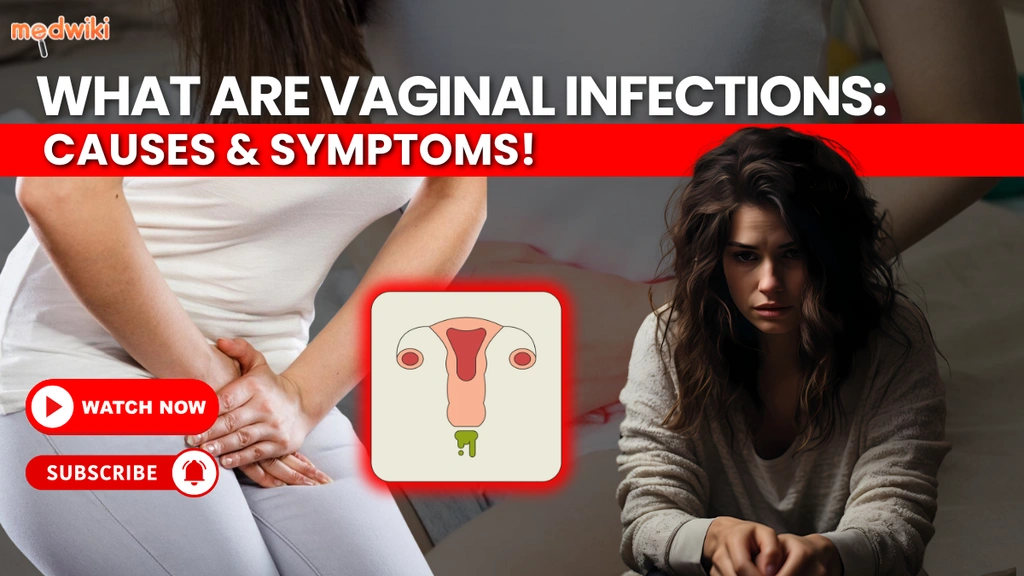
Sometimes, females experience itching, burning, swelling, or white discharge in their private areas. There can be many reasons for this, but one common reason is vaginitis.what vaginitis is.Vaginitis is an infection inside the vagina. It can cause burning, irritation, or swelling. If this infection affects not just the inside of the vagina but also the outer part (called the vulva), it is known as vulvovaginitis.Need more clarity about vaginitis ? Our trusted health assistant is here to help you on Ask Medwiki.Some of the main causes of vaginitis are:Infection caused by bacteria, yeast (fungus), or viruses.Certain bacteria, like Gardnerella vaginalis and Mycoplasma hominis, can lead to vaginitis.A type of yeast called Candida albicans is a common reason for yeast infections.Viruses like Herpes Simplex Virus (HSV) and Human Papillomavirus (HPV) can also cause vaginal infections.Using harmful products like scented soaps, sprays, detergents, and tight clothes. Avoid products with chemicals like parabens, phthalates, triclosan, sulfates (SLS/SLES), artificial fragrances, and propylene glycol.Hormonal changes, like a decrease in estrogen levels, can also lead to vaginitis.Now, let’s learn about the different types of vaginitis.Bacterial Vaginosis (BV): The vagina naturally has both good and bad bacteria. When the balance between them is disturbed, one type of bacteria may grow too much, leading to bacterial vaginosis.Yeast Infection (Candida Infection): The vagina contains a fungus called candida. It usually doesn’t cause harm, but if it grows too much, it can cause itching, burning, and white discharge.Trichomoniasis: This is an infection caused by a tiny parasite. It spreads through sexual contact. Its symptoms include foamy, yellow-green discharge and burning in the vagina.Viral Vaginitis: Certain viruses, like herpes or HPV, can cause vaginal infections. These infections spread through sexual contact and may cause painful sores in the vagina.Non-Infectious Vaginitis: Sometimes, vaginitis happens because of irritation caused by chemicals in soaps, detergents, or other harmful products.Vaginal Atrophy: When estrogen levels in the body drop, the vaginal skin becomes thinner and more sensitive. This condition is common after menopause or ovary removal surgery.Some common signs of vaginitis include:Changes in the color, smell, or amount of vaginal discharge.Itching, burning, swelling, or pain in the vagina.Burning sensation while urinating.Pain during sex.In some cases, mild fever or pain in the lower abdomen.When should you see a doctor?If you notice any of these symptoms, it is important to consult a doctor:If your vaginal discharge has an unusual color or smell.If you experience severe itching or burning in the vagina.If you feel pain during sex.Ignoring vaginal health issues can make things worse, so always take care of yourself.Source:- 1. https://www.nhsinform.scot/illnesses-and-conditions/sexual-and-reproductive/bacterial-vaginosis/2. https://www.nhs.uk/conditions/vaginitis/3. https://www.bupa.co.uk/health-information/womens-health/vaginal-infections4. https://www.nhs.uk/conditions/bacterial-vaginosis/5. https://www.nhs.uk/conditions/vaginal-discharge/
1:15
Vaginal gas, also known as vaginal flatus or queefing, occurs when air gets trapped in the vagina and is later released, causing a sound similar to passing gas. This is a common condition and usually does not pose any health risk, but it can cause embarrassment and affect quality of life.Still have questions about Vaginal Gas? Gettrustworthy answers from verified sources onAsk Medwiki.Causes of Vaginal Gas:Menstrual products: When objects like tampons, menstrual cups, or speculums (used in gynecological tests) are inserted into the vagina, air can get trapped and later released.Sexual Activity: During sex, the vagina expands and contracts, trapping air inside. When this air is released, it causes a sound like passing gas.Stretching Exercises: Exercises like yoga that stretch the pelvic area can trap air inside, which is then released when changing poses.Pelvic Floor Conditions: Conditions such as delivery, heavy weight, or aging can weaken pelvic muscles, increasing the risk of vaginal gas.Prevention and Management:In most cases, there is no need to do anything to prevent vaginal gas, as it does not pose any health risk or cause pain. However, if you want some tips, you can try the following:Squatting: Squatting while urinating can help release trapped air.Relaxing Techniques: If stress is causing the gas, deep breathing and relaxing can help.Avoid Certain Activities: Avoiding sexual activity and physical exercise can reduce the occurrence of vaginal gas. Using pads instead of tampons and menstrual cups can also help.Kegel Exercises: Strengthening pelvic muscles with Kegel exercises can reduce the likelihood of vaginal gas.When to See a Doctor:In some cases, vaginal gas can indicate a more serious condition. See a doctor if you experience any of the following along with vaginal gas:Pain or discomfortUnusual dischargeAny kind of smellBleeding or swellingIf you experience frequent vaginal gas without a common cause like sexual activity or stretching exercises, we recommend you to consult a doctor.Remember, while vaginal gas can be embarrassing, it is usually a natural and harmless condition.Source:- https://www.medicalnewstoday.com/articles/319558#contacting-a-doctor
1:15
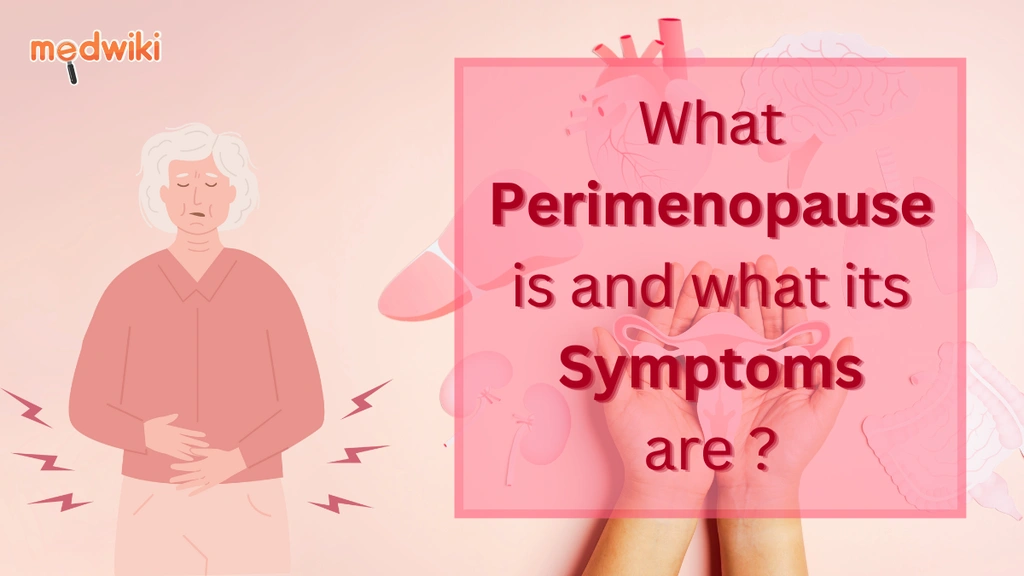
Today, let's talk about 6 simple home remedies to manage perimenopause. These can help you feel better and manage the changes in your body.1. Get Regular Exercise If you want relief from the symptoms of perimenopause, it’s really important to make exercise a part of your daily routine. Exercise helps balance your hormones, which reduces mood swings. It also helps to lower stress and anxiety, improving your mental health. Regular exercise can even reduce the chances of hot flashes. So, try to walk for 30 minutes every day or go for a light jog.2. Get Good Sleep During perimenopause, getting enough sleep helps both your body and mind relax. It keeps your hormones balanced, reduces irritability, and makes you feel less tired. It also speeds up your body’s healing process, helping you feel fresh throughout the day. Try to sleep and wake up at the same time every day to create a good sleep routine.3. Maintain a Healthy Weight Weight gain is a common problem during perimenopause. Gaining weight can make hot flashes and joint pain worse. So, it's important to eat a healthy diet with fiber, protein, and healthy fats. Avoid fried foods and too many sweets.4. Take Enough Calcium During perimenopause, your bones can become weaker. That's why it’s important to include calcium in your diet. Calcium helps strengthen your bones and reduces the risk of osteoporosis. It also helps keep your muscles strong. Eat calcium-rich foods like milk, yogurt, cheese, almonds, spinach, and broccoli.5. Ask Your Doctor About Multivitamins Sometimes, our diet doesn’t give us enough vitamins and minerals, and that’s where multivitamin supplements can help. During perimenopause, vitamins like D, B12, and iron can boost your energy and strengthen your immune system. You can consult with your doctor to see if you need these supplements.6. Reduce Stress It’s normal to feel stressed during perimenopause, but it’s really important to manage it. Reducing stress can help lessen hot flashes, anxiety, and sleepless nights. Try practicing yoga, meditation, and deep breathing exercises. Spending time with your family also helps you relax and feel supported.If you follow these tips, your journey through perimenopause will be much easier. And, please leave your thoughts in the comments below!Source:-1. https://www.nhs.uk/conditions/menopause/2. https://www.cuh.nhs.uk/rosie-hospital/menopause-and-perimenopause/signs-and-symptoms/3. https://www.nhs.uk/conditions/menopause/symptoms/4. https://www.webmd.com/menopause/guide-perimenopause5. https://www.webmd.com/menopause/ss/slideshow-signs-perimenopause
1:15
Are your periods becoming irregular? Do you sometimes experience mood swings?If yes, you might be going through perimenopause!what is perimenopauseIn simple words, perimenopause is the time when your body starts moving towards menopause. During this time, your ovaries (the part of your body that makes eggs) begin to produce less estrogen and progesterone hormones.This affects your periods the most. During perimenopause, your periods may come early, be late, or even stop suddenly!Still have questions about perimenopause? Get trustworthy answers from verified sources on Ask Medwiki.Now, the big question is, when does perimenopause begin?For most women, perimenopause starts around the age of 40, but it can begin as early as 30 for some women, and for others, it might start after 50.A big question women often have is: Can you get pregnant during perimenopause?The answer is – yes! As long as your periods haven’t completely stopped, it is still possible to get pregnant.Signs and Symptoms of Perimenopause.During perimenopause, your body can go through many changes, such as:Irregular periodsBleeding that’s sometimes heavy or very lightMood swings – you might feel very happy one moment and very sad the nextHot flashes – feeling suddenly very hotNight sweatsVaginal drynessFrequent need to urinateDifficulty sleeping or feeling very tiredThe changes in your body during perimenopause can also affect your mental health.Many women feel anxious, nervous, or even depressed. It’s also common to get angry over small things.If you’re feeling like this, talk to your family and, if needed, consult a doctor.Source:- 1. https://www.nhs.uk/conditions/menopause/2. https://www.cuh.nhs.uk/rosie-hospital/menopause-and-perimenopause/signs-and-symptoms/3. https://www.nhs.uk/conditions/menopause/symptoms/4. https://www.webmd.com/menopause/guide-perimenopause5. https://www.webmd.com/menopause/ss/slideshow-signs-perimenopause
1:15
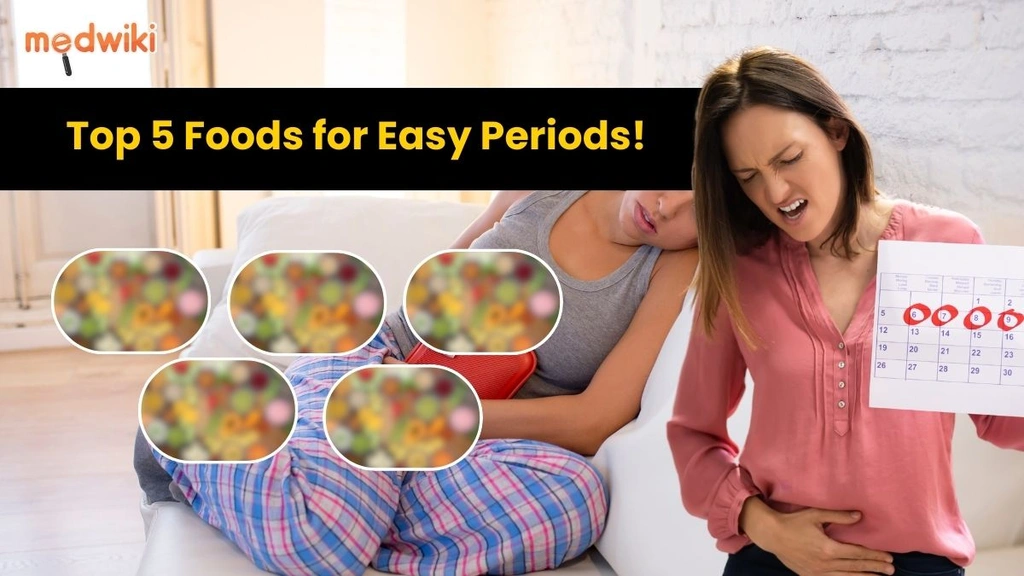
Hey there! Periods can be tough, but did you know that the right foods can help reduce pain and make you feel more energetic?5 Amazing Foods that Can Make your Periods Easier.1. Ginger – A Natural Pain RelieverThe first superfood on our list is ginger! It contains a compound called gingerol, which has anti-inflammatory properties. This helps reduce period pain and fight fatigue. If you’re dealing with cramps, try drinking ginger tea or boiling a small piece of ginger in water. It’s a simple and natural way to get relief!2. Turmeric – The Magic SpiceNext up is turmeric! It has a special compound called curcumin, which helps reduce inflammation and improve blood flow. Drinking turmeric milk can give you instant relief from period pain. If you don’t like milk, you can also mix turmeric in warm water and drink it. It works wonders!3. Jaggery – A Sweet and Healthy Energy BoosterDo you feel weak and tired during your periods? That’s because your body loses iron, which can lead to fatigue. Jaggery is a natural source of iron that helps increase hemoglobin levels and boosts energy. Just eating a small piece of jaggery every day can make a big difference!4. Coffee – A Quick Energy FixIf you feel lazy and have headaches during your periods, then coffee can help! It contains caffeine, which keeps you active and reduces headaches. But be careful—too much coffee can dehydrate you, so drink it in moderation!5. Amla – The Superfood for Your BodyAmla, also known as Indian gooseberry, is packed with Vitamin C, iron, and antioxidants. It helps reduce inflammation, improves blood circulation, and relaxes muscles to ease period cramps. You can eat it raw, drink amla juice, or add amla powder to your diet for the best results!Make Your Periods Easier!Next time you have your periods, try including these foods in your diet and feel the difference! Let us know in the comments which food you would like to try.Source:- 1. https://pmc.ncbi.nlm.nih.gov/articles/PMC8021506/2. https://pmc.ncbi.nlm.nih.gov/articles/PMC10935160/3. https://pubmed.ncbi.nlm.nih.gov/29526236/4. https://pmc.ncbi.nlm.nih.gov/articles/PMC4962155/5. https://pubmed.ncbi.nlm.nih.gov/37373663/
Shorts
How to Do Breast Cancer Self-Examination at Home?

Mrs. Prerna Trivedi
Nutritionist
Breast Cancer: Few Symptoms to know!
Mrs. Prerna Trivedi
Nutritionist
Dark Brown Vaginal Discharge?

Dr. Beauty Gupta
Doctor of Pharmacy

Yoga Asanas for Managing PCOD/PCOS!
Dr. Beauty Gupta
Doctor of Pharmacy

Know Us
@2026 Medwiki Pvt Ltd. All Rights Reserved