

1:15
White discharge from the vagina has become a common problem among women these days. It can be due to hormonal changes, infections, or other health issues.Still have questions about white discharge? Get trustworthy answers from verified sources on Ask Medwiki.4 simple Ways to Get Rid of white dischargeWear slightly loose cotton underwear. Wearing tight underwear can trap heat and moisture in the body, which can cause bacteria and yeast to grow in the vagina, worsening the problem of white discharge. Cotton fabric helps keep the area around the vagina dry and helps in air circulation.Maintain hygiene. Wash your vaginal area with water every day. Avoid using any soaps, deodorants, or sprays inside the vagina, as the chemicals in soaps can irritate the vagina and cause white discharge.Use vaginal creams/gels that contain curcumin or aloe vera. The compound curcumin found in turmeric as well as aloe vera has the anti-inflammatory and antifungal properties that help fight infections that can cause white discharge.Always use a condom during sex. Condoms protect against STIs, or sexually transmitted infections, which can cause white discharge. Regular screening for sexually transmitted infections can also help prevent white discharge.Follow these simple tips to get rid of your white discharge problem.Source:- 1. https://www.webmd.com/women/vaginal-discharge-whats-abnormal2. https://my.clevelandclinic.org/health/symptoms/4719-vaginal-discharge3. https://www.nhs.uk/conditions/vaginal-discharge/4. https://www.nhs.uk/conditions/vaginitis/5. https://www.nhsinform.scot/illnesses-and-conditions/sexual-and-reproductive/vaginal-discharge/
1:15
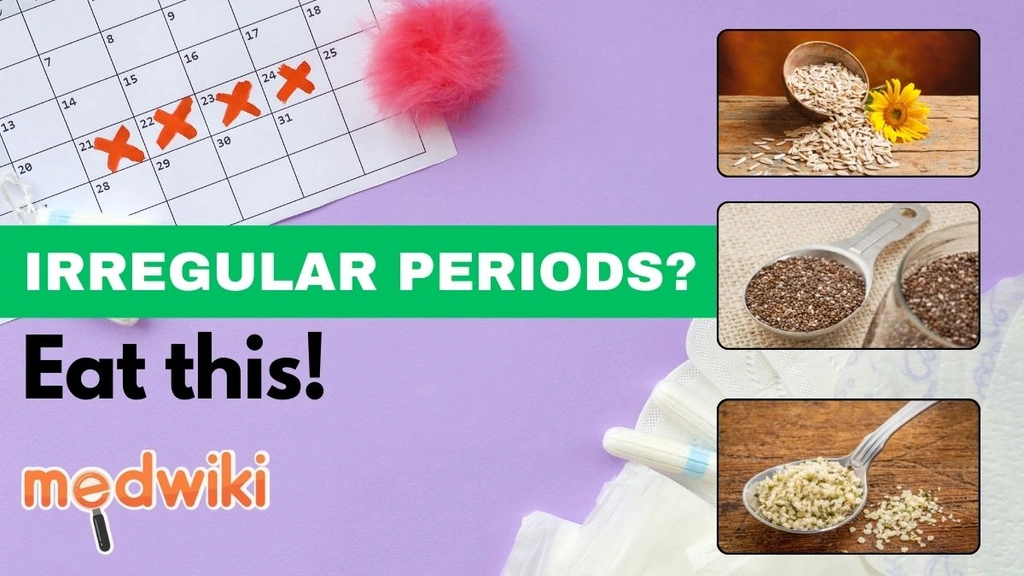
Do your periods not come on time? Or when they do, are they very late, or do you have light spotting for many days? Irregular periods are a problem for about 30% of women in their fertile years.Today, we will tell you about a simple diet change that you can follow every month to help make your periods regular.You need to eat 4 different seeds: flax seeds, sunflower seeds, sesame seeds, and pumpkin seeds. Eating these seeds on different days of your menstrual cycle can be very helpful. Now, let’s see which seeds to eat and when.Your period cycle has two parts:Follicular phase (day 1-14)Luteal phase (day 15-28)In the follicular phase, you should eat flax seeds and pumpkin seeds. For the whole 14 days, you can eat 1-2 tablespoons of these seeds in different ways—like mixing them in yogurt, smoothies, oats, or even in laddus.Flax seeds have lignans that act like estrogen in the body and help balance hormone levels. Pumpkin seeds help produce progesterone, which lowers androgen levels and prevents problems like PCOS.In the luteal phase, you should eat sesame seeds and sunflower seeds. You can eat 1-2 tablespoons of these seeds every day by mixing them in protein bars, fruit salads, soups, or yogurt.Sunflower seeds have vitamin E, which increases progesterone levels and also helps improve fertility. It also reduces PMS (Premenstrual Syndrome) symptoms.Sesame seeds have compounds that balance both estrogen and progesterone levels. This helps keep hormones balanced and periods regular.So, add these seeds to your diet and say goodbye to irregular periods!Source:-1. https://www.ncbi.nlm.nih.gov/pmc/articles/PMC10261760/ 2. https://www.researchgate.net/publication/369913915_Advantages_of_seed_cycling_diet_in_menstrual_dysfunctions_A_review_based_explanation
1:15
Periods often come with their own set of surprises, and for many people, the emotional changes can be the hardest part to manage. Among these changes,mood swings during periods stand out as one of the most confusing and exhausting experiences. They appear suddenly, stay for unpredictable stretches of time, and affect everything from self confidence to relationships to daily productivity. Even though this is a very common experience, many people still find themselves blaming their personality instead of their biology.This blog explores why these emotional shifts occur, how they show up in everyday life, and what practical steps can help bring stability. Whether someone is dealing with these changes personally or wants to support someone else, deeper understanding always makes the journey easier.Why Do Emotions Change Before and During the Cycle?Hormones do not just control physical functions, they shape emotional patterns too. Before the period starts, the level of estrogen drops whileprogesterone rises, and this change affects the chemicals in the brain that regulate mood. As the cycle continues, these hormones continue shifting, which is whymood swings during periods often feel unpredictable.These hormonal changes influenceserotonin, the chemical that helps with happiness and calmness. When serotonin levels drop, irritation grows quickly and small things feel heavier than they normally would. Fatigue, cravings, and body aches further add to emotional discomfort. When someone feels physically drained, emotional resilience naturally lowers as well.How Mood Changes Feel in Everyday Life?Not everyone experiences the same emotional pattern, but many people describe a few common signs connected tomood swings during periods. These signs might appear a few days before the cycle begins or continue throughout the first few days of bleeding.Some of the common emotional experiences include:Difficulty concentratingGetting irritated quicklyA sudden drop in motivationFeeling disconnected or withdrawnOversensitivity to comments or situationsA sense of emotional heaviness or sadnessFeeling upset or teary without a clear reasonThe intensity can vary from mild to overwhelming. Some people feel only a slight shift while others feel a powerful wave of emotions that makes normal tasks harder to manage.The Psychological Side People Often IgnoreWhat makesmood swings during periods even more complicated is the way society talks about them. Many people are taught to hide their emotions or avoid discussing their cycle openly. As a result, when someone experiences strong feelings, they may think they are being dramatic or weak, when in reality they are going through a biological shift that deserves understanding.This silence can lead to guilt or shame. Instead of seeing the emotions as part of a natural cycle, people blame themselves and push through without support. Over time, this pattern creates emotional exhaustion. A healthier approach is acknowledging the emotional shift without judging it. Emotional changes are not a character flaw. They are a natural reaction to a changing internal chemistry.Signs That Emotional Changes May Be More Than HormonalMost emotional shifts connected to the cycle are normal. However, there are cases where the changes feel too heavy or life disturbing. For example, some individuals experience conditions like PMS or the more severe PMDD. These conditions create extreme mood changes that affect work, studies, relationships, and daily functioning.It is important to seek support if someone notices:Long lasting sadnessThoughts of self harmFeelings of hopelessnessAnger that feels uncontrollableFrequent emotional breakdownsComplete disinterest in daily activitiesSudden withdrawal from family or friendsThese experiences are not justmood swings during periods, they may require medical attention and emotional support. Recognizing the difference between typical cycle related changes and more intense emotional struggles is very important for long term well being.Practical Ways to Manage Emotional ChangesEven though the emotional shift is caused by biology, there are practical steps that can help bring balance and reduce the intensity ofmood swings during periods.1. Listening to the Body Instead of Fighting ItInstead of forcing productivity, it helps to slow down when the body signals exhaustion. Resting is not a sign of laziness. It is part of recovery. Even a small break or quiet moment can reduce emotional overload.2. Eating in a Way That Supports Hormonal BalanceCertain foods help stabilize mood by supporting serotonin production and reducing inflammation. Some helpful options include:Nuts and seeds for healthy fatsLean proteins for steady energyFruits and vegetables for energyWhole grains for stable blood sugarDark chocolate for a natural mood boostAvoiding too muchcaffeine or sugary snacks prevents sudden crashes that worsen irritation.3. Staying HydratedWater sounds simple, but dehydration often increases headaches and fatigue, making emotions feel heavier than they are.4. Gentle MovementIntense workouts may not always feel possible, but gentle activities can help. For example:WalkingStretchingLight yogaSlow dancing in your room just for relaxationMovement releases natural chemicals that improve mood and reduce cramps.5. Handling Stress Before It Builds UpStress andmood swings during periods multiply each other. Practicing even small stress release habits can make a big difference.Some helpful practices are:Deep breathingSpending time outdoorsListening to calming musicWriting thoughts in a simple journalSharing feelings with someone trustedNone of these activities need perfection, they just need consistency.6. Creating Emotional BoundariesOn difficult days, it helps to be mindful of what situations or conversations can be avoided. Saying no without guilt protects emotional energy. It is perfectly valid to protect space when the mind feels fragile.7. Tracking the Emotional PatternUsing a diary or a phone app to mark emotional changes can reveal patterns. Knowing whenmood swings during periods usually appear makes them less surprising and easier to manage. Predictability brings a sense of control.Supporting Someone Who Goes Through These ChangesPeople experiencing cycle related emotional shifts need understanding, not dismissal. Supporting someone going throughmood swings during periods means offering patience and compassion instead of judgment. Simple acts can make a big difference.Supportive actions include:Encouraging restRespecting emotional spaceListening without interruptingOffering help with small tasksAllowing them to express feelings without pressureAvoiding dismissive comments like it is just your periodSupport is most effective when it feels genuine. A calm presence can help someone feel safe even when emotions feel overwhelming.How to Create a Positive Environment During the Cycle?The emotional environment matters as much as the physical condition. A peaceful space can lessen the emotional wave. Creating a comforting environment does not require expensive changes. A few small adjustments can transform the mood.Try things like:Clean beddingA relaxing fragranceComfortable clothesSoft lighting in the roomFavorite music or quiet background soundsThese simple comfort elements help someone feel grounded and emotionally supported.When Emotions Turn Into Growth?Interestingly, the emotional changes that happen during the cycle can also become opportunities for self understanding. Many people notice that during this time, their emotional sensitivity increases. This sensitivity is not a weakness. It can help someone understand what has been stressing them, what they have been ignoring, or what they truly need.By observing the emotions without judgment, people often discover:Hidden forms of stressUnspoken emotional needsAreas of life that require changePersonal boundaries they want to strengthenThe emotional wave becomes a teacher, not just a challenge.ConclusionExperiencingmood swings during periods is not about being emotional or dramatic. It is about navigating a natural change happening inside the body. Understanding these changes rather than judging them leads to a healthier relationship with both the mind and the body. Emotional shifts do not define strength or weakness. They simply reflect a biological rhythm that deserves compassion and support. When people understand their own emotional cycle, they gain confidence. When others respect these emotional needs, relationships become stronger. And when society normalizes these experiences, people feel less alone.Periods are not just a physical cycle. They are an emotional journey that deserves patience, understanding, and care. The more openly we talk about it, the easier the journey becomes for everyone who experiences it. FollowMedwikifor more!Frequently Asked Questions1. Why do mood swings happen during the menstrual cycle?Mood swings appear because the body goes through hormonal changes, especially shifts in estrogen and progesterone. These changes affect serotonin, which plays a major role in emotional balance.2. Are mood swings the same for everyone?No, every person experiences them differently. Some may feel mild irritation while others deal with strong emotional fluctuations. Lifestyle, stress, and overall health also influence the intensity.3. How long do mood swings usually last?They commonly show up a few days before the period begins and may continue for the first couple of days of bleeding. The duration varies from person to person.4. Can diet influence mood changes?Yes, diet has a noticeable impact on emotional stability. Nutrient rich foods help maintain steady energy and balanced hormones, which reduces sudden emotional shifts.5. When should someone seek medical advice?Medical help is important if emotional changes feel overwhelming, interfere with daily functioning, or lead to extreme sadness or harmful thoughts.6. Can exercise reduce emotional discomfort?Gentle physical activity can help reduce mood related discomfort. Movement such as walking or stretching releases natural chemicals that help improve mood.7. Is it normal to feel more sensitive or emotional?Yes, increased sensitivity is completely normal during this time. It is simply the body reacting to hormonal changes and does not reflect emotional weakness.DisclaimerThis information is meant for general awareness only and should not replace professional medical advice or treatment. Anyone experiencing severe emotional symptoms or discomfort should consult a qualified healthcare expert for proper guidance.

1:15
Did you know that 1 in 22 urban women in India could develop breast cancer in their lifetime? But you can start doing something about it right now—by performing a self-breast examination at home. It’s simple, quick, and could save your life.Here’s how to do a detailed self-breast examination:Choose the Right Time: Aim to do this check a few days after your period ends when your breasts are less tender. If you're post-menopausal, pick a specific day each month.Look in the Mirror: Stand in front of a mirror and check for any changes in your breast shape or size. Look for things like skin changes, dimples, redness, or swelling.Raise Your Arms: Next, raise both arms over your head and check if there are any changes in your breasts when your arms are up. If you see something different, it’s a good idea to see a doctor.Feel for Lumps: Use your fingers to gently press all over your breasts. Move in small circles, starting from the outer part and working toward the nipple. Apply different pressure levels to the areas around the nipples and collarbones. Look for any lumps or thickened skin.Check the Nipples: Squeeze each nipple gently to see if any unusual fluid comes out. If you notice blood or any strange discharge, see a doctor right away.Don’t Forget the Underarms: Check your armpits too, because breast tissue extends into this area. If you feel any changes, it’s important to get it checked.If you find something unusual, don’t hesitate to talk to a doctor. Early detection can make a big difference.Keep yourself informed, stay safe, and take care of your health.Source:-1. https://cancerindia.org.in/breast-cancer/ 2. https://www.indiancancersociety.org/breast-cancer/index.html

1:15
Many women in India experience issues like irregular periods, weight gain, and hormone imbalances because of PCOD/PCOS. But what if I told you that there are easy, natural ways to manage these problems?5 natural ways to manage PCOD/PCOS:Moringa Leaves: They can help balance your hormones and reduce insulin resistance, which is a common cause of PCOS. Studies show that it can lower blood sugar by up to 25% caused by PCOS. You can add moringa powder to smoothies or tea for a healthy boost.Spearmint Tea: Looking for something soothing? Spearmint tea may help reduce high testosterone levels in women with PCOS. High testosterone can cause acne, unwanted hair, and irregular periods. Drinking two cups of spearmint tea daily can reduce these symptoms by 40–50%, making it a simple but effective solution.Apple Cider Vinegar: You’ve probably heard that apple cider vinegar is beneficial for weight loss, but did you know it can help with PCOS too? Studies show that it can improve insulin sensitivity by up to 34%, which helps with managing weight and hormone balance.Ashwagandha: Feeling stressed? Ashwagandha is an herb from Ayurveda that can help with that. It reduces stress by lowering cortisol levels, which are often high in women with PCOS.Fenugreek Seeds: Fenugreek seeds are not only used in cooking but can also help with PCOS. Soaking Fenugreek seeds overnight and eating them in the morning can lower blood sugar levels and make your menstrual cycle more regular.Bonus Tip: Cinnamon Here’s a bonus! Cinnamon is a common spice that can help with PCOS. It helps regulate periods, balance hormones, and lower insulin resistance. Adding just a teaspoon to your tea or oats can make a big difference.By adding these natural remedies to your daily routine, you can reduce the PCOD & PCOS symptoms. Have you tried any of these remedies? If not, maybe now is a good time to start!Source:-1. https://pmc.ncbi.nlm.nih.gov/articles/PMC9745082/ 2. https://pubmed.ncbi.nlm.nih.gov/23666047/ 3. https://pib.gov.in/Pressreleaseshare.aspx?PRID=1893279
1:15
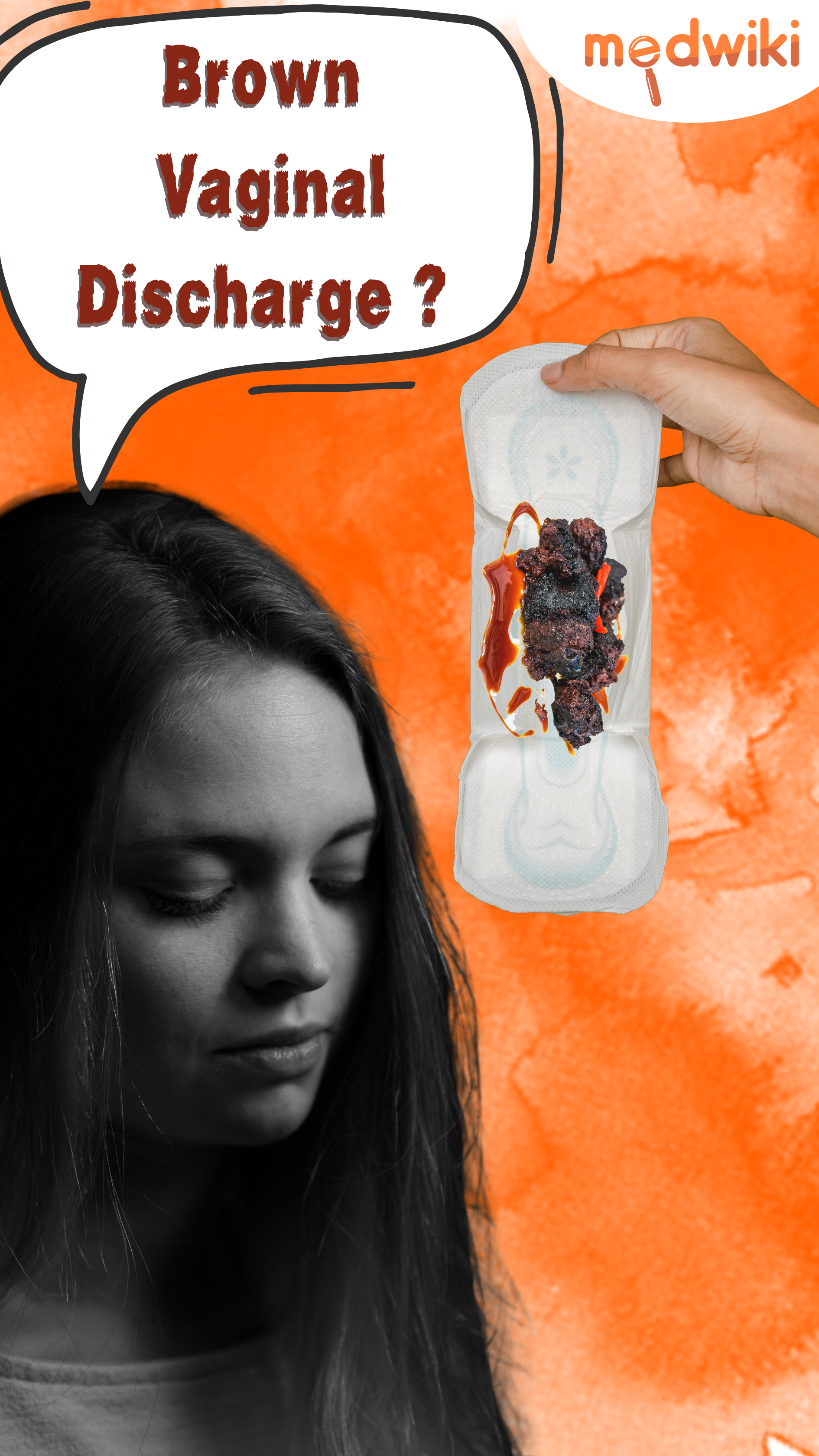
Reasons for Excess Vaginal Discharge: Normal or Problematic?Sudden increases in vaginal discharge can happen for many reasons, some of which are completely normal, while others may indicate a medical issue. Let’s discuss the reasons why you might experience more white discharge.Unsure about something you read about Vaginal Discharge ? Ask your health question on Ask Medwiki a trusted source for reliable information.Normal Reasons for Vaginal Discharge:Ovulation: During ovulation, which occurs about 12-15 days before your period, your ovaries release eggs for fertilization. At this time, it's common to have more vaginal discharge. This white discharge is clear and stretchy, similar to egg whites. It helps sperm move and aids in fertilization.Pregnancy: During pregnancy, hormonal changes lead to increased white discharge, and this can continue throughout the pregnancy. This discharge is usually clear and white.Sexual Arousal: When you're sexually aroused, you may notice a watery white discharge that acts as lubrication.Hormonal Birth Control: Using hormonal birth control methods like implants or IUDs can cause an increase in thick white discharge.Medical Reasons to Watch Out For Vaginal Discharge:Yeast Infection: If you have a vaginal yeast infection, the discharge may become thick, white, and clumpy, resembling cottage cheese. It is usually accompanied by vaginal itching and irritation.Bacterial Vaginosis: In this condition, the balance of bacteria in the vagina gets disrupted, and you may notice a smelly, light grey discharge.Sexually Transmitted Infections (STIs): STIs such as gonorrhea or syphilis can increase vaginal discharge and cause a distinct odor.Antibiotics or Other Medications: Sometimes, taking antibiotics can upset the balance of vaginal bacteria, leading to increased white discharge and infections.When to See a Doctor:If your vaginal discharge is clear and normal, there's usually nothing to worry about. However, if the discharge has a bad smell or unusual color, it’s best to consult a doctor.Source:-1. https://www.nhs.uk/conditions/vaginal-discharge/ 2. https://www.healthdirect.gov.au/vaginal-discharge

1:15
Menopause is a stage of every woman's life that marks the end of her reproductive years. At this time, women start thinking about “How to deal with Menopause”?Most women experience Menopause naturally between 45 and 55 years of age. However, it is not predictable when each woman will reach menopause.Why deal with Menopause, when it is natural?This stage brings a major change in a woman's life. The hormonal changes associated with Menopause affects all aspects of her health: physical, emotional, mental, and social well-being.However, some may face very less symptoms while the others suffer more.What Menopause symptoms does she need to deal with?Hot flushes and night sweats.Changes in the regularity and flow of menstrual cycleVaginal dryness and pain during sexual intercourseDifficulty in sleepingChanges in mood: depression, anxiety, etc.Other than these typical changes, researches have proved that menopause has a connection to brain health leading towards Dementia and Alzheimer's Disease.5 ideas to deal with Menopause:Dealing with Menopause can be a concern, but preparing ahead can make it easy.Talk with your doctor: Discuss your symptoms like hot flashes, sleep, changes in sexual function and mental health with your doctor. And ask for treatment if applicable.Ask your doctor: For screening of Osteoporosis and how to get enough calcium to help keep bones healthy and prevent fractures.Every two months get a mammogram done, between ages 50 and 74. Ask your doctor about other recommended screenings based on your age and health.Eat healthy and be physically active to avoid serious risk of cardiovascular disease after menopause.Spend time with friends and engage yourself in activities that you enjoy.Many times, we do not know that, symptoms that we are experiencing are related to menopause. So, if you are thinking about facing menopause, such ideas from Mediwki can help alleviate your discomfort.Source:-1. https://medsafe.govt.nz/profs/datasheet/p/primolutntab.pdf 2. https://www.ncbi.nlm.nih.gov/pmc/articles/PMC1127384/

1:15
There's a wedding at home, and my period is about to start. I’ll take medicine to delay the periods, and the date will move forward. Are you thinking the same?Everyone does this, but before taking medicine to delay your periods, make sure to consider these points, or it could be dangerous for you.women should avoid taking Primolut N or any medicine to delay their period date:If you’ve had a stroke or blood clot before: Primolut N or other medicines to delay periods contain norethisterone, a synthetic form of progestogen. This hormone converts to estrogen in the body. Estrogen increases the production of proteins in the liver that cause blood clots, which could lead to strokes or other blood clot problems.If you have liver problems: These medicines contain norethisterone or synthetic progestogen, and the liver is responsible for metabolizing hormones like progesterone and estrogen. Taking these medicines increases the progestogen level in the body, which puts stress on the liver and may worsen liver conditions.If you have high blood pressure: The norethisterone hormone in period-delaying medicine causes your blood vessels to narrow and helps your body retain sodium and water, which can lead to a rise in blood pressure.If you have any form of cancer: If you have cancer, such as breast or endometrial cancer, these medicines increase the progestogen level in your body, which can promote the growth of cancer cells, raising the risk further.If you’re pregnant or breastfeeding: In such cases, the medicine can pass through your blood into your breast milk and reach your baby, which may not be safe for them.So, if you have any of these health conditions, avoid taking medicine to delay your periods. And if you’ve already taken it by mistake, consult your doctor immediately.Source:-1. https://medsafe.govt.nz/profs/datasheet/p/primolutntab.pdf 2. https://www.ncbi.nlm.nih.gov/pmc/articles/PMC1127384/
Shorts
How to Do Breast Cancer Self-Examination at Home?

Mrs. Prerna Trivedi
Nutritionist
Breast Cancer: Few Symptoms to know!
Mrs. Prerna Trivedi
Nutritionist
Dark Brown Vaginal Discharge?

Dr. Beauty Gupta
Doctor of Pharmacy

Yoga Asanas for Managing PCOD/PCOS!
Dr. Beauty Gupta
Doctor of Pharmacy

Know Us
@2026 Medwiki Pvt Ltd. All Rights Reserved