

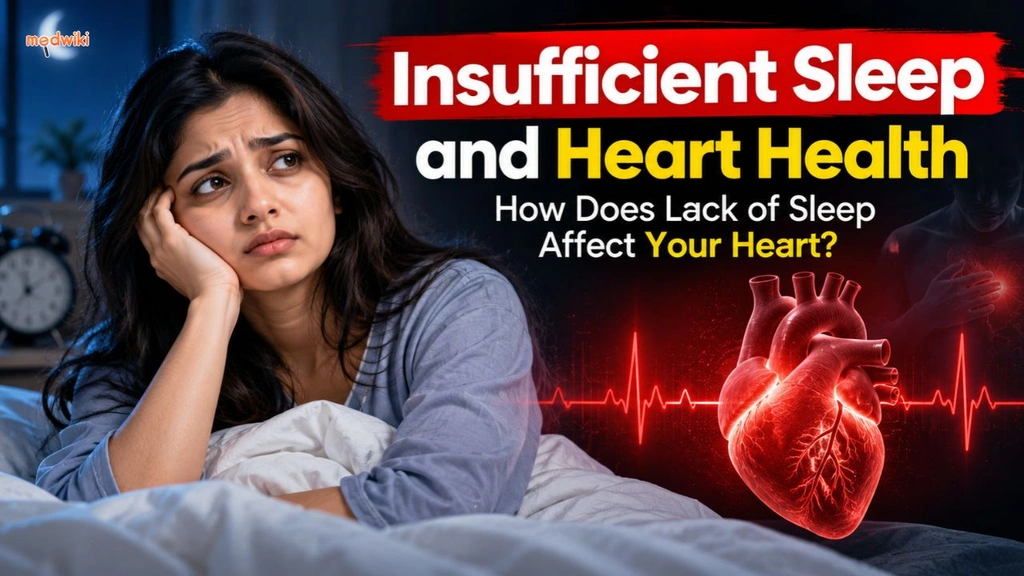
1:15
Ever wake up after a short night of sleep and feel like your whole body is struggling to catch up? You may notice sleepiness,low energy, trouble focusing, or even feel more stressed than usual. But getting too little sleep does more than make you tired it can also affect your heart and blood vessels.Sleep gives your body time to rest, repair, and regulate important processes such as blood pressure and heart rate. When you regularly get less sleep than your body needs, these processes can be affected over time. This is why understanding the effects of insufficient sleep can be an important part of protecting your overall and cardiovascular health.How Much Sleep Do Adults Need?Sleep needs can vary from person to person, but most adults generally need around7 to 9hours of sleep each night. Regularly getting less than 7 hours may mean your body is not getting enough time to complete the different stages of sleep that support physical and mental health.Occasionally sleeping less than usual is usually not a major concern. The bigger issue is when short sleep becomes a regular habit. Consistently getting less than 6 hours of sleep may be particularly concerning because prolonged sleep deprivation can affect several systems in the body, including the cardiovascular system.How Does Lack of Sleep Affect the Heart?Your heart does not work in isolation. It is closely connected with your nervous system, blood vessels, hormones, and blood pressure. Duringhealthy sleep, your body gets a chance to slow down and recover from the demands of the day.When sleep is consistently restricted, the body may remain in a more activated state. This can contribute to changes in heart rate, blood pressure, stress hormones, and inflammation. Over time, these changes may increase cardiovascular strain.Some common sleep deprivation effects that may influence heart health include:Higher blood pressure: Poor sleep can interfere with the normal nighttime reduction in blood pressure.Increased stress: Lack of sleep may increase stress and make it harder to manage everyday pressure.Changes in metabolism: Insufficient sleep can affect how the body regulates glucose and energy.Inflammation: Ongoing sleep deprivation may be associated with increased inflammatory activity.Weight-related changes: Poor sleep can affect appetite and eating patterns, which may indirectly influence heart health.Can Sleep Deprivation Increase Blood Pressure?Blood pressure naturally changes throughout the day and usually decreases during sleep. This nighttime reduction gives the cardiovascular system a chance to rest.When you regularly do not get enough sleep, this pattern may be disrupted. Sleep deprivation and blood pressure can therefore be closely connected, particularly when short sleep occurs over a long period.People who already have hypertension may also benefit from paying attention to their sleep habits. If blood pressure remains high despite healthy lifestyle changes, a healthcare professional can help identify whether poor sleep, medications, stress, or another underlying condition could be contributing.Is Less Than 6 Hours of Sleep Bad for Heart Health?Getting less than 6 hours of sleep occasionally does not automatically mean you will develop heart disease. However, regularly sleeping this little can be a sign that your body is not getting enough recovery time.Chronic sleep deprivation may contribute to several factors associated with cardiovascular disease, including high blood pressure, metabolic changes, stress, and inflammation. The overall pattern matters more than one night of poor sleep.If you regularly sleep for less than 6 hours and feel tired during the day, it may be worth looking at what is affecting your sleep. Your schedule, stress, caffeine intake, insomnia, or an underlying sleep disorder could all play a role.Can Insomnia Affect Heart Health?Insomnia involves difficulty falling asleep, staying asleep, or getting enough restful sleep. When it happens regularly, it can leave you feeling tired even after spending several hours in bed.Persistent insomnia can also contribute to stress and may interfere with healthy sleep patterns. Because sleep and cardiovascular health are closely connected, long-term sleep problems should not simply be ignored.If you frequently struggle to sleep or wake up repeatedly during the night, discussing the problem with a healthcare professional can help identify possible causes and appropriate treatment.What About Sleep Apnea and Heart Health?Sleep apneais a condition in which breathing repeatedly becomes interrupted during sleep. These interruptions can reduce sleep quality and cause repeated changes in oxygen levels and the body's normal sleep cycle.Because sleep apnea can affect blood pressure and place additional stress on the cardiovascular system, untreated sleep apnea may be an important concern for people with heart-related risk factors.Possible warning signs include:Loud or frequent snoringWaking up feeling unrefreshedExcessive daytime sleepinessMorning headachesGasping or choking sensations during sleepIf these symptoms occur regularly, a healthcare professional can determine whether further evaluation for sleep apnea is appropriate.Can Caffeine Affect Sleep?Caffeine can make you feel more alert, which is why many people use coffee, tea, energy drinks, or other caffeinated beverages when they are tired. However, consuming caffeine too close to bedtime may make it harder to fall asleep or reduce sleep quality.If you are already struggling with insufficient sleep, consider paying attention to when you consume caffeine. Reducing caffeine later in the day may help some people sleep more comfortably.However, caffeine is not always the reason for poor sleep. If sleep problems continue despite changing your habits, another cause may need to be considered.How Can You Improve Sleep for Better Heart Health?Improving sleep does not necessarily require making major changes all at once. Small, consistent habits can make it easier to develop a healthier sleep routine.Try to:Keep a regular sleep and wake time, even on weekends when possible.Create a relaxing bedtime routine to help your body prepare for sleep.Keep your bedroom comfortable, quiet, and suitable for sleeping.Limit caffeine later in the day if it interferes with your sleep.Avoid using electronic devices right before bed if they keep you alert.Stay physically active during the day while avoiding intense activity immediately before bedtime if it disrupts your sleep.Pay attention to persistent sleep problems instead of relying only on caffeine to stay awake.These habits can support better sleep, but they cannot replace medical evaluation when an underlying sleep disorder or health condition is present.When Should You Talk to a Doctor About Poor Sleep?Occasional poor sleep is common, but ongoing problems deserve more attention. Consider speaking with a healthcare professional if:You regularly get less than 7 hours of sleep despite having enough time to sleep.You frequently feel extremely sleepy during the day.You have persistent insomnia or difficulty staying asleep.You snore loudly or experience interrupted breathing during sleep.You have high blood pressure along with ongoing sleep problems.Poor sleep is affecting your concentration, mood, or daily activities.A healthcare professional can help determine whether lifestyle factors, stress, insomnia, sleep apnea, medications, or another condition may be affecting your sleep.ConclusionGetting enough sleep is not just about waking u p feeling refreshed. Healthy sleep supports many important processes in the body, including those that help regulate blood pressure, stress, metabolism, and cardiovascular function. Regular sleep deprivation may therefore have consequences for heart health over time.If you occasionally have a short night, there is usually no need to panic. But if insufficient sleep has become part of your everyday routine, it is worth taking a closer look at your sleep habits and overall health. Better sleep, along with a balanced diet, regular physical activity, stress management, and appropriate medical care, can all contribute to better heart health.Frequently Asked Questions1. How much sleep do adults need for good heart health?Adults generally need around 7–9 hours of sleep each night. Regularly getting less sleep may increase the risk of high blood pressure and other cardiovascular problems.2. Can lack of sleep raise blood pressure?Yes. Poor or insufficient sleep can affect the body’s stress response and may contribute to higher blood pressure, especially when sleep problems continue over time.3. Can sleep deprivation increase the risk of heart disease?Regular sleep deprivation is associated with a higher risk of heart disease. Sleep supports healthy blood pressure, metabolism, and other processes that are important for cardiovascular health.4. Is sleeping less than 6 hours harmful?Frequently sleeping for less than 6 hours may be linked with several health risks, including cardiovascular problems. An occasional short night is usually less concerning than a persistent pattern.5. Can insomnia affect heart health?Long-term insomnia may affect heart health by disrupting normal sleep and increasing stress on the body. Treating ongoing insomnia can help support better overall health.6. Can sleep apnea affect the heart?Yes. Sleep apnea can repeatedly interrupt breathing during sleep and is associated with high blood pressure and an increased risk of cardiovascular problems.7. Can stress cause poor sleep and affect the heart?Ongoing stress can make it harder to sleep and may keep the body in a heightened state of alertness. Over time, this can contribute to factors that affect cardiovascular health.

1:15
Have you ever noticed a sharp or uncomfortable feeling in your chest that becomes worse when you take a deep breath?Chest pain when breathing can happen for several reasons, ranging from muscle strain and inflammation to infections affecting the lungs. In some cases, however, pain that occurs with breathing can be linked to a serious lung or heart-related problem.The location, type and duration of the pain, along with other symptoms such as coughing, fever or shortness of breath, can provide useful clues about its possible cause. Understanding these symptoms can help you know when monitoring may be appropriate and when medical attention is needed.What Does It Mean When Your Chest Hurts While Breathing? Understanding the PleuraChest pain that gets worse when you breathe in, especially during a deep breath, can have several causes. It may feel sharp, stabbing or aching and can become more noticeable when you cough, sneeze or move your upper body. This type of pain is sometimes calledpleuritic chest pain.Thepleura are thin layers of tissue surrounding the lungs and lining the inside of the chest. They normally move smoothly as the lungs expand and contract. When the pleura become irritated or inflamed, breathing can become painful. This inflammation is known aspleurisy.However, chest pain when breathing is not always caused by pleurisy or a lung problem. Muscle strain, inflammation of the rib cartilage, chest infections and other conditions can also cause similar discomfort. Other symptoms, such as fever, cough, wheezing or shortness of breath, can provide important clues about the underlying cause.What Causes Chest Pain When Breathing?There are many possiblecauses of chest pain when breathing. Some are relatively common, while others require prompt medical assessment.PleurisyPleurisy occurs when the pleura becomesinflamed. It can cause sharp chest pain that gets worse when taking a deep breath, coughing or sneezing.Pleurisy may occur alongside respiratory infections or other inflammatory conditions. Treatment depends on the underlying cause.Chest InfectionAchest infection can affect the airways or lungs and may cause coughing, mucus production, fever, tiredness and discomfort in the chest.If inflammation or repeated coughing irritates the chest tissues, you may noticepain while inhaling or coughing.PneumoniaPneumonia is an infection that causes inflammation in the lungs. Symptoms can include cough, fever, chills, tiredness and difficulty breathing.Some people with pneumonia may experience chest pain that becomes worse with deep breathing or coughing, particularly when inflammation affects tissues around the lungs.Pneumonia can sometimes become serious, especially in young children, older adults and people with certain underlying health conditions. Medical evaluation is important when pneumonia is suspected.AsthmaAsthma causes inflammation and narrowing of the airways, which can lead to wheezing, coughing, breathing difficulty and chest tightness.Some people may describe chest discomfort or pain during an asthma flare-up. However, new or unexplained chest pain should not automatically be attributed to asthma.CostochondritisCostochondritis is inflammation of the cartilage connecting the ribs to the breastbone.It can cause pain or tenderness in the front of the chest. The discomfort may become worse with deep breathing, coughing, certain movements or pressure over the affected area.Although costochondritis is generally not dangerous, chest pain should still be assessed when its cause is uncertain.Muscle StrainThe muscles between and around the ribs are involved in breathing. Straining these muscles through exercise, lifting, coughing or sudden movements can cause chest discomfort.Muscle-related pain may become more noticeable when taking a deep breath or moving the upper body.GERDGastroesophageal reflux disease(GERD) occurs when stomach contents repeatedly flow back into the oesophagus.GERD commonly causes burning discomfort behind the breastbone, particularly after meals or when lying down. Although reflux-related discomfort can sometimes be confused with chest pain from other causes, it does not usually cause classic pleuritic pain.Because chest pain can have several possible causes, it is important not to assume that reflux is responsible without appropriate assessment.Pulmonary EmbolismApulmonary embolism occurs when a blood clot blocks a blood vessel supplying the lungs.It can cause sudden chest pain that may become worse with deep breathing, along with shortness of breath, rapid heartbeat, dizziness or coughing. Some people may also cough up blood.A pulmonary embolism can be life-threatening and requires urgent medical treatment.PneumothoraxApneumothorax, sometimes called a collapsed lung, occurs when air enters the space between the lung and chest wall.It can cause sudden chest pain and shortness of breath. The pain may become worse with breathing. A sudden onset of significant chest pain or breathing difficulty requires urgent medical evaluation.What Symptoms Can Occur With Chest Pain While Breathing?The symptoms accompanying chest pain can vary depending on its cause.You may experience:Sharp or stabbing chest painPain when taking a deep breathPain that worsens with coughing or sneezingChest tightnessShortness of breathCoughFever or chillsWheezingFatigueRapid heartbeatTenderness in the chestDifficulty taking a deep breathThe combination of symptoms can help a healthcare professional determine which tests or examinations may be appropriate.When Is Chest Pain While Breathing an Emergency?Not every episode of breathing-related chest pain is an emergency, but certain symptoms require immediate medical attention.Seek emergency medical help if chest pain is:Sudden or severeAccompanied by significant difficulty breathingAssociated with fainting or severe dizzinessAccompanied by coughing up bloodAssociated with a very fast or irregular heartbeatAccompanied by blue or grey lips or skinAssociated with sudden weakness or confusionGetting rapidly worseSudden chest pain and breathing problems can sometimes indicate a serious heart or lung condition. It is safer to seek urgent assessment rather than attempting to diagnose the cause yourself.How Is the Cause of Chest Pain Diagnosed?A healthcare professional will usually consider yoursymptoms, medical history and physical examination before deciding whether further testing is needed. They may ask when the chest pain started, where you feel it, whether it becomes worse with deep breathing or movement, and whether you have other symptoms such as cough, fever, wheezing or shortness of breath.Depending on the suspected cause, tests may include:Physical examination: A doctor may listen to your lungs and check for areas of chest tenderness.Chest X-ray: This can help identify certain lung infections, inflammation or other abnormalities.Electrocardiogram (ECG): An ECG records the heart's electrical activity and may be used when a heart-related cause is possible.Blood tests: Certain blood tests can provide information about infection, inflammation or other conditions.Other imaging tests: CT scans or other imaging may be recommended when a more detailed examination of the lungs or blood vessels is needed.Based on these findings, the healthcare professional can determine whether additional tests are needed to identify the possible cause of the chest pain.Can Chest Pain When Breathing Be Prevented?Not all causes of chest pain when breathing can be prevented. However, some general measures can reduce the risk of certain respiratory problems.These include:Avoiding smoking and second-hand smokeFollowing recommended vaccinationsPractising good hand hygieneManaging known respiratory conditions as advised by a healthcare professionalStaying physically active in a safe and appropriate waySeeking medical advice for persistent respiratory symptomsIf you regularly experience chest pain during breathing, it is important to discuss it with a healthcare professional rather than repeatedly treating the symptom yourself.ConclusionChest pain when breathing can have several causes, including pleurisy, chest infections, muscle strain, costochondritis and other conditions affecting the lungs or chest. While some causes may be mild, sudden or unexplained chest pain should not be ignored, especially when it occurs with shortness of breath or other concerning symptoms.If your chest pain is severe, sudden or getting worse, or you have significant difficulty breathing, seek urgent medical care. A healthcare professional can assess your symptoms and determine the appropriate next steps.Frequently Asked Questions About Chest Pain When Breathing1. Why does my chest hurt when I take a deep breath?Chest pain that gets worse with a deep breath can have several causes, including pleurisy, chest infections, costochondritis and muscle strain. Other symptoms can help a healthcare professional identify the possible cause.2. Can chest pain when breathing be caused by a chest infection?Yes. Chest infections can cause coughing, inflammation and discomfort in the chest. Pneumonia may also cause pain that becomes worse when taking a deep breath or coughing.3. Why do I have chest pain and shortness of breath?Chest pain with shortness of breath can occur with respiratory conditions such as asthma or pneumonia. It can also be associated with more serious conditions, so sudden or significant breathing difficulty requires urgent medical assessment.4. Can pleurisy cause sharp chest pain when breathing?Yes. Pleurisy can cause sharp or stabbing pain that becomes worse when taking a deep breath, coughing or sneezing. It occurs when the pleura around the lungs become inflamed or irritated.5. Can costochondritis cause pain when I breathe?Yes. Costochondritis can cause chest pain or tenderness that becomes more noticeable with deep breathing, coughing, movement or pressure on the affected area.6. Can GERD cause chest pain when breathing?GERD can cause burning chest discomfort that may sometimes be confused with other types of chest pain. However, chest pain that specifically worsens with breathing can have other causes and should not automatically be attributed to acid reflux.7. When should I seek emergency help for chest pain when breathing?Seek emergency medical care if chest pain is sudden or severe, or occurs with significant difficulty breathing, fainting, coughing up blood, blue or grey lips or skin, or rapidly worsening symptoms.
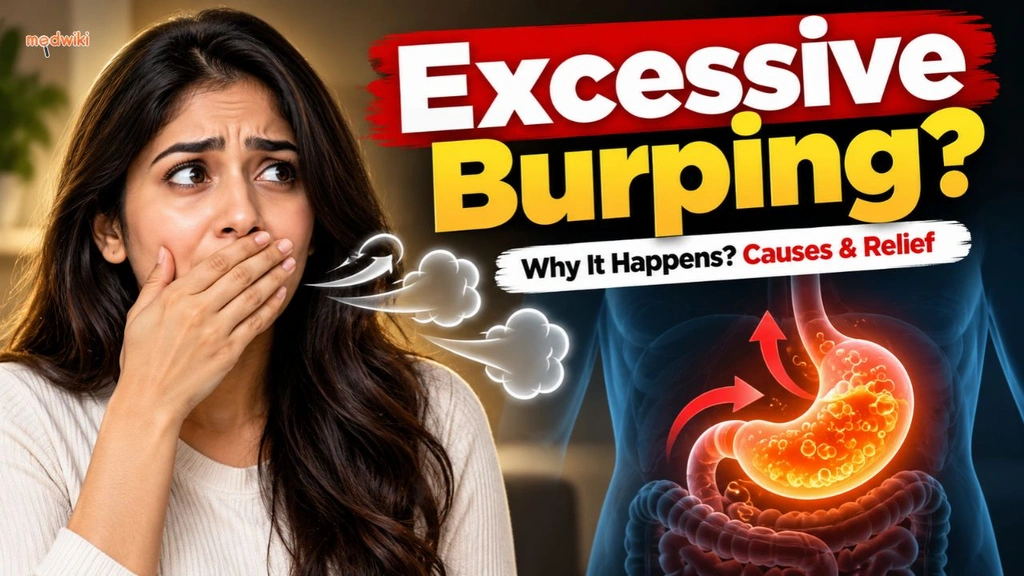
1:15
Burping after eating is a normal way for the body to release swallowed air. But if you areburping too much, experiencing frequent burping throughout the day, or constantly burping even when you have not eaten, you may wonder what is causing it.In many cases, frequent burping happens because you are swallowing more air than usual. Eating quickly, drinking carbonated beverages, chewing gum and talking while eating can all increase swallowed air. However, persistent burping can sometimes occur along with digestive problems such as acid reflux, indigestion or gastritis.The cause is not determined only by how often you burp. It is also important to considerwhen the burping happens, what triggers it, how long it has continued, and whether you have other symptoms such as heartburn, bloating, nausea, or abdominal pain.Is Frequent Burping Normal?Burping is the body's way of releasing excess air from the upper digestive tract. It commonly happens during or after eating and is usually harmless.There is no single number that means everyone is burping “too much.” Somemedical sources note that people may normally burp around30 times a day, while recent clinical guidance also emphasizes how frequent or disruptive the symptom is for the individual.You may want to pay closer attention if you areburping much more than usual, burping repeatedly throughout the day, or experiencing burping together with pain, heartburn, bloating, nausea or otherdigestive symptoms.Why Am I Burping So Much?You May Be Swallowing Too Much AirSwallowing excess air, oraerophagia, is a common cause of frequent burping. Eating quickly, talking while eating, chewing gum, using straws, or drinking fizzy drinks can increase air swallowing.Carbonated DrinksSoda, sparkling water and other fizzy drinks contain carbon dioxide, which can increase burping. Reducing them may help if you notice they trigger your symptoms.Eating Too QuicklyEating quickly can cause you to swallow more air, leading to burping, fullness or bloating. Eating slowly and chewing your food well may help.Acid Reflux or GERDGERDcan cause frequent burping along with heartburn, a sour taste or regurgitation. Burping alone, however, does not confirm acid reflux.IndigestionIndigestion may cause burping along with bloating, nausea, upper abdominal discomfort or feeling full quickly. Persistent symptoms may need medical evaluation.Other Digestive ProblemsConditions such asgastritis, stomach ulcers and H. pylori infection can sometimes occur with excessive burping. Burping alone cannot determine the underlying cause.Can Stress Make You Burp More?Yes, stress may contribute tofrequent burping in some people.When you are stressed or anxious, you may breathe faster, sigh more often, talk rapidly or swallow more air without realizing it. Increased air swallowing can lead to more burping.Some people also develop repetitivesupragastric belching, where air is drawn into and released from the esophagus rather than simply coming up from the stomach. This type of belching can become repetitive or habitual and may require a different approach from ordinary gas-related burping.How to Stop Excessive BurpingIf your burping is occasional and you do not have concerning symptoms, start by looking at habits that may increase swallowed air.Eat meals more slowly.Take smaller bites and chew thoroughly.Reduce carbonated drinks if they trigger burping.Avoid chewing gum frequently.Limit sucking on hard candy.Avoid using a straw if it increases air swallowing.Notice which foods or drinks consistently trigger your symptoms.Take a gentle walk after meals if comfortable.You do not necessarily need to remove every food associated with gas.Your own symptom pattern matters more than a long list of foods to avoid.How Can You Tell What May Be Causing Your Burping?One simple way to identify patterns is to keep aburping and symptom diary for several days.Keep a simple burping and symptom diary and record:What and when you ate or drankHow quickly you ateWhen the burping startedWhether you had carbonated drinksWhether you had heartburn or a sour tasteWhether bloating or abdominal pain occurredWhether the burping happened even without eatingThis can help you recognize triggers and gives a healthcare professional more useful information if the problem continues. Healthdirect also recommends tracking when burping occurs and what you feel before and after it when evaluating excessive or painful burping.When Should You See a Doctor for Excessive Burping?Occasional burping usually does not require medical attention. Consider speaking with a healthcare professional if excessive burping:Continues or keeps getting worseInterferes with your daily activitiesOccurs with persistent abdominal painHappens with repeated nausea or vomitingOccurs with difficulty swallowingIs accompanied by unexplained weight lossOccurs with persistent heartburn or regurgitationA doctor may ask about your eating habits, symptoms and medical history. Depending on the overall picture, additional testing may be used to investigate reflux or another digestive condition.Seek urgent medical attention forsevere or prolonged abdominal pain, vomiting blood, bloody or black stools, or concerning chest pain. Chest pain should not automatically be assumed to be caused by gas or indigestion.ConclusionExcessive burping is often linked to swallowing extra air, eating too quickly, drinking carbonated beverages, or other everyday habits. In many cases, making small changes to how you eat and drink can help reduce frequent burping and improve digestive comfort.However, persistent burping can sometimes occur with conditions such as acid reflux, indigestion, gastritis, or other digestive problems. Paying attention to when the burping happens and whether it occurs with symptoms such as heartburn, bloating, nausea, or abdominal discomfort can help identify possible triggers.If excessive burping continues, becomes worse, or interferes with your daily life, it is a good idea to speak with a healthcare professional. Keeping track of your symptoms and possible triggers can provide useful information and help determine whether further evaluation is needed.Frequently Asked Questions1.How much burping is too much?There is no universal number that defines excessive burping. Frequent, persistent or disruptive burping, especially with other symptoms, may need evaluation.2. Why am I burping so much after eating?Eating quickly, swallowing extra air and drinking carbonated beverages can increase burping after meals. Reflux or indigestion may also contribute.3.Can acid reflux cause excessive burping?Yes. Excessive burping can occur with acid reflux, especially when accompanied by heartburn, regurgitation or a sour taste.4.How can I stop excessive burping?Eating slowly, reducing carbonated drinks, avoiding gum and limiting habits that make you swallow extra air may help reduce frequent burping.5.Can stress cause frequent burping?Stress can increase air swallowing in some people and may contribute to repetitive burping. Relaxation and breathing techniques may help when this pattern is involved.6.Is excessive burping a sign of a stomach problem?Sometimes. Excessive burping can occur with conditions such as reflux or indigestion, but burping alone cannot determine the cause.7.When should I worry about excessive burping?Seek medical advice when burping is persistent, worsening or affecting daily life, particularly if it occurs with pain, vomiting, difficulty swallowing, weight loss or other concerning symptoms.

1:15
Dreams can sometimes involve unexpected situations, emotions, or people, andsexual dreams are one type that many people experience. Having a dream about sex does not necessarily mean that you consciously want the situation shown in the dream or that it reflects your intentions in everyday life.The meaning of a dream can be influenced by emotions, memories, relationships, stress, and waking-life experiences. Changes incortisol levels during stressful periods may also affect sleep and dream experiences, so there is no singlesex dream meaning that applies to everyone.Understandingwhat sexual dreams mean can help reduce confusion or embarrassment. Sexual dreams are generally considered a normal part of dreaming, and their content does not always have a direct or literal connection to a person's real-life desires.Are Sex Dreams Normal?Yes,sex dreams are normal and common. Dreams can involve many different subjects, and sexual themes can occur alongside dreams about relationships, work, school, fears, memories, or everyday experiences.Adream about having sex does not automatically indicate a hidden desire or a problem. The brain can combine memories, emotions, familiar people, and unrelated experiences while a person isasleep.Some people may have these dreams occasionally, while others may experiencerecurring sex dreams. The frequency can vary considerably, and an occasional sexual dream by itself is generally not a reason for concern.What Does It Mean When You Dream About Sex?There is no universally accepted answer towhat does it mean when you dream about sex. A dream may reflect something from waking life, but it can also contain unusual combinations of people, places, and situations that do not have an obvious explanation.Dreams may involve themes ofintimacy, emotional closeness, connection, curiosity, or relationships. Emotional factors such as stress or ananxiety disorder can also influence sleep and dream experiences, while some dreams may simply result from normal brain activity during sleep.It is therefore important not to interpret every dream literally. Dreaming about a particular person does not necessarily mean that you want a relationship with that person, and dreaming about an unusual situation does not necessarily represent a real-life intention.What Are the Common Sexual Dreams?People can experience many different types ofcommon sexual dreams. The people and situations involved may be familiar, unfamiliar, or completely unexpected.Some themes discussed in research and dream literature include:Current partner May relate to attraction or emotional closeness.Ex-partner May reflect past memories or experiences.Familiar person May appear due to familiarity.Authority figure May relate to approval or stress.Unfamiliar people May result from the brain creating new characters.These examples show whywhat sexual dreams mean cannot be determined from the dream scenario alone. Personal circumstances and emotions can influence how a dream is experienced.What Is the Psychological Meaning of Sex Dreams?Thepsychological meaning of sex dreams is not always straightforward. Sexual thoughts and dreams can be influenced by emotions, relationships, stress, and aspects ofsexual health, while different theories explain why dreams may contain familiar people, emotions, and unusual situations.One approach is known ascontinuity theory. It suggests that some dream experiences can continue themes, thoughts, reactions, and experiences from waking life. In this view, aspects of everyday life may appear in dreams because they are already important to the person.Another approach isnon-continuity theory, which recognizes that dreams can contain fictional situations, unfamiliar combinations, or events that would be unlikely in real life. These dreams may involve memories and information being combined in unusual ways during sleep.Can Stress Cause Sexual Dreams?Sexual dreams and stress may be connected because stress can influence sleep and dream recall. Research discussed by Verywell Mind suggests that people may remember their dreams more frequently during periods of stress, while the stress hormone cortisol has also been associated with changes in dream content and recall.Stress does not necessarily cause a specific type of dream in everyone. However, periods of emotional pressure, anxiety, relationship concerns, or other worries may make dreams feel more vivid or memorable.What Is the Connection Between Dreams About Sex and Relationships?Dreams about sex and relationships can sometimes reflect thoughts or emotions associated with closeness, connection, trust, or relationship experiences. However, a dream should not be treated as proof of how a person truly feels about someone.For example, dreaming about an ex-partner does not necessarily mean that a person wants to reconnect with them. Memories from previous relationships can remain part of the brain's stored experiences and may appear in dreams even when someone has moved on.Similarly, dreaming about a current partner may reflect attraction or emotional connection, but it can also occur simply because that person is an important part of everyday life. The broader emotional context is more useful than interpreting one dream literally.Why Do I Have Recurring Sex Dreams?Recurring sex dreams may be particularly noticeable because the same general theme appears more than once. However, there is no single explanation for why a particular dream repeats.Recurring dreams may sometimes occur alongside ongoing emotions, stress, relationship concerns, or experiences that remain important to the person. In other cases, the repetition may simply be part of an individual's normal dreaming pattern.If recurring dreams are not disturbing sleep or causing significant distress, they generally do not need to be viewed as a problem. Paying attention to current stress and emotional well-being may be more useful than trying to find one fixed interpretation.How Can You Stop Sexual Dreams?There is no guaranteed way to completely control or stop specific dreams. However, ifsexual dreams are recurring or disturbing, improving sleep habits and managing stress may help support better overall sleep.Some helpful approaches include:Maintain a regular sleep schedule: Going to bed and waking up at consistent times can support healthy sleep.Create a relaxing bedtime routine: Calming activities before bed may help the mind transition into sleep.Manage daytime stress: Relaxation techniques and healthy ways of handling stress may reduce emotional pressure.Consider your waking-life concerns: If dreams repeatedly occur during stressful periods, identifying ongoing concerns may be useful.Keep your sleep environment comfortable: A quiet and comfortable environment can support better-quality sleep.If dreams are causing significant distress, particularly when they are connected with difficult past experiences, speaking with a qualified mental health professional may be helpful.When Should You Be Concerned About Sexual Dreams?Mostsexual dreams are not a cause for concern. They become more important to address when they are repeatedly disturbing sleep, causing significant emotional distress, or affecting everyday functioning.Consider seeking professional support if:Recurring dreams regularly interfere with your sleep.Dreams cause persistent anxiety or emotional distress after waking.Sleep difficulties continue for a prolonged period.Stress or relationship concerns are affecting your overall well-being.Distressing dreams are connected with difficult past experiences.A mental health professional can help explore persistent or distressing dreams within the broader context of sleep, stress, emotions, and daily life.ConclusionSexual dreams are a common part of dreaming and do not necessarily represent a person's actual desires, intentions, or relationship choices. Their content can be influenced by memories, emotions, relationships, stress, and ordinary brain activity during sleep.Understandingwhat it means when you dream about sex is not as simple as assigning one interpretation to a particular dream. The same type of dream can have different meanings for different people, while some dreams may not have any important personal meaning at all.Ifrecurring sex dreams become distressing or begin affecting sleep and daily life, it may be useful to address underlying stress and seek professional support when needed. For most people, occasional sexual dreams are simply one of the many experiences that can occur during sleep.Follow Medwiki for more information on sexual health, sleep, stress, and related health topics.Frequently Asked Questions1. Are sex dreams normal?Yes.Sex dreams are normal and common. They can occur as part of ordinary dreaming and do not automatically indicate a problem or a specific desire.2. What does it mean when you dream about sex?There is no single meaning. Dreams may be influenced by emotions, memories, relationships, stress, and experiences from waking life.3. Why do I dream about sex?Dreaming about sex can occur for many reasons. It may be associated with thoughts, emotions, relationships, stress, memories, or normal brain activity during sleep.4. Can stress cause sexual dreams?Stress can influence sleep and dream recall. Some people may notice more vivid or memorable dreams during stressful periods, although stress does not produce the same dream patterns in everyone.5. What do dreams about sex and relationships mean?They may sometimes relate to emotions or experiences involving closeness and relationships, but they do not necessarily reveal a person's true feelings or intentions toward someone.6. Why do I have recurring sex dreams?Recurring sex dreams can occur alongside ongoing emotions, stress, memories, or relationship concerns. However, there is no single explanation that applies to everyone.7. How can I stop sexual dreams?There is no guaranteed method to stop specific dreams. Maintaining healthy sleep habits and managing stress may support better sleep, while persistent distress may be worth discussing with a mental health professional.

1:15
When people search forAshokarishta and Arjunarishta, they are often looking for two very different kinds of Ayurvedic preparations. Although both belong to the traditional fermentedarishta category, their ingredients and traditional applications are not the same.Ashokarishta is traditionally associated with women's health, particularlymenstrual and menopausal concerns, while Arjunarishta is traditionally associated with cardiovascular health because it containsTerminalia arjuna (Arjuna).Understanding their differences, ingredients, traditional uses, and safety considerations can help put online health claims into perspective.What Is Ashokarishta?Ashokarishta is a traditional Ayurvedic fermented herbal preparation in which Ashoka (Saraca asoca) is an important botanical ingredient. The Ministry of Ayush's E-Charak database identifiesSaraca asoca as Ashoka and lists its bark as the medicinal plant part.In Ayurvedic practice, Ashokarishta is traditionally associated with women's reproductive and menstrual health. It is also discussed in relation to symptoms occurring around menopause. Importantly, traditional use should not automatically be interpreted as proof that the preparation treats a particular medical condition.There is some clinical research on Ashokarishta. For example, a small randomized clinical study investigated Ashokarishta alongside Ashwagandha Churna and Praval Pishti in women with menopausal symptoms and reported improvements in symptom scores. However, the study evaluated a combination of preparations, so its findings cannot establish that Ashokarishta alone is responsible for those results.What Are the Benefits And Uses of Ashokarishta?The commonly discussedAshokarishta benefits are mainly associated with women's health. In traditional Ayurvedic practice, it is used in relation to menstrual concerns and symptoms that may occur during the menopausal transition. However, these traditional uses should be distinguished from benefits supported by modern clinical research.Traditional menstrual support: Ashokarishta is traditionally used to support women's menstrual health and related concerns.Menopausal concerns: It is also traditionally associated with managing certain symptoms experienced during the menopausal transition.Traditional Ayurvedic use: The commonly described benefits are based largely on Ayurvedic practice and should not automatically be considered clinically proven treatments.Baidyanath Ashokarishta: This is one of the branded Ashokarishta products available in the market.Dabur Ashokarishta: Another commercially available formulation that people commonly search for online.Dabur Ashokarishta 450 ml: This search generally refers to a particular pack size rather than a separate type of Ashokarishta.Since formulations, ingredients, labeling, and directions may differ between manufacturers, always check thecurrent product label instead of assuming that every Ashokarishta product has exactly the same formulation or uses.What Is Arjunarishta?Arjunarishta, also known as Arjunarishtam in some contexts, is a traditional fermented Ayurvedic preparation associated withTerminalia arjuna, commonly called Arjuna. The Ministry of Ayush's medicinal-plant database listsTerminalia arjuna as a recognized medicinal plant.Arjunarishta has traditionally been associated with cardiovascular health. Scientific literature describes Arjunarishta as a fermented preparation containingTerminalia arjuna, although researchers also point out that differences between marketed formulations can affect quality and consistency.This distinction matters because evidence concerning the individual herbTerminalia arjuna should not automatically be treated as evidence that every Arjunarishta formulation has the same effects.What Are the Benefits And Uses of Arjunarishta ?The commonly searchedArjunarishta benefits are primarily related to traditional cardiovascular support. Arjuna has been studied for several cardiovascular applications, but research on the individual plant, extracts, and traditional formulations varies in design and quality.A study found thatTerminalia arjuna used alongside telmisartan reduced blood pressure more than placebo after 28 days. However, the study tested capsules, notArjunarishta, so it does not prove that Arjunarishta can replace hypertension treatment.Searches such as“Patanjali Arjunarishta for blood pressure,” “Baidyanath Arjunarishta,” and“Baidyanath Arjunarishta syrup” are product-specific. Always check the current product label and consult a healthcare professional before using such products with prescribed medicines.What Is the Difference Between Ashokarishta and Arjunarishta?Although both are traditionally fermented Ayurvedic preparations,Ashokarishta and Arjunarishta differ in their main ingredients and traditional uses.Main ingredient: Ashokarishta is associated withSaraca asoca (Ashoka), while Arjunarishta containsTerminalia arjuna (Arjuna).Traditional focus: Ashokarishta is traditionally associated with women's reproductive and menstrual health, whereas Arjunarishta is traditionally linked with cardiovascular health.Commonly discussed uses: Ashokarishta is often discussed for menstrual and menopausal concerns, while Arjunarishta is commonly discussed in relation to traditional cardiovascular support.Research: Clinical evidence for both preparations is limited, and research onTerminalia arjuna should not automatically be considered evidence for every Arjunarishta product.Medical treatment: Neither preparation should be considered a substitute for prescribed treatment.Safety: Persistent menstrual problems, high blood pressure, or heart-related symptoms should be medically evaluated rather than self-treated with these preparations.Because their ingredients and traditional applications differ,Ashokarishta and Arjunarishta should not be considered interchangeable.Can Ashokarishta and Arjunarishta Be Taken Together?Whether two herbal preparations can be combined depends on the individual's health status, medicines, allergies, and the exact formulations involved. Taking multiple herbal products together can also make it harder to identify which product is responsible if an unwanted reaction occurs.People taking medicines forblood pressure, heart conditions, diabetes, or blood clotting should be especially cautious. Herbal products may interact with medicines, and concerns about formulation differences, contamination, and limited safety data remain.For these reasons, combining Ashokarishta and Arjunarishta should be discussed with a qualified healthcare professional rather than based solely on internet recommendations.What Are the Side Effects and Precautions of Ashokarishta and Arjunarishta?Both products are fermented Ayurvedic preparations, so their safety can depend on the formulation, ingredients, and the person using them. Before using either one, keep these important precautions in mind:Naturally occurring alcohol: Fermentation can produce ethanol, so arishta preparations may contain some alcohol.Check the product label: Alcohol content, ingredients, and other formulation details can vary between products and manufacturers.Medicine interactions: Talk to a healthcare professional before using them with prescription or long-term medicines.Allergies: Check the ingredient list carefully if you have known allergies or sensitivities to herbal ingredients.Existing health conditions: People with ongoing medical conditions should seek professional advice before starting an Ayurvedic preparation.Pregnancy and breastfeeding: Consult a qualified healthcare professional before using Ashokarishta or Arjunarishta during pregnancy or breastfeeding.Do not replace prescribed treatment: Neither preparation should be used as a substitute for medicines prescribed for conditions such as hypertension or other diagnosed health problems.Do not assume that “natural” means risk-free. Herbal products can contain biologically active compounds, and their effects may vary according to formulation, manufacturing process, and individual health factors.ConclusionUnderstanding the difference betweenAshokarishta and Arjunarishta can help you choose information that is relevant to your health needs. Ashokarishta is traditionally associated with menstrual and women's health, while Arjunarishta is traditionally linked with cardiovascular health andTerminalia arjuna.Although both are widely discussed as Ayurvedic preparations, their traditional uses should not be confused with proven medical treatments. Their ingredients, formulations, and safety considerations can also vary between products. If you are consideringAshokarishta or Arjunarishta, especially while taking prescription medicines or managing a health condition, speak with a qualified healthcare professional first.For more evidence-based information about Ayurvedic medicines, health conditions, benefits, and precautions,followMedwiki and explore our latest health guides.FAQs About Ashokarishta and Arjunarishta1. Are Ashokarishta and Arjunarishta the same?No. They are different traditional Ayurvedic fermented preparations with different principal botanical ingredients and traditionally associated health applications.2. What is Ashokarishta traditionally used for?Ashokarishta is traditionally associated with women's health, including menstrual and menopausal concerns. Clinical evidence remains limited and should not be interpreted as proof of treatment for every related condition.3. What are the traditional benefits of Arjunarishta?Arjunarishta is traditionally associated with cardiovascular health because it containsTerminalia arjuna. Research on Arjuna exists, but evidence for specific Arjunarishta products is more limited.4. Can Arjunarishta cure high blood pressure?It should not be described as a cure for hypertension. Research onTerminalia arjuna has produced promising findings in some settings, but this does not establish that Arjunarishta can replace prescribed blood-pressure treatment.5. Is Ashokarishta suitable for every menstrual problem?No. Menstrual changes can have many causes, including hormonal conditions, pregnancy, thyroid disorders, structural problems, and other health issues. Persistent or unusual symptoms deserve appropriate medical evaluation.6. Are all Ashokarishta and Arjunarishta products identical?Not necessarily. Different manufacturers may use different formulations, manufacturing processes, labeling, and quality-control practices. Product-specific information should therefore be checked carefully.7. Do Arishta preparations contain alcohol?Fermentation naturally produces ethanol in arishta preparations. The amount can vary between formulations and products, so people who need to avoid alcohol should check the specific product information and seek professional advice.8. Can Ayurvedic preparations interact with prescription medicines?Yes, potential herb-drug interactions are an important consideration. Anyone taking long-term medicines should discuss herbal preparations with a qualified healthcare professional before combining them.

1:15
Vaccination remains important beyond childhood because protection against some infections may decrease over time, while new health, occupational, travel, or age-related risks can develop during adulthood. Some adults may need booster doses, while others may need vaccines because of a medical condition, pregnancy, occupation, travel plans, or incomplete vaccination history.Adult vaccines in India can vary from person to person. Theadult vaccination schedule in India may depend on age, previous vaccination, medical conditions, immune status, occupation, pregnancy, travel, and exposure risks.Knowingwhich vaccines are recommended after 18 can help adults discuss their immunization needs with a healthcare professional. There is no single vaccine list that applies identically to every adult.What Is Adult Immunization?Adult immunization refers tovaccination given during adulthood to prevent vaccine-preventable infections and maintain protection acquired earlier in life. It may include completing an incomplete childhood vaccination series, receiving booster doses, or receiving vaccines that become relevant because of age or medical risk.There is no singleAdult Immunization Schedule that applies in exactly the same way to every person after turning 18. Healthcare professionals generally consider previous vaccination, age, medical history, occupation, pregnancy, travel, and other risk factors before recommending vaccines.Keeping a written or digital record of previous vaccinations can make this assessment easier. If vaccination history is incomplete or unknown, a healthcare professional can determine whether additional doses are appropriate.Why Are Vaccines Needed After 18 Years?Protection against some infections can change over time, and adults may encounter new risks as their health, occupation, lifestyle, or travel patterns change.Certain medical conditions can also increase the risk of severe complications from infections. Diabetes, chronic heart or lung conditions, kidney or liver disease, and conditions that affect the immune system may influence which vaccines are considered.Vaccination may also become particularly relevant during pregnancy, before certain medical treatments, after specific exposures, or when travelling to areas where particular infections are more common.Which Vaccines Are Recommended for Adults After 18 in India?Theadult vaccination schedule in India is not a single universal schedule for every person. Recent Indian expert consensus describes vaccination according to groups such as healthy adults, adults with comorbidities, and older adults, with recommendations also influenced by individual risk factors.Commonly consideredadult vaccines in India include tetanus-containing vaccines, influenza, pneumococcal, hepatitis B, hepatitis A, HPV, shingles, MMR, varicella, and selected travel- or exposure-related vaccines.The need for each vaccine, the age at which it is given, the number of doses, and the interval between doses can vary according to the vaccine product and individual circumstances.What Vaccines Do Adults Need and When Should They Get Them?Tetanus Vaccine for AdultsTetanus vaccination for adults helps maintain protection against tetanus, a bacterial infection that can occur when bacteria enter the body through wounds.Adults may need tetanus-containing booster doses according to their previous vaccination history and clinical circumstances. Wound management can also affect whether vaccination or other preventive treatment is needed.During pregnancy, a tetanus- and pertussis-containing vaccine may be recommended according to applicable clinical guidance. The exact recommendation should be confirmed with a healthcare professional.Hepatitis B Vaccine for AdultsTheHepastitis B vaccine helps prevent hepatitis B, a viral infection that can cause acute and chronic liver disease.Vaccination may be particularly relevant for adults with increased exposure risks, including some healthcare and occupational settings. The number and timing of doses depend on the vaccine product and the person's circumstances.What Is the Hepatitis B Vaccine Dose for Adults in mL?Thehepatitis B vaccine dose for adults in mL is not a single universal volume for every product or situation. Common adult formulations may use1 mL per dose, while certain formulations or special situations can require a different volume. The exact product, formulation, dose, and schedule should therefore be checked before vaccination.Pneumococcal Vaccine for AdultsPneumococcal bacteria can cause infections such aspneumonia, meningitis, and bloodstream infections. The risk of severe disease can be higher in older adults and people with certain medical conditions.Pneumococcal vaccination for adults may be recommended based on age and individual risk. The appropriate vaccine and schedule can depend on previous vaccination, underlying conditions, and the vaccine product available.What Is the Pneumococcal Vaccine Schedule for Adults?Thepneumococcal vaccine schedule for adults is not identical for everyone. Depending on age, health conditions, previous vaccination, and the vaccine used, vaccination may involve one vaccine or a sequence of vaccines. A healthcare professional can determine the appropriate schedule for an individual.Influenza Vaccine for AdultsTheinfluenza vaccine for adults helps protect against seasonal influenza. It may be particularly relevant for older adults, pregnant people, healthcare personnel, and people with certain chronic medical conditions.Influenza vaccination is generally given annually because circulating influenza viruses can change and protection may decrease over time.How Often Should Adults Get the Influenza Vaccine?Annual influenza vaccination is commonly recommended for adults. The appropriate vaccine and timing may vary according to current seasonal recommendations and individual circumstances.Shingles Vaccine for AdultsShingles, also called herpes zoster, occurs when the varicella-zoster virus becomes reactivated after remaining in the body following chickenpox infection.The risk of shingles generally increases with age and can also be higher in people with weakened immune systems. The recombinant zoster vaccine may be recommended for eligible adults, with the number and timing of doses depending on age and individual risk.HPV Vaccine for AdultsTheHPV vaccine helps protect against infection with certain types of human papillomavirus that are associated with several cancers and other health conditions.HPV vaccination is most effective when given at the recommended age, but some adolescents and young adults may still be eligible for vaccination. The number of doses depends on the age at which vaccination begins and the applicable recommendations.Hepatitis A Vaccine for AdultsThehepatitis A vaccine for adults may be recommended for people with particular health, occupational, travel, or exposure risks.The number and timing of doses depend on the specific vaccine product and the reason vaccination is being considered.MMR Vaccine for AdultsTheMMR vaccine protects against measles, mumps, and rubella. Adults who do not have adequate evidence of immunity may be advised to receive MMR vaccination depending on their vaccination history, age, occupation, and risk of exposure.The number of doses depends on the individual's circumstances and the applicable recommendation.Varicella Vaccine for AdultsThevaricella vaccine for adults may be recommended for adults who do not have evidence of immunity to chickenpox.Adults without a history or documentation of immunity may require vaccination according to applicable recommendations. Because varicella vaccine is a live vaccine, pregnancy and certain immune-system conditions require specific clinical consideration.Which Other Vaccines May Adults Need?Some adults may require vaccines that are not routinely appropriate for everyone. These can include:Meningococcal vaccines for selected high-risk groups or specific situations.Typhoid vaccination for certain travel or exposure situations.Rabies vaccination for people with particular occupational, travel, or animal-exposure risks.Japanese encephalitis vaccination for selected travellers or people with relevant exposure risks.Hib vaccination for certain adults with specific medical conditions.Other travel-related vaccines depending on the destination and current travel-health recommendations.These vaccines should not be treated as a universal checklist for every adult. The indication depends on the person's medical history, destination, occupation, exposure, and other risk factors.Who May Need Adult Vaccines More Often?Some adults require a more detailed vaccination assessment because their risk of infection or severe disease may be higher.These may include:Older adultsPeople with diabetesPeople with chronic heart or lung conditionsPeople with chronic kidney or liver diseasePeople with weakened immune systemsPeople receiving certain medical treatmentsPregnant people, for vaccines recommended during pregnancyHealthcare personnelPeople with specific occupational exposure risksFrequent or international travellersPeople with particular travel or geographic exposure risksBeing in one of these groups does not automatically mean that every vaccine is required. The appropriate vaccine and schedule depend on the individual's circumstances.When Should Adults Talk to a Doctor About Vaccination?Adults can consider reviewing their vaccination history when they reach adulthood, start a new occupation, plan international travel, become pregnant or plan pregnancy, develop a chronic medical condition, or begin treatment that affects the immune system.A vaccination review is also useful when records are incomplete or when an adult is unsure whether they previously received a particular vaccine.Before vaccination, a healthcare professional can review previous doses, allergies, current medicines, pregnancy status where relevant, medical conditions, immune status, and possible contraindications or precautions.ConclusionVaccination remains relevant throughout adulthood, butadult vaccines in India are not the same for everyone. Recommendations can vary according to age, previous vaccination, health conditions, pregnancy, immune status, occupation, travel, and exposure risks.Instead of following one fixed checklist, adults should keep their vaccination records updated and discuss their individual vaccination needs with a qualified healthcare professional.A personalized vaccination review can help identify incomplete vaccination, appropriate booster doses, and vaccines that may become relevant because of changing age, health, occupation, or travel circumstances.Frequently Asked Questions About Adult Vaccines in India1. Can adults get vaccines if they missed them during childhood?Yes. Adults who missed certain vaccines during childhood may still be able to receive them. A healthcare professional can review their vaccination history and determine whether catch-up vaccination is appropriate.2. Can I take multiple vaccines at the same time?Several vaccines can sometimes be given during the same visit when appropriate. The timing and spacing depend on the specific vaccines and the person's health circumstances.3. Should I repeat a vaccine if I do not remember getting it before?If vaccination records are unavailable, a healthcare professional can review the available history and determine whether additional vaccination is appropriate.4. Are adult vaccines safe for people with chronic health conditions?Many vaccines can be used in people with chronic health conditions, but the appropriate vaccine and timing may depend on the condition, medicines, immune status, and individual risk.5. Can I get vaccinated while taking regular medicines?Many medicines do not prevent vaccination, but some treatments can affect which vaccines are suitable or when they should be given. Tell your healthcare professional about your medicines before vaccination.6. How can I find out which vaccines I need as an adult?A healthcare professional can review your age, vaccination history, medical conditions, occupation, travel plans, pregnancy status where relevant, and other risk factors to identify vaccines that may be appropriate.7. What should I do if I have lost my vaccination records?If your records are unavailable, discuss your previous vaccination history with a healthcare professional. They can help determine whether additional vaccination or other documentation is appropriate.Sources:Centers for Disease Control and Prevention (CDC).Adult Immunization Schedule by Age. Recommendations for adults aged 19 years and older. CDC Adult Immunization Schedule.Indian Academy of Pediatrics / Indian Journal of Community Medicine.Adult Vaccination in India: Recommendations and Guidelines. Available through PubMed Central. Adult Vaccination in India – PubMed Central.
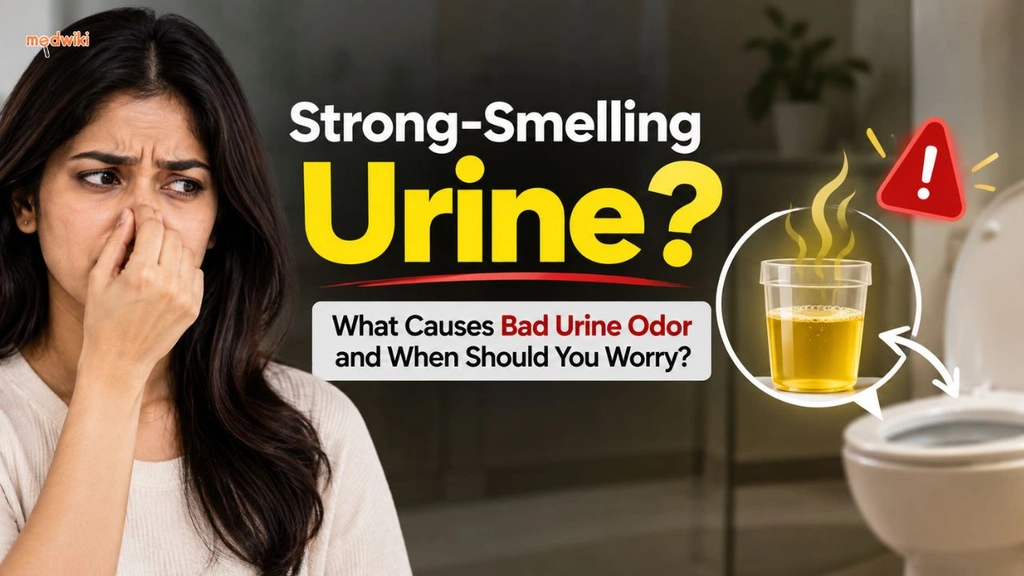
1:15
Urine can sometimes have a stronger smell than usual, especially after waking up or when the body has not received enough fluids. Changes in urine odor may also occur because of certain foods, medications, or changes in the concentration of urine.A strong urine smell does not always mean that something is wrong. Urine may smell different temporarily aftereating particular foods, taking certain medicines, or going several hours without drinking enough water. However, a persistent or unusual odor may sometimes be linked to an underlying health condition.Several factors can causefoul-smelling urine, including dehydration, urinary tract infections, dietary changes, and certain metabolic conditions. Paying attention to other changes, such as dark or cloudy urine, pain during urination, or increased frequency, can help identify when further evaluation may be needed.Why Does My Urine Smell Strong?The smell of urine can vary depending on how concentrated it is and what substances are being removed from the body. When urine becomes more concentrated, its natural odor may become stronger and more noticeable.Astrong-smelling urine may occur temporarily after waking because the urine has been concentrated overnight. Not drinking enough fluids during the day can have a similar effect, particularly when the urine also appears darker than usual.Changes in odor can also be caused by food, medications, or infections. If the smell continues or occurs with other urinary symptoms, it may be useful to speak with a healthcare professional to determine the possible cause.What Are the Common Causes of Strong-Smelling Urine?There are several possiblecauses of strong-smelling urine, and the odor alone usually cannot identify the exact reason. Some causes are temporary and harmless, while others may require medical attention.Dehydrationcan make urine more concentrated and increase its odor.Certain foods can temporarily change the smell of urine.Medications or supplements may affect urine odor in some people.Urinary tract infections can cause changes in urine smell along with other symptoms.Dark or concentrated urine may have a stronger odor than usual.Certain health conditions can sometimes cause unusual changes in urine odor.Other changes in the urine, such as cloudiness, blood, or an unusual color, can provide additional clues. A healthcare professional may consider these changes along with symptoms, medical history, and other findings.Can Dehydration Cause Strong-Smelling Urine?Yes,urine smell and dehydration can be closely connected. When the body does not receive enough fluids, urine becomes more concentrated, which can make its natural odor stronger.Not drinking enough water can increase urine concentration.Heavy sweating can cause fluid loss and more concentrated urine.Vomiting or diarrhoea can reduce the body's fluid levels.Dark yellow urine may occur when urine becomes more concentrated.Strong-smelling urine after waking may result from overnight fluid restriction.Thirst and dry mouth can occur alongside dehydration.Increasing fluid intake may help when dehydration is responsible for the odor. However, persistent strong-smelling urine should not automatically be attributed to dehydration, particularly when other urinary symptoms are present.Can a UTI (Urinary tract infections) Cause Smelly Urine?Yes, aUTIand smelly urine can occur together. A urinary tract infection may change the smell of urine and can also cause symptoms such as burning during urination, increased urinary frequency, or an urgent need to urinate.Strong or unpleasant urine odor may occur with a urinary infection.Burning while urinating is a common urinary symptom.Frequent urination may occur even when only a small amount of urine is passed.An urgent need to urinate can occur during a UTI.Cloudy urine may accompany other urinary changes.Lower abdominal discomfort can occur with some urinary infections.Not everyone with a UTI will have noticeable changes in urine odor. When severalurinary tract infection symptoms occur together, medical evaluation can help determine whether an infection is present and whether treatment is needed.What Does Sweet-Smelling Urine Mean?Sweet-smelling urine may sometimes be associated with changes in how the body processes glucose or other substances. A sweet or fruity odor that persists should not be ignored, particularly when it occurs alongside increased thirst or frequent urination.Persistent sweet urine odor may require medical evaluation.Increased thirst can occur with changes in blood glucose levels.Frequent urination may accompany increased blood glucose.Unexplained tiredness can occur with some metabolic problems.Fruity-smelling breath or urine can sometimes indicate an important metabolic change.Repeated unusual odor should be assessed rather than diagnosed from smell alone.A sweet smell does not by itself confirm a particular condition. Testing may be needed to determine whether changes in blood glucose or another metabolic process are responsible.What Can Cloudy Urine and Strong Smell Mean?Cloudy urine together with a strong odor may occur for several reasons. Sometimes urine can look temporarily cloudy because of its concentration, dietary factors, or other harmless changes, while in other cases it may occur with a urinary infection.Cloudiness can be more significant when it develops alongside burning during urination, frequent urination, pelvic discomfort, or an unusual odor. These symptoms may warrant evaluation for a urinary tract problem.The appearance of urine can also change because of hydration status. If cloudy or strong-smelling urine continues or occurs with pain, fever, blood, or other concerning symptoms, a healthcare professional should assess the cause.What Are the Best Ways to Reduce Strong Urine Odor?The best approach depends on what is causing the odor. When concentrated urine is responsible, improving hydration may help, while persistent symptoms may require evaluation for an underlying condition.Drink adequate fluids throughout the day unless fluid restriction has been advised.Notice dietary triggers that repeatedly change urine odor.Maintain good urinary hygiene to reduce avoidable sources of odor.Pay attention to urine color along with changes in smell.Monitor other urinary symptoms such as burning or increased frequency.Seek medical advice when unusual odor persists or keeps returning.It is not usually necessary to try to eliminate every change in urine odor. Temporary changes may be normal, but persistent or unexplained changes are more useful when considered alongside other symptoms.When Should You Worry About Smelly Urine?A temporary change in urine odor may not be concerning, particularly when it improves after drinking fluids or when a clear dietary cause is present. However, persistentsmelly urine or changes accompanied by other symptoms should be evaluated.Persistent foul-smelling urine should be assessed when the cause is unclear.Burning or pain during urination may indicate a urinary problem.Fever or chills with urinary symptoms can require prompt medical attention.Blood in the urine should not be ignored.Severe back or side pain with urinary symptoms requires medical evaluation.Confusion, severe weakness, or worsening symptoms require prompt medical care.A healthcare professional may ask about fluid intake, diet, medications, urine changes, and other symptoms. Depending on the situation, urine testing or other investigations may be recommended to identify the underlying cause.ConclusionStrong-smelling urine can occur when urine becomes concentrated, particularly because of dehydration or several hours without drinking fluids. Foods, medications, urinary infections, and certain health conditions can also change urine odor.A temporarystrong urine smell may improve with adequate hydration or after a dietary trigger passes. However, persistent odor, especially when accompanied by cloudy urine, burning, frequent urination,blood in the urine, fever, or other urinary symptoms, may require medical evaluation.Paying attention to urine color, odor, and accompanying symptoms can help identify meaningful changes. Anyone with persistent unusual urine odor or concerning urinary symptoms should speak with a healthcare professional rather than relying on urine smell alone.Frequently Asked Questions1. Why does my urine smell strong?Strong-smelling urine can occur when urine is concentrated because of dehydration. Foods, medications, supplements, urinary infections, and certain health conditions may also change urine odor.2. Why does my pee smell bad?Your pee may smell bad because of concentrated urine, certain foods, medications, or a urinary tract infection. Persistent odor with other symptoms should be medically evaluated.3. Can dehydration cause strong-smelling urine?Yes, dehydration can make urine more concentrated and increase its odor. Dark yellow urine and increased thirst may occur at the same time.4. Can a UTI cause smelly urine?Yes, a UTI may cause an unpleasant urine odor along with burning, frequent urination, urgency, cloudy urine, or lower abdominal discomfort.5. What does sweet-smelling urine mean?Sweet-smelling urine can sometimes occur with changes in glucose metabolism. Persistent sweet or fruity odor, especially with increased thirst or frequent urination, should be evaluated.6. Why is my urine cloudy and strong-smelling?Cloudy, strong-smelling urine can occur because of concentrated urine or a urinary infection. Other symptoms such as burning, frequency, pain, or fever can provide additional clues.7. When should I worry about smelly urine?You should seek medical advice if unusual urine odor persists or occurs with burning, blood in the urine, fever, severe pain, or other worsening urinary symptoms.Suggested Reads: https://medwiki.co.in/brand/fluvir-75mg-tablet-10s
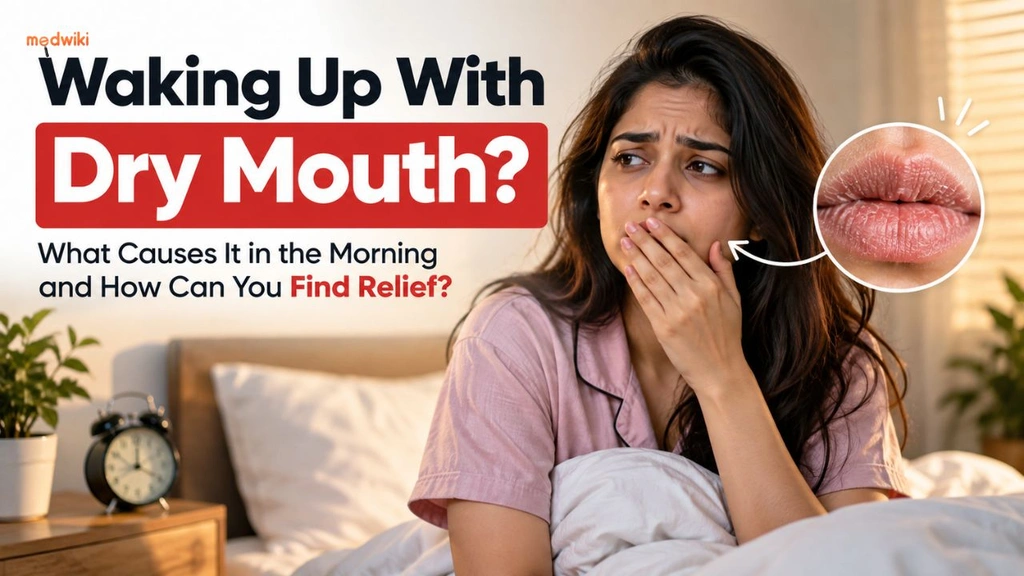
1:15
Waking up with a dry mouth can leave the mouth feeling sticky, uncomfortable, or unusually thirsty after a night of sleep. This may happen when saliva production decreases during sleep or when a person breathes through the mouth instead of the nose.Dry mouth in the morning may sometimes occur after sleeping with the mouth open, not drinking enough fluids, or spending several hours in a dry environment. Occasional dryness may not indicate a serious problem, but frequent symptoms can have an underlying cause.Several factors can contribute todry mouth at night, including mouth breathing,dehydration, medications, and conditions that affect saliva production. Understanding the possible causes and accompanying symptoms can help determine when simple changes may help and when medical evaluation is needed.Why Do You Wake Up With Dry Mouth?A dry mouth after sleeping can occur because saliva production naturally decreases during the night. If the mouth remains open while sleeping, moisture can also evaporate more quickly, making the dryness more noticeable after waking.Some people may experiencedry mouth in the morning because ofnasal congestion, sleeping position, or habits that encourage mouth breathing. The sensation may improve after drinking water and becoming more active during the day.Occasional dryness may not be concerning, but persistent symptoms can suggest reduced saliva production or another underlying issue. Frequent dry mouth should be considered along with other symptoms, such as excessive thirst, difficulty swallowing, or changes in oral health.What Are the Common Causes of Dry Mouth?There are several possiblecauses of dry mouth, and more than one factor may contribute to the problem. Dryness can become more noticeable overnight because the mouth naturally produces less saliva while a person sleeps.Mouth breathing can allow moisture to evaporate from the mouth during sleep.Dehydration may reduce the amount of fluid available for saliva production.Certain medications can decrease saliva production or contribute to a dry mouth.Nasal congestion may encourage breathing through the mouth while sleeping.Certain health conditions may affect the salivary glands or the body's ability to produce saliva.Dry mouth by itself cannot usually identify the exact cause. A healthcare professional may consider medications, fluid intake, breathing patterns, oral symptoms, and other health factors when evaluating persistent dryness.Can Mouth Breathing Cause Dry Mouth at Night?Yes,mouth breathing can be an important reason for experiencing dry mouth during sleep. When air repeatedly passes through the mouth instead of the nose, it can increase moisture loss from the tissues inside the mouth.Sleeping with the mouth open can increase overnight moisture loss.Nasal congestion may make nasal breathing more difficult.Allergies can contribute to blocked nasal passages in some people.Snoring may occur alongside mouth breathing during sleep.Dry indoor air can make nighttime mouth dryness more noticeable.Identifying why mouth breathing occurs can be more useful than simply treating the dryness. Nasal congestion, allergies, sleep-related breathing problems, or other factors may need to be addressed if symptoms occur regularly.Is Dry Mouth and Sleep Apnea Connected?Dry mouth and sleep apnea can occur together, particularly when a person breathes through the mouth during sleep. Sleep apnea involves repeated interruptions or reductions in normal breathing during sleep and may be associated with snoring and nighttime mouth breathing.Mouth breathing during sleep can increase dryness inside the mouth.Loud or frequent snoring may occur with some sleep-related breathing disorders.Morning headaches can sometimes accompany sleep disturbances.Daytime sleepiness may occur when nighttime sleep is repeatedly disrupted.Gasping or choking during sleep can be a warning sign that requires evaluation.Dry mouth alone does not mean that a person has sleep apnea. However, persistent dryness together with loud snoring, breathing pauses, or significant daytime sleepiness should be evaluated appropriately.Can Dehydration Cause Dry Mouth in the Morning?Yes,dry mouth and dehydration can be connected. When the body loses more fluid than it replaces, saliva production may decrease, which can make the mouth feel dry or sticky.Not drinking enough fluids can contribute to reduced moisture in the mouth.Heavy sweating can increase fluid loss from the body.Vomiting or diarrhoea can cause significant fluid loss.Fever may increase the body's fluid requirements.Dry mouth with thirst may occur when fluid levels are reduced.Overnight fluid loss can make dryness more noticeable after waking.Drinking enough fluids throughout the day may help when dehydration contributes to dry mouth. However, persistent symptoms should not automatically be attributed to dehydration because other causes may also be involved.What Is Xerostomia and How Is It Related to Dry Mouth?Xerostomia is the medical term commonly used to describe the sensation of having a dry mouth. It may occur when the salivary glands do not produce enough saliva or when changes in saliva make the mouth feel unusually dry.The condition can cause more than simple discomfort. A person may notice difficulty chewing or swallowing dry foods, changes in taste, a sticky feeling in the mouth, or an increased need to drink fluids while eating.Persistent xerostomia may also affect oral health because saliva helps keep the mouth moist and supports normal oral functions. If dryness continues despite adequate fluid intake, a healthcare professional or dentist may help identify the underlying cause.What Are the Best Dry Mouth Remedies?The most appropriatedry mouth remedies depend on what is causing the symptoms. Simple measures may provide relief when dryness is related to mild dehydration or environmental factors, while persistent symptoms may require treatment of an underlying cause.Drink adequate fluids throughout the day unless fluid restriction has been advised.Breathe through the nose when possible to reduce moisture loss from the mouth.Use a humidifier if dry indoor air appears to worsen nighttime symptoms.Avoid excessive caffeine if it appears to make dryness more noticeable.Maintain good oral hygiene to protect the teeth and gums.Discuss persistent symptoms with a healthcare professional or dentist.If a medication appears to be contributing to dry mouth, it should not be stopped or changed without professional advice. Treating the underlying cause may provide more lasting relief than repeatedly managing the dryness itself.When Should You See a Doctor for Dry Mouth?Occasional dry mouth after waking may not indicate a serious problem, especially when it improves after drinking fluids. However, frequent or persistent dryness deserves attention because it may be related to medications, reduced saliva production, sleep-related breathing problems, or another health issue.Persistent dry mouth should be evaluated when it does not improve.Difficulty swallowing or speaking may require medical assessment.Frequent thirst or urination with dryness should not be ignored.Mouth sores or oral discomfort may require evaluation.Snoring or breathing pauses during sleep should be discussed with a healthcare professional.A healthcare professional may review medications, fluid intake, symptoms during sleep, and oral health. A dentist may also assess the teeth, gums, and saliva-related changes when dry mouth continues.ConclusionWaking up with dry mouth can happen because saliva production decreases during sleep, while mouth breathing can increase moisture loss. Dehydration, nasal congestion, medications, and reduced saliva production may also contribute to morning dryness.Occasionaldry mouth in the morning may improve after drinking fluids and addressing simple triggers. However, persistent xerostomia or hyposalivation can affect oral comfort and dental health and may require evaluation to identify the underlying cause.Maintaining adequate hydration, supporting nasal breathing, keeping indoor air comfortable, and practicing good oral hygiene may help in some cases. Anyone experiencing persistent dryness, difficulty swallowing, significant oral symptoms, or possible sleep-related breathing problems should speak with a healthcare professional or dentist.Frequently Asked Questions1. Why do I wake up with a dry mouth?Waking up with a dry mouth can result from reduced saliva production during sleep, mouth breathing, dehydration, medications, or nasal congestion.2. Can dehydration cause dry mouth in the morning?Yes, dehydration can reduce saliva production and make your mouth feel dry or sticky when you wake up.3. Can mouth breathing cause dry mouth at night?Yes, mouth breathing can increase moisture loss during sleep, especially with nasal congestion, allergies, or snoring.4. Is dry mouth a sign of sleep apnea?Dry mouth can occur with sleep apnea due to mouth breathing, but dry mouth alone does not mean you have sleep apnea.5. What is xerostomia?Xerostomia is the medical term for the sensation of having a dry mouth, often caused by reduced saliva production.6. What are some remedies for dry mouth?Drinking enough fluids, supporting nasal breathing, using a humidifier, maintaining oral hygiene, and treating the underlying cause may help.7. When should I see a doctor for dry mouth?See a healthcare professional or dentist if dry mouth persists, affects swallowing or speaking, or occurs with snoring, breathing pauses, or dental problems.
Shorts

Watermelon Benefits! Stay Hydrated and Healthy in Summer!

Mrs. Prerna Trivedi
Nutritionist

How Can Bael Fruit Keep You Cool And Healthy This Summer?

Drx. Salony Priya
MBA (Pharmaceutical Management)

Can brushing after meals cause damage?
Mrs. Prerna Trivedi
Nutritionist
6 Simple Ways to Get Rid of Bad Breath Naturally!
Mrs. Prerna Trivedi
Nutritionist

Know Us
@2026 Medwiki Pvt Ltd. All Rights Reserved