


1:15
Getting up quickly from a chair or bed can sometimes cause a sudden sensation of dizziness, lightheadedness, or a brief head rush. This may happen because the body needs to adjust blood pressure and blood flow when moving from sitting or lying down to standing.Ahead rush when standing up can be accompanied by blurred vision,weakness, or a feeling of faintness. Occasional symptoms may occur after prolonged sitting, waking up, dehydration, or standing suddenly, but repeated episodes may have an underlying cause.Several factors can contribute todizziness when standing up, including low blood pressure,dehydration, certain medications, and conditions affecting the heart rate or nervous system. Understanding when the symptoms occur and what other signs accompany them can help identify the possible cause.Why Do You Feel Dizzy After Getting Out of Bed?Dizziness after getting out of bed can occur because the body is changing quickly from a horizontal position to standing. During sleep, a person also goes several hours without drinking fluids, which may contribute to mild dehydration in some situations.Getting up suddenly can make the adjustment in blood pressure more noticeable. Some people may experience a brief head rush, lightheadedness, blurred vision, or weakness that improves after sitting or standing still for a short time.Getting out of bed gradually may help reduce these symptoms. However,dizziness that occurs frequently every morning, lasts longer than expected, or is associated with fainting or other concerning symptoms should be discussed with a healthcare professional.What Are the Common Causes of Dizziness When Standing Up?There are several possiblelightheadedness causes, and more than one factor may contribute to symptoms. Dizziness may be more noticeable after getting out of bed, standing after sitting for a long time, or when the body is low on fluids.Dehydration can reduce blood volume and make it harder to maintain blood pressure.Low blood pressure may cause lightheadedness when changing position.Prolonged sitting or lying down can make standing suddenly more difficult for the body to adjust to.Certain medications can lower blood pressure or affect fluid balance.Blood loss or anemia can contribute to weakness and dizziness.Heart or nervous-system conditions may affect the body's ability to regulate blood pressure.Dizziness by itself cannot usually identify the exact cause. A healthcare professional may consider symptoms, medical history, medications, hydration, blood pressure, heart rate, and other relevant factors.Can Low Blood Pressure Cause a Head Rush When Standing?Yes, low blood pressure can contribute to ahead rush when standing up. When a person stands, gravity causes some blood to temporarily move toward the lower part of the body. The body normally responds by increasing heart activity and narrowing blood vessels to maintain adequate blood flow to the brain.Low blood pressure symptoms may become more noticeable after standing.Blurred vision when standing can occur during a temporary reduction in blood flow.Weakness and dizziness may occur together.Feeling faint when standing can be a warning sign of a significant blood pressure change.Repeated episodes may indicate an underlying problem.Severe symptoms require appropriate medical evaluation.One low blood pressure reading does not necessarily mean that a person has a medical condition. Repeated symptoms should be assessed along with blood pressure measurements and other findings.Can Dehydration Cause Dizziness When Standing?Yes,dizziness and dehydration can be connected. When the body loses more fluid than it replaces, blood volume can decrease. This may make it more difficult for the cardiovascular system to maintain adequate blood pressure when someone stands.Not drinking enough fluids may contribute to dehydration.Heavy sweating can increase fluid loss.Vomiting or diarrhoea can cause substantial fluid loss.Dehydration-related low blood pressure may worsen standing dizziness.Weakness and lightheadedness can occur with dehydration.Severe dehydration may require prompt medical treatment.Replacing fluids may help when mild dehydration is responsible, but persistent dizziness should not automatically be blamed on dehydration. Other causes may need to be considered.Can Medications Cause Dizziness When Standing?Some medicines can contribute tomedications causing low blood pressure and may make dizziness more likely after standing. Medicines that affect blood pressure, heart rate, fluid balance, or the nervous system can sometimes contribute to these symptoms.Blood pressure medicines may lower blood pressure.Diuretics can increase fluid loss.Some heart medicines may affect blood pressure or heart rate.Certain nervous-system medicines may contribute to dizziness.Medication combinations can sometimes increase the likelihood of symptoms.Recent medication changes may provide an important clue.People should not stop or change prescribed medicines on their own because of dizziness. A healthcare professional can review the medication list and determine whether an adjustment is appropriate.What Is Orthostatic Dizziness?Orthostatic dizziness, also called postural dizziness, refers to lightheadedness or other symptoms that occur after standing or changing body position. It can happen when the body'sblood pressure response does not adequately compensate for the change in posture.The symptoms may include dizziness, blurred vision, weakness, or feeling faint. In more significant cases, a person may experiencesyncope, which means a temporary loss of consciousness.Evaluation may include measuring blood pressure and heart rate while lying down and after standing. Depending on the symptoms, a healthcare professional may also consider dehydration, medications, anemia, heart conditions, or problems affecting the nervous system.Could POTS( postural orthostatic tachycardia syndrome) Cause Dizziness When Standing?POTS, or postural orthostatic tachycardia syndrome, is a condition involving an abnormal increase in heart rate when standing. It can cause dizziness, lightheadedness, weakness, fatigue, palpitations, and difficulty tolerating prolonged standing.POTS is different from occasional dizziness that happens after standing quickly. Diagnosis requires medical assessment of symptoms, heart rate, blood pressure, and other possible explanations for the symptoms.People with frequent standing-related symptoms may find it useful to keep track of when episodes occur and how long they last. A healthcare professional can use this information along with appropriate measurements to determine whether POTS or another condition may be involved.How Can You Reduce Dizziness When Standing?The best approach depends on what is causing the symptoms. Occasional mild dizziness may improve with simple changes, while frequent episodes require evaluation rather than relying only on home measures.Stand up slowly after sitting or lying down.Maintain adequate fluid intake unless fluid restriction has been advised.Avoid standing suddenly after prolonged sitting or lying down.Review medications with a healthcare professional if symptoms began after starting or changing treatment.Sit or lie down if you begin feeling faint.Keep track of episodes to identify possible patterns or triggers.Some people may notice symptoms more often after waking, in hot environments, after prolonged standing, or when they have not consumed enough fluids. Identifying these patterns can provide useful information during medical evaluation.When Should You See a Doctor for Dizziness?Occasional brief dizziness may not indicate a serious problem, but recurrent or unexplained symptoms deserve attention. Medical evaluation is especially important when dizziness becomes frequent, severe, or interferes with normal activities.Frequent dizziness when standing should be assessed.Repeated fainting or syncope requires medical evaluation.Chest pain or difficulty breathing with dizziness needs prompt attention.New neurological symptoms should be evaluated urgently.Persistent blurred vision or weakness should not be ignored.Severe or worsening symptoms require appropriate medical care.A healthcare professional may check blood pressure, heart rate, hydration status, medications, and other possible causes. Additional tests depend on the person's symptoms and examination findings.ConclusionDizziness when standing up can occur when the body temporarily struggles to maintain adequate blood pressure and blood flow after changing position. Dehydration,low blood pressure, medications, and conditions affecting blood pressure regulation can all contribute.A brief head rush may happen occasionally, but frequentorthostatic dizziness, blurred vision, weakness, or feeling faint should not be ignored. Conditions such as POTS can also cause recurring standing-related symptoms and require appropriate evaluation.Standing up gradually, maintaining adequate hydration, and reviewing possible medication effects may help in some cases. Anyone experiencing recurrent dizziness, syncope, or severe symptoms should speak with a healthcare professional to determine the underlying cause.Frequently Asked Questions1. Why do I feel dizzy when I stand up?Dizziness when standing can occur when blood pressure briefly drops, often due to dehydration, low blood pressure, medications, or other conditions.2. Why do I get a head rush when standing up?A head rush can occur when blood temporarily shifts toward the lower body after standing, causing brief lightheadedness or blurred vision.3. Can dehydration cause dizziness when standing?Yes, dehydration can reduce blood volume and make it harder to maintain blood pressure when standing, leading to dizziness or weakness.4. Can low blood pressure cause dizziness?Yes, low blood pressure can cause dizziness, lightheadedness, weakness, or blurred vision, especially when changing position.5. What is POTS?POTS is a condition that causes an abnormal increase in heart rate after standing, often accompanied by dizziness, weakness, fatigue, or palpitations.6. Is dizziness when getting out of bed normal?Occasional brief dizziness after getting out of bed can happen, but frequent, severe, or prolonged symptoms should be evaluated by a healthcare professional.7. When should I see a doctor for dizziness when standing?See a healthcare professional for frequent or worsening dizziness, repeated fainting, persistent symptoms, or dizziness with chest pain or breathing difficulty.

1:15
Vitamin D is best known for its role in maintaining healthy bones and supporting several body functions, but it may also have a role in reproductive health.Low vitamin D and fertility have been studied in both women and men, although the relationship is complex and research findings are not always consistent.Vitamin D receptors are present in reproductive tissues, which has led researchers to investigate whether vitamin D status may be associated withovulation, ovarian function, sperm quality, testosterone, and fertility outcomes. However, having a low vitamin D level does not automatically mean that a person will have difficulty conceiving.Correcting a confirmed deficiency may be important for overall health, but vitamin D should not be considered a guaranteed fertility treatment. People concerned about fertility should be evaluated for other possible causes rather than relying on supplements alone.Can Low Vitamin D Affect Fertility in Women?Low vitamin D has been investigated in relation tovitamin D andinfertility in women, ovulation, ovarian function, and assisted reproductive outcomes. Some studies have found associations between vitamin D status and reproductive markers, but this does not prove that deficiency directly causes infertility.Vitamin D may be involved in processes related to ovarian function and reproductive hormone activity. Research has also examined whether correcting deficiency can influence ovulation and pregnancy outcomes, particularly in women with conditions such as PCOS.Some research suggests that vitamin D supplementation may benefit certain reproductive outcomes in women with PCOS, but findings vary between studies. More evidence is needed before vitamin D can be considered a standard fertility treatment.How Does Vitamin D Affect Reproductive Health?Vitamin D participates in several biological processes, and vitamin D receptors have been identified in reproductive tissues. This has led to research into its possible role in both male and female reproductive function.Vitamin D and reproductive health may be connected through hormone regulation and cellular processes.Vitamin D receptors are present in reproductive tissues.Vitamin D levels may be associated with certain fertility markers.Deficiency can affect overall health and may coexist with other health conditions.Fertility outcomes depend on multiple factors rather than a single nutrient.Research in women has examined vitamin D in conditions such as polycystic ovary syndrome and infertility, while studies in men have focused on sperm parameters and reproductive hormones.Can Vitamin D Affect Ovulation and Egg Quality?The relationship betweenvitamin D and ovulation has been studied particularly in women with PCOS and other reproductive conditions. Vitamin D receptors are found in reproductive tissues, suggesting that vitamin D may participate in ovarian processes.Ovulation may be influenced by several hormonal and metabolic factors.Vitamin D deficiency in women may occur alongside other health conditions.Ovarian function may be affected by multiple nutritional and hormonal factors.Egg quality is influenced by age, genetics, overall health, and other reproductive factors.Vitamin D supplementation has shown mixed results across fertility studies.Individual fertility factors are more important than vitamin D status alone.Current evidence does not establish that taking vitamin D supplements directly improves egg quality in all women. A fertility evaluation is more appropriate when ovulation problems or difficulty conceiving persist.What Are the Symptoms of Vitamin D Deficiency?Vitamin D deficiency symptoms are not always obvious. Some people with low vitamin D may have no noticeable symptoms, while others may experience general symptoms that can have many different causes.Bone or muscle discomfort may occur with significant deficiency.Muscle weakness can sometimes be associated with low vitamin D.Fatigue may occur but is not specific to vitamin D deficiency.Frequent illness has sometimes been associated with low vitamin D, although many factors affect immunity.Bone health problems can develop with prolonged deficiency.Severe deficiency may cause more noticeable effects on muscles and bones.Because these symptoms are nonspecific, they cannot confirm a vitamin D deficiency. A blood test can help determine vitamin D status when testing is medically appropriate.Can Vitamin D Deficiency Affect Male Fertility?Research has examinedvitamin D and infertility in men, particularly its possible relationship with sperm concentration, motility, and other semen characteristics. Observational studies have reported associations between vitamin D status and some sperm parameters, although results have not been consistent.Sperm motility has been one of the most frequently studied parameters.Sperm count may be associated with vitamin D status in some studies.Semen quality depends on many nutritional, hormonal, genetic, and lifestyle factors.Vitamin D deficiency in men does not automatically cause infertility.Male infertility requires evaluation of multiple possible causes.Vitamin D supplementation has produced mixed results across clinical trials.Some research suggests that correcting vitamin D deficiency may improve certain semen parameters in some infertile men, but evidence that supplementation improves overall fertility remains limited.Is There a Link Between Vitamin D and Testosterone?The relationship betweenvitamin D and testosterone has been investigated because vitamin D receptors and related enzymes are present in reproductive tissues. Some observational studies have reported an association between vitamin D status and testosterone levels.However, clinical studies have produced mixed findings. Vitamin D supplementation has not consistently been shown to increase testosterone levels in men, meaning vitamin D should not be considered a testosterone treatment by itself.Vitamin D deficiency in men should be managed when confirmed, but low testosterone has several possible causes and requires proper evaluation when symptoms such as reduced sexual desire, low energy, or other hormonal concerns are present.How Can Vitamin D Deficiency Be Managed?Managingfertility and vitamin deficiency starts with determining whether a deficiency is actually present. Treatment can involve dietary sources, appropriate sunlight exposure, or supplements when recommended by a healthcare professional.Vitamin D-rich foods can contribute to dietary intake.Fortified foods may provide additional vitamin D.Safe sunlight exposure can contribute to vitamin D production.Supplements may be recommended when deficiency is confirmed.Blood testing can help monitor vitamin D status when needed.Medical guidance is important when higher-dose supplementation is being considered.There is no universally establishedvitamin D level for fertility that guarantees better chances of conception. Blood vitamin D levels should be interpreted according to appropriate health guidelines and individual circumstances rather than a special fertility target.When Should You Discuss Vitamin D and Fertility With a Doctor?Medical advice may be useful when there is a confirmed vitamin D deficiency, irregular ovulation, difficulty conceiving, abnormal semen results, or other reproductive concerns.Persistent difficulty conceiving may require a fertility evaluation.Irregular menstrual cycles may indicate an ovulation problem.Known vitamin D deficiency should be appropriately managed.Abnormal sperm results may require further investigation.Symptoms of hormonal problems should be evaluated.Unnecessary supplementation should be avoided.A healthcare professional can assess vitamin D status alongside other fertility factors rather than treating reproductive problems based on one laboratory result.ConclusionVitamin D and fertility may be connected because vitamin D receptors are present in reproductive tissues, and research has identified possible associations with ovulation, sperm quality, and reproductive hormones.Low vitamin D may be more relevant when a deficiency is confirmed, but it does not automatically cause infertility. Research suggests supplementation may improve some fertility-related measures in certain groups, while its effect on overall fertility outcomes remains uncertain.Maintaining adequate vitamin D is important for overall health, but fertility concerns should be evaluated comprehensively. Testing and supplementation should be guided by individual needs rather than assuming that more vitamin D will improve fertility.Frequently Asked Questions1. Can low vitamin D affect fertility?Low vitamin D has been associated with some reproductive and fertility-related measures, but deficiency does not automatically cause infertility. Fertility depends on many factors in both women and men.2. Does vitamin D improve egg quality?There is not enough evidence to conclude that vitamin D supplementation directly improves egg quality in all women. Egg quality depends on several factors, including age and overall reproductive health.3. Can vitamin D affect ovulation?Research suggests vitamin D may have a role in ovulation, particularly in women with PCOS. However, more evidence is needed to determine how much correcting vitamin D deficiency affects fertility outcomes.4. Can vitamin D improve sperm count?Some studies have examined vitamin D and sperm count, but findings are inconsistent. Correcting a deficiency may improve certain semen parameters in some men, but this does not necessarily improve overall fertility.5. Does vitamin D increase testosterone?The relationship between vitamin D and testosterone remains uncertain. Vitamin D supplementation has not consistently been shown to increase testosterone levels in men.6. Should I take a vitamin D supplement for fertility?A supplement may be appropriate when vitamin D deficiency is confirmed or supplementation is otherwise recommended. It should not be taken in high doses specifically for fertility without professional guidance.7. Can vitamin D deficiency cause infertility in men or women?Vitamin D deficiency alone has not been established as a direct cause of infertility. It may be associated with certain reproductive factors, but infertility usually involves multiple possible causes that need appropriate evaluation.

1:15
Urine may sometimes appear bubbly, frothy, or unusually foamy when it collects in the toilet.Foamy urine can occur occasionally because of the force of urination, toilet water, or cleaning products, and does not always indicate a health problem.However, persistent frothy urine can sometimes indicate that substances such as protein are passing into the urine. This condition is calledproteinuria and can sometimes be associated with kidney problems.Understanding the possiblefoamy urine causes can help you decide whether the change is temporary or needs medical evaluation. Urine appearance alone cannot diagnose a disease, so testing may be necessary.Is Foamy Urine Normal?Occasional foamy urine is often harmless, particularly when it disappears quickly and does not occur regularly. A strong urine stream can create bubbles when urine hits the toilet water, making it appear temporarily frothy.Dehydration can also make urine more concentrated, which may cause it to appear darker, stronger-smelling, or somewhat foamy. Drinking enough fluids may help improve this temporary change whendehydrationis the underlying reason. Other harmless factors, such as toilet cleaning products, can also sometimes create bubbles.Bubbles can also remain because of toilet-cleaning products or other substances in the bowl. Therefore, seeing bubbles once or twice does not necessarily mean there is a kidney or urinary problem.What Causes Foamy or Bubbly Urine?Foamy or bubbly urine can occur due to simple, temporary factors and does not always mean there is an underlying medical condition. The appearance may change depending on hydration, the force of urination, or other factors.Forceful urination can create temporary bubbles.Dehydration can make urine more concentrated and foamy.Protein in urine can cause persistent foaming.Kidney conditions may lead to protein leaking into urine.Urinary tract problems can sometimes change urine appearance.Occasional foamy urine is often harmless, especially when it disappears quickly. However, persistent or frequent foaming may need medical evaluation to determine the underlying cause.Can Foamy Urine Be a Sign of Protein in the Urine?Foamy urine can sometimes be related to protein passing into the urine, although this is not the only possible cause. Healthy kidneys normally prevent significant amounts of protein from leaving the bloodstream.Healthy kidneys generally keep useful proteins in the bloodstream while filtering waste from the blood.Proteinuria occurs when an abnormal amount of protein passes into the urine.Albuminuria refers specifically to increased levels of albumin in the urine.Persistent protein in urine can sometimes indicate an underlying kidney condition.Urine testing can check for abnormal protein levels and help identify the cause.Foamy urine alone cannot confirm that proteinuria is present. A urine test, such as aurine albumin-to-creatinine ratio, may be recommended to check for protein loss.If protein is repeatedly found in the urine, further evaluation can help determine whether kidney function or another health condition is involved.Could Foamy Urine Be a Sign of Kidney Disease?Foamy urine does not always mean kidney disease, but persistent frothiness can sometimes be linked to protein leaking into the urine. Kidney problems may affect the filtering structures that normally keep protein in the bloodstream. Other symptoms may also appear depending on the underlying kidney condition.Protein leakage can occur when damaged kidney filters allow excess protein to pass into the urine.Swelling may develop around the ankles, feet, or eyes in some kidney conditions.Changes in urination may include changes in frequency, amount, or urine appearance.Unusual tiredness can sometimes occur when kidney function is significantly affected.High blood pressure may be associated with certain kidney problems.Occasional foamy urine is not usually enough to indicate kidney disease, especially if it disappears quickly. However, persistent or frequent foaming should be discussed with a healthcare professional. A urine test can check for protein, while other tests may help assess kidney function.Can Foamy Urine Be Related to Diabetes?Diabetes can affect the small blood vessels and filtering structures inside the kidneys. Over time, high blood glucose levels may contribute to kidney damage and increased protein leakage into urine. However, foamy urine does not automatically mean that diabetes has affected the kidneys.High blood glucose over time can contribute to damage in the kidney’s filtering structures.Protein leakage may increase when diabetes affects kidney function.Diabetic kidney disease can develop gradually and may have few noticeable symptoms in its early stages.Urine albumin testing can help detect abnormal protein levels in people with diabetes.Blood tests can help assess kidney function and monitor changes over time.People with diabetes are commonly advised to have regular kidney screening, even when they feel well. Persistent protein in the urine should be evaluated rather than automatically attributed to diabetes.When Should You Get a Urine Test for Foamy Urine?A urine test may be helpful when foamy or bubbly urine occurs frequently, lasts for several days, or keeps returning without an obvious reason. Testing can help identify protein, blood, glucose, infection, or other abnormalities.Frequent foamy urine that keeps occurring may need further evaluation.Persistent foaming lasting several days should not be ignored without an obvious cause.Urine albumin testing can check for abnormal albumin leakage into the urine.Blood in urine may require testing to identify the underlying cause.Diabetes or high blood pressure can increase the importance of regular kidney screening.Swelling or known kidney disease alongside foamy urine may require prompt medical assessment.Blood tests can also provide information about kidney filtration and overall kidney function. The healthcare professional may recommend specific tests based on symptoms, medical history, and risk factors.How Is Foamy Urine Treated, and What Can Help?There is no single treatment for foamy urine because the appropriate approach depends on its underlying cause. Occasional foaming may improve when temporary factors such as dehydration are addressed.Adequate hydration may help when dehydration is contributing to concentrated urine.Treating proteinuria focuses on addressing the condition causing excess protein in the urine.Managing diabetes can help reduce the risk of kidney damage and protein leakage.Controlling high blood pressure can help protect kidney function when hypertension is a contributing factor.Treating urinary conditions depends on the specific infection or other problem identified.Treatment should focus on the underlying cause rather than the foamy appearance itself. Urine and blood tests may help healthcare professionals determine the most appropriate approach.Do not start medicines or supplements specifically for foamy urine without medical advice.ConclusionFoamy urine is often temporary and may result fromdehydration, a strong urine stream, or harmless changes in the toilet water. Occasional bubbles that disappear quickly are usually not a cause for concern.However, persistent or frequently recurring foamy urine can sometimes be linked to proteinuria or kidney problems. Paying attention to other symptoms and changes in urination can help determine whether medical evaluation is needed.If foamy urine occurs with swelling, changes in urination, diabetes, or high blood pressure, speak with a healthcare professional. A simple urine test can help identify protein or other abnormalities and guide appropriate care.Frequently Asked Questions1. Is foamy urine always a sign of kidney disease?No, occasional foamy urine can occur due to dehydration, a strong urine stream, or harmless changes in the toilet water.2. Can dehydration cause foamy urine?Yes, dehydration can make urine more concentrated and may cause it to appear darker, bubbly, or foamy.3. Can protein in urine cause foamy urine?Yes, increased protein in urine, known as proteinuria, can sometimes cause urine to appear persistently foamy.4. Can diabetes cause foamy urine?Yes, diabetes can affect kidney function and may cause protein to leak into urine, which can sometimes lead to persistent foamy urine.5. When should I see a doctor for foamy urine?Medical advice is recommended when foamy urine persists, frequently returns, or occurs with swelling, blood in urine, or other unusual urinary changes.6. What tests are used for persistent foamy urine?A healthcare professional may recommend urine tests, including a urine albumin-to-creatinine ratio, along with blood tests to assess kidney function.7. How is foamy urine treated?Treatment depends on the underlying cause and may involve improving hydration or managing conditions such as diabetes, high blood pressure, or kidney disease.

1:15
Passing stool is a normal part of digestion, but changes in stool consistency can sometimes indicate that the digestive system needs more fluids, fibre, or regular movement. Hard stools are often dry, firm, or lumpy and may be difficult or uncomfortable to pass.Hard stool is commonly associated with constipation and other digestive issues, although occasional changes in stool consistency can happen for several different reasons. Understanding hard stool causes can help identify simple lifestyle factors and recognise when persistent bowel or digestive problems need medical attention.In many cases, hard stools can improve with adequate fluid intake, a fibre-rich diet, regular physical activity, and healthy bowel habits. However, persistent constipation, severe discomfort, or other concerning symptoms may require medical evaluation to determine the underlying cause and appropriate treatment.What Are Hard Stools?Hard stools arebowel movements that are dry, firm, or difficult to pass. They may appear as small, separate lumps or as a large, dry stool that requires considerable straining. This usually happens when stool remains in the large intestine for too long.As stool moves through the colon, water is gradually absorbed from it. If it moves slowly, excessive water may be removed, making the stool harder and drier. This can result in difficulty passing stool and a feeling that the bowel has not emptied completely.Stool consistency can naturally vary depending on diet, hydration, activity, medications, and digestive health. However, repeatedly passing dry hard stool may be a sign of constipation.What Are the Different Types of Hard Stools?Hard stools can vary in appearance and consistency depending on how long they remain in the bowel and how much water is absorbed. Recognising these changes can help identify constipation and understand bowel habits.Small pellet-like stools may occur when stool moves slowly through the bowel.Dry and lumpy stools can develop when stool loses excess water.Large and firm stools may form when stool remains in the colon for longer.Difficult-to-pass stools may require straining or cause discomfort during bowel movements.Repeatedly hard stools may indicate ongoing constipation.Occasional changes in stool consistency are common, but repeated hard or dry stools should not be ignored. Improving fluid intake, dietary fibre, physical activity, and bowel habits may help support softer stools.What Causes Hard StoolsHard stools can develop when the bowel does not move stool regularly or when too much water is absorbed from it. Everyday habits, dietary choices, and certain medications can all play a role in making stools dry and difficult to pass.Common causes include:Low fibre intake can reduce stool bulk and make bowel movements harder to pass.Inadequate fluid intake can cause the body to absorb more water from stool, making it dry and firm.Lack of physical activity may slow bowel movements and increase the risk of constipation.Ignoring the urge to pass stool can allow more water to be absorbed from the stool, making it harder.Changes in daily routine such as travel, stress, or irregular eating patterns can affect bowel habits.Certain medicines and supplements including some pain medicines and iron supplements may contribute to constipation.Identifying the possible cause can help improve bowel habits and prevent hard stools from occurring repeatedly. Persistent or severe symptoms may require medical evaluation.What Are the Symptoms of Hard Stools?Hard stools can cause noticeable changes in bowel movements and may make passing stool uncomfortable or difficult. The symptoms can vary depending on how hard the stool is and how long constipation has been present.Difficulty passing stool may occur when bowel movements become dry and firm.Straining during bowel movements can happen when stool is difficult to pass.Dry or lumpy stools are commonly associated with constipation.Infrequent bowel movements may occur when stool moves slowly through the bowel.Bloating and abdominal discomfort may occur along with constipation.Incomplete bowel emptying can create a feeling that some stool remains after using the toilet.Keeping track of bowel habits and related symptoms can help identify possible triggers. Repeated or persistent changes in bowel movements should be discussed with a healthcare professional.How Are Hard Stools Related to Constipation?Hard stools are a common feature of constipation and may occur when bowel movements become less frequent or difficult to pass. Constipation can be temporary or persistent and may be linked to dietary, lifestyle, or other factors.Fewer bowel movements may occur when stool moves more slowly through the digestive system.Hard or lumpy stools can make bowel movements difficult or uncomfortable.Excessive straining may be needed when stool becomes dry and firm.Incomplete bowel emptying can leave a feeling that stool has not fully passed.Persistent constipation may need medical evaluation if it continues despite lifestyle changes.Bloating or abdominal discomfort may occur along with hard stools and constipation.Understanding these symptoms can help identify constipation and encourage healthy bowel habits. Persistent or worsening symptoms should be discussed with a healthcare professional.Why Does Constipation Happen?Constipation can happen when stool moves slowly through the digestive system or when too much water is absorbed from it. It may be linked to everyday habits, changes in routine, certain health conditions, or medicines.Low dietary fibre can make stools harder and more difficult to pass.Inadequate fluid intake can reduce moisture in the stool.Physical inactivity may slow normal bowel movements.Delaying bowel movements can make stool harder over time.Stress and routine changes may affect regular bowel habits.Pregnancy and ageing can influence bowel movement patterns.Some medicines and supplements can cause constipation as a side effect.Identifying the underlying cause can help manage constipation effectively. If symptoms begin after starting a medicine, consult a healthcare professional before making any changes.How Can You Soften Hard Stool?Hard stools can often be improved with simple dietary and lifestyle changes that support regular bowel movements. Making these changes gradually can help improve stool consistency while reducing discomfort.Drink enough fluids to help maintain moisture in the stool.Stay physically active to support regular movement through the digestive tract.Respond to the urge to pass stool instead of repeatedly delaying bowel movements.Maintain a regular toilet routine to encourage consistent bowel habits.Avoid sudden increases in fibre as they may cause bloating or discomfort.Seek medical advice when needed if lifestyle changes do not improve persistent hard stools.These measures may help relieve occasional hard stools and support healthier bowel habits. If symptoms continue or become troublesome, a healthcare professional can suggest suitable treatment based on the underlying cause.When to See a DoctorOccasional hard stool is usually not a major concern, especially when it improves after simple changes in diet, fluid intake, physical activity, and toilet habits. However, constipation that persists, frequently returns, or starts affecting daily activities should be discussed with a healthcare professional.Medical advice is particularly important if constipation occurs with severe or persistentabdominal pain, vomiting, blood in the stool, fever, unexplained weight loss, or a sudden change in normal bowel habits. These symptoms may require further evaluation to identify the underlying cause.People experiencing long-term constipation or repeated difficulty passing stool should avoid relying on self-treatment for extended periods. A healthcare professional can review symptoms, diet, medicines, and medical history to determine the possible cause and recommend suitable treatment.ConclusionHard stools are commonly linked toconstipation and can develop when stool moves slowly through the bowel, allowing excess water to be absorbed. Low fibre intake, inadequate fluids, inactivity, changes in routine, and delaying bowel movements are among the common contributing factors.Simple changes such as gradually increasing fibre, maintaining adequatehydration, staying active, and following regular toilet habits can often support softer stools and healthier bowel movements. These measures can also contribute to better overall digestive health.However, persistent constipation, recurring hard stools, or concerning symptoms should not be ignored. Understanding changes in stool consistency and seeking timely medical advice when needed can help identify the cause and ensure appropriate treatment for ongoing bowel problems.Frequently Asked Questions1. What causes hard stools?Hard stools can be caused by low fibre intake, inadequate fluids, lack of physical activity, delaying bowel movements, stress, and certain medicines.2. Are hard stools a sign of constipation?Yes, hard or lumpy stools are a common feature of constipation, particularly when they are difficult or uncomfortable to pass.3. How can I soften hard stools?Drinking adequate fluids, gradually increasing fibre, staying physically active, and maintaining regular toilet habits may help soften hard stools.4. Can dehydration cause hard stools?Yes, not drinking enough fluids can reduce the water content of stool and make it dry, firm, and difficult to pass.5. Can certain medicines cause hard stools?Yes, some medicines and supplements, including certain pain medicines and iron supplements, can contribute to constipation and hard stools.6. How can hard stools be treated?Treatment may include dietary and lifestyle changes, while a healthcare professional may recommend suitable medicines when these measures are not enough.7. When should I see a doctor for hard stools?Medical advice is recommended when hard stools persist, repeatedly return, become troublesome, or occur with other concerning symptoms.

1:15
Amoxicillin and potassium clavulanate is a combination antibiotic used to treat certain bacterial infections. It containsamoxicillin, a penicillin-type antibiotic, and clavulanate, which helps amoxicillin work against some bacteria that can otherwise resist it.This medicine may be prescribed for bacterial infections affecting areas such as the ears, sinuses, lungs, skin, urinary tract, and teeth. It is available in different strengths and forms, including tablets and oral suspension, depending on the treatment prescribed.Because it is an antibiotic, amoxicillin and clavulanate should be used only when recommended for a bacterial infection. It does not treat viral illnesses such as the common cold or flu, and unnecessary antibiotic use can contribute to antibiotic resistance.What Are the Uses of Amoxicillin and Potassium Clavulanate?Theuses of amoxicillin and potassium clavulanate include certain bacterial infections caused by bacteria that are susceptible to this antibiotic combination. The medicine may be selected when amoxicillin alone is not expected to provide adequate coverage.Ear infections may be treated when caused by susceptible bacteria.Sinus infections can sometimes require this antibiotic.Respiratory infections may be treated in appropriate cases.Skin infections may respond when the responsible bacteria are susceptible.Urinary tract infections may be treated with it in selected situations.Dental infections may require antibiotic treatment when a bacterial infection is present.Not every infection requires amoxicillin and clavulanate. The choice depends on the suspected or confirmed bacteria, location and severity of infection, previous medical history, and other factors.What Are Amoxicillin and Potassium Clavulanate 625 mg Uses?Amoxicillin and potassium clavulanate 625 mg is one commonly available tablet strength of this combination antibiotic. The exact composition of a 625 mg formulation should be checked on the medicine package because the labeled total strength represents the combined ingredients.Bacterial infectionsmay be treated when the bacteria are susceptible.Dental infections may be treated when antibiotics are considered necessary.Respiratory infections may sometimes require this combination.Skin infections can be treated in appropriate cases.Urinary infections may be treated depending on the bacteria involved.The prescribed strength depends on the individual treatment plan.A 625 mg tablet should not be selected simply because it is a commonly available strength. The appropriate strength depends on the infection and individual factors, so it should be taken only as prescribed.Can Amoxicillin Clavulanate Be Used for a UTI?Amoxicillin clavulanate for UTImay be prescribed for certain urinary tract infections when the bacteria causing the infection are susceptible. Antibiotic selection may depend on symptoms, previous infections, urine testing, and local patterns of antibiotic resistance.Burning during urination can occur with a urinary infection.Frequent urination may be another common symptom.Lower abdominal discomfort can occur in some UTIs.Cloudy or unusual-smelling urine may sometimes accompany infection.Fever or back pain may indicate a more significant infection.Urine testing may help determine the most appropriate treatment.Amoxicillin and clavulanate is not suitable for every UTI, and urinary symptoms can have causes other than bacterial infection. A healthcare professional should determine whether this antibiotic is appropriate.Can Amoxicillin Clavulanate Be Used for a Dental Infection?Amoxicillin clavulanate for dental infection may be prescribed when a dentist or healthcare professional determines that a bacterial dental infection requires antibiotic treatment. Antibiotics, however, do not replace dental treatment when the underlying source of infection needs to be addressed.Dental abscesses may sometimes require antibiotics.Swelling around a tooth can occur with a bacterial infection.Tooth pain does not always mean an antibiotic is needed.Fever may occur when an infection is more extensive.Facial swelling can indicate a spreading dental infection.Dental treatment may still be needed to treat the underlying cause.Severe swelling of the face or mouth, difficulty breathing or swallowing, or rapidly worsening symptoms requires urgent medical attention.What Is the Amoxicillin Clavulanate Dosage?Theamoxicillin clavulanate dosage is not the same for everyone. It depends on factors such as the type and severity of infection, the strength and formulation prescribed, age or body weight, and kidney function.The prescribed strength should be used rather than choosing a dose independently.Children may require dosing based on body weight.Kidney function can affect how the medicine is prescribed.The infection being treated influences the treatment schedule.Different formulations can have different dosing instructions.The prescription directions should be followed exactly.Amoxicillin and clavulanate is generally taken with a meal or snack to help reduce stomach upset. Do not take more, less, or more frequently than prescribed, and do not use someone else's antibiotic.What Are the Common Amoxicillin Clavulanate Side Effects?Amoxicillin clavulanate side effects commonly involve the digestive system, although other reactions can occur. Mild side effects may improve during or after treatment, but unusual or severe symptoms should not be ignored.Diarrhea is one of the commonly reported side effects.Nausea may occur after taking the medicine.Vomiting can occur in some people.Stomach discomfort may develop during treatment.Skin rash can occur as a reaction to the medicine.Thrush may occur because antibiotics can affect normal microorganisms.Severe or persistent diarrhea, especially if it is watery or bloody, should be medically assessed. Symptoms suggesting a serious allergic reaction, such as swelling or breathing difficulty, require urgent medical attention.When Should You Seek Medical Help While Taking Amoxicillin Clavulanate?Most people do not develop serious problems from this medicine, but some symptoms can indicate an allergic reaction or another complication. People with a known allergy to penicillin or related antibiotics should tell their healthcare professional before taking it.Difficulty breathing or swallowing may indicate a serious allergic reaction.Swelling of the face, lips, tongue, or throat requires urgent attention.Severe or bloody diarrhea should be medically assessed.Yellowing of the skin or eyes may indicate a liver-related problem.Severe skin reactions with blistering or peeling need urgent care.Worsening infection symptoms should be discussed with a healthcare professional.Do not stop or change an antibiotic treatment plan without medical advice unless you develop a serious reaction requiring urgent care. A healthcare professional can determine whether the medicine should be continued, changed, or stopped.ConclusionAmoxicillin and potassium clavulanate is a combination antibiotic used to treat certain bacterial infections. It may be prescribed for infections affecting the respiratory tract, ears, sinuses, skin, urinary tract, or teeth when the bacteria are susceptible.Amoxicillin and potassium clavulanate 625 mg is one available strength, but the correct strength andamoxicillin clavulanate dosage depend on the infection and individual factors. The medicine should be used only as prescribed and should not be taken for viral infections.Commonamoxicillin clavulanate side effects include diarrhea, nausea, vomiting, and stomach discomfort. Severe allergic reactions, serious diarrhea, severe skin reactions, or other unusual symptoms require prompt medical attention.Frequently Asked Questions1. What is amoxicillin and potassium clavulanate used for?It is used to treat certain bacterial infections, including some infections affecting the ears, sinuses, respiratory tract, skin, urinary tract, and teeth.2. What are amoxicillin and potassium clavulanate 625 mg uses?The 625 mg formulation may be prescribed for certain susceptible bacterial infections. The appropriate strength depends on the infection and the individual's treatment needs.3. Can amoxicillin clavulanate be used for a UTI?Yes, it may be prescribed for some UTIs when the bacteria are susceptible. A healthcare professional should determine whether it is the appropriate antibiotic.4. Can amoxicillin clavulanate be used for a dental infection?Yes, it may be prescribed for certain bacterial dental infections. However, dental treatment may also be necessary to address the source of the infection.5. What are the common amoxicillin clavulanate side effects?Common side effects include diarrhea, nausea, vomiting, stomach discomfort, skin rash, and sometimes thrush.6. What is amoxicillin clavulanate oral suspension?It is a liquid form of the medicine that may be prescribed when a liquid formulation is appropriate. The concentration and measuring instructions should always be checked on the product label.7. Can I choose my own amoxicillin clavulanate dosage?No. The dosage depends on the infection, formulation, age or body weight, kidney function, and other factors. It should be taken exactly as prescribed.

1:15
Foodborne illness, commonly calledfood poisoning, occurs when a person eats or drinks something contaminated with harmfulbacteria, viruses, parasites, or toxins. It can affect anyone and may range from mild stomach discomfort to more serious illness.Understandingfood poisoning symptoms, causes, treatment, and prevention can help you recognize the problem early. Safe food preparation and proper hygiene are also important for reducing the risk offood contamination.Food poisoning can develop within hours or several days after consuming contaminated food, depending on the specific cause. Common symptoms may include nausea, vomiting, diarrhea, stomach cramps, fever, and weakness. Staying hydrated and seeking medical care when symptoms are severe can help prevent complications.What Is Foodborne Illness?Foodborne illness refers to infections or illnesses caused by consuming contaminated food or beverages. Contamination can occur during food production, processing, transportation, preparation, or storage.Common causes include harmful microorganisms such as bacteria and viruses, as well as parasites and certain toxins. Sometimes, food may look, smell, and taste normal even when it contains harmful organisms.The severity of afood illness can vary depending on the contaminant and the person's age and overall health. Young children, older adults, pregnant people, and people with weakened immunity may be more vulnerable to complications.What Is Food Poisoning?Food poisoning is a common type of foodborne illness that develops after consuming contaminated food or drinks. It may occur because food contains harmful microorganisms, toxins, or chemicals.Food can become contaminated when it is not cooked properly, stored at an unsafe temperature, or handled with unclean hands or utensils. Cross-contamination can also transfer harmful microorganisms from one food to another.Symptoms may appear within a few hours or several days after eating contaminated food. The timing depends on the specific cause and the amount of contamination involved.What Causes Food Poisoning and How Does Food Become Contaminated?Food poisoning can occur when food or drinks become contaminated with harmful microorganisms or toxins.It can happen at different stages, from food preparation and handling to cooking and storage.Bacteria such as Salmonella, Escherichia coli, and Campylobacter can contaminate food and cause illness.Viruses and parasites can spread through contaminated food, water, or poor personal hygiene.Undercooked or improperly stored food can allow harmful microorganisms to survive or multiply.Unwashed produce and unpasteurized products may contain harmful microorganisms that can cause food poisoning.Cross-contamination can occur when utensils or surfaces used for raw foods come into contact with ready-to-eat foods.Practicing good hygiene, cooking food properly, and storing it at safe temperatures can help reduce the risk.Taking these precautions is important for preventing food contamination and foodborne illness.Symptoms of Food Poisoning: When Do They Appear?Food poisoning symptoms can appear within a few hours after eating contaminated food, although some infections may take several days to cause symptoms.The timing can vary depending on the microorganism or toxin involved. The food responsible may therefore not always be the last meal a person ate.Symptoms may start within hours when certain bacteria or toxins are responsible for the illness.Some infections take several days before symptoms such as nausea,vomiting, diarrhea, or stomach cramps appear.The incubation period varies depending on the specific microorganism or toxin causing the illness.The last meal may not be responsible because symptoms can develop long after the contaminated food was consumed.Tracking meals and symptoms can help healthcare professionals identify possible sources of foodborne illness.Avoiding suspected contaminated foods and maintaining good hydration can support recovery.Seek medical advice if symptoms are severe, persistent, or accompanied by signs of dehydration.How Does Food Contamination Happen and How Can You Prevent It?Food contamination occurs when harmful substances or microorganisms enter food. It can happen during farming, processing, preparation, cooking, storage, or serving.It can include the following formsBiological contamination occurs when bacteria, viruses, parasites, or other harmful microorganisms enter food.Chemical contamination happens when harmful chemicals, cleaning products, pesticides, or other substances contaminate food.Physical contamination occurs when unwanted objects such as hair, glass, plastic, or other foreign materials enter food.Poor hygiene during food handling, cooking, or serving can transfer harmful microorganisms to food.Cross-contamination can occur when raw foods come into contact with cooked or ready-to-eat foods.Practicing proper food hygiene and keeping raw and cooked foods separate can help reduce contamination.Safe cooking, clean surfaces, proper handwashing, and correct food storage are also important for preventing foodborne illness.Is It a Stomach Infection or Food Poisoning?People often usestomach infection to describe symptoms such as diarrhea, vomiting, nausea, or stomach cramps. However, these symptoms can occur due to several different causes.A stomach infection and food poisoning can have similar symptoms, making it difficult to identify the exact cause without proper evaluation.Stomach infections can be caused by viruses, bacteria, parasites, or other microorganisms.Food poisoning specifically occurs after consuming food or beverages contaminated with harmful microorganisms or toxins.Symptoms can overlap because both conditions may cause diarrhea, vomiting, nausea, cramps, or fever.The source of infection can differ, as stomach infections may spread between people, while food poisoning is linked to contaminated food or drinks.Medical evaluation may be needed when symptoms are severe, unusual, persistent, or accompanied by signs of dehydration.Understanding the possible cause can help determine the appropriate care and precautions.When symptoms are concerning or do not improve, consulting a healthcare professional is recommended.How Is Food Poisoning Treated and What Can Help You Recover?Food poisoning treatment mainly focuses on preventing dehydration and supporting the body while it recovers.Drinking enough fluids is especially important when vomiting or diarrhea causes fluid loss.Stay hydrated by drinking small, frequent amounts of water or other suitable fluids.Use oral rehydration solutions to help replace fluids and electrolytes lost through vomiting or diarrhea.Eat light foods gradually when you feel able to tolerate food without worsening nausea or stomach discomfort.Avoid unnecessary antibiotics because many cases are caused by viruses or toxins and do not respond to antibiotics.Seek medical advice when symptoms are severe, persistent, or associated with dehydration or other concerning signs.Most mild cases improve with supportive care and adequate hydration.Treatment should be based on the suspected cause and guidance from a healthcare professional.How Can Food Safety Practices Prevent Food Poisoning?Goodfood safety practices can significantly reduce the risk of foodborne illness.Proper hygiene, cooking, storage, and handling are important for keeping food safe.Wash your hands thoroughly before preparing, handling, or eating food.Keep raw and cooked foods separate to reduce the risk of cross-contamination.Cook food thoroughly to help destroy harmful bacteria, viruses, and other microorganisms.Store perishable foods properly by refrigerating them promptly and following safe storage times.Avoid unsafe or questionable food if it has been stored improperly, spoiled, or may be contaminated.Following these simple precautions can help protect you and your family from foodborne illness.When you are unsure whether food is safe to eat, it is better to avoid consuming it.When Should You See a Doctor?Most mild cases of food poisoning improve without specific treatment, but certain symptoms require medical attention. Severe dehydration, persistent vomiting, bloody diarrhea, or severe abdominal pain should not be ignored.A high or persistent fever, confusion, significant weakness, or symptoms that continue to worsen may also require prompt evaluation. Infants, older adults, pregnant people, and people with certain medical conditions may need earlier assessment.If you are unable to keep fluids down or have signs of dehydration, contact a healthcare professional. Early treatment can help prevent complications in more serious cases.ConclusionFoodborne illness, commonly known as food poisoning, can cause symptoms such as nausea, vomiting, diarrhea, stomach cramps, and fever. Understanding its causes, symptoms, and treatment can help you take timely action and prevent complications.Practicing good food safety, proper handwashing, safe cooking, and correct food storage can reduce the risk of food contamination. If symptoms are severe, persistent, or accompanied by signs ofdehydration, seek medical advice promptly.Taking simple precautions while buying, preparing, cooking, and storing food can make a significant difference in preventing food-related illness. Being careful about food hygiene and recognizing early warning signs can help protect your health and the health of your family.Frequently Asked Questions1. What are the common symptoms of food poisoning?Common symptoms include nausea, vomiting, diarrhea, stomach cramps, abdominal pain, and fever.2. What causes food poisoning?Food poisoning can be caused by bacteria, viruses, parasites, toxins, or chemicals present in contaminated food or drinks.3. How long does food poisoning last?Mild food poisoning often improves within a few days, but the duration depends on the specific cause and severity.4. How is food poisoning treated?Treatment mainly involves drinking enough fluids, getting adequate rest, and replacing lost electrolytes when needed.5. Can food poisoning cause dehydration?Yes, repeated vomiting and diarrhea can cause dehydration, especially in children, older adults, and people who are more vulnerable.6. How can food poisoning be prevented?Good food safety practices, including washing hands, separating raw and cooked foods, cooking food thoroughly, and storing it safely, can reduce the risk.7. When should you see a doctor for food poisoning?Seek medical advice if symptoms are severe or persistent, or if there is significant dehydration, bloody diarrhea, severe abdominal pain, or persistent vomiting.
1:15
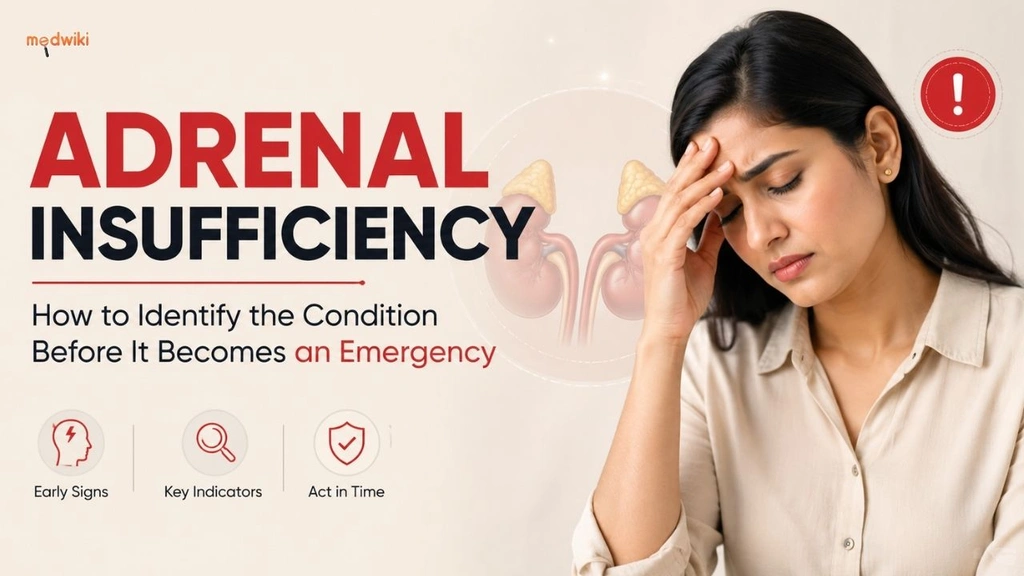
The inability of the adrenal glands to produce adequatecortisoland, in some cases, aldosterone leads to a condition known as adrenal insufficiency. These hormones are essential for regulating metabolism, maintaining blood pressure, supporting immune function, and helping the body respond to physical and emotional stress.Because cortisol influences many body systems, insufficient hormone production can affect energy levels, electrolyte balance, blood sugar regulation, and overall health. The condition may develop gradually or appear suddenly, depending on its underlying cause and severity.Although adrenal insufficiency is relatively rare, prompt diagnosis and lifelong hormone replacement therapy can effectively manage the condition. Recognizing the early warning signs and seeking timely medical care can help prevent serious complications such as an adrenal crisis.What Is Adrenal Insufficiency?Adrenal insufficiency is a hormonaldisorder that occurs when the body cannot produce enough cortisol. Cortisol is often called the "stress hormone" because it helps the body respond to illness, injury, emotional stress, and maintains blood sugar and blood pressure.The adrenal glands sit above each kidney and produce several hormones. When these glands fail to function properly or when the brain fails to stimulate them, cortisol production decreases, causing adrenal insufficiency.The condition may develop gradually over months or appear suddenly during severe illness or injury. Without treatment, adrenal insufficiency can lead to adrenal crisis, a life-threatening emergency requiring immediate medical attention.What Symptoms Should You Watch For in Adrenal Insufficiency?Symptoms of adrenal insufficiency can vary depending on the severity of hormone deficiency and how quickly the condition develops. Many symptoms appear gradually and may be confused with common health issues.Common adrenal insufficiency symptoms include:Persistent fatigueand lack of energyMuscle weakness and reduced physical strengthUnintentional weight loss and decreased appetiteNausea, vomiting, or abdominal discomfortDizziness and episodes of low blood pressureIncreased craving for salty foodsDifficulty concentrating and mood changesRecognizing these symptoms early can help with timely diagnosis and treatment. Without proper management, severe cortisol deficiency may lead to adrenal crisis, which requires immediate medical attention.What Causes Adrenal Insufficiency?Several underlying conditions can interfere with the normal production of adrenal hormones, especially cortisol. Identifying the exact cause is important because treatment strategies depend on the reason behind hormone deficiency.Common causes of adrenal insufficiency include:Autoimmune diseasesthat damage the adrenal glands.Pituitary disorders that reduce ACTH hormone production.Adrenal infections, including tuberculosis in some regions.Adrenal bleeding that affects gland function.Genetic disorders affecting adrenal hormone production.Metastatic cancer involving the adrenal glands.Surgical removal of the adrenal glands.Understanding the cause of adrenal insufficiency helps doctors provide appropriate treatment and prevent complications. Proper medical guidance is especially important for people using corticosteroid medications for a long period.What Are the Different Types of Adrenal Insufficiency?Adrenal insufficiency is divided into two main types depending on where the problem occurs in the hormone system. It may result from direct damage to the adrenal glands or from problems with the pituitary gland, which controls adrenal hormone production.Primary Adrenal InsufficiencyOccurs when the adrenal glands are directly damaged and cannot produce enough hormones.Causes reduced levels of cortisol and, in many cases, aldosterone.Autoimmune adrenal destruction is the most common cause in many regions.Infections such as tuberculosis can also damage the adrenal glands.Secondary Adrenal InsufficiencyDevelops when the pituitary gland fails to produce enough ACTH.Low ACTH levels reduce cortisol production by the adrenal glands.Aldosterone production usually remains unaffected in this type.Symptoms may include fatigue, weakness, and low energy levels.Skin darkening and severe salt loss are generally absent.Understanding the difference between these two types helps in identifying the underlying cause and selecting the right treatment. Early diagnosis and proper hormone management can prevent complications and improve quality of life.What Is Addison’s Disease and How Does It Affect the Body?Addison’s disease is a type of primary adrenal insufficiency that occurs when the adrenal glands become damaged and fail to produce enough essential hormones. It mainly affects cortisol production and may also reduce aldosterone levels.Key points about Addison’s disease include:Autoimmune reactions are the most common cause of adrenal gland damage.Other causes include infections, adrenal bleeding, cancer, and genetic disorders.Skin darkening or hyperpigmentation can occur due to increased ACTH levels.Requires lifelong hormone replacement therapy to maintain normal body function.Proper treatment and regular monitoring help prevent serious complications.Early recognition of Addison’s disease symptoms and timely medical care can improve quality of life and reduce the risk of adrenal crisis.How Does Cortisol Deficiency Affect the Body?Cortisol deficiency occurs when the body does not produce enough cortisol, a vital hormone responsible for regulating metabolism, blood pressure, immune function, and the stress response. Low cortisol levels can affect multiple body systems and reduce the ability to handle physical stress.Key points about cortisol deficiency include:Affects blood sugar regulation, blood pressure control, and energy production.Can cause persistent fatigue, weakness, and reduced physical stamina.May lead to poor appetite, nausea, and unintended weight changes.Can make it harder for the body to recover from infections, surgery, or illness.May cause low blood pressure and dizziness in affected individuals.Early diagnosis and appropriate management of cortisol deficiency can prevent complications and help maintain a better quality of life.How Does Cortisol Deficiency Affect the Body?Cortisol deficiency occurs when the body does not produce enough cortisol, a vital hormone that regulates metabolism, blood pressure, immune function, and the stress response. Low cortisol levels can affect multiple body systems and reduce the body’s ability to handle physical stress.Key effects of cortisol deficiency include:Affects blood sugar regulation, blood pressure control, and energy production.Can cause persistent fatigue, weakness, and reduced physical stamina.May lead to poor appetite, nausea, and unintended weight changes.Can delay recovery from infections, surgery, or other physical stress.May cause low blood pressure, dizziness, and difficulty maintaining energy levels.Early diagnosis and effective management of cortisol deficiency can prevent complications and help maintain a better quality of life.How Is the Adrenocorticotropic Hormone (ACTH) Stimulation Test Used to Diagnose Adrenal Insufficiency?The Adrenocorticotropic Hormone (ACTH) stimulation test is a commonly used diagnostic test to evaluate adrenal gland function and confirm adrenal insufficiency.Key points about the Adrenocorticotropic Hormone (ACTH) stimulation test include:Measures the ability of the adrenal glands to produce cortisol after stimulation.Adrenocorticotropic Hormone (ACTH) naturally signals the adrenal glands to release cortisol.Healthcare providers measure cortisol levels before and after administering synthetic ACTH.Healthy adrenal glands show a significant increase in cortisol levels after stimulation.A reduced cortisol response may indicate adrenal insufficiency.The Adrenocorticotropic Hormone (ACTH) stimulation test plays an important role in diagnosing adrenal insufficiency and determining whether the condition is primary or secondary.How Is Adrenal Insufficiency Treated?Treatment for adrenal insufficiency focuses on replacing hormones that the body cannot produce naturally. Proper hormone replacement therapy helps restore normal body functions and prevents serious complications.Key points about adrenal insufficiency treatment include:Glucocorticoid medications replace missing cortisol levels in the body.Common medicines include hydrocortisone, prednisone, and dexamethasone.Treatment helps maintain blood pressure, sodium balance, and fluid regulation.Medication doses may need adjustment during illness, surgery, or physical stress.Patients may need emergency steroid injections during adrenal crisis situations.Consistent treatment, proper medication use, and awareness of stress-related adjustments help people with adrenal insufficiency maintain a healthy and active life.ConclusionAdrenal insufficiency is a serious but manageable endocrine disorder caused by inadequate cortisol production. Whether it results fromAddison's disease, pituitary disorders, or long-term steroid use, early diagnosis is essential for preventing severe complications.Recognizing symptoms such as fatigue, weight loss,dizziness, low blood pressure, and salt cravings can lead to earlier medical evaluation. Diagnostic tests like the ACTH stimulation test help confirm the condition and identify its underlying cause.With lifelong hormone replacement, stress-dose education, and regular medical monitoring, most people with adrenal insufficiency can lead healthy, productive lives while minimizing the risk of adrenal crisis.(Frequently asked question)FAQsQ1. What is adrenal insufficiency?Adrenal insufficiency is a condition in which the adrenal glands do not produce enough cortisol and other essential hormones.Q2. What are the symptoms of adrenal insufficiency?Common symptoms include fatigue, muscle weakness, weight loss, low blood pressure, nausea, dizziness, and salt cravings.Q3. What causes adrenal insufficiency?Adrenal insufficiency can be caused by autoimmune diseases, infections, pituitary disorders, adrenal gland damage, or long-term steroid use.Q4. What is Addison's disease?Addison's disease is a type of primary adrenal insufficiency caused by damage to the adrenal glands.Q5. What are the symptoms of low cortisol levels?Low cortisol symptoms include fatigue, weakness, low blood sugar, nausea, dizziness, and difficulty handling physical stress.Q6. How is adrenal insufficiency diagnosed?Adrenal insufficiency is diagnosed through blood tests, cortisol measurements, and the Adrenocorticotropic Hormone (ACTH) stimulation test.Q7. What is the Adrenocorticotropic Hormone (ACTH) stimulation test?The Adrenocorticotropic Hormone (ACTH) stimulation test checks how well the adrenal glands produce cortisol after receiving synthetic ACTH.

1:15
Healthy joints rely on proper bone alignment to distribute body weight evenly during movement. When a bone becomes misaligned due toarthritis, injury, or a deformity, it can place excessive pressure on one part of the joint, leading to pain and reduced mobility.In this condition, a surgeon carefully cuts and reshapes the affected bone to restore better alignment and improve the way the joint functions. This correction reduces stress on the damaged area while helping preserve the healthier portion of the joint.Because it helps protect the natural joint, this treatment can delay the need for joint replacement surgery in many people, especially those with early-stageosteoarthritis. It often allows patients to remain active for years before a joint replacement becomes necessary.What Is Osteotomy?Osteotomy is abone realignment surgery in which a surgeon cuts and reshapes a bone to improve its position and function. The procedure helps distribute body weight more evenly across a joint, reducing pain and improving movement.Unlike joint replacement surgery, osteotomy preserves the natural joint instead of replacing it with an artificial implant. It is often recommended for younger and active individuals who want to maintain their natural joints for as long as possible.Depending on the affected area, osteotomy may be performed on the knee, hip, jaw, or other bones. The exact surgical approach depends on the patient's condition, age, activity level, and overall bone health.Signs You May Need Osteotomy SurgeryDoctors recommend osteotomy surgery when bone realignment can improve joint function and reduce pain before severe joint damage occurs.It is commonly performed in the following situations:Early-stage osteoarthritis with preserved joint cartilage.Uneven weight distribution across a joint.Bow legs (genu varum) orknock knees (genu valgum).Bone deformities present since birth.Fractures that healed in an abnormal position.Sports injuries causing joint misalignment.Hip, knee, or other joint alignment abnormalities.A detailed physical examination along with X-rays, CT scans, or MRI helps the orthopedic surgeon determine whether osteotomy is the most suitable treatment option. Early intervention often provides better outcomes by preserving the natural joint and improving long-term mobility.How Is Osteotomy Surgery Performed?The exact surgical technique depends on the affected bone, the severity of the deformity, and the patient's overall joint condition.However, the procedure generally follows these key steps:A detailed physical examination and imaging tests are performed.X-rays, CT scans, or MRI help plan the bone correction.General or regional anesthesia is administered before surgery.The surgeon makes an incision over the affected bone.The bone is carefully cut and realigned into the correct position.Metal plates, screws, or pins are used to stabilize the bone.The incision is closed with stitches or surgical staples.The patient is monitored in the recovery room after surgery.Physical therapy usually begins early to restore movement.Regular follow-up visits monitor bone healing and recovery.Most osteotomy procedures are carefully planned to achieve precise bone alignment while preserving the natural joint. Following the recommended rehabilitation program plays an important role in improving mobility, reducing pain, and ensuring a successful recovery.What Are the Different Types of Osteotomy?Different types of osteotomy are performed depending on the affected bone and the underlying condition. The goal is to restore proper alignment, reduce pain, and improve joint function.High Tibial Osteotomy (HTO) corrects the alignment of the upper shinbone (tibia) to reduce pressure on the damaged side of the knee and treat early-stage knee osteoarthritis.Femoral Osteotomy realigns the thigh bone (femur) to correct hip or knee deformities, improve joint stability, and reduce uneven joint wear.Pelvic Osteotomy reshapes the hip socket to improve hip stability and is commonly performed to treat hip dysplasia in children and young adults.Jaw Osteotomy repositions the upper jaw, lower jaw, or both to correct bite problems, improve chewing, and enhance facial balance.Spinal Osteotomy reshapes the spine to correct severe spinal deformities, improve posture, and relieve pain caused by abnormal spinal alignment.The choice of osteotomy depends on the affected joint, the severity of the deformity, and the patient's overall health. An orthopedic surgeon uses imaging tests and clinical evaluation to determine the most appropriate type for the best long-term outcome.How Does Knee Osteotomy Surgery Help?Knee osteotomy surgery is mainly recommended for people with pain affecting only one side of the knee joint.It is commonly used in the following situations:Early-stage knee osteoarthritis.Bow legs or knock knees.Uneven weight distribution in the knee.Persistent knee pain despite treatment.Younger, active individuals.To delay total knee replacement.Knee osteotomy redistributes body weight more evenly across the joint, helping reduce pain and improve mobility. A structured rehabilitation program with physiotherapy and regular follow-up is essential for restoring strength and achieving long-term success.What Are the Benefits of Osteotomy Surgery?Osteotomy surgery offers several advantages by improving bone alignment and reducing stress on the affected joint.Some of the key benefits include:Relieves joint pain.Preserves the natural joint.Improves joint alignment.Enhances mobility and function.Delays joint replacement surgery.Reduces pressure on damaged cartilage.These benefits are most noticeable when the surgery is performed at the right stage of joint disease and followed by proper rehabilitation. Regular physiotherapy and follow-up care help maximize recovery and support long-term joint health.What Is the Recovery Time After Osteotomy Surgery?Recovery after osteotomy surgery depends on the treated bone, the type of procedure, and the individual's overall health.During recovery, patients are generally advised to:Follow the prescribed rehabilitation plan.Attend regular physiotherapy sessions.Use crutches or a walker if recommended.Gradually increase weight-bearing activities.Eat a calcium andprotein-rich diet.Attend all scheduled follow-up appointments.Most patients regain strength and mobility gradually over several weeks to months with proper rehabilitation. Following the surgeon's instructions and maintaining a healthy lifestyle can promote better bone healing and improve long-term outcomes.ConclusionOsteotomy surgery is an effective treatment for correcting bone deformities, relievingjoint pain, and improving movement while preserving the natural joint. It is commonly used forosteoarthritis,knee pain,hip disorders, certainbone deformities, and selected cases ofosteoporosis-related bone changes affecting weight-bearing joints.Procedures such ashigh tibial osteotomy andfemoral osteotomy help redistribute weight across healthier parts of the joint, making them valuable options for younger and active individuals with early arthritis or bone deformities. When performed at the right stage, osteotomy can significantly delay the need for joint replacement surgery.Althoughosteotomy recovery time requires patience, rehabilitation, and regular follow-up, most patients experience lasting improvements in mobility and quality of life. Consulting an experienced orthopedic surgeon can help determine whetherbone realignment surgery is the right treatment option for your condition.Frequently Asked Questions (FAQs)Q1. What is osteotomy surgery?Osteotomy surgery is a bone realignment procedure that reshapes a bone to improve joint alignment and reduce pain.Q2. When is osteotomy performed?It is performed for conditions such as early osteoarthritis, bone deformities, and abnormal joint alignment.Q3. What is high tibial osteotomy?High tibial osteotomy is a knee surgery that realigns the tibia to shift weight away from the damaged part of the knee.Q4. How long is the osteotomy recovery time?Most patients recover within three to six months, although complete healing may take up to one year.Q5. What are the benefits of osteotomy?Osteotomy relieves pain, improves joint function, preserves the natural joint, and delays joint replacement surgery.Q6. Is femoral osteotomy a major surgery?Yes, femoral osteotomy is a major orthopedic surgery that requires rehabilitation for full recovery.Q7. Can osteotomy delay knee replacement surgery?Yes, osteotomy can delay knee replacement by preserving the natural joint and improving weight distribution.
Shorts

Watermelon Benefits! Stay Hydrated and Healthy in Summer!

Mrs. Prerna Trivedi
Nutritionist

How Can Bael Fruit Keep You Cool And Healthy This Summer?

Drx. Salony Priya
MBA (Pharmaceutical Management)

Can brushing after meals cause damage?
Mrs. Prerna Trivedi
Nutritionist

6 Simple Ways to Get Rid of Bad Breath Naturally!
Mrs. Prerna Trivedi
Nutritionist

Know Us
@2026 Medwiki Pvt Ltd. All Rights Reserved