

1:15
Vaginal infections can cause changes in vaginal discharge, odor, itching, irritation, or discomfort. Many common vaginal infections are treatable and do not directly affect a person's ability to become pregnant when they are diagnosed and treated appropriately.However, some infections can affect reproductive health if they spread beyond the vagina or remain untreated for a long time. Certain sexually transmitted infections, particularly chlamydia and gonorrhea, can sometimes lead to pelvic inflammatory disease, which may affect the reproductive organs.The connection betweenvaginal infections and fertility depends on the type of infection, how long it remains untreated, and whether it spreads to other parts of the reproductive system. Understanding the symptoms and getting appropriate treatment can help reduce the risk of complications that may contribute to female infertility.Can Vaginal Infections Cause Infertility?Most common vaginal infections do not directly cause infertility. However, some infections can spread upward from the vagina or cervix and affect the uterus, fallopian tubes, or other reproductive organs.Infections that reach these areas may cause inflammation and scarring, potentially interfering with the normal movement of an egg or sperm. This is one reason why recognizing persistent infection symptoms and receiving appropriate treatment is important.The effect on fertility depends on the specific infection and whether complications develop. A history of an infection does not automatically mean that a person will have fertility problems.What Are the Common Symptoms of Vaginal Infections?Vaginal infection symptoms can vary depending on the type of infection. Some people may have noticeable symptoms, while others may have mild or no symptoms.Unusual vaginal discharge may differ in color, consistency, or amount.Strong or unplesant odor can occur with certain vaginal infections.Itching or irritation may affect the vaginal or external genital area.Burning during urination can occur with some infections.Vaginal discomfort may become noticeable during daily activities.Pelvic discomfort may occur when an infection has spread beyond the vagina.These symptoms are not specific to one infection, so they cannot reliably identify the cause on their own. A healthcare professional may recommend an examination or testing when symptoms persist or are unusual.Can Bacterial Vaginosis Affect Fertility?Bacterial vaginosis and fertility have been studied because changes in the normal balance of vaginal bacteria may be associated with reproductive health concerns. Bacterial vaginosis occurs when the usual balance of bacteria in the vagina changes.Changes in vaginal bacteria can lead to bacterial vaginosis.Thin or unusual discharge may occur with the condition.A strong vaginal odor can be a noticeable symptom.Mild irritation may occur in some people.Some people have no obvious symptoms despite having bacterial vaginosis.Persistent symptoms should be evaluated by a healthcare professional.Bacterial vaginosis is not the same as pelvic inflammatory disease and does not mean that infertility will occur. However, because vaginal infections can sometimes coexist with other infections, appropriate diagnosis and treatment are important.Can Pelvic Inflammatory Disease Cause Infertility?Pelvic inflammatory disease (PID) is an infection or inflammation involving the female reproductive organs. It can develop when certain infections spread upward from the vagina or cervix into the uterus, fallopian tubes, or nearby reproductive tissues.PID can affect the fallopian tubes and other reproductive organs.Inflammation can damage reproductive tissues.Scarring may develop after an untreated or severe infection.Fallopian tube damage can interfere with the normal movement of an egg.Pelvic pain may occur with PID.Untreated PID can lead to reproductive complications.PID is one of the important ways an infection can affect fertility. Prompt medical evaluation and appropriate treatment can help reduce the risk of complications, although treatment cannot always reverse damage that has already occurred.Can a Yeast Infection Affect Fertility?Ayeast infection and fertility are generally not directly connected. Vaginal yeast infections are usually caused by an overgrowth of Candida and mainly affect the vagina and surrounding tissues.Itching is a common symptom of a yeast infection.Thick white discharge may occur.Redness or irritation can develop around the affected area.Burning may occur, including during urination.Vaginal discomfort can be significant in some cases.Recurring infections may require professional evaluation.A typical yeast infection does not usually damage the reproductive organs or cause infertility. However, symptoms that keep returning or do not improve with appropriate treatment should be evaluated because other conditions can cause similar symptoms.Can STIs Cause Infertility?SomeSTIs and infertility can be connected when an untreated sexually transmitted infection spreads to the upper reproductive tract. Chlamydia and gonorrhea are particularly important because they can sometimes lead to PID.Chlamydia can cause reproductive complications when untreated.Gonorrhea may also spread to the reproductive organs.Some STIs cause few or no symptoms in certain people.Untreated infections may increase the risk of complications.PID can develop after certain untreated infections.Early diagnosis and treatment can help reduce the risk of reproductive damage.Having an STI does not automatically mean that infertility will occur. The risk depends on the infection, whether it spreads, how long it remains untreated, and whether reproductive organs become damaged.How Can Chlamydia Affect Fertility?Chlamydia and infertility are an important health concern because chlamydia may not cause obvious symptoms. When untreated, the infection can sometimes spread from the cervix to the upper reproductive tract and contribute to pelvic inflammatory disease.Chlamydia may cause few symptoms or remain unnoticed.Unusual vaginal discharge can occur in some people.Burning during urination may be a possible symptom.Pelvic discomfort can occur when the infection affects reproductive tissues.PID caused by chlamydia may lead to inflammation and scarring.Fallopian tube damage can potentially make pregnancy more difficult.Appropriate testing and treatment are important because treating chlamydia can help prevent further complications. However, treatment may not reverse reproductive damage that has already occurred.Can Trichomoniasis Affect Fertility?Trichomoniasis and fertility may be a concern because trichomoniasis is a sexually transmitted infection that can cause vaginal and genital symptoms. It is caused by a parasite called Trichomonas vaginalis.Unusual vaginal discharge may occur with the infection.Unpleasant vaginal odor can be noticeable in some cases.Itching or irritation may affect the vaginal area.Burning during urination can occur.Some people have few or no symptoms despite having the infection.Untreated infection may require medical evaluation to prevent ongoing problems.Trichomoniasis is treatable, and appropriate treatment can help clear the infection. Because its symptoms can resemble other vaginal infections, testing may be needed to determine the actual cause rather than assuming that the symptoms are due to a yeast infection or bacterial vaginosis.When Should You See a Doctor for Vaginal Infection Symptoms?Mild changes in vaginal discharge can sometimes occur naturally, but persistent or unusual symptoms should be evaluated. Medical attention is especially important when symptoms are severe, recurrent, or accompanied by pelvic pain or fever.Persistent unusual discharge should be assessed.Strong or unpleasant odor may require evaluation.Severe itching or burning should not be ignored.Pelvic or lower abdominal pain can require prompt assessment.Fever or chills with infection symptoms may indicate a more significant infection.Repeated vaginal infections may need further investigation.A healthcare professional may ask about symptoms, menstrual history, previous infections, medications, and other relevant factors. Testing can help identify the specific infection and determine appropriate treatment.ConclusionVaginal infections and fertility are not always directly connected. Common infections such as yeast infections generally do not cause infertility, while some untreatedsexually transmitted infections can spread and lead to PID, which may affect the reproductive organs.Conditions such aschlamydia and PID are particularly important because inflammation and scarring can damage the fallopian tubes and potentially contribute to female infertility. Early diagnosis and appropriate treatment can help reduce the risk of complications.Not every change in vaginal discharge or discomfort means that fertility is at risk. However, persistent vaginal infection symptoms, pelvic pain, unusual discharge, or symptoms following a possible STI exposure should be evaluated by a healthcare professional to identify the cause and provide appropriate treatment.Frequently Asked Questions1. Can vaginal infections cause infertility?Most common vaginal infections do not directly cause infertility. However, some untreated infections can spread to the reproductive organs and cause PID, which may affect fertility.2. Can a yeast infection cause infertility?A typical yeast infection does not usually cause infertility or damage the reproductive organs. Persistent or recurring symptoms should still be evaluated because other infections can cause similar symptoms.3. Can bacterial vaginosis affect fertility?Bacterial vaginosis does not automatically cause infertility. However, changes in vaginal bacteria may be associated with reproductive health concerns, so persistent symptoms should be appropriately diagnosed and treated.4. Can chlamydia cause infertility?Untreated chlamydia can sometimes spread to the upper reproductive tract and cause PID. Inflammation and scarring from PID may damage the fallopian tubes and affect fertility.5. What is PID and can it affect fertility?PID is an infection or inflammation involving the female reproductive organs. It can cause inflammation and scarring that may damage the fallopian tubes and contribute to fertility problems.6. Can STIs cause female infertility?Some untreated STIs, particularly chlamydia and gonorrhea, can spread to the reproductive organs and cause PID. This can potentially damage reproductive tissues and affect fertility.7. When should I see a doctor for vaginal infection symptoms?See a healthcare professional for persistent or unusual discharge, strong odor, severe itching, pelvic pain, fever, recurring infections, or other symptoms that do not improve.
1:15
Getting pelvic pain after your period can be confusing, especially when you thought the discomfort would go away once your period was over. Sometimes, mild pain can happen because of normalhormonal changes or ovulation, but it can also be linked to other conditions.If the pain keeps coming back or lasts longer than expected, it is worth paying attention to it. Things like endometriosis, ovarian cysts, fibroids, or adenomyosis can sometimes cause pain even after your period has ended.The location, severity, and timing of the pain can provide useful clues about what may be causing it. Conditions such as endometriosis, ovarian cysts, fibroids, and adenomyosis can sometimes cause pelvic discomfort beyond the menstrual period. Understanding the possible causes can help you know when the pain may be temporary and when medical evaluation may be helpful.What Is Pelvic Pain?Pelvic pain refers to discomfort felt in the lower part of the abdomen, below the belly button and around the reproductive organs. It may be felt in the uterus, lower abdomen, pelvis, or sometimes the vaginal area.The pain can feel different from person to person. Some people may experience mild cramping, while others may notice aching, pressure, sharp pain, or discomfort that comes and goes.Pelvic pain can occur during menstruation, around ovulation, or at other times during the menstrual cycle. When pain continues after the period has ended, identifying its pattern and other symptoms can help determine the possible cause.What Causes Pelvic Pain After Your Period?Several conditions can contribute to pain after period ends. Some are related to the reproductive system, while others may involve the urinary or digestive system.EndometriosisEndometriosisis a condition in which tissue similar to the lining of the uterus grows outside the uterus. This tissue can respond to hormonal changes during the menstrual cycle and may cause inflammation and pain.Common symptoms may include:Pelvic pain before, during, or after periodsPain in the lower abdomenPain during bowel movements or urination, particularly around periodsPain during sexual activityHeavy or painful periodsDifficulty becoming pregnant in some casesOvarian CystsOvarian cysts are fluid-filled sacs that can develop on the ovaries. Many cysts are harmless and disappear on their own, but some can cause pelvic discomfort.Depending on their size and type, cysts may cause pain on one side of the lower abdomen. The discomfort may occur during or after periods and can sometimes change with movement or physical activity.Possible symptoms include:Pelvic or lower abdominal painA feeling of pressure or fullnessBloatingPain on one side of the abdomenChanges in menstrual bleedingUterine FibroidsFibroids are non-cancerous growths that develop in or around the uterus. They can vary in size and may not cause symptoms in everyone.When fibroids cause symptoms, they may lead to pressure or pain in the pelvis. Some people may continue to experience discomfort after their period has ended.Symptoms can include:Pelvic pressure or painHeavy or prolonged periodsLower back painFrequent urinationAbdominal fullness or swellingAdenomyosisAdenomyosisoccurs when tissue similar to the uterine lining grows into the muscular wall of the uterus. It can cause the uterus to become enlarged and may lead to painful periods.Possible symptoms include:Painful menstrual periodsPelvic pain between periodsHeavy menstrual bleedingLower abdominal pressureAbdominal tendernessOvulationOvulation can sometimes cause temporary pelvic discomfort. This type of pain is often called mittelschmerz and may occur around the middle of the menstrual cycle.If ovulation happens soon after menstruation, depending on the length of the cycle, the discomfort may be noticed as pain after period ends. Ovulation pain is generally temporary and may occur on one side of the lower abdomen.It may feel like:Mild crampingA sharp or sudden sensationAching on one side of the pelvisShort-lasting lower abdominal discomfortPelvic Inflammatory DiseasePelvic inflammatory disease, or PID, is an infection involving the female reproductive organs. It can develop when certain infections spread upward from the vagina or cervix.PID may cause pelvic pain that does not follow the usual menstrual pattern. Other symptoms may occur along with the pain and should be medically evaluated.Possible symptoms include:Lower abdominal or pelvic painUnusual vaginal dischargePain during sexual activityPain while urinatingFever or feeling unwellIrregular bleedingWhat Does Pelvic Pain After Your Period Feel Like?Post period pain can feel different depending on its underlying cause. The discomfort may be located in the lower abdomen, around the uterus, pelvis, or vaginal area.Some people may notice a dull ache, while others may experience cramping, pressure, or sharper pain. Paying attention to when the pain occurs, how long it lasts, and whether it happens on one or both sides can provide useful information.Common descriptions include:Lower abdomen pain after periodUterus pain after periodVaginal pain after periodCramping or aching in the pelvisPain that comes and goesPressure or heaviness in the lower abdomenCan Ovulation Cause Pain After Your Period?Yes, ovulation can cause temporary pelvic pain in some people. The timing depends on the length of the menstrual cycle, so ovulation does not always happen on the same day for everyone.Ovulation pain may occur on one side of the lower abdomen and usually lasts for a relatively short period. However, severe, persistent, or unusual pain should not automatically be assumed to be caused by ovulation.If pelvic pain repeatedly occurs around the same time each cycle, tracking the pain along with menstrual dates and other symptoms may help a healthcare professional understand the pattern.Can Pelvic Pain After Periods Affect Fertility?Pelvic pain itself does not necessarily mean that fertility is affected. However, some conditions that cause ongoing pelvic pain can also be associated with fertility difficulties.For example, endometriosis can affect reproductive health, while fibroids, pelvic infections, and certain ovarian conditions may also affect fertility in some people.If pelvic pain is persistent or occurs along with irregular periods, painful intercourse, unusual bleeding, or difficulty becoming pregnant, speaking with a healthcare professional can help identify the underlying cause.How Is Pelvic Pain After Your Period Diagnosed?Finding the cause of pelvic pain usually begins with understanding the person's symptoms and menstrual history. A healthcare professional may ask about when the pain started, where it occurs, how severe it is, and whether it changes during the menstrual cycle.Depending on the symptoms, evaluation may include:Medical and menstrual historyPelvic examinationPregnancy testing when appropriateUrine or blood testsPelvic ultrasoundAdditional imaging or testing when necessaryThe specific tests depend on the symptoms and suspected cause.How Is Pelvic Pain After Period Treated?Treatment depends on what is causing the pain. Mild, temporary discomfort may not require specific treatment, while pain caused by an underlying condition may need targeted management.Depending on the cause, treatment may include:Medicines recommended by a healthcare professionalTreatment for infections when presentHormonal treatment for certain conditionsManagement of ovarian cysts when necessaryTreatment for fibroids or endometriosis when indicatedSurgical treatment in selected casesIt is important not to assume that the same treatment will work for every type of pelvic pain. Identifying the underlying cause is an important part of choosing appropriate treatment.ConclusionPelvic pain after period can have several possible causes, ranging from ovulation and temporary hormonal changes to conditions such as endometriosis, ovarian cysts, fibroids, adenomyosis, or pelvic infections. The location, severity, timing, and associated symptoms can help provide clues about the underlying cause.While occasional mild discomfort may not always be concerning, persistent or worsening pain should not be ignored. If pain after period ends continues or regularly returns, a healthcare professional can help determine the cause and recommend appropriate treatment.Frequently Asked Questions1. Is it normal to have pelvic pain after your period?Mild pelvic discomfort can sometimes occur due to ovulation, hormonal changes, or temporary causes. However, persistent or severe pain should be evaluated by a healthcare professional.2. Why do I have pain after my period ends?Pain after your period ends can be linked to ovulation, endometriosis, ovarian cysts, fibroids, adenomyosis, or pelvic infections. The timing and other symptoms can help identify the possible cause.3. Can ovulation cause pelvic pain after a period?Yes, ovulation can cause temporary pelvic pain, often on one side of the lower abdomen. It may occur soon after menstruation depending on the length of your menstrual cycle.4. What causes lower abdomen pain after a period?Lower abdomen pain after a period may be caused by ovulation, endometriosis, ovarian cysts, fibroids, adenomyosis, or urinary and digestive problems. Persistent pain may require medical evaluation.5. Can endometriosis cause pelvic pain after periods?Yes, endometriosis can cause pelvic pain that continues before, during, or after menstruation. It may also cause painful periods, pain during sexual activity, and fertility difficulties in some people.6. Can ovarian cysts cause uterus pain after a period?Ovarian cysts can cause pelvic or lower abdominal pain, although the discomfort does not necessarily come from the uterus. The pain may occur mainly on one side and vary in intensity.7. Can fibroids cause pelvic pain after a period?Yes, fibroids can cause pelvic pressure, lower abdominal discomfort, and pain that may continue after menstruation. They can also be associated with heavy or prolonged menstrual bleeding.
1:15
Having a regular menstrual cycle does not always mean that ovulation is occurring normally. In people withPCOS, hormonal changes can interfere with the regular release of an egg, making conception more difficult for some individuals. However, PCOS does not mean that pregnancy is impossible.The connection betweenPCOS and fertility is mainly related to irregular or absent ovulation. Higher levels of certain hormones, insulin resistance, and changes in ovarian function can affect the menstrual cycle and make ovulation less predictable.With appropriate evaluation and treatment, many people with PCOS are able to conceive and have healthy pregnancies. Understanding how PCOS affects hormones, ovulation, conception, and pregnancy can help with choosing suitable fertility and pregnancy-care options.How Does PCOS Affect Fertility?PCOS can affect fertility primarily by interfering with normal ovulation. Ovulation occurs when an ovary releases an egg, and this process is controlled by a carefully balanced interaction of reproductive hormones. In PCOS, this hormonal pattern may become irregular.When ovulation happens less often or does not occur regularly, there may be fewer opportunities for sperm and egg to meet. This is whyPCOS causes infertility in some people, although the term infertility does not mean that pregnancy can never occur.PCOS can also be associated withinsulin resistance and increased androgen levels, which may further affect ovarian function. The exact combination of symptoms and hormonal changes differs from person to person, so fertility management is usually individualized.What Are the Fertility Treatment Options for PCOS?Treatment depends on whether the goal is to regulate periods, improve ovulation, achieve pregnancy, or address another PCOS-related concern. A healthcare professional may consider the person's age, overall health, ovulation pattern, and other fertility factors.CommonPCOS fertility treatment options may include:Lifestyle measures that support overall metabolic and reproductive healthMedicines used to induce ovulation when appropriateLetrozole for PCOS fertility in suitable individualsClomiphene for PCOS when recommended by a healthcare professionalMetformin for PCOS fertility in selected cases, particularly when insulin resistance is relevantAssisted reproductive techniques such as IVF when other approaches are unsuccessful or when medically appropriateTreatment should be individualized because the most suitable option can differ from one person to another. Fertility treatment should be supervised by a qualified healthcare professional rather than started independently.How Does Ovulation Induction Help With PCOS?For people who are not ovulating regularly,PCOSovulation induction may help stimulate the ovaries to release an egg. Medicines such as letrozole or clomiphene may be considered depending on the individual's situation.Letrozole for PCOS fertility is commonly used as an ovulation-inducing medicine in appropriate patients. Clomiphene is another option that may be considered in certain situations, particularly when a healthcare professional believes it is suitable.Because these medicines can affect ovulation and pregnancy chances, monitoring may be recommended. The treatment plan can depend on the response to medication and whether other fertility factors are present.What Is the Role of Metformin in PCOS Fertility?Metformin for PCOS fertility may be considered for some people with PCOS, particularly when insulin resistance or metabolic concerns are present. It works mainly by improving the body's response to insulin and can influence metabolic health.Metformin is not a fertility medicine for everyone with PCOS, and it does not directly guarantee pregnancy. In some individuals, improving metabolic factors may support more regular ovulation, but its role depends on the person's individual circumstances.A healthcare professional may recommend metformin alone or alongside other treatments when appropriate. It should be used according to medical advice rather than solely for the purpose of achieving pregnancy.Can PCOS and IVF Help With Conception?PCOS and IVF may be considered when other fertility treatments have not resulted in pregnancy or when there are additional fertility factors. IVF involves fertilizing an egg with sperm in a controlled medical setting and transferring an embryo into the uterus.People with PCOS can respond strongly to fertility medicines used during IVF, so fertility specialists carefully plan medication doses and monitoring. This helps reduce the risk of complications associated with excessive ovarian stimulation.IVF is not automatically required for everyone with PCOS. Many people may conceive without IVF, depending on their ovulation, age, reproductive health, and other fertility factors.Can PCOS Increase Pregnancy Risks?PCOS may be associated with a higher likelihood of certain pregnancy complications, although having PCOS does not mean that complications will definitely occur. Appropriate prenatal care can help identify and manage potential concerns early.SomePCOS pregnancy risks that may be monitored include:Gestational diabetes during pregnancyHigh blood pressure and pregnancy-related hypertensive disordersPreeclampsiaPregnancy loss or miscarriageA higher chance of premature birth in some pregnanciesThe level of risk varies depending on individual health factors. Regular pregnancy care, appropriate screening, and management of existing conditions can help support a healthy pregnancy.What Is the Connection Between PCOS and Miscarriage?Research has found an association betweenPCOS and miscarriage, although the reasons can be complex. Hormonal and metabolic factors may contribute, and other factors unrelated to PCOS can also influence pregnancy outcomes.Having PCOS does not mean that miscarriage will happen. Many people with PCOS have successful pregnancies, especially when pregnancy-related health concerns are identified and managed appropriately.Anyone who has experienced pregnancy loss or has concerns about miscarriage should discuss their individual situation with a healthcare professional. The appropriate evaluation depends on personal medical and reproductive history.How Can PCOS Affect Gestational Diabetes and Blood Pressure?PCOS can be associated with metabolic changes such as insulin resistance, which may increase the likelihood ofPCOS and gestational diabetes during pregnancy. This is one reason glucose-related screening and healthy pregnancy habits may receive particular attention.PCOS may also be associated with an increased risk ofhigh blood pressure, including pregnancy-related hypertension. In some pregnancies, this can contribute to the risk of preeclampsia, which requires careful monitoring.These risks do not mean that every person with PCOS will develop gestational diabetes or high blood pressure. Regular prenatal appointments allow healthcare professionals to monitor blood pressure, blood glucose, fetal growth, and other important aspects of pregnancy.How Can You Support a Healthy Pregnancy With PCOS?Once pregnancy occurs,PCOS pregnancy care focuses on routine prenatal monitoring along with attention to factors that may be more relevant because of PCOS. Following medical advice and attending scheduled appointments are important parts of pregnancy care.Helpful approaches may include:Following a balanced and nutritious eating patternMaintaining appropriate physical activity as advised during pregnancyAttending regular prenatal check-upsMonitoring blood pressure and blood glucose when recommendedTaking prescribed prenatal medicines or supplements as directedDiscussing any unusual symptoms promptly with a healthcare professionalThere is no singlePCOS natural fertility treatment that can guarantee pregnancy. Healthy lifestyle measures may support overall health and fertility, but they should complement rather than replace appropriate medical care when fertility treatment is needed.When Should You See a Doctor?People with PCOS who are concerned about fertility can benefit from professional evaluation, particularly when menstrual cycles are consistently irregular or pregnancy is taking longer than expected.Medical advice may be helpful if you have:Very irregular or absent periodsDifficulty identifying or confirming ovulationConcerns about PCOS and conceptionBeen trying to conceive without successA history of miscarriage or pregnancy complicationsSymptoms suggesting high blood pressure, high blood glucose, or other pregnancy concernsA healthcare professional can assess ovulation, reproductive health, metabolic factors, and other possible causes of difficulty conceiving. Early evaluation can help identify an appropriate fertility plan.ConclusionPCOS can affect fertility mainly by causing irregular or absent ovulation, but it does not mean that pregnancy is impossible. Many people with PCOS are able to conceive naturally or with appropriate fertility treatment, depending on their individual circumstances.Treatment options may include lifestyle support, ovulation-inducing medicines such as letrozole or clomiphene, selected use of metformin, and assisted reproductive techniques such as IVF. The right approach depends on the person's reproductive and overall health.During pregnancy, PCOS may be associated with an increased risk of concerns such as gestational diabetes, high blood pressure, preeclampsia, miscarriage, and premature birth. AppropriatePCOS pregnancy care and regular prenatal monitoring can help support maternal and fetal health.For more information about PCOS, fertility, ovulation, pregnancy, and women's reproductive health, explore more informative health articles on Medwiki.Frequently Asked Questions1. Can PCOS affect fertility?Yes. PCOS can affect fertility mainly by causing irregular or absent ovulation.2. Can you get pregnant with PCOS?Yes. Many people with PCOS can become pregnant naturally or with appropriate fertility treatment.3. What fertility treatment is used for PCOS?Treatment may include ovulation-inducing medicines, selected use of metformin, or IVF depending on individual fertility needs.4. Is letrozole used for PCOS fertility?Yes. Letrozole may be used to help induce ovulation in appropriate people with PCOS.5. Can metformin improve fertility in PCOS?Metformin may help some people with PCOS, particularly when insulin resistance or metabolic concerns are present.6. Does PCOS increase pregnancy risks?PCOS may increase the likelihood of certain complications, including gestational diabetes, high blood pressure, and preeclampsia.7. Can PCOS cause miscarriage?PCOS has been associated with an increased risk of miscarriage, but many people with PCOS have healthy pregnancies.
1:15
Recovering after a cesarean birth takes time because a C-section is major abdominal surgery as well as childbirth. During the first few weeks, you may experience pain, tiredness, incision tenderness, difficulty moving, and changes in your daily routine. Knowing what to expect can makeC-Section Recovery easier to manage and help you recognize when you may need medical advice.TheC-Section Recovery Timeline varies from person to person. Recovery may depend on your overall health, whether the C-section was planned or performed after labor, the type of surgery, and whether any complications occurred. Learning aboutC-Section Recovery Week by Week, incision care, walking, exercise, sleeping, diet, and warning signs can help you understand the recovery process.What Is C-Section Recovery?C-Section Recovery is the period after a cesarean delivery when your body heals from surgery and adjusts to thepostpartum period. A C-section involves an incision through the abdomen and uterus, so healing occurs both at the visible scar and in deeper tissues.Duringrecovery after C-section, you may have abdominal soreness, incision tenderness, fatigue, vaginal bleeding, difficulty getting up or changing positions, and discomfort while coughing or laughing. These symptoms generally improve gradually, although the recovery experience is different for every person.How Does C-Section Recovery Progress Week by Week?AC-Section Recovery Timeline varies from person to person. Healing depends on your overall health, the type of C-section, and any complications. The following gives a general idea of what recovery may look like.What Happens in the First Few Days After a C-Section?The first few days focus on healing, pain control, and gentle movement. You may experience incision tenderness, tiredness, vaginal bleeding, and difficulty changing positions. Gentle walking may be encouraged when medically appropriate.What Is C-Section Recovery Like in the First Week?The first week usually involves plenty of rest, incision care, and short walks. Avoid heavy lifting and strenuous activities, and take medicines as prescribed. Getting help with household tasks can also make recovery easier.What Happens During Weeks 2 to 3 After a C-Section?Pain and mobility may gradually improve, but the incision and deeper tissues are still healing. Continue gentle walking, slowly increase light activities, and avoid anything that causes significant pain.What Is C-Section Recovery Like During Weeks 4 to 6?You may gradually return to more everyday activities as your comfort and healing improve. Continue walking as tolerated and ask your healthcare professional when it is appropriate to restart exercise or other strenuous activities.What Happens After 6 Weeks?Six weeks is not a fixed recovery deadline. Your healthcare professional can guide you on returning to exercise, driving, work, sexual activity, and other normal activities based on your individual recovery.Seek medical advice if you develop worsening pain, fever, unusual incision drainage, heavy bleeding, breathing problems, or other concerning symptoms.What Is the Best Way to Care for a C-Section Incision?ProperC-Section Incision Care is important for healing and helps you notice possible problems early. Follow the wound-care instructions given by your healthcare professional.Keep it clean and dry: Follow the recommended instructions for bathing and cleaning the incision.Wear loose clothing: Choose comfortable clothes that do not rub or press against the wound.Check the incision: Look for increasing redness, swelling, warmth, pain, unusual drainage, or wound separation.Avoid unapproved products: Do not apply creams, oils, powders, or herbal products unless recommended.Follow dressing instructions: Change or remove the dressing only as advised by your healthcare team.The incision may remain tender or sensitive for some time. If you notice worsening pain, fever, pus, or other unusual changes, contact your healthcare professional.What Activities Can You Do After a C-Section?After a C-section, you can gradually return to everyday activities as your pain, energy, and incision improve. Start with light activities and increase them according to your recovery and your healthcare professional's advice.Walking: Short, gentle walks can usually be introduced early and increased gradually as you feel comfortable.Climbing stairs: You can use stairs if you feel able, but take them slowly and avoid unnecessary trips during early recovery.Lifting: Avoid heavy lifting during early recovery. Follow your healthcare professional's advice about when to lift heavier objects.Driving: You can consider driving when you can sit comfortably, control the vehicle, use the pedals, and perform an emergency stop without significant pain.Returning to work: The timing depends on your recovery and the physical demands of your job. Desk-based work may be easier to resume than physically demanding work.Sexual activity: You can resumesexwhen you feel physically comfortable and your healthcare professional considers it appropriate.If an activity causes significant or worsening pain, stop and discuss it with your healthcare professional.What Exercise and Yoga Can You Do After a C-Section?Exercise after C-section should be restarted gradually as your body heals. Gentle exercises and suitable yoga may help you return to normal activity, but more strenuous movements should wait until your healthcare professional says they are appropriate.Walking: Start with short, comfortable walks and gradually increase the duration.Pelvic floor exercises: Gentle pelvic floor exercises can support postpartum recovery.Deep breathing: Slow breathing exercises can promote relaxation and gentle movement.Gentle yoga: Simple, low-impact yoga poses may be introduced gradually when comfortable.Avoid intense workouts: Running, jumping, heavy lifting, and strong abdominal exercises should be resumed gradually and with medical guidance.Stop if an exercise or yoga movement causes significant pain or discomfort.What Should You Eat After a C-Section?A balanceddiet after C-section can support energy, healing, and overall postpartum recovery. Focus on nutritious foods and enough fluids while your body recovers from surgery and childbirth.Protein-rich foods: Include eggs, dairy products, pulses, beans, fish, chicken, or other suitable protein sources to support tissue repair.Fruits and vegetables: These provide vitamins, minerals, and fiber that can support overall recovery and bowel regularity.Whole grains and fiber: Foods such as oats, whole-wheat roti, brown rice, and other high-fiber options may help prevent constipation.Iron-rich foods: Include foods such as leafy greens, beans, lentils, eggs, and lean meats to support iron intake after childbirth.Stay hydrated: Drink enough fluids throughout the day, especially if you are breastfeeding.There is no special diet that every person needs after a C-section. Choose a varied, balanced diet that suits your nutritional needs and follow any specific advice from your healthcare professional.How Should You Sleep After a C-Section?Sleeping after C-section can be uncomfortable during the early recovery period because turning in bed or getting up may put pressure on the healing abdominal area. There is no single sleeping position that works for everyone, so choose a position that feels comfortable and does not increase pain around the incision.Sleeping on your back may reduce pressure on the incision, while side sleeping may also be comfortable for some people. Pillows can be used for additional support if needed.When getting out of bed, turn onto your side first and use your arms to help push yourself up. Avoid sudden twisting or movements that cause pain around the incision.Sleep may also be interrupted by feeding and caring for your newborn. Getting help with household chores and other baby-care tasks when possible can give you more time to rest and support recovery.Signs of Infection After C-SectionKnowing thesigns of infection after C-section is essential for recognizing when medical attention may be needed.Contact a healthcare professional if you notice:Increasing redness around the incisionIncreasing warmth or swellingWorsening incision painPus or unusual drainageFoul-smelling dischargeFever or chillsThe incision opening or separatingIncreasing tendernessFeeling increasingly unwellThese symptoms do not automatically mean that an infection is present, but they should be medically assessed.When to Contact a Doctor After a C-SectionContact your obstetrician, doctor, midwife, or maternity care team if you are concerned about yourC-Section Recovery.Medical advice may be needed if your pain is worsening, your incision is becoming increasingly red or swollen, you develop fever, you notice unusual drainage, or you experience heavy bleeding or other unexpected symptoms.Your postpartum appointments can also provide an opportunity to discuss incision healing, pain, exercise, contraception, breastfeeding, sleep, emotional well-being, and returning to normal activities.ConclusionC-Section Recovery takes time, and healing can vary from person to person. Following a gradualC-Section Recovery Timeline, getting enough rest, caring for the incision, eating a balanced diet, and slowly increasing activities can supportrecovery after C-section.Properpost C-section care also includes gentle walking, returning to exercise and yoga gradually, getting comfortable sleep, and avoiding heavy lifting until you are medically ready. Paying attention to your incision and knowing thesigns of infection after C-section can help you recognize when medical advice is needed.There is no single recovery schedule that works for everyone. Follow your healthcare professional's advice and give your body time to heal before returning to your usual activities. FollowMedwikifor more!Frequently Asked Questions About C-Section Recovery1. How long does it take to recover from a C-section?Initial C-section recovery commonly takes several weeks. Many people need around four to six weeks before returning to many normal activities, but complete recovery varies and can take longer.2. When can I start walking after a C-section?Gentle walking may begin soon after surgery when your healthcare team says it is safe. Start slowly and increase your activity gradually according to your comfort and medical advice.3. When can I exercise after a C-section?Gentle movement can often be introduced early, while strenuous exercise and high-impact activities should generally wait until healing has progressed and your healthcare professional advises that they are appropriate.4. How should I care for my C-section incision?Keep the incision clean and follow your healthcare team's instructions. Avoid unnecessary rubbing and monitor the wound for increasing redness, swelling, pain, drainage, wound separation, or other changes.5. When can I sleep normally after a C-section?There is no fixed date for returning to your preferred sleeping position. Choose a position that feels comfortable and does not place painful pressure on the incision. Move slowly when changing positions or getting out of bed.6. What foods are good after a C-section?A balanced diet containing protein, fruits, vegetables, whole grains, fiber, iron-rich foods, and adequate fluids can support overall postpartum recovery.7. What are the signs of infection after a C-section?Common warning signs include increasing redness, warmth, swelling or pain around the incision, pus or unusual drainage, foul-smelling discharge, fever, chills, feeling unwell, or the wound opening. Contact a healthcare professional promptly if these occur.

1:15
Pregnancy can bring many changes to sleep, emotions, and daily routines, which may also affect the way dreams are experienced.Pregnancy dreams may feel unusually vivid, emotional, strange, or memorable compared with dreams before pregnancy.Some people experienceweird dreams during pregnancy, while others may have recurring dreams, nightmares, or dreams related to their baby. Changes in sleep patterns, pregnancy hormones,stress, and waking more frequently during the night may make dreams easier to remember.Vivid dreams are generally a normal part of pregnancy and do not necessarily indicate a problem. However, severe sleep disturbances, persistent nightmares, anxiety, or significant daytime fatigue may need to be discussed with a healthcare professional.How Does Pregnancy Affect Your Sleep and Dreams?Pregnancy can change sleep patterns because of hormonal shifts, physical discomfort, and emotional changes. As the body adjusts to pregnancy, some people may wake more often during the night or find it harder to maintain their usual sleeping routine.Interrupted sleep can make dreams feel more vivid or memorable because waking shortly after dreaming makes it easier to recall what happened. This can make ordinary dreams seem more frequent or intense than they were before pregnancy.Thesesleep changes during pregnancy can occur at different stages and may become more noticeable aspregnancy progresses. Changes in sleep do not necessarily mean that something is wrong, but persistent sleep problems or significant daytime fatigue should be discussed with a healthcare professional.How Do Hormonal Changes Affect Dreams During Pregnancy?Hormonal changesare an important part of pregnancy and can affect several body functions, including sleep and mood. Shifts in hormones may contribute to changes in sleep patterns and emotional responses, which can influence the experience of dreaming.During pregnancy, changing hormone levels may make some people feel more tired during the day or experience disrupted sleep at night. These changes can make dreams feel more intense or emotionally significant.The effect ofhormonal changes during pregnancy varies between individuals. Some people may notice more vivid dreams, while others may not experience any noticeable change in their dreaming patterns.Can Stress and Anxiety Cause Pregnancy Dreams?Stress and anxiety can influence sleep and may contribute to more intense or disturbing dreams. Pregnancy can bring many emotional and practical changes, and concerns about health,childbirth, parenting, or other responsibilities may appear in dreams.Pregnancy stress may affect sleep quality and dream patterns.Anxiety during pregnancy can make it harder to relax before sleeping.Emotional concerns may influence dream themes.Worry about childbirth may appear in dreams for some people.Changes in daily routines can contribute to emotional stress.Poor sleep quality may make disturbing dreams feel more noticeable.Having an occasional stressful dream is not necessarily a sign of an anxiety disorder. However, persistent anxiety that affects sleep, daily activities, or emotional wellbeing should be discussed with a healthcare professional.Why Do Pregnancy Nightmares Happen?Pregnancy nightmares can occur for many of the same reasons that vivid dreams occur. Changes in sleep, emotional stress, physical discomfort, and worries related to pregnancy may contribute to unpleasant or frightening dreams.Stressful thoughts may influence the emotional content of dreams.Pregnancy anxiety can make sleep more difficult.Frequent waking may make nightmares easier to remember.Physical discomfort can disturb sleep during the night.Major life changes may contribute to emotionally intense dreams.Sleep deprivation may worsen overall sleep quality.Nightmares do not predict future events or mean that something bad will happen to the pregnancy. If nightmares happen frequently and cause significant distress or fear of sleeping, professional support may be helpful.Are Dreams About the Baby Normal During Pregnancy?Yes,dreams about baby during pregnancy can occur and may reflect thoughts, expectations, hopes, or concerns about pregnancy and parenthood. These dreams can be positive, unusual, emotional, or sometimes confusing.Dreaming about the baby may reflect anticipation of parenthood.Baby-related thoughts may become more prominent during pregnancy.Concerns about childbirth may influence dream themes.Emotional changes can affect the content of dreams.Dreams may change as pregnancy progresses.Dream content does not predict the baby's health or future personality.Dreams are a normal part of sleep and do not provide a medical assessment of the pregnancy. Concerns about the baby's health should be discussed through appropriate prenatal care rather than interpreted from dreams.Are Dreams Different in the Third Trimester?Dreams may feel particularly vivid during thethird trimester because sleep can become more fragmented as the abdomen grows and physical discomfort increases. Frequent waking may also make dreams easier to recall.Physical discomfort may make it harder to stay asleep.Frequent urination can interrupt nighttime sleep.Changing sleep positions may cause repeated awakenings.Back or leg discomfort may affect sleep quality.Pregnancy fatigue can increase the need for rest.Emotional preparation for childbirth may influence dream themes.Not everyone experiences more vivid dreams during the third trimester. Sleep changes can vary considerably depending on physical comfort, stress levels, and individual sleep patterns.Can Pregnancy Cause Sleep Problems and Insomnia?Pregnancy can cause severalpregnancy sleep problems, including difficulty falling asleep, frequent waking, and difficulty returning to sleep. These changes may become more noticeable as pregnancy progresses.Physical discomfort can make finding a comfortable sleeping position difficult.Frequent urination may interrupt nighttime sleep.Heartburn or reflux can make lying down uncomfortable.Anxiety or stress may make it difficult to relax.Hormonal changes can influence sleepiness and sleep patterns.Pregnancy insomnia may develop when sleep difficulties become persistent.Occasional sleep disruption is common, but ongoing insomnia can contribute to daytime fatigue and reduced wellbeing. Persistent sleep problems should be discussed with a healthcare professional.What Can Help With Pregnancy Dreams and Sleep Disturbances?Improving sleep habits may help reduce sleep disturbances and make vivid or disturbing dreams easier to manage. The best approach depends on the individual's symptoms and stage of pregnancy.Maintaining a regular sleep schedule can support consistent sleep patterns.Creating a relaxing bedtime routine may help the body prepare for sleep.Keeping the bedroom comfortable can make resting easier.Managing stress before bed may reduce emotional stimulation at night.Gentle pregnancy-appropriate activity may support overall sleep quality.Discussing persistent sleep problems with a healthcare professional can help identify appropriate solutions.Avoiding unnecessary worry about the meaning of dreams can also be helpful. Pregnancy dreams are generally a normal sleep experience rather than a warning or prediction.When Should You Seek Help for Pregnancy Sleep Problems?Occasional vivid dreams or nightmares are usually not concerning. However, persistent sleep disturbances can affect daytime functioning, mood, and overall wellbeing.Frequent nightmares that cause significant distress should be discussed.Persistent insomnia may require professional guidance.Severe daytime fatigue can be a sign of inadequate sleep.Ongoing anxiety that interferes with daily life should be addressed.Difficulty functioning during the day may indicate significant sleep disruption.Persistent emotional distress deserves appropriate support.A healthcare professional can help determine whether sleep problems are related to normal pregnancy changes, anxiety, another health concern, or a combination of factors.ConclusionPregnancy dreams can become more vivid, emotional, strange, or memorable because pregnancy affects hormones, emotions, and sleep patterns. Frequent nighttime waking may also make dreams easier to remember.Stress, anxiety, physical discomfort, pregnancy insomnia, and changes in sleep can all influence how dreams are experienced. Dreams about the baby or occasional nightmares are generally normal and do not predict pregnancy outcomes.Improving sleep habits and managing stress may help support better rest during pregnancy. Persistent nightmares, severe sleep deprivation, ongoing anxiety, or significant daytime fatigue should be discussed with a healthcare professional.Frequently Asked Questions1. Are vivid dreams normal during pregnancy?Yes, vivid dreams are common during pregnancy. Hormonal changes, emotional changes, physical discomfort, and interrupted sleep can make dreams feel more intense or easier to remember.2. Why am I having weird dreams during pregnancy?Weird dreams may be influenced by hormonal changes, stress, anxiety, changes in sleep patterns, and the emotional adjustments that can occur during pregnancy.3. Are pregnancy nightmares a sign that something is wrong?Usually, no. Pregnancy nightmares can occur because of stress, anxiety, sleep disruption, or emotional changes and do not predict that something bad will happen.4. Why am I dreaming about my baby during pregnancy?Dreams about a baby may reflect thoughts, expectations, hopes, or concerns about pregnancy and parenthood. Dream content does not predict the baby's health or future.5. Can pregnancy cause insomnia?Yes, pregnancy can contribute to insomnia because of physical discomfort, frequent urination, heartburn, hormonal changes, stress, or difficulty finding a comfortable sleeping position.6. Are pregnancy dreams more common in the third trimester?Some people notice more vivid or memorable dreams during the third trimester because sleep can become more fragmented. However, dream experiences vary between individuals.7. When should I seek help for pregnancy sleep problems?Professional advice may be helpful when nightmares, insomnia, anxiety, or sleep disturbances persist and significantly affect daytime functioning, mood, or overall wellbeing.
1:15
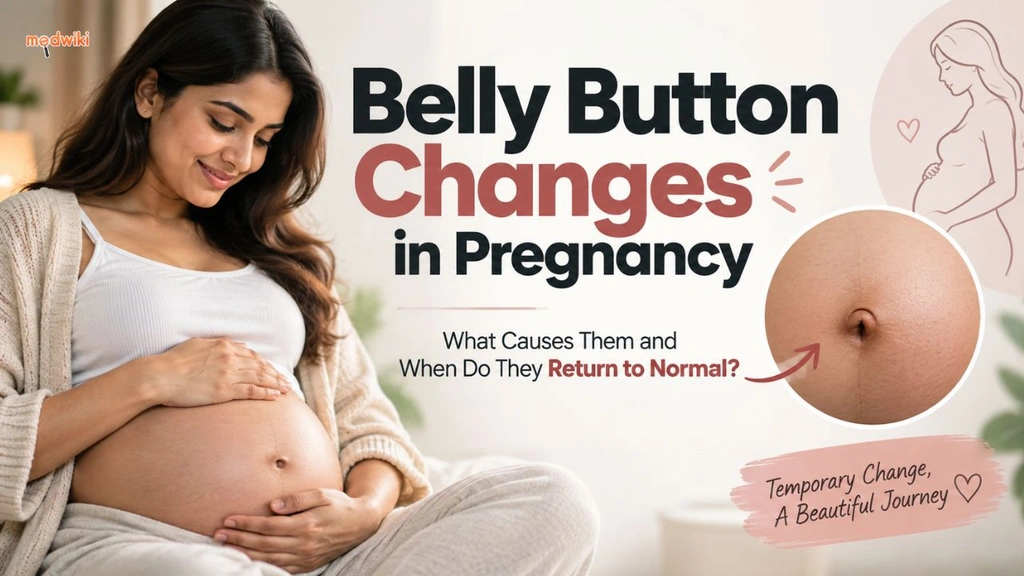
As the abdomen grows during pregnancy, the skin and tissues around the navel can change in appearance and sensation.Belly button changes during pregnancy may include the navel becoming flatter, stretching outward, or becoming more noticeable as the abdomen expands.Some people notice the pregnancy belly button changes gradually, while others may see their navel become more prominent during the second or third trimester.Itching, tenderness, and changes in the surrounding skin may also occur as the abdomen stretches.Most belly button and abdominal changes are a normal part of pregnancy. However, severe pain, a new painful bulge, significant redness, or other unusual symptoms should be evaluated by a healthcare professional.Why Does Your Belly Button Change as Your Belly Grows During Pregnancy?As theuterus grows, the abdomen gradually expands and the skin and tissues around the navel stretch to accommodate these changes. This can make thepregnancy belly button look flatter, wider, or more prominent as pregnancy progresses.The extent ofpregnant belly changes can vary from person to person. Some people may notice changes early in pregnancy, while others may not see significant navel changes until the second or third trimester as the growing belly becomes larger.Thesepregnancy abdominal changes are usually a normal part of pregnancy and do not indicate a problem by themselves. The shape and position of the belly button may also depend on individual anatomy, skin elasticity, and how the abdomen changes during pregnancy.What Happens to Your Belly Button During Pregnancy?The belly button can change as the uterus grows and the abdominal wall stretches. A navel that was previously inward may become flatter or protrude as the abdomen expands.Belly button shape may change as the abdomen grows.An innie may become an outie as pressure makes the navel more prominent.The skin around the navel may become tighter.The belly button may look flatter before becoming more noticeable.Navel pigmentation may become darker during pregnancy.The timing of changes varies from person to person.These changes are usually temporary and are related to normal abdominal expansion. The appearance of the belly button does not indicate how healthy a pregnancy is.Can Belly Button Itching or Tenderness Happen During Pregnancy?Yes, itching or tenderness around the navel can occur as the skin stretches and the abdomen grows.Belly button itching during pregnancy may be related to dryness, stretching, or increased skin sensitivity.Abdominal skin stretching can make the skin feel tight or itchy.Dry skin may increase irritation around the navel.Increased sensitivity can make the belly button feel tender.Clothing friction may irritate stretched skin.Growing belly during pregnancy can increase tension around the abdomen.Skin changes may occur with stretch marks or pigmentation.Keeping the skin moisturised and avoiding irritating fabrics may help with mild discomfort. Severe or widespread itching should be discussed with a healthcare professional.What Pregnancy Skin Changes Can Affect the Belly Button?Pregnancy can cause several skin changes because ofhormonal fluctuations and physical stretching. These may affect the appearance of the navel and surrounding abdominal skin.Skin darkening may occur around the belly button.Stretch marks may develop as the abdominal skin expands.Dryness or itching can occur as the skin stretches.Increased pigmentation may make the navel appear darker.Visible veins may become more noticeable.Skin texture may temporarily change during pregnancy.Thesepregnancy skin changes often become less noticeable after delivery. Gentle skin care and moisturising may help maintain comfort.Can Belly Button Changes Tell You Anything About the Baby?Changes in the belly button are mainly related to abdominal growth, stretching, and individual body structure. The appearance of the navel does not indicate the baby's sex, health, or development.Belly button shape naturally differs between people.A popping-out navel does not indicate the baby's gender.Pregnant belly changes do not reliably predict the baby's health.Navel changes are usually related to abdominal stretching.Different pregnancies may cause different changes.Pregnancy symptoms should be assessed as a complete pattern.Regular prenatal check-ups are more useful for monitoring pregnancy and fetal development. Concerning symptoms should always be discussed with a healthcare professional.Can an Umbilical Hernia Cause a Belly Button Bulge During Pregnancy?Pregnancy can make an existingumbilicalhernia more noticeable or contribute to a bulge near the navel. An umbilical hernia occurs when tissue pushes through a weakened area of the abdominal wall.A small bulge near the navel may become more visible.Pregnancy pressure can make an existing hernia noticeable.Some hernias cause little discomfort and appear as a soft bulge.Pain or tenderness around a bulge should be evaluated.A firm or painful bulge may require prompt assessment.Sudden severe symptoms should not be assumed to be normal.Not every protruding belly button is caused by a hernia. A healthcare professional can examine a new or unusual bulge and determine whether further evaluation is needed.What Happens to the Belly Button After Pregnancy?Thepostpartum belly button may gradually change as the abdominal tissues and skin adjust after delivery. A navel that became flatter or protruded during pregnancy may become less prominent over time.Abdominal skin may gradually become less stretched.A protruding navel may become less noticeable.Loose skin can remain around the abdomen for some time.Stretch marks may gradually fade but not disappear completely.Postpartum body changes can continue for months.The belly button may not look exactly the same as before pregnancy.Recovery varies between individuals. Persistent pain or a noticeable bulge around the navel should be discussed with a healthcare professional.What Can Help With Belly Button Discomfort During Pregnancy?Mild belly button discomfort during pregnancy may occur as the abdominal skin and tissues stretch and the growing uterus puts more pressure on the area. Simple measures can help reduce irritation and make the area more comfortable.Gentle moisturising may help soothe dry or itchy skin around the navel.Loose, comfortable clothing can reduce pressure and friction against the belly button.Avoiding scratching can help prevent further skin irritation or soreness.Using gentle skin-care products may reduce irritation in sensitive areas.Changing positions regularly may help reduce pressure on the abdomen.Discussing persistent discomfort with a healthcare professional can help identify an underlying cause.Mild discomfort is usually manageable with simple comfort measures. However, pain that becomes severe, persistent, or is accompanied by a firm bulge, swelling, redness, or warmth should be medically evaluated.ConclusionBelly button changes during pregnancy commonly result from the growing uterus, abdominal skin stretching, and changes in the abdominal wall. The navel may become flatter, more prominent, or temporarily change from an innie to an outie.Itching, tenderness, pigmentation, and stretch marks can also occur as part of normal pregnancy skin changes. Most of these changes are temporary and may become less noticeableafter delivery.Severe pain, a firm or painful bulge, significant swelling, redness, or other unusual symptoms should be evaluated by a healthcare professional. Understanding normal pregnancy abdominal changes can help distinguish expected changes from symptoms requiring medical attention.Frequently Asked Questions1. Is it normal for your belly button to pop out during pregnancy?Yes, the belly button may become flatter or pop outward as the uterus grows and the abdominal skin stretches. This is usually a normal pregnancy change.2. When does your belly button pop out during pregnancy?There is no specific time. Some people notice an innie-to-outie change during the second or third trimester, while others may not experience it.3. Can your belly button itch during pregnancy?Yes, itching can occur because the abdominal skin stretches and becomes dry or sensitive. Severe or widespread itching should be discussed with a healthcare professional.4. Why is my belly button tender during pregnancy?Tenderness may result from stretching of the abdominal skin and tissues as the belly grows. Persistent or severe tenderness should be evaluated.5. Can pregnancy cause an umbilical hernia?Pregnancy can make an existing umbilical hernia more noticeable and may contribute to a bulge around the navel. A new or painful bulge should be assessed.6. Does the belly button go back after pregnancy?In many cases, the belly button becomes less prominent as the abdominal tissues adjust after delivery. However, it may not return exactly to its previous appearance.7. When should I see a doctor for belly button changes during pregnancy?Medical advice is recommended for severe pain, a painful or firm bulge, significant swelling, redness, warmth, or other unusual symptoms around the belly button.
1:15
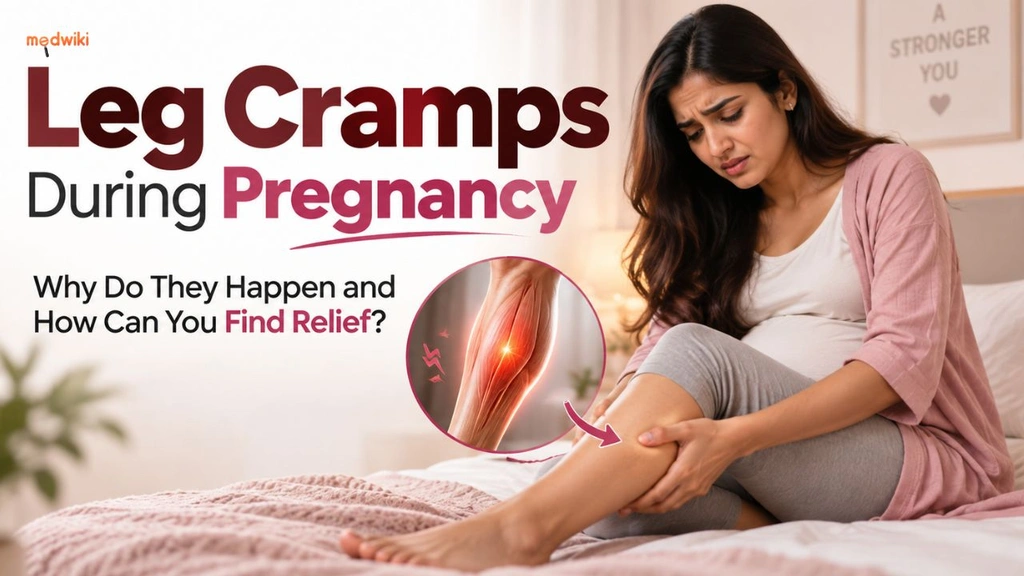
During pregnancy, sudden muscle tightening or pain in the calf or other leg muscles is a common discomfort. Theseleg cramps during pregnancy may occur as the body undergoes changes in weight, circulation, and muscle function, and they often last for a short time.Some people experienceleg cramps at night during pregnancy, which can interrupt sleep and make it difficult to get comfortable. Changes in blood circulation, muscle fatigue, stretching, and pressure from the growing uterus may contribute to these cramps.Occasional cramps are usually not a serious concern, but persistent or severe leg pain should not be ignored.Leg pain with significant swelling, redness, warmth, or sudden tenderness may require prompt medical evaluation.What Are Leg Cramps During Pregnancy?Leg cramps are sudden, involuntary tightening of a muscle that can cause temporary pain and stiffness. During pregnancy, these cramps commonly affect the calf muscles but may also occur in other parts of the legs.Pregnancy leg cramps can happen at different times of the day, although many people notice them while resting or sleeping. The muscle may feel tight during the cramp and remain slightly sore afterward.These cramps can occur because pregnancy affects muscles, circulation, body weight, and the way the legs are used. Identifying possible triggers may help reduce how often they occur.What Causes Leg Cramps During Pregnancy?Several changes during pregnancy may contribute to muscle cramps. Sometimes, more than one factor may be involved, particularly as pregnancy progresses and the body experiences increasing physical demands.Changes in blood circulation may affect blood flow to the legs and contribute to muscle discomfort.Growing uterine pressure can place pressure on blood vessels and nerves in the lower body.Musclefatiguemay occur as the body carries additional weight and the legs work harder.Dehydration may contribute to muscle discomfort and cramping.Mineral changes involving magnesium, calcium, or potassium may sometimes be associated with muscle cramps.Pregnancy-related changes do not always have one specific cause. Paying attention to hydration, activity, rest, and other symptoms may help identify factors that make cramps more noticeable.Why Do Leg Cramps Happen at Night During Pregnancy?Leg cramps at night during pregnancy are particularly common because the muscles remain inactive for longer periods while resting. Changes in circulation and muscle fatigue accumulated during the day may also contribute to nighttime discomfort.Reduced movement during sleep may affect circulation and muscle activity.Muscle fatigue during the day can make cramps more noticeable when the legs are resting.Changes in blood circulation may become more noticeable as pregnancy progresses.Sleeping in one position for a long time may contribute to leg discomfort in some people.Dehydration may increase the likelihood of muscle discomfort.Gentle stretching before bedtime and maintaining adequate fluid intake may help some people reduce nighttime cramps. However, frequent or severe cramps should be discussed with a healthcare professional.Can Pregnancy Circulation Cause Leg Cramps?Blood circulation changes are a normal part of pregnancy and help support the growing baby. As the uterus grows, it can put pressure on nearby blood vessels, which may affect blood flow from the lower body back toward the heart.Increased blood volume occurs during pregnancy to support the changing needs of the body.Uterine pressure may affect blood flow through veins in the lower body.Reduced circulation may contribute to feelings of heaviness or discomfort in the legs.Long periods of standing can make leg discomfort more noticeable.Long periods of sitting may also contribute to swelling and discomfort.Changes inblood circulation during pregnancy can contribute to leg discomfort, but not every episode of leg pain is caused by normal pregnancy changes. Sudden or one-sided leg swelling, warmth, redness, or significant pain should be medically evaluated.Can Magnesium or Calcium Deficiency Cause Pregnancy Muscle Cramps?Magnesiumand calcium are important minerals involved in normal muscle and nerve function. Changes in nutritional intake or mineral levels may sometimes contribute to muscle symptoms, although cramps during pregnancy do not necessarily mean that a person has a deficiency.Magnesium plays a role in normal muscle and nerve function.Calcium is important for muscle contraction and bone health.Magnesium deficiency during pregnancy may cause other symptoms in addition to muscle problems when it occurs.Calcium deficiency during pregnancy may affect bone and muscle health if nutritional needs are not met.Balanced nutrition helps provide important vitamins and minerals during pregnancy.A person should not assume that pregnancy cramps are caused by a mineral deficiency or start supplements without medical advice. A healthcare professional can assess dietary intake, symptoms, and whether testing or supplementation is appropriate.Can Potassium Levels Be Linked to Muscle Cramps During Pregnancy?Potassium helps nerves and muscles function normally, and abnormal potassium levels can sometimes cause muscle-related symptoms. However, ordinary pregnancy leg cramps do not necessarily mean that potassium levels are low.Potassium supports normal muscle function and helps maintain proper nerve signalling.Low potassium levels can sometimes cause muscle weakness or cramping.Vomiting or prolonged fluid loss may affect electrolyte levels in some situations.Dietary intake contributes to maintaining normal potassium levels.Other electrolyte changes may also contribute to muscle symptoms.Eating a varied, balanced diet can help provide essential nutrients during pregnancy. Potassium supplements or significant dietary changes should be discussed with a healthcare professional, particularly during pregnancy.Can Pregnancy Swelling Make Leg Pain Worse?Swelling in the feet and legs is common during pregnancy, particularly later in pregnancy. Increased fluid in the body and pressure on blood vessels can contribute to swelling, heaviness, and discomfort in the lower limbs.Fluid retention may cause swelling around the ankles and feet.Uterine pressure can affect blood returning from the legs.Prolonged standing may make swelling and discomfort more noticeable.Hot weather may sometimes increase swelling during pregnancy.Gentle movement can help maintain normal circulation.Sudden or severe swelling may require medical evaluation, particularly when accompanied by other concerning symptoms.Mild swelling that develops gradually is often part of normal pregnancy changes. However, sudden swelling, especially when it affects the face or hands or occurs with severe headache or vision changes, should be discussed promptly with a healthcare professional.What Can Help Relieve Leg Cramps During Pregnancy?Relief for pregnancy leg cramps usually focuses on gentle stretching, movement, hydration, and reducing muscle strain. The safest approach may vary depending on the stage of pregnancy and the person's overall health.Gentle calf stretching may help relax a cramped muscle.Light movement can help keep the leg muscles active and support circulation.Staying hydrated may help prevent discomfort associated with inadequate fluid intake.Avoiding prolonged standing can reduce unnecessary strain on the leg muscles.Comfortable footwear may help reduce stress on the legs during daily activities.If cramps occur, gently stretching the affected muscle may provide relief. Regularpregnancy exercise should be appropriate for the individual's health and pregnancy, so activities should be discussed with a healthcare professional when there are concerns or complications.ConclusionLeg cramps during pregnancy can occur because of changes in circulation, muscle fatigue, body weight, hydration, and other pregnancy-related changes. Night time cramps are particularly common and may temporarily disturb sleep.Gentle stretching, regular movement, adequate hydration, comfortable footwear, and pregnancy-appropriate exercise may help reduce occasional muscle discomfort. Nutritional deficiencies should not be assumed without appropriate medical assessment.Most pregnancy muscle cramps are temporary, but severe, persistent, or one-sided leg pain with swelling, redness, warmth, or breathing problems requires medical attention. A healthcare professional can identify the cause and recommend appropriate care.Frequently Asked Questions1. Are leg cramps normal during pregnancy?Yes, occasional leg cramps are common during pregnancy, particularly in the calves. Changes in circulation, muscle fatigue, body weight, and other pregnancy-related factors may contribute to them.2. Why do I get leg cramps at night during pregnancy?Nighttime cramps may be related to muscle fatigue, reduced movement during sleep, changes in circulation, dehydration, or other pregnancy-related changes.3. Can magnesium deficiency cause leg cramps during pregnancy?Magnesium is important for normal muscle and nerve function, and low levels may contribute to muscle symptoms. However, pregnancy cramps do not always indicate magnesium deficiency.4. Can calcium deficiency cause muscle cramps during pregnancy?Calcium is needed for normal muscle contraction and bone health. Low calcium levels can contribute to muscle symptoms, but supplements should only be taken when recommended by a healthcare professional.5. Can dehydration cause pregnancy leg cramps?Dehydration may contribute to muscle discomfort and cramping. Drinking enough fluids throughout the day can help maintain normal hydration during pregnancy.6. How can I relieve leg cramps during pregnancy?Gentle stretching, light movement, adequate hydration, comfortable footwear, and pregnancy-appropriate exercise may help reduce occasional cramps and leg discomfort.7. When should I see a doctor for leg pain during pregnancy?Medical advice is important when leg pain is severe or persistent, or when it occurs with one-sided swelling, redness, warmth, sudden tenderness, chest pain, or difficulty breathing.
1:15
Feeling sick after waking up is often linked to pregnancy, but it can also occur for many other reasons.Morning nausea when not pregnant may be caused by acid reflux, digestive problems, anxiety, dehydration,blood sugar changes, hormonal fluctuations, or certain medicines.The cause can often be understood by looking at when nausea occurs and whether it comes with symptoms such as vomiting, stomach discomfort,dizziness, or heartburn. Some people feel nauseous only after waking, while others may experience it throughout the day.Occasional nausea is usually not a serious concern, but persistent or severe symptoms may need medical attention. Nausea with repeated vomiting, severe abdominal pain, dehydration, fainting, blood in vomit, or unexplained weight changes should be evaluated by a healthcare professional.What Is Morning Nausea?Morning nausea refers to a feeling of sickness or discomfort in the stomach that occurs after waking or during the early part of the day. Some people may experience nausea without vomiting, while others may also have symptoms such as poor appetite, stomach discomfort, dizziness, orweakness.Nausea is a symptom rather than a disease itself. It can develop when the digestive system, nervous system, hormones, or other body processes are affected. The timing of nausea can sometimes provide clues about its possible cause.Although morning nausea is often associated with pregnancy, it can also occur in people who are not pregnant. Identifying other symptoms and possible triggers can help a healthcare professional determine the underlying reason.Can You Have Morning Sickness Without Being Pregnant?Yes, nausea in the morning can occur without pregnancy. The termmorning sickness is commonly associated with pregnancy, but nausea after waking can have many other causes.Acid reflux, anxiety, an empty stomach, low blood sugar, certain medicines, infections, and digestive conditions may contribute to morning nausea. Sleeping poorly or eating a heavy meal close to bedtime may also make some digestive symptoms more noticeable in the morning.Therefore, experiencing nausea after waking does not automatically mean that a person is pregnant. If pregnancy is possible, a pregnancy test can help clarify the situation, while persistent symptoms should be discussed with a healthcare professional.What Are the Common Causes of Morning Nausea?Morning nausea can happen for several reasons, and sometimes more than one factor may contribute to the symptoms. Lifestyle habits, digestive issues, and changes in daily routines can all make nausea more noticeable after waking.Empty stomach or prolonged fasting can cause nausea, weakness, or dizziness after waking.Dehydration may contribute to nausea when the body does not get enough fluids.Acid reflux or heavy meals at night can cause stomach discomfort and nausea in the morning.Low blood sugar may lead to nausea, weakness, shakiness, or dizziness after fasting overnight.Anxiety, stress, or poor sleep can affect digestion and make morning nausea worse.Certain medicines or digestive problems may cause nausea, particularly when taken on an empty stomach.Noticing patterns related to food, sleep, stress, medicines, and other symptoms may help identify the possible cause. Frequent or severe morning nausea should be discussed with a healthcare professional.How Can Acid Reflux and Gastroesophageal Reflux Disease Cause Morning Nausea?Acid reflux can cause morning nausea when stomach contents move back into the oesophagus. Symptoms may become more noticeable after lying down for several hours during sleep, especially after eating a large or late meal before bedtime.Acid reflux may cause nausea along with heartburn, burping, or a sour taste.Large or late meals can increase reflux symptoms during the night and after waking.Lying down after eating may make it easier for stomach contents to move upward.GERDmay cause repeated reflux and nausea, particularly at night or in the morning.Certain foods may trigger or worsen reflux symptoms in some people.Personal reflux triggers can vary and may affect how often morning nausea occurs.Making simple changes to eating habits may help reduce reflux symptoms for some people. Eating smaller meals, avoiding food close to bedtime, and remaining upright after eating may be helpful.Is Low Blood Sugar Linked to Morning Nausea?Low blood sugar, also called hypoglycemia, occurs when blood glucose levels fall below the normal range. It can cause symptoms such as shakiness, sweating, hunger, weakness, dizziness, confusion, and sometimes nausea.Going many hours without eating may make some people feel weak, hungry, dizzy, or nauseated.Low blood glucose can cause nausea along with shakiness, sweating, weakness, or confusion.Certain medicines may increase the risk of low blood glucose in some people.Repeated symptoms may have causes other than changes in blood glucose.Dehydration or anxiety can sometimes cause symptoms that resemble low blood sugar.Frequent episodes should be evaluated to determine whether blood glucose is actually low.People who repeatedly experience symptoms that suggest low blood sugar should speak with a healthcare professional, particularly if they take medicines that can lower blood glucose. Testing may help identify whether hypoglycemia is occurring and what may be causing it.Could Hormonal Fluctuations Be Behind Morning Nausea?Hormones influence several body functions, including digestion, appetite, and stomach movement. Changes in hormone levels can sometimes affect these processes and contribute to nausea, including nausea that is more noticeable after waking.Menstrual cycle changes may cause hormonal fluctuations that contribute to nausea in some people.Hormonal fluctuations can affect digestion, appetite, and stomach movement.Endocrine conditions may sometimes cause changes in hormone levels along with nausea.Changes in appetite may occur alongside hormonal changes and contribute to stomach discomfort.Changes in energy levels may provide additional clues about a possible hormonal cause.Other symptoms such as changes in the menstrual cycle may help identify a pattern.Persistent nausea along with noticeable changes in the menstrual cycle, appetite, energy levels, or other symptoms should be discussed with a healthcare professional.Evaluating the complete pattern of symptoms can help determine whether hormonal changes may be contributing to morning nausea.What Tests May Be Needed to Find the Cause of Morning Nausea?Diagnosis usually begins with questions about when the nausea occurs, how long it lasts, how often it happens, and how severe it feels. A healthcare professional may also ask about eating habits, medicines, menstrual history, stress, sleep, and other symptoms.Medical history may include questions about diet, medicines, sleep, stress, and other health concerns.Symptom patterns can help determine when nausea starts and what may trigger or relieve it.Physical examination may be recommended when an underlying health condition is suspected.Blood or other tests may help evaluate hormonal, metabolic, infectious, or other conditions.Digestive evaluation may be considered when symptoms suggest reflux or another digestive problem.Additional testing may depend on the symptoms and the suspected underlying cause.Keeping track of when nausea occurs and what makes it better or worse can provide useful information during an evaluation. Sharing these details accurately can help a healthcare professional choose the most appropriate tests or next steps.What Can Help Relieve Morning Nausea?Treatment for morning nausea depends on what is causing the symptoms. Managing acid reflux, addressing digestive problems, reducing anxiety, or treating an identified medical condition may help reduce recurring nausea.Eating regular meals may help prevent nausea associated with an empty stomach or long periods without food.Staying well hydrated can help reduce nausea related to inadequate fluid intake.Avoiding trigger foods may help when certain foods cause stomach discomfort or reflux.Eating smaller meals can be useful when large meals contribute to nausea or digestive discomfort.Avoiding food before bedtime may help reduce symptoms when acid reflux is suspected.Treating the underlying cause is important when nausea occurs frequently or keeps returning.Persistent nausea should not be managed only with home measures when the cause is unclear. A healthcare professional can help identify the underlying problem and recommend appropriate treatment.ConclusionMorning nausea without pregnancy can have several causes, including acid reflux, digestive problems, anxiety,hormonal changes, and low blood sugar. Identifying the cause can help manage symptoms effectively.Simple measures such as staying hydrated, eating regular meals, avoiding triggers, and maintaining healthy habits may provide relief. Persistent nausea may require evaluation and treatment.If morning nausea continues or becomes severe, medical advice should be sought. A healthcare professional can identify the underlying cause and recommend appropriate treatment based on the symptoms.Frequently Asked Questions1. Can you feel nauseous in the morning without being pregnant?Yes, morning nausea can occur without pregnancy due to acid reflux, anxiety, dehydration, fasting, medicines, migraines, or digestive problems.2. Why do I feel sick when I wake up on an empty stomach?An empty stomach after several hours without food may contribute to nausea in some people, although it does not always indicate low blood sugar.3. Can acid reflux cause morning nausea?Yes, acid reflux can cause nausea after waking, particularly when symptoms become worse after lying down overnight or eating a late meal.4. Can anxiety cause nausea in the morning?Yes, anxiety and stress can affect digestion and may cause nausea, stomach discomfort, reduced appetite, or an uneasy feeling.5. Can dehydration cause nausea after waking up?Yes, going several hours without drinking fluids may contribute to dehydration, which can sometimes cause nausea, dizziness, or weakness.6. How can I get relief from morning nausea?Eating regular meals, staying hydrated, avoiding personal food triggers, and avoiding large meals close to bedtime may help reduce occasional nausea.7. When should I see a doctor for morning nausea?Medical advice is recommended when nausea is persistent, frequently returns, becomes severe, or occurs with symptoms such as repeated vomiting, severe abdominal pain, dehydration, fainting, or blood in vomit.
Shorts
7 Natural Remedies for Typhoid in Pregnancy!

Dr. Beauty Gupta
Doctor of Pharmacy

7 Key Benefits of Chia Seeds During Pregnancy!
Why Pregnant Women Should Avoid Caffeine?
Dr. Beauty Gupta
Doctor of Pharmacy

Shocking History of Pregnancy Tests!
Dr. Beauty Gupta
Doctor of Pharmacy

Know Us
@2026 Medwiki Pvt Ltd. All Rights Reserved