

1:15
Havingpregnancy-like symptoms while seeing a negative pregnancy test can be confusing, especially when a period is late or symptoms such as nausea, breast tenderness, fatigue, or increased urination are present. A negative result does not always provide the complete answer if testing is done very early.Anegative urine pregnancy test can occur when the pregnancy hormone human chorionic gonadotropin (hCG) has not yet reached a level that the test can detect. Testing too early, using the test incorrectly, or testing with diluted urine can sometimes contribute to a negative result.However, pregnancy symptoms can also occur when someone is not pregnant. Premenstrual syndrome (PMS), hormonal fluctuations, stress, and other conditions can cause symptoms that may feel similar to early pregnancy. Understanding when and how to test can help clarify the situation.Can You Be Pregnant With a Negative Pregnancy Test?Yes, it is possible to have a negative pregnancy test early in pregnancy, particularly if the test is taken before there is enough hCG in the urine. The timing of ovulation and implantation can vary, so pregnancy may be earlier than expected based on the menstrual cycle.Early pregnancy may produce hCG levels that are still too low for a urine test to detect.Home pregnancy tests detect hCG in urine rather than pregnancy symptoms.Testing before a missed period may sometimes give a negative result.Later ovulation can make pregnancy detection occur later than expected.Diluted urine may contain less concentrated hCG.A negative result becomes more informative when the test is taken after a missed period and used correctly. If the period remains absent and pregnancy is still suspected, repeating the test after some time or discussing other testing options with a healthcare professional may provide more information.Can Testing Too Early Cause a False Negative Pregnancy Test?Yes,testing too early is one of the common reasons a pregnancy test may be negative even when pregnancy is possible. The body needs time to produce enough hCG for a test to detect it.Testing before a missed period may be too early for some people.Ovulation occurring later than expected can shift the timing of pregnancy detection.Implantation timing varies and affects when hCG begins increasing.Low hCG levels may remain below the detection limit of a urine test.Early testing may produce a negative result that changes later.A negative test taken very early does not necessarily rule out pregnancy. If the period remains late, repeating the test according to the test instructions may help clarify the result.Why Is My Period Late but My Pregnancy Test Is Negative?Alate period with a negative pregnancy test does not always mean pregnancy. Menstrual cycles can become longer or shorter because of changes in hormones, stress, illness, changes in routine, or variations in when ovulation occurs.Late ovulation can delay the expected period and pregnancy detection.Stress may affect the timing of the menstrual cycle.Hormonal changes can sometimes cause irregular periods.Illness or changes in routine may temporarily affect menstruation.PMS symptoms can occur before a delayed period.If the period remains absent and repeated pregnancy tests are negative, a healthcare professional can help determine why the cycle is delayed. The appropriate evaluation depends on the person's symptoms and menstrual history.Can You Have Pregnancy Symptoms but Not Be Pregnant?Yes,pregnancy symptoms but not pregnant can occur because many early pregnancy symptoms are not unique to pregnancy. Hormonal changes before menstruation can produce similar sensations.Breast tenderness can occur with normal hormonal changes.Fatigue may have many possible causes.Nausea can occur for reasons unrelated to pregnancy.Bloating may occur around menstruation.Mild cramping can occur during different stages of the menstrual cycle.Symptoms alone cannot confirm pregnancy. A pregnancy test detects hCG and is generally more useful for determining whether pregnancy is present than symptoms by themselves.What Are the Causes of a False Negative Pregnancy Test?Several factors can contribute to afalse negative pregnancy test. A negative result may occur because pregnancy testing was performed too early, the urine was diluted, or the test was not used according to its instructions.Testing too early may occur before hCG reaches detectable levels.Diluted urine can make hCG more difficult to detect.Incorrectly used tests may produce an unreliable result.Expired or damaged tests may not work as expected.Reading the result outside the recommended time can cause confusion.Checking the expiration date, following the test instructions carefully, and repeating the test when appropriate can help reduce the chance of an incorrect interpretation.When Should You Retake a Pregnancy Test?If ahome pregnancy test is negative but the period remains late or pregnancy is still suspected, repeating the test later may provide a clearer result. The appropriate timing depends on when ovulation and potential conception occurred.Repeat testing may help when the first test was taken very early.Testing after a missed period can improve the chance of detecting hCG.First morning urine may be useful when testing early.Follow the test instructions carefully each time.Use an unexpired test to reduce the possibility of an inaccurate result.If repeated urine tests remain negative while the period does not occur, a healthcare professional can help determine whether another cause is responsible and whether additional testing, such as a blood pregnancy test, is appropriate.Could an Ectopic Pregnancy Cause a Negative Pregnancy Test?Anectopic pregnancy occurs when a pregnancy develops outside the usual location in the uterus, most commonly in a fallopian tube. It can cause symptoms such as abdominal or pelvic pain or unusual bleeding and requires medical evaluation.Pelvic or abdominal pain can occur with an ectopic pregnancy.Unusual vaginal bleeding may occur.Shoulder pain can sometimes occur with internal irritation.Dizziness or fainting can be a warning sign of significant internal bleeding.Pregnancy testing may still be positive, although very early testing can be negative.Urgent medical assessment is important when concerning symptoms occur.A negative home test makes pregnancy less likely but does not replace medical evaluation when significant symptoms are present. Severe pain, heavy bleeding, fainting, or other urgent symptoms require prompt medical care.When Should You See a Doctor About a Negative Pregnancy Test?A negative test with a late period may not require immediate medical attention if there are no concerning symptoms. However, persistent missed periods, repeated pregnancy-like symptoms, or symptoms that are severe or unusual may warrant professional evaluation.A persistently late period may need assessment when pregnancy tests remain negative.Repeated negative tests with ongoing concerns can be discussed with a healthcare professional.Severe abdominal or pelvic pain requires prompt medical attention.Heavy or unusual bleeding should be evaluated.Dizziness or fainting with possible pregnancy symptoms requires urgent assessment.A healthcare professional may review menstrual timing, symptoms, medications, and previous test results. Depending on the situation, blood testing or other evaluation may be considered.ConclusionAnegative pregnancy test but feeling pregnant does not always have a single explanation. Testing too early, diluted urine, incorrectly used tests, and later-than-expected ovulation can sometimes produce a negative result before pregnancy can be detected.Pregnancy-like symptoms can also occur without pregnancy because PMS, hormonal changes, stress, and other factors may cause similar symptoms. A properly performed home pregnancy test is generally more useful than symptoms alone for determining pregnancy status.If a period remains late after a negative test, repeating the test at an appropriate time may help clarify the result. Anyone experiencing severe abdominal pain, heavy bleeding, dizziness, fainting, or other concerning symptoms should seek prompt medical evaluation.Frequently Asked Questions1. Can you be pregnant with a negative pregnancy test?Yes, especially when the test is taken very early. Low hCG levels, diluted urine, later ovulation, or incorrect test use can contribute to a negative result.2. Why do I feel pregnant but the test is negative?Pregnancy-like symptoms can occur because of PMS, hormonal changes, stress, or other causes. Testing too early can also produce a negative result before hCG becomes detectable.3. Can a late period and negative pregnancy test still mean pregnancy?Yes, particularly if ovulation occurred later than expected or the test was taken too early. Repeating the test later may provide a clearer result.4. Is first morning urine better for a pregnancy test?First morning urine is often more concentrated and may make hCG easier to detect, particularly when testing early. Always follow the instructions provided with the test.5. When should I retake a pregnancy test?If the first test was negative but the period remains late, repeating the test later may provide a more reliable result. The timing depends on when ovulation and possible conception occurred.6. What can cause a false negative pregnancy test?Testing too early, diluted urine, incorrect test use, expired tests, and later-than-expected ovulation can contribute to a false negative result.7. Can an ectopic pregnancy cause a negative pregnancy test?An ectopic pregnancy can sometimes be difficult to detect very early, although pregnancy tests are often positive. Severe abdominal or pelvic pain, heavy bleeding, dizziness, or fainting requires prompt medical evaluation.
1:15
A very early pregnancy loss that occurs shortly after implantation, usually before it can be detected through an ultrasound, is called a chemical pregnancy. It happens when a fertilized egg implants in the uterus but does not continue developing normally.Many women experience a chemical pregnancy without realizing they were pregnant because the loss occurs within the first few weeks. It usually happens before agestational sac oryolk sac can develop enough to be seen on an ultrasound.Although a chemical pregnancy can be emotionally difficult, it is a common type of early pregnancy loss. Understanding its symptoms, causes, recovery process, and chances of future pregnancy can help women manage this experience better.What Is Chemical Pregnancy?A chemical pregnancy is a type of early miscarriage that happens when a pregnancy ends shortly after implantation. The body produces the pregnancyhormone human chorionic gonadotropin(hCG), which can be detected through a pregnancy test.The term “chemical” refers to the fact that the pregnancy is confirmed only through chemical changes in the body, such as increased hCG levels, butcannot be seen on an ultrasound.In most cases, a chemical pregnancy occurs before the fifth week of pregnancy. It means that fertilization and implantation happened, but the embryo did not develop enough to continue the pregnancy.What Are the Symptoms of Chemical Pregnancy During Week 4?A chemical pregnancy during week four may cause early pregnancy symptoms that often change as hCG levels decrease. Some women may notice symptoms, while others may have no clear signs.Apositive pregnancy testmay appear during early pregnancy.Breast tenderness and fatigue may occur due to hormonal changes.Mild nausea or pregnancy-like symptoms may be experienced.Symptoms may disappear as hCG levels start decreasing.Vaginal bleeding may occur after a positive test result.Mild cramps or lower abdominal discomfort can be noticed.Chemical pregnancy symptoms can vary from woman to woman. Early bleeding after a positive pregnancy test may indicate a very early pregnancy loss and should be discussed with a healthcare provider.Why Does Chemical Pregnancy Happen?A chemical pregnancy can occur due to different factors, although the exact reason is often unknown. In many cases, it happens because the pregnancy cannot develop normally.Chromosomal abnormalities are the most common cause of early pregnancy loss.Genetic problems may occur randomly during fertilization.Hormonal imbalances can affect early pregnancy development.Uterine conditions may interfere with implantation.Thyroid disorders or infections may increase risk in some cases.A single chemical pregnancy usually does not indicate a serious problem.Chemical pregnancy is often a natural process where the body stops a pregnancy that is not developing properly. Many women can have healthy pregnancies in the future.How Is Chemical Pregnancy Linked to Early Miscarriage?A chemical pregnancy is considered an early miscarriage because it occurs in the first few weeks of pregnancy. It often happens before noticeable pregnancy symptoms appear.It occurs shortly after implantation when the pregnancy stops developing.Genetic or developmental problems are common reasons for early pregnancy loss.The body may naturally end a pregnancy that cannot grow normally.A chemical pregnancy does not usually affect future fertility.Many women achieve a healthy pregnancy after experiencing early loss.Early miscarriage can be emotionally challenging, but it is a common experience. With proper care and support, most women can recover and have successful pregnancies in the futureWhat Happens to Pregnancy Test Results During a Chemical Pregnancy?A chemical pregnancy test detects early pregnancy by measuringhCG hormone levels after implantation. It helps identify a pregnancy that ends before it can be seen on an ultrasound.A home pregnancy test can detect early hCG production.A positive result may appear before early pregnancy loss occurs.A faint line may indicate low levels of hCG in the body.The test line may disappear as hormone levels decrease.Blood tests provide more accurate hCG measurements.Doctors may check hCG levels over time for confirmation.A falling hCG level can suggest that the pregnancy is not continuing.Chemical pregnancy testing helps doctors understand early pregnancy changes and provide appropriate guidance. It also helps women recognize that an early positive test followed by bleeding may indicate a very early loss.What Do Chemical Pregnancy Cramps Feel Like?Chemical pregnancy cramps are a common symptom that may occur when the body ends a very early pregnancy. They can feel similar to menstrual cramps and may vary in intensity.Mild cramps may occur as the uterus sheds pregnancy tissue.Cramping can happen along with vaginal bleeding.Bleeding may be heavier or different from a normal period.The intensity of cramps can vary between individuals.Severe or ongoing cramps may require medical evaluation.Chemical pregnancy cramps are usually temporary and improve as the body recovers. Seeking medical advice can help rule out other possible causes of pain.How Long Does Chemical Pregnancy Recovery Take?Recovery after a chemical pregnancy is usually quick because the loss occurs at a very early stage. However, emotional healing may take more time and support.Physical recovery often happens within a few days to weeks.Bleeding may continue for a short period after the loss.Menstrual cycles usually return to normal soon.Emotional healing may require time and self-care.Follow-up care can help monitor recovery progress.A healthy lifestyle may support overall well-being.Chemical pregnancy recovery is different for every woman. Proper support, medical guidance, and emotional care can help during the healing process.Can You Get Pregnant After a Chemical Pregnancy?Many women go on to have healthy pregnancies after experiencing a chemical pregnancy. One early pregnancy loss does not usually affect future fertility.Most women can conceive again after a chemical pregnancy.A single early loss rarely reduces future pregnancy chances.Ovulation may return within a few weeks.The right time to try again varies for each individual.Emotional and physical readiness are both important.Many future pregnancies progress normally and result in healthy births.A chemical pregnancy does not mean the same outcome will happen again. Consulting a healthcare provider can help ensure the best plan for a future pregnancy.ConclusionA chemical pregnancy is a veryearly pregnancy loss that usually occurs before the fifth week of pregnancy. Although it can be emotionally challenging, it is a common experience and is often caused by chromosomal abnormalities that are beyond anyone’s control.Recognizing the signs, such as a positive pregnancy test followed by bleeding and mild cramping, can help women understand what is happening and seek medical advice when needed. Early evaluation is especially important if symptoms are severe, recur frequently, or raise concerns about overall reproductive health.Most importantly, a chemical pregnancy does not mean future pregnancies will be unsuccessful. With proper medical guidance, emotional support, and a healthy lifestyle, many women go on to have healthy pregnancies and successful outcomes.Frequently asked questionQ1. What is a chemical pregnancy?A chemical pregnancy is a very early pregnancy loss that occurs shortly after implantation, usually before 5 weeks of pregnancy.Q2. What causes a chemical pregnancy?The most common cause is chromosomal abnormalities that prevent the embryo from developing normally.Q3. What are the symptoms of a chemical pregnancy?Common symptoms include a positive pregnancy test followed by bleeding, mild cramping, and a delayed period.Q4. Can a chemical pregnancy be seen on an ultrasound?No, a chemical pregnancy usually occurs too early to be detected on an ultrasound.Q5. Does a chemical pregnancy affect future fertility?No, most women can conceive again and have healthy pregnancies after a chemical pregnancy.Q6. How long does it take to recover from a chemical pregnancy?Physical recovery usually takes a few days to a couple of weeks, while emotional recovery varies for each person.Q7. Can I get pregnant after a chemical pregnancy?Yes, many women successfully become pregnant again after a chemical pregnancy.
1:15
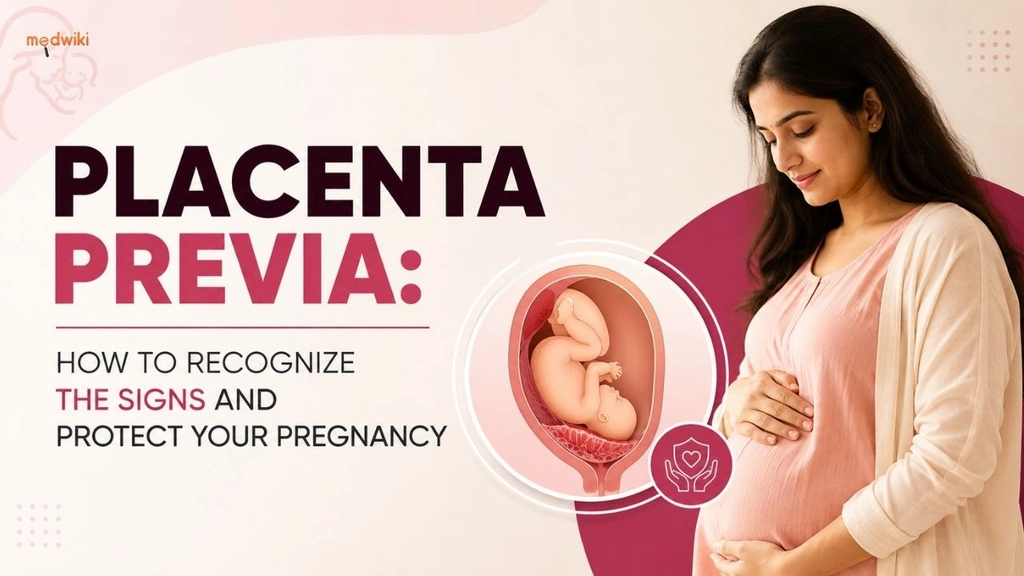
A low-lying placenta during pregnancy can sometimes cover the cervix, creating a condition known asplacenta previa. Because the cervix is the baby's passage during childbirth, this condition may increase the risk of bleeding and make a vaginal delivery unsafe in some cases.Although placenta previa is relatively uncommon, it requires careful monitoring throughout pregnancy because it can lead to serious complications for both the mother and the baby if not managed appropriately. Routine prenatal ultrasounds play a vital role in detecting the condition early and helping healthcare providers plan the safest course of care.Learning aboutplacenta previa, including its symptoms, possible causes, diagnosis, treatment options, and delivery planning, can help expectant mothers understand the condition, recognize warning signs promptly, make informed decisions with their healthcare provider, and improve the chances of a safe pregnancy and healthy birth.What Is Placenta PreviaPlacenta previa is a condition in which the placenta implants unusually low inside the uterus instead of attaching to the upper uterine wall. As pregnancy progresses, the placenta may partially or completely cover the cervix, makingchildbirth more complicated.The placenta supplies oxygen and nutrients to the developing baby while removing waste products from the baby's blood. When it blocks the cervix, it can interfere with the baby's passage during labor and increase the risk of severe bleeding.Many cases detected early in pregnancy resolve naturally as the uterus grows and the placenta moves upward. However, placenta previa that persists into the third trimester requires close medical monitoring and delivery planning.When Do Placenta Previa Symptoms Usually Appear?lacenta previa symptoms vary depending on how much of the cervix is covered and the stage of pregnancy. Some women have no symptoms until a routine ultrasound, whileothers may notice painless bleeding or reducedfetal movement that requires immediate medical attention.Painless, bright red vaginal bleeding during the second or third trimester.Sudden bleeding that may stop on its own and return later.Light or heavy vaginal bleeding without an obvious cause.Pelvic pressure or mild discomfort in some cases.Uterine contractions that may accompany bleeding.Bleeding after sexual intercourse.Not every woman with placenta previa experiences symptoms, especially during the early stages of pregnancy. However, any episode of vaginal bleeding should never be ignored, even if it stops on its own.Why Does Placenta Previa Occur?Placenta previa develops when the placenta implants in the lower part of the uterus instead of the upper portion during early pregnancy. While the exact reason is not always known, certain factors can increase the likelihood of this condition.Implantation of the fertilized egg in the lower part of the uterus.Previous cesarean section.History of uterine surgery or procedures.Placenta previa in a previous pregnancy.Maternal age of 35 years or older.Multiple pregnancies or previous childbirths.Twin or multiple pregnancies.Smoking during pregnancy.Regular prenatal checkups and routine ultrasounds are essential for early detection, allowing healthcare providers to monitor the pregnancy closely and plan appropriate care if placenta previa is diagnosed.What Happens If You Have a Low-Lying Placenta?A low-lying placenta is positioned close to the cervix but does not cover its opening. It is often detected during the routine mid-pregnancy ultrasound.The placenta is near the cervix without blocking it.Commonly diagnosed during the second-trimester anatomy scan.In many cases, the placenta moves upward as the uterus grows.Follow-up ultrasounds monitor the placenta's position later in pregnancy.If it remains close to the cervix, delivery options are carefully assessed.A cesarean section may be recommended if vaginal delivery is considered unsafe.Most low-lying placentas resolve naturally before delivery and do not lead to placenta previa. Regular monitoring helps ensure the safest birth plan for both the mother and baby.How Serious Is Complete Placenta Previa?Complete placenta previa occurs when the placenta completely covers the cervix, blocking the baby's passage through the birth canal. This is themost severe type of placenta previa.The placenta completely covers the cervical opening.Vaginal delivery is usually not possible.There is a higher risk of heavy bleeding before or during labor.Hospitalization may be needed if significant bleeding occurs.A planned cesarean section is typically recommended before labor begins.Careful monitoring helps reduce risks for both the mother and baby.With proper prenatal care and timely delivery planning, most women with complete placenta previa can have a safe birth and healthy pregnancy outcome.What Are the Risks of Partial Placenta Previa?Partial placenta previa occurs when the placenta covers only part of the cervix instead of blocking it completely. The placental position may change as the uterus expands during pregnancy.The placenta partially covers the cervical opening.The degree of coverage may decrease as pregnancy progresses.Follow-up ultrasounds monitor changes in placental position.Some women may become candidates for vaginal delivery if the placenta moves away.A cesarean section is recommended if the cervix remains covered near delivery.Regular prenatal monitoring helps reduce the risk of complications.Many cases of partial placenta previa improve naturally before childbirth. Ongoing medical evaluation ensures the safest delivery method based on the placenta's final position.How Do Doctors Diagnose Placenta Previa?Placenta previa is usually diagnosed during routine prenatal ultrasounds that evaluate the placenta's location in relation to the cervix. Early diagnosis helps guide pregnancy management and delivery planning.Routine transabdominal ultrasound is the primary diagnostic test.Transvaginal ultrasound may be used for a more detailed assessment.Ultrasound accurately determines the placenta's position.Follow-up scans monitor changes as pregnancy progresses.Digital vaginal examinations are avoided until placenta previa is ruled out.Early diagnosis helps reduce the risk of pregnancy complications.Regular prenatal imaging allows healthcare providers to monitor the condition closely and make timely decisions to ensure the safest possible outcome for both the mother and baby.Can Placenta Previa Be Treated During Pregnancy?Placenta previa treatment focuses on managing symptoms, preventing complications, and ensuring the safest possible outcome for both the mother and baby. The treatment plan depends on the severity of bleeding and the stage of pregnancy.Treatment is based on bleeding severity and gestational age.There is no medication that can reposition the placenta.Mild cases may require rest and regular prenatal monitoring.Strenuous activities and sexual intercourse are often restricted.Hospitalization may be needed if heavy bleeding occurs.Blood transfusions, medications, or emergency cesarean delivery may be required in severe cases.Careful monitoring throughout pregnancy allows healthcare providers to respond quickly if complications arise. The goal is to prolong the pregnancy safely while planning the most appropriate time and method of delivery.What Are the Possible Complications of Placenta Previa?Placenta previa can cause serious complications if significant bleeding occurs during pregnancy or childbirth. Early diagnosis and close medical supervision help reduce these risks.Heavy vaginal bleeding before or during delivery.Increased risk of anemia and blood transfusion.Premature birth due to early delivery.Higher chance of placenta accreta in some pregnancies.Postpartum hemorrhage after childbirth.Emergency cesarean section or, rarely, hysterectomy in severe cases.Although complications can be serious, many women with placenta previa have successful pregnancies with appropriate prenatal care. Regular monitoring and timely medical intervention play a key role in protecting both the mother and baby.When Is Delivery Recommended for Placenta Previa?Delivery planning for placenta previa depends on the placenta's position, the severity of bleeding, and the baby's condition. Healthcare providers determine the safest delivery method based on regular pregnancy assessments.Delivery plans are based on the placenta's location and pregnancy progress.Regular monitoring helps determine the safest time for birth.A planned cesarean section is recommended if the placenta covers the cervix.Early delivery may be scheduled to reduce the risk of severe bleeding.Vaginal delivery is considered only when the placenta is safely away from the cervix.Maternal and fetal safety remain the top priority during delivery planning.With careful planning and appropriate medical care, most women with placenta previa can have a safe delivery. Following the recommended birth plan helps reduce complications for both the mother and the baby.Why Is a C-Section Recommended for Placenta Previa?A cesarean section is the preferred method of delivery for complete placenta previa and many persistent cases of partial placenta previa. It prevents the baby from passing through a blocked cervix.The surgery is usually planned before labor begins, reducing the likelihood of emergency procedures caused by sudden bleeding. The exact timing depends on maternal and fetal condition.During the operation, experienced obstetric teams prepare for the possibility of increased bleeding. Blood products and specialized surgical care are available if complications arise.ConclusionPlacenta previa is a potentially serious pregnancy complication in which the placenta lies low in the uterus and may cover the cervix. Early diagnosis through routine ultrasound plays a key role in preventing complications.Most women receive regular monitoring throughout pregnancy, and many cases diagnosed early resolve naturally as the uterusexpands. Persistent placenta previa requires careful planning and specialist obstetric care.With timely diagnosis, appropriate treatment, and a well-planned delivery—often by cesarean section—most women with placenta previa can have safe outcomes for both themselves and their babies.Frequently Asked Questions (FAQs)1. What is placenta previa?Placenta previa is a pregnancy complication in which the placenta partially or completely covers the cervix.2. What are the symptoms of placenta previa?The most common symptom is painless, bright red vaginal bleeding during the second or third trimester.3. What causes placenta previa?Placenta previa is associated with factors such as previous cesarean sections, uterine surgery, multiple pregnancies, smoking, and advanced maternal age.4. How is placenta previa diagnosed?Placenta previa is diagnosed using prenatal ultrasound, and a transvaginal ultrasound may be used for a more detailed evaluation.5. Can placenta previa be treated?Treatment involves close monitoring, managing bleeding, and planning the safest delivery based on the pregnancy stage.6. What is the difference between a low-lying placenta and placenta previa?A low-lying placenta is near the cervix without covering it, while placenta previa partially or completely covers the cervical opening.7. Is a C-section necessary for placenta previa?A cesarean section is usually recommended if the placenta continues to cover the cervix near delivery.
1:15
Experiencing a miscarriage can be one of the most emotional and challenging moments in a person's life. Along with physical recovery, many couples worry about whether they will be able to have a healthy baby in the future. UnderstandingPregnancy After Miscarriage, the recovery process, and the right time to try again can help you feel more confident and prepared for the next chapter.While every pregnancy journey is unique, proper medical care, emotional support, and healthy lifestyle choices can improve your chances of a healthy pregnancy. Emotional well-being is also important because positive experiences, bonding, and support can encourage the release ofoxytocin, often known as the “love and bonding hormone,” which plays a role in emotional connection, stress regulation, and overall well-being during pregnancy.In this guide, we will discussMiscarriage Recovery,Getting Pregnant After Miscarriage,Miscarriage Causes,Recurrent Miscarriage,Prenatal Care After Miscarriage, and practical tips for achieving a healthy pregnancy after pregnancy loss.What Is Pregnancy After MiscarriagePregnancy after miscarriage refers to conceiving again following the loss of a pregnancy before 20 weeks. A miscarriage is more common than many people realize, and in most cases, it does not mean you will have difficulty becoming pregnant again. Many womenconceive naturally within a few months and deliver healthy babies.After a miscarriage, your body begins healing almost immediately. Hormone levels gradually return to normal, ovulation resumes, and the uterus recovers to support another pregnancy. Even if you are one week pregnant after conceiving again, early development has just begun, while emotional healing may take longer than physical recovery. It is completely normal to experience a range of emotions during this time.Healthcare providers usually recommend waiting until you feel physically and emotionally ready before trying to conceive again. Every person's recovery is different, so there is no universal timeline. Regular medical checkups and open communication with your doctor can help ensure that your next pregnancy begins under the best possible conditions.When Can You Try to Conceive AgainMost women can try to conceive after one normal menstrual cycle following a miscarriage. However, the right time depends on physical recovery and emotional readiness. Your healthcare provider can recommend the best timeline based on your situation.Before trying again, schedule a preconception check-up and start taking folic acid daily. Eating abalanced diet, maintaining a healthy weight, and avoiding smoking or alcohol can improve your chances of a healthy pregnancy. These simple steps help prepare your body for conception.If you have experienced recurrent miscarriages or pregnancy complications, seek medical advice before conceiving again. Your doctor may recommend tests to identify any underlying causes. With proper care and planning, many women go on to have healthy pregnancies.Miscarriage Recovery: Physical and Emotional HealingRecovering from a miscarriage involves both physical healing and emotional recovery. While the body usually heals within a few weeks, emotional healing may take longer. Every woman's recovery journey is different and should not be rushed.Getting enough rest, staying hydrated, and eating nutritious foods can support physical recovery. Attend follow-up appointments to ensure the uterus has healed properly. Contact your doctor if you experience heavy bleeding, severe pain, or signs of infection.It is normal to feel sadness, anxiety, or fear after pregnancy loss. Talking with your partner, family, friends, or a mental health professional can provide emotional support. Giving yourself time to heal can help you feel more confident about a future pregnancy.What Causes a MiscarriageA miscarriage can occur for several reasons, and in many cases, the exact cause remains unknown. Knowing the common risk factors can help you understand your pregnancy better and take preventive measures where possible.Chromosomal abnormalities The most common cause of miscarriage during early pregnancy.Hormonal imbalances Low progesterone or hormonal disorders can affect pregnancy.Uterine or cervical conditions Structural problems may increase the risk of pregnancy loss.Chronic health conditions Diabetes, thyroid disorders, and autoimmune diseases can contribute to miscarriage.Infections – Certain infections may interfere with a healthy pregnancy.While these factors may increase the risk, most women go on to have a healthy pregnancy after a miscarriage. If you experience recurrent pregnancy loss, consult your healthcare provider for further evaluation and treatment.Chances of a Healthy Pregnancy After MiscarriageMost women who experience a miscarriage go on to have a healthy pregnancy in the future. With proper medical care and healthy lifestyle choices, the chances of a successful pregnancy remain high.Most women have a successful pregnancy after one miscarriage.A single miscarriage usually does not increase future pregnancy risks.Taking folic acid before conception supports fetal development.Managing chronic health conditions improves pregnancy outcomes.Regular prenatal check-ups help monitor the baby's growth.Eating a balanced diet and staying active support a healthy pregnancy.Avoiding smoking, alcohol, and drugs lowers pregnancy complications.Following your doctor's advice and maintaining a healthy lifestyle can improve your confidence and pregnancy journey. Early prenatal care plays a key role in supporting both maternal and fetal health.Does a Previous Miscarriage Affect Future PregnancyFor most women, having one miscarriage does not significantly increase the risk of another pregnancy loss. The chances of having a healthy pregnancy remain high, especially with proper prenatal care. Understanding your individual risk factors can help you plan your next pregnancy with confidence.The risk of miscarriage may be higher if you have experienced recurrent miscarriages, are over the age of 35, or have certain medical conditions such as diabetes or thyroid disorders. Lifestyle factors like smoking, alcohol use, and obesity can also increase the risk. Managing these factors before conception can improve pregnancy outcomes.Regular prenatal check-ups, taking folic acid, and following a healthy lifestyle can help support a successful pregnancy. Your healthcare provider may recommend additional monitoring if you have a history of pregnancy loss. With the right care, most women go on to have healthy pregnancies after a miscarriage.Why Prenatal Care Matters After a MiscarriagePrenatal care is especially important after a miscarriage to monitor both the mother's health and the baby's development. Early medical support can help identify potential concerns before they become serious.Schedule your first prenatal visit as soon as pregnancy is confirmed.Take prenatal vitamins with folic acid every day.Attend all recommended prenatal check-ups and scans.Monitor blood pressure, blood sugar, and overall health.Eat a balanced diet rich in essential nutrients.Stay physically active with your doctor's approval.Report any unusual symptoms to your healthcare provider immediately.Consistent prenatal care provides reassurance and supports a healthier pregnancy. Following your doctor's recommendations can help reduce complications and improve pregnancy outcomes.Why Do Recurrent Miscarriages HappenRecurrent miscarriage refers to experiencing two or more consecutive pregnancy losses. While it can be emotionally difficult, many couples can still achieve a healthy pregnancy with proper medical evaluation and treatment. Identifying the underlying cause is an important step toward improving future pregnancy outcomes.Several factors may contribute to recurrent miscarriage, including chromosomal abnormalities, hormonal disorders, uterine abnormalities, autoimmune conditions, and certain genetic factors. Your doctor may recommend blood tests, imaging, or genetic testing to determine the cause. The treatment plan will depend on the specific condition identified.If you have experienced recurrent miscarriages, consult a fertility specialist or obstetrician as early as possible. Timely diagnosis, appropriate treatment, and regular prenatal care can significantly improve the chances of a successful pregnancy. Ongoing medical support also provides reassurance throughout your pregnancy journey.When Should You See a DoctorMost pregnancies after a miscarriage progress without major complications, but it is important to stay alert to warning signs that may require immediate medical attention. Recognizing these symptoms early and seeking prompt care can help protect both your health and your baby's well-being.Heavy vaginal bleedingSevere abdominal pain or crampingPersistent fever or chillsFoul-smelling vaginal dischargeSevere dizziness or faintingFluid leakage from the vaginaReduced pregnancy symptoms or any unusual concernsIf you notice any of these symptoms or feel that something is not right, contact your healthcare provider without delay. Early evaluation and timely treatment can help prevent complications, provide reassurance, and support the healthiest possible outcome for you and your baby.ConclusionPregnancy after a miscarriage can bring both hope and anxiety, but most women go on to have healthy pregnancies. Taking care of your physical and emotional health is an important part of the recovery journey. Early planning and regular medical care can make a positive difference.Every pregnancy is unique, and there is no perfect timeline for trying to conceive again. Following a healthy lifestyle,healthy food , taking prenatal vitamins, and attending regular check-ups can improve pregnancy outcomes. Always discuss your plans with your healthcare provider before trying again.Remember that a miscarriage does not define your future fertility or your ability to have a baby. With patience, proper support, and the right prenatal care, many families experience a successful and healthy pregnancy after pregnancy loss.Frequently Asked Questions1. Can I have a healthy pregnancy after a miscarriage?Yes, most women have a healthy pregnancy after experiencing one miscarriage.2. How long should I wait to get pregnant after a miscarriage?Many women can try after one normal menstrual cycle, but follow your doctor's advice.3. Does one miscarriage increase the risk of another?No, a single miscarriage usually does not increase the risk of future pregnancy loss.4. What vitamins should I take before trying to conceive?A daily prenatal vitamin with folic acid is recommended before pregnancy.5. Can stress cause a miscarriage?Normal daily stress is not considered a direct cause of miscarriage.6. When should I see a doctor after a miscarriage?Consult your doctor if you experience heavy bleeding, severe pain, fever, or recurrent miscarriages.7. What are the chances of getting pregnant after a miscarriage?Most women conceive naturally and have a successful pregnancy with proper care and a healthy lifestyle.
1:15
Pregnancy often brings many questions about everyday habits, including whether using amicrowave oven is safe. Many expecting mothers worry thatmicrowave radiation during pregnancy could affect their baby's growthor increase the risk of pregnancy complications. Understanding how microwave ovens work and what science says can help separate myths from facts.Microwaves have become an essential part of modern kitchens because they make cooking and reheating food quick and convenient. However, concerns aboutpregnancy radiation,EMF radiation, andmicrowave safety continue to circulate online, leading to unnecessary fear among pregnant women.This article explains the facts aboutmicrowave pregnancy, discusses possiblepregnancy radiation risks, reviews scientific evidence, and shares practicalpregnancy safety tips to help you make informed decisions throughout your pregnancy.What Is Microwave Radiation?Microwave radiation is a type of non-ionizing electromagnetic radiation used by microwave ovens to heat food. Unlike X-rays or CT scans, microwaves do not carry enough energy to damage DNA or directly alter body cells.The waves produced inside amicrowave oven make water molecules in food vibrate rapidly. This movement creates heat, allowing food to cook or warm evenly within a short period.Because microwave radiation is non-ionizing, it behaves very differently from medical or environmental radiation that may pose greater health concerns. This distinction is important when discussingradiation pregnancy and the safety of household appliances.Can Pregnant Women Use a Microwave Oven?Using a properly functioning microwave oven during pregnancy is generally considered safe based on current scientific evidence. Normal household microwave use exposes people to very low levels of microwave energy that remain within established safety standards.Studies have not linked regular microwave use to birth defects in babies.Everyday microwave use is not associated with an increased risk of prematurebirth.Current research does not show harmful effects on fetal growth or development.Household microwave ovens are designed with strict limits to prevent radiation leakage.Exposure from a well-maintained microwave oven is considered extremely low.Using the appliance correctly and ensuring it is in good working condition helps maintain its safety features. Following basic microwave safety practices allows pregnant women to prepare meals with confidence during pregnancy.Does Microwave Radiation Harm the Baby?Current scientific evidence shows that a properly functioningmicrowave oven does not expose the baby to harmful levels ofmicrowave radiation during pregnancy. Household microwaves are designed with safety features that keep microwave energy contained inside the appliance.Microwave radiation from a properly working microwave is not considered harmful to the baby.Microwave radiation isnon-ionizing, so it does not have enough energy to damage DNA.Studies have not linked normalmicrowave use while pregnant to birth defects or miscarriage.There is no evidence that everyday microwave use causes fetal development problems.Properly cooking food in the microwave is important to reduce the risk of foodborne illness.Following basicmicrowave safety practices supports healthypregnancy care and overallpregnancy health.Using a microwave according to the manufacturer's instructions and keeping it in good condition helps ensure safe everyday use. Pregnant women can continue using a microwave with confidence as part of a healthy lifestyle.What Does Scientific Research Say About Microwave Radiation During Pregnancy?Current scientific research suggests that normal exposure from a properly functioningmicrowave oven is not harmful during pregnancy. International health organizations continue to review available evidence to ensurepregnancy safety and protect public health.Studies have found no reliable evidence that normalmicrowave radiation during pregnancy harms the baby.Household microwave ovens emitnon-ionizing EMF radiation, which is different from ionizing radiation.Everyday microwave use has not been linked to adversemicrowave effects on pregnancy or fetal development.Experts recommend using a well-maintained microwave and following the manufacturer's instructions.Regular safety precautions help supportpregnancy health and safe appliance use.Although research is ongoing, current evidence supports the safe use of microwave ovens during pregnancy when used correctly. Following basic safety guidelines allows expectant mothers to use microwaves with confidence as part of routinepregnancy care.Is Microwave Radiation Dangerous Like Ionizing RadiationMany people confusemicrowave radiation with ionizing radiation, but they are very different. Understanding this difference can help reduce unnecessary concerns about using amicrowave oven during pregnancy.Microwave radiation is a type ofnon-ionizing EMF radiation.Non-ionizing radiation does not have enough energy to damage DNA or body cells.Ionizing radiation, such as X-rays and gamma rays, can pose risks during high exposure.Household microwave ovens are designed to keep microwave energy safely contained.Normal microwave use is considered safe for most people, including pregnant women.Knowing the difference between these two types of radiation helps support informed decisions aboutpregnancy safety. Current scientific evidence indicates that everyday microwave use does not pose the same risks as exposure to ionizing radiation.Electromagnetic Field (EMF) Radiation During Pregnancy: Is Everyday Exposure Safe?Many everyday devices emitEMF radiation, including mobile phones, Wi-Fi routers, and microwave ovens. The levels produced by these household appliances are generally low and remain within internationally accepted safety limits.Household devices like microwaves, phones, and Wi-Fi routers emit low levels ofEMF radiation.Everyday exposure toEMF radiation has not been proven to harm fetal development.Current research has not confirmed a link between normal EMF exposure and pregnancy complications.Scientists continue to study the long-term effects of EMF exposure during pregnancy.Avoiding unnecessary close contact with operating appliances may provide extra reassurance.Current evidence suggests that normal exposure to householdEMF radiation is unlikely to pose a risk during pregnancy. Following simple precautions can help expecting mothers feel confident while maintaining healthypregnancy care.Common Myths About Microwave Use During PregnancyThere are many misconceptions about using a microwave during pregnancy, but most are not supported by scientific evidence. Understanding the facts can help expecting mothers make informed and confident decisions.Microwaved food doesnot become radioactive after heating.Microwave radiation disappears once the microwave is switched off.Not all types of radiation are harmful during pregnancy.Microwave radiation is non-ionizing and differs from medical radiation such as X-rays.Normalmicrowave use while pregnant has not been shown to increase pregnancy risks.Knowing the facts aboutmicrowave pregnancy can help reduce unnecessary fears and confusion. Following trusted medical guidance is the best way to ensure safe microwave use during pregnancy.Microwave Safety Tips for Pregnant WomenUsing amicrowave oven correctly is a safe and convenient way to prepare meals during pregnancy. Following a few simple safety practices can help ensure both food safety and peace of mind.Use amicrowave oven only if the door closes properly and the seal is undamaged.Avoid using a microwave with visible damage or a broken door seal.Heat food thoroughly to ensure it reaches a safe temperature.Stir or rotate food after heating to promote even cooking.Reheat leftovers completely to reduce the risk of foodborne illness.Follow the manufacturer's instructions for safemicrowave safety practices.These simple precautions help pregnant women use a microwave safely while preparing nutritious meals. Proper food handling and regular appliance maintenance support overallpregnancy health and a safe kitchen environment.ConclusionCurrent scientific evidence indicates thatmicrowave radiation during pregnancy is not harmful when a properly functioningmicrowave oven is used as intended. Everyday microwave use has not been shown to increase the risk of birth defects or pregnancy complications.Instead of worrying about microwave radiation, pregnant women should focus on healthy eating, proper food preparation, and regular prenatal check-ups. These habits play a much greater role in supportingpregnancy health andpregnancy care.If you have concerns aboutpregnancy radiation,EMF radiation, or any other exposure during pregnancy, speak with your healthcare provider for personalized guidance. Staying informed with evidence-based information is the best way to ensurepregnancy safety for both mother and baby.Frequently Asked Questions1. Can pregnant women use a microwave oven?Yes, pregnant women can safely use a properly functioningmicrowave oven.2. Does microwave radiation harm the baby?Current research shows that normalmicrowave radiation during pregnancy does not harm the developing baby.3. Is microwave radiation the same as X-ray radiation?No,microwave radiation is non-ionizing, while X-rays are ionizing and have different health risks.4. Should I avoid standing near a microwave while it is running?A properly maintained microwave is safe to use, although standing a short distance away may provide extra reassurance.5. Can food heated in a microwave become radioactive?No, food heated in a microwave does not become radioactive after cooking.6. What are the safest microwave practices during pregnancy?Use a well-maintained microwave, avoid damaged appliances, and heat food thoroughly before eating.7. What should I do if my microwave oven is damaged?Stop using the damagedmicrowave oven until it has been repaired or replaced to ensuremicrowave safety.
1:15
Pregnancy is a beautiful journey that brings many physical and emotional changes. Among these changes, maintaininghealthy pregnancy blood pressure is essential for the well-being of both the mother and baby. Regular prenatal care helps ensure a safer pregnancy.Many women experienceHigh Blood Pressure During Pregnancy without noticing any symptoms in the beginning. If left untreated, it can increase the risk of complications such asPreeclampsia, premature birth, and poor fetal growth. Early detection plays a vital role in preventing these risks.The good news is thatPregnancy Hypertension can often be managed with regular check-ups, a balanced lifestyle, and timely treatment. Understanding the warning signs and following your doctor's advice can help ensure a healthier pregnancy. With proper care, most women go on to have safe deliveries and healthy babies.What is High Blood Pressure During PregnancyHigh Blood Pressure During Pregnancy refers to blood pressure that rises above normal levels after or before pregnancy. A reading of140/90 mmHg or higher is generally considered high and requires medical attention.Doctors classifyhypertension in pregnancy into different types depending on when it develops and whether it causes other health complications. Some women may already have high blood pressure before pregnancy, while others develop it later.Regular monitoring ofpregnancy blood pressure helps doctors detect problems early. Early diagnosis reduces the chances of complications and improves outcomes for both mother and baby.Types of High Blood Pressure During PregnancyNot every case ofHigh BP in Pregnancy is the same. Doctors dividehypertension in pregnancy into different types based on when it starts and how it affects the mother and baby.The four main types areChronic Hypertension,Gestational Hypertension,Preeclampsia, andChronic Hypertension with Superimposed Preeclampsia.Each requires proper medical care and regular follow-up.Chronic Hypertension: High blood pressure that is presentbefore pregnancy or developsbefore 20 weeks of pregnancy.Gestational Hypertension: High blood pressure that developsafter 20 weeks of pregnancy without signs of organ damage but requires close monitoring.Preeclampsia: A serious condition that occursafter 20 weeks, causing high blood pressure along withorgan damage, often affecting the kidneys or liver.Chronic Hypertension with Superimposed Preeclampsia: Happens when a woman withchronic hypertension later developsPreeclampsia, increasing the risk of pregnancy complications.Withearly diagnosis, regular prenatal check-ups, blood pressure monitoring, and timely treatment, most women can successfully manage these conditions and improve outcomes for both themselves and their babies.What Causes High Blood Pressure During Pregnancy?High Blood Pressure During Pregnancy does not have a single cause. Instead, several health conditions and pregnancy-related factors can increase the risk of developingPregnancy Hypertension.Placental Problems: Poor blood vessel development in the placenta can affect blood flow and raise blood pressure.Underlying Health Conditions:Obesity, diabetes, kidney disease, hormonal changes, and autoimmune disorders increase the risk.Family History: A family history of hypertension orPreeclampsia makes the condition more likely.Pregnancy-Related Risk Factors: First-time pregnancy, carrying twins or multiples, and being over35 years of age can increase the chances.Adopting a healthy lifestyle, attending regular prenatal check-ups, and managing existing medical conditions can help reduce the risk and support a healthier pregnancy.Signs and Symptoms of High Blood Pressure During PregnancyMany women withHigh Blood Pressure During Pregnancy may not experience noticeable symptoms in the early stages. Regular prenatal check-ups are the best way to detect the condition before complications develop.Persistent or intense headaches that do not improve with rest.Vision Changes, Blurred vision, sensitivity to light, or seeing spots.Sudden swelling of the face, hands, or feet, along with rapid weight gain.Dizziness, shortness of breath, or persistent upper abdominal pain.If you notice any of these symptoms, contact your healthcare provider immediately. Early diagnosis and timely treatment can help protect both the mother and the baby.Preeclampsia: A Serious Pregnancy ComplicationPreeclampsia is a serious pregnancy complication that usually develops after 20 weeks of pregnancy. It involves high blood pressure along with signs of damage to organs, especially the kidneys and liver. Early diagnosis is essential to reduce the risk of severe complications.One of the most commonPreeclampsia Symptoms isprotein in the urine. Women may also experiencesevere headaches, vision changes, upper abdominal pain, nausea, vomiting, or sudden swelling.These symptoms should never be ignored, as they can worsen rapidly.Without timely treatment, Preeclampsia can become life-threatening for both the mother and baby. Doctors closely monitor maternal and fetal health to determine the safest time for delivery. Regular prenatal care plays a key role in ensuring a healthy pregnancy outcome.Eclampsia: When Preeclampsia Becomes SevereEclampsia is the most severe form of Preeclampsia and is considered a medical emergency. It occurs when a pregnant woman develops seizures that cannot be explained by another medical condition. Immediate medical attention is essential to protect both mother and baby.This condition can affect the brain, kidneys, liver, lungs, and other vital organs. It also increases the risk of premature birth, placental abruption, and serious complications for the baby. Without prompt treatment, it can become life-threatening.Immediate hospitalization is necessary to stabilize the mother's condition and ensure the baby's safety.Doctors provide emergency treatment and closely monitor both mother and baby throughout care. Early treatment ofPreeclampsia greatly reduces the risk of developingEclampsia.Pregnancy Complications Due to High Blood PressureEclampsia is the most severe form of preeclampsia and is considered a medical emergency. It occurs when a pregnant woman developsseizures that cannot be explained by another medical condition. Immediate medical care is essential to protect both the mother and baby.This condition can affect thebrain, kidneys, liver, and lungs, leading to serious health complications. It also increases the risk of premature birth and placental abruption. Close monitoring helps improve outcomes for both mother and baby.Immediate hospitalization and treatment are necessary to stabilize the mother's condition. Doctors carefully monitor both the mother and baby throughout treatment.Early treatment of Preeclampsia greatly reduces the risk of developing Eclampsia.How is High Blood Pressure During Pregnancy DiagnosedDoctors diagnoseHigh Blood Pressure During Pregnancy by checking blood pressure at every prenatal visit. A reading of140/90 mmHg or higher on more than one occasion usually requires further evaluation. Regular monitoring helps detect the condition early.Additional tests may includeurine analysis to check for protein, blood tests to assess liver and kidney function, and ultrasound scans to monitor the baby's growth. These tests help identify signs of complications. Early diagnosis allows timely treatment.Your doctor may also recommend regular fetal heart rate monitoring and frequent blood pressure checks. These assessments help track both the mother's and baby's health throughout pregnancy. Close follow-up reduces the risk of serious complicationTreatment for High Blood Pressure During PregnancyDoctors diagnoseHigh Blood Pressure During Pregnancy through regular prenatal examinations and additional tests when needed. Early diagnosis helps prevent complications and ensures timely treatment.Blood Pressure Measurement: Blood pressure is checked at every prenatal visit. A reading of140/90 mmHg or higher on more than one occasion usually requires further evaluation.Urine and Blood Tests: Urine tests check forprotein, while blood tests assess liver and kidney function to detect possible complications.Ultrasound Scan: Ultrasound is used to monitor the baby's growth, amniotic fluid levels, and overall well-being.Fetal Monitoring: Regular fetal heart rate monitoring and frequent blood pressure checks help ensure the health of both the mother and baby.Routine prenatal care and timely testing allow doctors to detect complications early and provide the most appropriate treatment throughout pregnancy.Tips to Maintain Healthy Blood Pressure During PregnancyHealthy lifestyle habits can help supportPregnancy Blood Pressure and reduce the risk of complications. Following your doctor's advice throughout pregnancy is the best way to protect both mother and baby.Include fresh fruits, vegetables, whole grains, lean proteins, and low-fat dairy products in your daily meals.Drink plenty of water, limit processed foods and excess salt, and stay active with gentle exercises like walking or prenatal yoga.Adequate sleep and proper stress management help support overall maternal health during pregnancy.Regular prenatal visits allow doctors to monitor blood pressure and detect any concerns early.Simple lifestyle changes combined with regular medical care can help maintain healthy blood pressure and support a safer, healthier pregnancy.When Should You See a DoctorDo not ignore symptoms such as severe headaches, blurred vision, chest pain, difficulty breathing, sudden swelling, or reduced baby movements. These may indicate worseningPregnancy Hypertension.Seek immediate medical attention if you experience seizures, severe abdominal pain, or heavy bleeding during pregnancy. These symptoms require emergency care and should never be delayed.Even if you feel completely healthy, continue attending all scheduled prenatal visits. Routine monitoring is the safest way to protect both you and your baby.ConclusionManagingHigh Blood Pressure During Pregnancy is essential for protecting the health of both the mother and the baby. Regular prenatal check-ups, early diagnosis, and timely treatment can greatly reduce the risk of serious pregnancy complications. Consistent monitoring also helps ensure a healthier pregnancy.Understanding conditions likeGestational Hypertension,Preeclampsia, andEclampsia allows expectant mothers to recognize warning signs early. Never ignore symptoms such as severe headaches, vision changes, or sudden swelling. Seeking medical attention at the right time can prevent emergencies.With a healthy lifestyle, a balanced diet that supportshealthy cholesterol levels , proper medical care, and regular blood pressure monitoring, most women can successfully managePregnancy Hypertension. Following your doctor's advice throughout pregnancy supports a safer delivery and a healthy baby. Early care and consistent prenatal monitoring can make a lasting difference.Frequently Asked Questions (FAQs)1. What is considered high blood pressure during pregnancy?A blood pressure reading of140/90 mmHg or higher on two separate occasions is generally considered high.2. What causes high blood pressure during pregnancy?It can result from conditions likechronic hypertension, gestational hypertension, or preeclampsia, along with certain risk factors.3. What are the common symptoms of high blood pressure during pregnancy?Common symptoms include severe headaches, blurred vision, swelling, dizziness, and sudden weight gain.4. Can high blood pressure during pregnancy harm the baby?Yes, if left untreated, it can increase the risk of preterm birth, poor fetal growth, and placental complications.5. How is high blood pressure during pregnancy diagnosed?Doctors diagnose it through regular blood pressure checks and additional tests such as urine, blood, and ultrasound examinations.6. Can gestational hypertension go away after delivery?Yes, gestational hypertension usually resolves after childbirth, but follow-up monitoring is still recommended.7. How can I reduce the risk of high blood pressure during pregnancy?Maintain a healthy diet, stay active, attend regular prenatal check-ups, and follow your doctor's advice.

1:15
Travelling during pregnancy is generally safe for women with healthy pregnancies when the right precautions are taken. Whether it's a family vacation, work trip, or short getaway, proper planning helps ensure a comfortable and stress-free journey. UnderstandingSafe Travel During Pregnancy is the first step toward protecting both mother and baby.TheBest Time to Travel During Pregnancy is usually the second trimester, as energy levels are higher and pregnancy discomfort is often lower. Whether you'reFlying While Pregnant or planning aRoad Trip During Pregnancy, following recommendedPregnancy Travel Guidelines can make travelling safer and more enjoyable.This guide explainsTravelling During Pregnancy, includingwhich month is safe to travel during pregnancy, travel restrictions, safety tips, and when to avoid travelling. With regularPrenatal Care and smart planning, you can enjoy a safe trip while maintaining aHealthy Pregnancy.Which Month is Safe to Travel During PregnancyOne of the most common questions expectant mothers ask is,"Which month is safe to travel during pregnancy?" While every pregnancy is unique, healthcare professionals generally consider thesecond trimester (between 14 and 28 weeks) to be the safest and most comfortable period for travelling. During this time, the risk of miscarriage has significantly decreased, and most women experience improved energy levels compared to the first trimester.The early months of pregnancy are often accompanied by nausea, vomiting, fatigue, and hormonal changes, making travel less enjoyable. On the other hand, the final months may bring back pain, swollen feet, frequent urination, and increased fatigue, making long journeys physically challenging.Although the second trimester is usually ideal, the safest time still depends on your overall health and pregnancy condition. Women with high-risk pregnancies, multiple pregnancies, or medical complications should always consult their healthcare provider before making travel plans.Tips for Safe Travel During PregnancyMost women with healthy pregnancies can travel safely by taking a few simple precautions. Staying hydrated, dressing comfortably, and planning your journey in advance can help ensure a safe and enjoyable trip.Follow these essential pregnancy travel tips:Consult your healthcare provider before travelling.Carry your prenatal medical records and emergency contacts.Drink plenty of water to stay hydrated.Wear loose, comfortable clothing and supportive footwear.Eat healthy meals and carry nutritious snacks.Stretch or walk every 1–2 hours during long journeys.With proper planning and regular prenatal care, most pregnancy trips can be safe and comfortable. Always listen to your body and seek medical advice if you experience any concerning symptoms while travelling.Is Air Travel Safe During PregnancyMany expectant mothers wonder whetherAir Travel During Pregnancy is safe. The good news is that flying is generally considered safe for women with healthy pregnancies, particularly during the second trimester. Modern commercial aircraft are pressurized, and for most pregnant women, occasional air travel does not pose significant risks when approved by their healthcare provider.However, every airline has its own rules regarding pregnant passengers. Many airlines allow travel until36 weeks for single pregnancies and may require a medical certificate after 28 weeks. Women expecting twins or those with pregnancy complications may face earlier travel restrictions. Checking airline policies well in advance can help avoid last-minute surprises at the airport.Long flights may increase the risk of swelling and blood clots because of prolonged sitting. Fortunately, simple measures such as staying hydrated, stretching your legs, and wearing compression stockings (if recommended by your doctor) can makeFlying While Pregnant more comfortable and safer.How Can You Stay Safe on a Road Trip During PregnancyARoad Trip During Pregnancy can be enjoyable if you plan frequent breaks and avoid long hours of continuous sitting. Travelling by car gives you the flexibility to stop, stretch, eat, and use the restroom whenever needed, making it a comfortable option for many expectant mothers.For a safer road trip:Stop every 1–2 hours to walk and stretch.Stay hydrated throughout the journey.Carry healthy snacks and drinking water.Keep medications and prenatal records with you.Avoid rough roads whenever possible.Do not drive if you feel dizzy or overly tired.With proper planning and regular breaks, road travel can be both safe and comfortable during a healthy pregnancy.Healthy Pregnancy and Prenatal Care While TravellingMaintaining aHealthy Pregnancy doesn't stop when you travel. Whether you're taking a short road trip or flying to another city, continuing your regularPrenatal Care routine is essential for both your health and your baby's development. A little planning before your journey can help you stay comfortable and reduce unnecessary stress.To maintain a healthy pregnancy while travelling, remember to:Take prenatal vitamins as prescribed.Stay well-hydrated by drinking plenty of water.Eat freshly prepared, nutritious meals and healthy snacks.Get enough rest and avoid overexertion.Continue taking any prescribed medications on time.Avoid smoking, alcohol, and unsafe foods.Practice good hygiene by washing your hands frequently.Contact your healthcare provider immediately if you experience unusual symptoms such as severe pain, heavy bleeding, contractions, or reduced fetal movements.Following these simple habits allows you to enjoy your journey while prioritizing your health and your baby's well-being. With properPrenatal Care and thoughtful planning, most women with healthy pregnancies can travel safely and confidently.How Can You Make Maternity Travel Safe and Stress-FreeProperMaternity Travel planning helps you avoid unnecessary stress and prepares you for unexpected situations. A well-organized trip allows you to focus on enjoying your journey rather than worrying about last-minute problems.Research your destination beforehand and ensure that medical facilities are available nearby. Keep emergency contact numbers easily accessible throughout your trip.Before travelling, remember to:Pack all prescribed medications.Carry health insurance and identification.Save emergency hospital contacts.Keep extra snacks and water.Pack comfortable clothing.A little preparation can make your maternity travel safer, more comfortable, and far more enjoyable.When Should You Avoid Travelling During PregnancyAlthough most healthy pregnancies allow safe travel, certain medical conditions can make travelling unsafe. Always consult your healthcare provider before travelling if you have a high-risk pregnancy or any pregnancy complications.Avoid travelling if you have:Heavy vaginal bleedingLeaking amniotic fluidSigns of preterm labourSevere preeclampsia or high blood pressurePlacenta previa after 28 weeksUncontrolled diabetes or other serious medical conditionsMultiple pregnancy with complicationsYour healthcare provider has advised against travelIf travel is unavoidable, ensure you have quick access to medical care and carry your medical records. Your doctor's advice should always take priority over your travel plans.ConclusionTravelling during pregnancy is generally safe for women with healthy pregnancies when the journey is planned carefully and the necessary precautions are taken. Choosing thebest time to travel during pregnancy, following your doctor's advice, and staying prepared can help you enjoy a comfortable and stress-free experience. Whether you're travelling by car, train, or airplane, your health and your baby's well-being should always come first.Thesecond trimester is often considered the safest period for travel because many early pregnancy symptoms have eased, and the risk of pregnancy complications is lower than in the first and third trimesters. Maintaining goodPrenatal Care, staying hydrated, eating nutritious meals, and taking regular breaks during long journeys can make travelling safer and more comfortable.Every pregnancy is unique, so there is no one-size-fits-all approach toTravelling During Pregnancy. If you have a high-risk pregnancy or develop any unusual symptoms before or during your trip, seek medical advice immediately. With thoughtful planning, proper precautions, and regular communication with your healthcare provider, you can travel confidently while supporting a healthy pregnancy.Frequently Asked Questions1. Which month is safe to travel during pregnancy?The second trimester (14–28 weeks) is generally the safest time to travel.2. Is flying during pregnancy safe?Yes, flying is usually safe during a healthy pregnancy with your doctor's approval.3. Can I go on a road trip while pregnant?Yes, if you take regular breaks, stay hydrated, and wear your seat belt correctly.4. What should I carry while travelling during pregnancy?Carry your medical records, medications, prenatal vitamins, and emergency contacts.5. When should pregnant women avoid travelling?Avoid travel if you have pregnancy complications or your doctor advises against it.6. How can I stay healthy while travelling during pregnancy?Stay hydrated, eat healthy meals, rest well, and continue your prenatal care.7. When should I seek medical help while travelling?Seek immediate medical care if you experience bleeding, severe pain, or contractions.

1:15
Bringing a baby into the world is a life-changing experience, but it also brings many physical and emotional changes. One of the most common concerns among new parents isSex After Birth. Many women wonderWhen Can You Have Sex After Giving Birth, whether it will be painful, and how childbirth affects intimacy.Every woman's recovery is different. Factors such as vaginal delivery, cesarean section, tearing,hormonal changes, breastfeeding, and emotional well-being all influencePostpartum Sex. While some women feel ready within a few weeks, others may need several months before feeling physically and emotionally comfortable.This guide explains everything you need to know about Sex After Pregnancy, including Postpartum Recovery, Vaginal Healing After Childbirth,Postpartum Depression, Low Libido After Pregnancy, hormonal changes, safety, Postpartum Birth Control, and practical tips for rebuilding intimacy after childbirth.What Happens to Your Body After ChildbirthChildbirth is a major physical event that affects nearly every part of the body. Whether you have a vaginal birth or a cesarean section, your body begins a gradualPostpartum Recovery process immediately after delivery. While some changes improve within a few weeks, complete healing can take several months depending on your overall health, the type of delivery, and whether there were any complications.One of the most noticeable changes during Postpartum Recovery is the uterus shrinking back to its pre-pregnancy size, a process known as uterine involution. Vaginal tissues and the cervix also begin healing, postpartum bleeding (lochia) gradually decreases, and pregnancy hormones such as estrogen and progesterone fluctuate significantly.Women who experienced vaginal tears, an episiotomy, or assisted deliveries using forceps or vacuum extraction often require additional healing time before feeling comfortable. Those who undergo a cesarean section must recover not only from childbirth but also from major abdominal surgery, making rest and proper wound care especially important.When Can You Have Sex After Giving BirthOne of the most frequently asked questions isWhen Can You Have Sex After Giving Birth?Most healthcare providers recommend waiting about4 to 6 weeks before having vaginal intercourse.This allows enough time for:Postpartum bleeding to stopThe cervix to closeUterine healingVaginal tissues to recoverSurgical or tear wounds to healReduced risk of infectionHowever, there is no universal timeline. Some women may feel ready sooner, while others need several months before resumingSex After Birth comfortably.Why Can Sex Feel Different After PregnancyMany couples notice thatSex After Pregnancy feels different during the early weeks ofPostpartum Recovery. This is normal and usually improves as the body heals.Hormonal changes can reduce estrogen levels, causing vaginal dryness, less natural lubrication, thinner vaginal tissues, and increased sensitivity.Healing tissues after vaginal tears, stitches, an episiotomy, or a C-section may cause temporary tenderness or discomfort during intercourse.Fatigue and sleep deprivation from caring for a newborn can lower energy levels and reduce sexual desire.Emotional adjustments, including stress, body image changes, and adapting to parenthood, can affect intimacy and sexual confidence.Pelvic floor weakness after childbirth may temporarily change sensation during sex until the muscles regain strength.These changes are common and usually improve with time, healing, and proper postpartum care.Vaginal Healing After ChildbirthVaginal Healing After Childbirth varies for every woman and depends on the type of delivery, the extent of vaginal stretching, and whethertears or anepisiotomy occurred during childbirth. While the body begins repairing itself immediately after delivery, complete healing takes time and should not be rushed.During the first few weeks,swelling,soreness, andpostpartum bleeding are common. Minor vaginal tears often heal within a few weeks, whereas more severe tears or extensiveperineal injuries may require several months for full recovery. Women who undergo more complicated deliveries may experience tenderness for a longer period.As healing progresses, signs of recovery includereduced swelling,less tenderness,minimal bleeding, improved comfort while sitting or walking, and the gradualclosure of stitches. Maintaininggood hygiene, stayingwell-hydrated, avoidingheavy lifting, and carefully following yourdoctor's instructions can promote faster healing and support a safe return to normal activities, including sexual intercourse.Vaginal Dryness After ChildbirthMany breastfeeding mothers experienceVaginal Dryness After Childbirth because breastfeeding naturally suppressesestrogen production. Lower estrogen levels reduce the vagina's natural lubrication and elasticity, making the tissues thinner and more sensitive. As a result, some women may experiencedryness, irritation, or discomfort during intercourse, but these symptoms usually improve as hormone levels gradually return to normal or after breastfeeding decreases.Symptoms include:BurningIrritationFriction during intercourseDiscomfortLight bleeding after sexSimple ways to reduce dryness include:Using water-based lubricantsStaying hydratedIncreasing foreplayDiscussing vaginal moisturizers with your doctorIn some cases, healthcare providers may recommend low-dose vaginal estrogen for women who are appropriate candidates.Vaginal Dryness After ChildbirthVaginal Dryness After Childbirth is a common concern, particularly among women who arebreastfeeding. Breastfeeding naturally lowersestrogen levels, which can reduce the vagina's natural lubrication and elasticity, making the tissues thinner and more sensitive than usual.As a result, some women may experienceburning,irritation, increasedfriction during intercourse,discomfort, or evenlight bleeding after sex. These symptoms are usually temporary and often improve as hormone levels gradually return to normal or breastfeeding becomes less frequent.Simple measures such as usingwater-based lubricants, stayingwell-hydrated, allowing more time forforeplay, and discussingvaginal moisturizers with your doctor can help relieve dryness. In some cases, healthcare providers may recommendlow-dose vaginal estrogen for women who are appropriate candidates to improve comfort during recovery.Low Libido After PregnancyLow Libido After Pregnancy is one of the most common changes experienced duringPostpartum Recovery. A temporary decrease in sexual desire is completely normal, as the body and mind are adjusting to the physical and emotional demands of childbirth and caring for a newborn.Several factors can contribute to a reduced interest in sex, including:Hormonal fluctuationsSleep deprivationPhysical exhaustionBreastfeedingEmotional stressAnxietyDepressionBody image concernsFor most women, sexual desire gradually returns as hormone levels stabilize, energy improves, and recovery progresses. IfLow Libido After Pregnancy continues for several months or causes significant distress, consulting a healthcare provider can help identify and address any underlying issues.Pelvic Floor Recovery and Sexual HealthPelvic Floor Recovery is an important part ofPostpartum Recovery because pregnancy and childbirth place significant strain on the muscles that support thebladder,uterus, andbowel. These muscles may become weakened or stretched after delivery, affecting both daily activities and sexual health.GoodPelvic Floor Recovery can improve:Vaginal muscle strengthBladder controlSexual sensationCore stabilityConfidence during intercoursePelvic floor exercises, commonly known asKegel exercises, are one of the most effective ways to strengthen these muscles after childbirth. Women experiencingurinary leakage,pelvic pressure, or persistent discomfort may benefit frompelvic floor physical therapy, as early rehabilitation often leads to better long-term recovery and improved sexual function.When Should You See a DoctorSome discomfort duringSex After Birth is normal while your body heals, but persistent or severe symptoms should not be ignored. Seeking medical advice early can help identify complications, support a smootherPostpartum Recovery, and prevent long-term problems.Medical evaluation is recommended if you experience:Severe or worsening pain during intercourseHeavy bleeding after sexFever or foul-smelling vaginal dischargePersistent vaginal dryness that affects quality of lifeSigns of infectionUrinary or bowel incontinenceSymptoms of postpartum depressionPain that continues for several months despite healingEarly diagnosis and appropriate treatment can improve healing, relieve discomfort, and help restore healthy sexual function. If you have any concerns about your recovery, do not hesitate to discuss them with your healthcare provider, even if your symptoms seem mild.ConclusionReturning toSex After Birth is an important part ofPostpartum Recovery, but there is no single timeline that works for every woman. Healing after childbirth involves physical recovery, hormonal adjustments, emotional well-being, and rebuilding confidence.Whether you're dealing withPainful Sex After Birth,Low Libido After Pregnancy,Vaginal Dryness After Childbirth, or working towardPelvic Floor Recovery, patience and communication are essential. Most women gradually regain comfort and confidence as their bodies heal.If symptoms persist or interfere with daily life, don't hesitate to consult a healthcare provider. With proper care, support, and realistic expectations,Sex After Pregnancy can become comfortable, enjoyable, and safe again.Frequently Asked Questions (FAQs)1. When can you have sex after giving birth?Most women can resume sex about 4–6 weeks after childbirth with their healthcare provider's approval.2. Is painful sex after birth normal?Yes, mild discomfort is common initially, but persistent pain should be evaluated by a doctor.3. Why is my sex drive low after pregnancy?Hormonal changes, fatigue, breastfeeding, and emotional adjustments can temporarily reduce libido.4. Does breastfeeding cause vaginal dryness after childbirth?Yes, breastfeeding lowers estrogen levels, which can lead to vaginal dryness.5. Can I get pregnant before my first postpartum period?Yes, ovulation can occur before your first period, making pregnancy possible.6. How can I improve pelvic floor recovery after childbirth?Regular pelvic floor exercises can strengthen muscles and improve comfort during sex.7. What birth control can I use after having a baby?Your healthcare provider can recommend safe postpartum birth control options based on your health and breastfeeding status.
Shorts
7 Natural Remedies for Typhoid in Pregnancy!

Dr. Beauty Gupta
Doctor of Pharmacy

7 Key Benefits of Chia Seeds During Pregnancy!
Why Pregnant Women Should Avoid Caffeine?
Dr. Beauty Gupta
Doctor of Pharmacy

Shocking History of Pregnancy Tests!
Dr. Beauty Gupta
Doctor of Pharmacy

Know Us
@2026 Medwiki Pvt Ltd. All Rights Reserved