

1:15
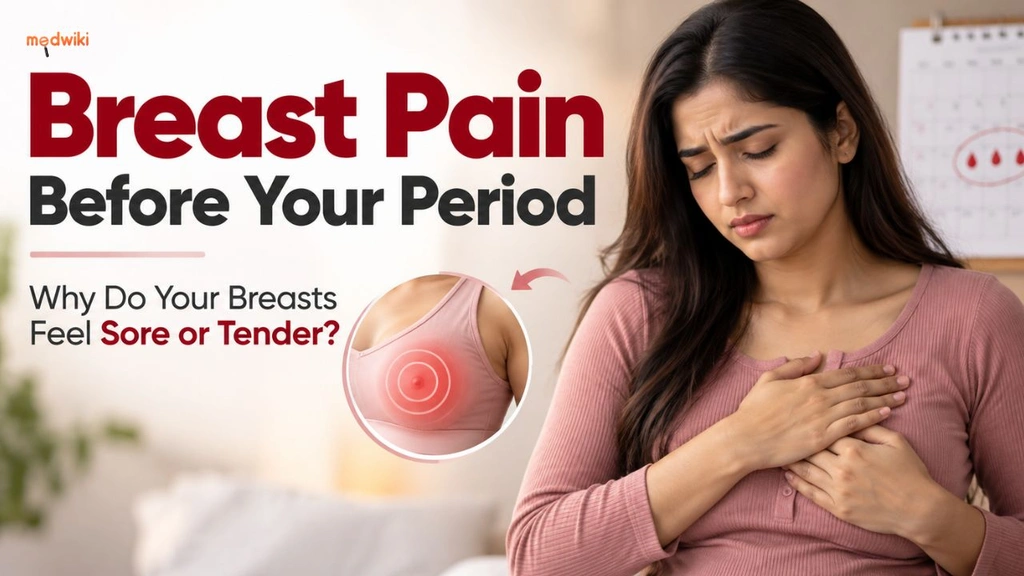
Hormonal fluctuations throughout the menstrual cycle can affect breast tissue and lead to tenderness, heaviness, swelling, or soreness in one or both breasts. These changes are often more noticeable in the days leading up to menstruation and may vary in intensity from one cycle to another.Breast pain before period is a common symptom associated with these natural hormonal changes.Some people noticebreast tenderness before period a few days before menstruation, while others may experience discomfort for a longer part of the cycle. Hormonal fluctuations can affect breast tissue and may make the breasts feel more sensitive or swollen.Most breast pain related to the menstrual cycle is temporary and improves when the period begins or shortly afterward. However, persistent, severe, or unusual breast changes should be evaluated by a healthcare professional.How Does the Menstrual Cycle Affect Breast Pain?Breast tissue responds to changes in reproductive hormones throughout the menstrual cycle. Estrogen and progesterone rise and fall at different stages, which can temporarily affect breast tissue and contribute to tenderness or swelling.After ovulation, progesterone levels increase while other hormonal changes continue. These changes may make the breasts feel fuller, heavier, or more sensitive, particularly during the days leading up to menstruation.Once the period begins, hormone levels start changing again and breast discomfort often gradually improves. This predictable pattern can help distinguishhormonal breast pain orcyclic mastalgia from breast pain that may have another cause.What Causes Breast Pain Before Your Period?Hormonal changes are one of the main reasons breast discomfort occurs before menstruation. Estrogen and progesterone levels change during the menstrual cycle, which can affect breast tissue and cause temporary swelling or tenderness.Hormonal fluctuations can affect breast tissue and increase sensitivity.Estrogen changes may contribute to breast fullness and tenderness.Progesterone changes after ovulation can affect breast glands and tissues.Fluid retention may make the breasts feel swollen or heavy.Breast tissue sensitivity can vary throughout the menstrual cycle.Individual hormone patterns can influence how strongly symptoms are felt.The intensity of symptoms can vary from one cycle to another. Tracking when breast discomfort occurs may help identify whether it follows a regular hormonal pattern.Why Do Breasts Become Sore Before a Period?Sore breasts before period may occur because hormonal changes affect breast tissue. Increased fluid retention and temporary swelling can make the breasts feel fuller, heavier, or more sensitive than usual.Breast swelling may create a feeling of fullness or pressure.Tender breast tissue may feel uncomfortable when touched.Heaviness can occur because of temporary fluid and tissue changes.Nipple sensitivity may increase around the menstrual period.Both breasts are often affected when the cause is hormonal.Symptoms may improve once menstruation begins or hormone levels change again.These symptoms are often part of normal menstrual changes. Pain that does not follow the menstrual cycle or continues after the period should be assessed rather than automatically attributed to hormones.Can Breast Pain During PMS Be Normal?Yes, breast discomfort can be part ofPMS, or premenstrual syndrome. PMS includes physical and emotional symptoms that occur before menstruation, and breast tenderness is one of the symptoms some people experience.Breast tenderness may occur during the days before menstruation.Breast swelling can occur along with other PMS symptoms.Mood changes may occur at the same time as breast discomfort.Bloating may accompany hormonal breast symptoms.Fatigue can occur during the premenstrual period.Symptoms often improve when the period begins or shortly afterward.PMS symptoms can vary significantly between individuals. Tracking breast pain alongside other menstrual cycle symptoms can help identify whether the discomfort follows a predictable pattern.Is Breast Pain Related to Ovulation?Breast discomfort can sometimes occur aroundovulation because hormone levels change during the middle of the menstrual cycle. Some people may notice breast tenderness around this time rather than only before their period.Estrogen fluctuations occur around ovulation and may affect breast tissue.Ovulation-related tenderness may be temporary.Breast sensitivity can vary during different stages of the cycle.Hormonal changes may cause mild swelling or fullness.Cycle timing can help identify when discomfort occurs.Repeated patterns may suggest a connection with the menstrual cycle.Breast pain around ovulation and breast pain before menstruation can both be related to hormonal changes. The timing and pattern of symptoms can provide useful information about the possible cause.What Is Hormonal Breast Pain?Hormonal breast pain occurs when changes in reproductive hormones affect breast tissue during the menstrual cycle. It is often described as aching, heaviness, tenderness, or a feeling of fullness in one or both breasts.Hormonal fluctuations can affect breast tissue throughout the cycle.Cyclic changes may cause symptoms to appear at predictable times.Breast fullness may increase before menstruation.Tenderness can affect one or both breasts.Pain intensity may change from one cycle to another.Symptoms may settle as hormone levels change after menstruation.When breast pain follows the same pattern each month and improves after the period, it may be described ascyclic mastalgia. A healthcare professional can help determine whether the pattern is consistent with hormonal breast pain.What Are Fibrocystic Breast Changes?Fibrocystic breast changes refer to common non-cancerous changes in breast tissue that can cause lumpiness, tenderness, or discomfort. These changes may become more noticeable before menstruation because hormonal fluctuations can affect breast tissue.Lumpy breast tissue may feel more noticeable before a period.Breast tenderness can increase during hormonal changes.Cysts may sometimes contribute to breast discomfort.Symptoms can fluctuate during different parts of the menstrual cycle.Both breasts may be affected by these changes.New or unusual lumps should still be evaluated by a healthcare professional.Fibrocystic changes are not the same as breast cancer, but any new breast lump or significant change should be checked. A healthcare professional can determine whether further evaluation is needed.What Can Help Relieve Breast Pain Before a Period?Treatment forbreast pain before period depends on its severity and possible cause. Mild cyclic discomfort often improves as the menstrual cycle progresses, but simple measures may make symptoms more manageable.Wearing a supportive bra may reduce movement and discomfort.Using a warm compress can help soothe sore areas.Regular physical activity may support overall menstrual health.Staying hydrated can support normal fluid balance.Tracking symptoms can help identify patterns and possible triggers.Medical treatment may be considered when pain is persistent or affects daily activities.Avoiding unnecessary pressure on sensitive breast tissue may also improve comfort. If pain repeatedly interferes with normal activities, a healthcare professional can discuss appropriate treatment options.When Should You See a Doctor About Breast Pain?Most temporary breast tenderness related to menstruation is not a serious concern. However, breast pain that is persistent, severe, or associated with other unusual changes should be evaluated.A new breast lump should be checked by a healthcare professional.Persistent pain that does not improve with the menstrual cycle needs assessment.Significant skin changes should not be ignored.Unusual nipple discharge should be evaluated.Changes in breast shape may require medical assessment.Pain in only one breast that persists should be discussed with a healthcare professional.Breast health involves paying attention to changes that are unusual for you. A healthcare professional can determine whether symptoms are related to normal hormonal changes or another condition.ConclusionBreast pain before period is commonly linked to hormonal fluctuations that occur during the menstrual cycle. Temporary swelling, tenderness, heaviness, and soreness may become more noticeable before menstruation.Tracking symptoms, wearing a supportive bra, using warm compresses, staying active, and maintaining healthy habits may help manage mild discomfort. Understanding the timing of symptoms can also help identify cyclic breast pain.Persistent or unusual breast pain should not automatically be attributed to PMS. New lumps, significant skin ornipple changes, persistent pain, or other concerning symptoms should be evaluated by a healthcare professional.Frequently Asked Questions1. Is breast pain before a period normal?Yes, breast pain and tenderness can be normal menstrual cycle symptoms. Hormonal fluctuations before menstruation can temporarily affect breast tissue and cause soreness or fullness.2. How many days before a period can breast pain start?Breast tenderness may begin several days before menstruation, although the timing varies. Some people may notice symptoms earlier in the cycle, particularly around ovulation.3. Why are my breasts sore before my period?Hormonal changes involving estrogen and progesterone can affect breast tissue and cause temporary swelling, sensitivity, and soreness before menstruation.4. Can breast pain happen during ovulation?Yes, some people experience breast tenderness around ovulation because hormone levels change during the middle of the menstrual cycle.5. What is cyclic mastalgia?Cyclic mastalgia is breast pain that follows a pattern related to the menstrual cycle. It commonly becomes more noticeable before menstruation and improves as the cycle progresses.6. How can I relieve breast pain before my period?A supportive bra, warm compresses, regular activity, adequate hydration, and tracking menstrual symptoms may help with mild breast discomfort.7. When should I see a doctor for breast pain?Medical advice is recommended for persistent or severe pain, a new breast lump, unusual nipple discharge, significant skin changes, changes in breast shape, or symptoms that do not follow your usual menstrual pattern.

1:15
Wet dreams, also callednocturnal emissions, are a common experience in whichnightfall in men refers to the involuntary release of semen during sleep. It can happen without conscious sexual activity and is particularly common during adolescence and young adulthood.Nightfall occurs as part of normal sexual development and does not necessarily indicate a health problem. The frequency can vary considerably between individuals, and some men may experience it occasionally while others may rarely or never have it.Many concerns about nightfall involve sperm loss, weakness, fertility, and whether frequent episodes require treatment. Understanding what happens during a nocturnal emission can help distinguish a normal body function from symptoms that may need medical attention.What Does Nightfall Mean in Men?Nightfall meaning refers to an involuntary ejaculation or semen release that occurs during sleep. It is also known medically as anocturnal emission and may happen with or without a sexual dream.Nightfall occurs during sleep without deliberate ejaculation.Semen may be released during a nocturnal emission.Sexual dreams may sometimes accompany the episode.Young men may experience nightfall more frequently during puberty.Nightfall can occur without a dream or remembered sexual activity.Wet dreams are generally normal and do not automatically indicate illness.The experience can vary from one person to another. Having nightfall does not mean that something is wrong withsexual health, and the occurrence of an individual episode does not usually require treatment.Why Does Nightfall Happen?The exact pattern differs between individuals, but nocturnal emissions can occur as part of normal sexual development and reproductive function. Hormonal changes during puberty and young adulthood can contribute to changes in sexual activity and ejaculation.Hormonal changes duringpuberty can influence sexual development.Sexual arousal during sleep may sometimes contribute to an emission.Sexual dreams can occur with some episodes.Normal reproductive function can involve occasional semen release.Longer periods without ejaculation may be associated with emissions in some individuals.Individual differences can affect how often nightfall occurs.Nightfall does not necessarily happen because the body needs to remove excess sperm. Sperm production and semen release are continuous biological processes, and the body naturally handles sperm that are not ejaculated.Is Nightfall Normal in Young Men?Nightfall in young men is generally considered a normal part of sexual development. It can become noticeable during puberty as hormonal changes lead to sexual maturation and increased reproductive activity.Puberty can be a common time for nightfall to begin.Young adulthood may also involve occasional nocturnal emissions.Frequency varies considerably between individuals.Some men experience nightfall rarely or not at all.Others may experience it more often for periods of time.Normal variation does not necessarily indicate a health problem.There is no single number of episodes that defines normal nightfall frequency. Changes over time are often not concerning when there are no other unusual symptoms.How Much Sperm Is Released During Nightfall?The amount of semen released duringsperm release during sleep can vary from one episode to another. Semen is a fluid containing sperm along with secretions from several reproductive glands, so the amount seen does not directly represent the number of sperm lost.Semen volume varies between individuals.Not all semen is sperm, as most of its volume comes from glandular fluids.A single emission does not significantly deplete sperm production.The body continuously produces sperm as part of normal reproductive function.Sperm are naturally broken down and reabsorbed when they are not ejaculated.Nightfall does not usually reduce fertility by itself.Therefore, concerns that every episode causes major sperm loss are generally unfounded. Occasional semen release during sleep is part of normal reproductive physiology.Does Nightfall Cause Weakness or Other Side Effects?Nightfall weakness is a common concern, but an occasional nocturnal emission does not normally cause lasting physical weakness. Some people may feel temporarily tired after waking, but this does not mean that semen loss has caused a nutritional or physical deficiency.Temporary tiredness may occur after waking from disrupted sleep.Nightfall does not normally cause chronic weakness.Semen release does not automatically cause nutrient deficiency.Fatigue may have other causes, including poor sleep or stress.Persistent weakness should not automatically be blamed on nightfall.Other symptoms may require evaluation if they continue or worsen.If someone has ongoing fatigue, weakness, dizziness, sleep problems, or other symptoms, it is important to consider causes other than nightfall. A healthcare professional can help identify the reason when symptoms persist.Does Nightfall Affect Sperm Count or Fertility?Questions aboutnightfall and sperm count are common, particularly among young men who are worried that repeated semen release could affect their ability to have children. Occasional nocturnal emissions do not generally mean that sperm production or fertility is being harmed.Sperm production continues after ejaculation.Nightfall does not usually cause infertility.Sperm count is not determined by nightfall frequency alone.Semen volume does not directly measure fertility.Normal nocturnal emissions are not generally a sign of reduced reproductive ability.Persistent fertility concerns should be assessed separately by a healthcare professional.Fertility depends on several factors involving sperm production, sperm movement, reproductive anatomy, hormones, and overall health. Nightfall by itself is not considered a reliable indicator of fertility.Can Nightfall Be Controlled or Reduced?For most people, occasionalnightfall does not need to be controlled or treated because it is a natural bodily function. There is no guaranteed method that can completely prevent nocturnal emissions, and trying to stop normal ejaculation during sleep is generally unnecessary.Regular sleep can support overall sleep health.Managing stress may help improve sleep quality.Avoiding unnecessary treatments can prevent potential side effects.Good sleep habits can support normal sleep patterns.Understanding normal sexual development can reduce unnecessary anxiety.Medical evaluation is appropriate when unusual symptoms accompany episodes.There is no scientifically establishednatural nightfall treatment that is required for normal nocturnal emissions. Products or remedies marketed as cures should be approached cautiously, especially when they claim to permanently stop a normal bodily function.When Should You See a Doctor About Nightfall?Occasional nightfall generally does not require medical attention. However,excessive nightfall may warrant evaluation when episodes are accompanied by other symptoms or are significantly affecting sleep, daily activities, or emotional well-being.Pain during ejaculation or after an emission should be evaluated.Blood in semen should be discussed with a healthcare professional.Burning during urination may indicate a urinary or reproductive problem.Unusual discharge may require assessment for infection.Significant sleep disruption may need attention if it persists.Persistent anxiety about nightfall can be discussed with a healthcare professional.A doctor can assess symptoms and determine whether the episodes are simply normal nocturnal emissions or whether another condition may be contributing to the concerns.ConclusionNightfall in men, also known as wet dreams or nocturnal emissions, is a common involuntary release of semen during sleep. It can occur during puberty, young adulthood, or later and may happen with or without sexual dreams.Nightfall does not usually cause permanent weakness, infertility, or a significant reduction insperm count. The frequency varies between individuals, and there is no fixed number that should be considered normal for everyone.Most cases do not requirenightfall home remedies or medical treatment. However, pain,blood in semen, urinary symptoms, unusual discharge, significant sleep disruption, or persistent concerns should be discussed with a healthcare professional.Frequently Asked Questions1. Is nightfall normal in men?Yes. Nightfall, or nocturnal emission, is generally a normal part of sexual development and can occur during puberty, young adulthood, and later life.2. How much sperm is released during nightfall?The amount of semen released varies between individuals. Semen contains sperm along with fluids from reproductive glands, so the amount of semen does not directly represent the number of sperm lost.3. Does nightfall cause weakness?Occasional nightfall does not normally cause lasting physical weakness. Persistent tiredness or weakness should be assessed for other possible causes rather than automatically attributed to semen release.4. Does nightfall reduce sperm count or fertility?Normal nocturnal emissions do not usually reduce fertility or cause infertility. Sperm production continues as part of normal reproductive function.5. How can I reduce or control nightfall?Occasional nightfall usually does not need to be controlled. There is no guaranteed method to completely prevent normal nocturnal emissions, although healthy sleep habits and stress management can support overall well-being.6. What is the difference between wet dreams and nightfall?Wet dreams and nightfall generally refer to the same phenomenon: involuntary semen release during sleep. The medical term commonly used is nocturnal emission.7. When is excessive nightfall a concern?There is no fixed frequency that defines excessive nightfall. Medical advice may be appropriate if episodes are accompanied by pain, blood in semen, urinary symptoms, unusual discharge, major sleep disruption, or persistent concerns.
1:15
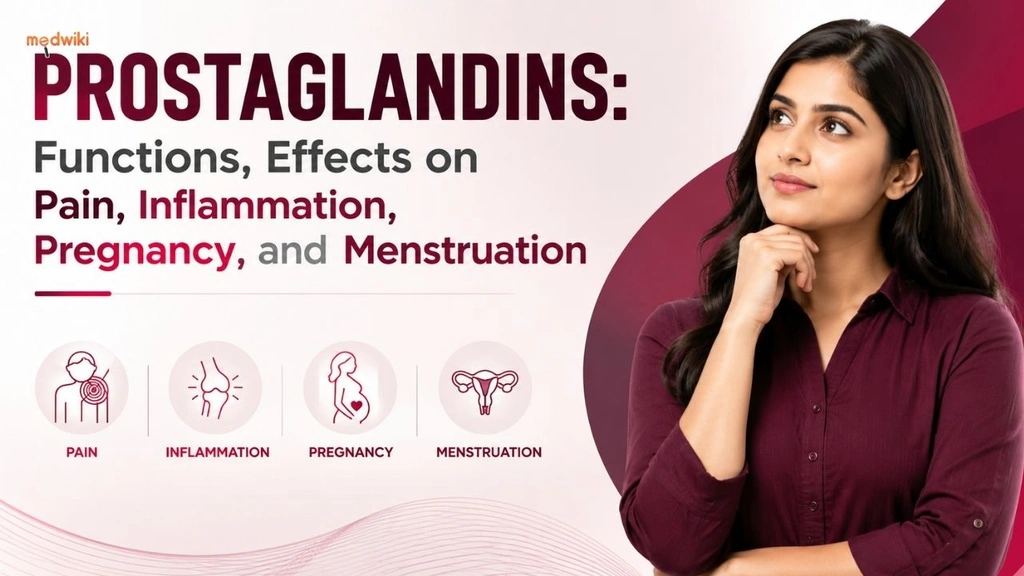
Prostaglandins are naturally occurring chemical messengers in the body that play an important role in many biological processes. They help regulate inflammation, pain, blood flow, blood clotting, digestion, and reproductive functions. Unlike hormones that travel through the bloodstream, prostaglandins usually act near the tissues where they are produced.Although prostaglandins are essential for normal body functions, abnormal levels can contribute to various health problems. High prostaglandin levels may increase pain and inflammation, while changes in prostaglandin production can affect menstruation, pregnancy, and labor. Understanding their functions can help explain many common medical conditions.This article explains what prostaglandins are, how they work, their role in pain, inflammation, pregnancy, menstruation, available prostaglandin medications, symptoms of abnormal levels, and treatment options.What Are ProstaglandinsProstaglandins are hormone-like substances made from fatty acids present in the cell membranes of almost every tissue in the body. They are produced only when needed and act locally rather than circulating throughout the bloodstream like traditional hormones.Different types of prostaglandins perform different functions depending on the tissue where they are produced. Some help trigger inflammation to fight injury or infection, while others protect the stomach lining, regulate blood vessels, or support kidney function.Because prostaglandins affect many organs, maintaining the right balance is important for overall health. Too much or too little production may contribute to pain, digestive disorders, menstrual cramps, cardiovascular disease, and pregnancy-related conditions.How Prostaglandins WorkProstaglandins are locally acting chemical messengers that are produced only when the body needs them. They help coordinate various biological processes by sending signals to nearby cells.Prostaglandins are produced fromarachidonic acid when tissues are injured or stimulated.COX-1 and COX-2 enzymes convert arachidonic acid into different types of prostaglandins.They bind tospecific receptors on nearby cells to trigger biological responses.They help regulatepain, inflammation, blood vessel function, and muscle contractions.Prostaglandins arerapidly broken down after completing their function, ensuring their effects are short-lived and tightly controlled.Because they act only at the site where they are produced, prostaglandins provide precise and localized control over body functions. This rapid production and breakdown help maintain balance and prevent excessive or prolonged effects.High Prostaglandin Levels: Causes and SymptomsHigh prostaglandin levels can increase inflammation and pain, leading to a variety of symptoms throughout the body. The effects depend on the underlying cause and the tissues affected.May occur due toinfections, injuries, chronic inflammation, or reproductive conditions.Can causeincreased pain and inflammation beyond what is needed for healing.Often lead tosevere menstrual cramps due to stronger uterine contractions.May contribute toheavy menstrual bleeding, pelvic pain, nausea, vomiting, diarrhea, and lower back pain.Treatment may includeanti-inflammatory medications, hormonal therapy, or treatment of the underlying condition.Identifying the cause of elevated prostaglandin levels is essential for effective treatment. Early medical care can help reduce symptoms, prevent complications, and improve overall quality of life.The Functions of Prostaglandins in the BodyProstaglandins are involved in many vital processes that help the body function normally. Their actions vary depending on where they are produced and the specific type of prostaglandin.Help regulateinflammation and the body's healing response.Supportblood clotting and control blood vessel function.Protect thestomach lining by increasing mucus and reducing acid production.Maintainkidney blood flow and support normal filtration.Play a key role inovulation, menstruation, labor, and cervical softening.Because prostaglandins have different roles in different organs, they are essential for maintaining overall health. Balanced prostaglandin activity allows the body to respond effectively to injury while supporting normal physiological functions.How Prostaglandins Affect Pain SignalsProstaglandins play a major role in how the body detects and responds to pain. They increase the sensitivity of nerve endings, making painful stimuli feel more intense during injury or inflammation.Increase thesensitivity of nerve endings to pain signals.Are released afterinjury, infection, inflammation, or surgery.Contribute toheadaches, arthritis, muscle pain, and postoperative pain.Amplify pain rather than directly causing it.NSAIDs help relieve pain by blocking prostaglandin production.Controlling prostaglandin levels is an important part of managing pain and inflammation. This is why medications that reduce prostaglandin production are widely used to treat both acute and chronic painful conditions.The Role of Prostaglandins in InflammationProstaglandins are key chemical messengers that help initiate and regulate the body's inflammatory response. They play an important role in protecting tissues and supporting the healing process after injury or infection.Increaseblood flow to injured or infected tissues.Causeredness, warmth, swelling, and pain during inflammation.Helpimmune cells reach damaged areas more efficiently.Support the body'shealing and repair processes.Excess prostaglandin activity can contribute tochronic inflammatory diseases such as rheumatoid arthritis and inflammatory bowel disease.While inflammation is essential for recovery, prolonged prostaglandin activity can lead to tissue damage and persistent symptoms. Medications that reduce prostaglandin production are commonly used to manage inflammation and improve quality of life.How Prostaglandins Help During LaborProstaglandins play a vital role in pregnancy, particularly during the final stages when the body prepares for childbirth. They help support normal labor and delivery by promoting important changes in the uterus and cervix.Helpsoften and thin the cervix (cervical ripening) before labor.Stimulateuterine contractions to initiate and support childbirth.Are used asmedications to induce labor when medically necessary.Abnormal prostaglandin activity early in pregnancy may contribute to certain complications.Prostaglandin medications should only be usedunder medical supervision.Prostaglandins are essential for a healthy labor process, but their levels must be carefully regulated throughout pregnancy. Any concerns about prostaglandin-related medications or pregnancy complications should be discussed with a healthcare provider.How Prostaglandins Influence Menstrual PainProstaglandins help regulate the menstrual cycle by controlling uterine contractions and the shedding of the uterine lining. Their levels naturally rise during menstruation, but excessive production can lead to painful symptoms.Help theuterus contract to shed the uterine lining during menstruation.High levels can causepainful menstrual cramps (dysmenorrhea).May contribute tonausea, diarrhea, headaches, and lower back pain during periods.NSAIDs help reduce menstrual pain by lowering prostaglandin production.Exercise, heat therapy, and adequate hydration may also help relieve symptoms.Balanced prostaglandin activity is important for normal menstruation. If menstrual pain is severe or interferes with daily life, medical evaluation can help identify the underlying cause and recommend appropriate treatment.Medical Uses of Prostaglandin AnalogsProstaglandin analogs are laboratory-made compounds designed to closely resemble natural prostaglandins. They produce similar biological effects but are often longer-lasting and more targeted, making them useful for specific medical treatments.Different prostaglandin analogs are used for different purposes. Some help lower intraocular pressure in people with glaucoma, while others are used for labor induction, cervical ripening, prevention of gastric ulcers, or treatment of postpartum bleeding.Although prostaglandin analogs are effective, they should only be used as prescribed. Their benefits and potential side effects vary depending on the type of analog, dosage, and the individual's medical condition.Common Prostaglandin MedicationsProstaglandin medications are synthetic versions of naturally occurring prostaglandins. They are prescribed to treat various medical conditions by mimicking the effects of prostaglandins in the body.MisoprostolUsed toprevent NSAID-induced stomach ulcers,induce labor,ripen the cervix, and managemedical abortion under medical supervision.Dinoprostone Used forcervical ripening andlabor induction in pregnant women.Carboprost Used to controlsevere postpartum hemorrhage after childbirth.Latanoprost,Travoprost, andBimatoprost – Used tolower eye pressure in people withglaucoma orocular hypertension.Alprostadil Used to treaterectile dysfunction and, in newborns with certain congenital heart defects, to keep theductus arteriosus open until surgery.These medications should only be used under the supervision of a healthcare provider, as they can affect multiple organs and may cause side effects such asabdominal cramps, diarrhea, nausea, fever, flushing, or uterine contractions, depending on the specific drug and its use.ConclusionProstaglandins are essential chemical messengers that help regulate pain, inflammation, blood flow, digestion, menstruation, pregnancy, and many other important body functions. They act locally within tissues and are produced only when needed to maintain normal physiological processes.While prostaglandins are necessary for good health, abnormal levels can contribute to painful or inflammatory conditions, severemenstrual cramps, and pregnancy-related changes. Understanding how prostaglandins work can help individuals recognize symptoms and seek timely medical care.With appropriate diagnosis and treatment, most prostaglandin-related conditions can be effectively managed. Following medical advice, using medications as prescribed, and addressing the underlying cause can help restore balance and improve overall health.Frequently Asked Questions1. What are prostaglandins?Prostaglandins are hormone-like chemical messengers that regulate pain, inflammation, blood flow, and reproductive functions.2. What is the main function of prostaglandins?Their main function is to regulate inflammation, pain, blood clotting, and several important body processes.3. How do prostaglandins cause pain?They increase the sensitivity of nerve endings, making pain feel more intense during injury or inflammation.4. Can high prostaglandin levels cause severe menstrual cramps?Yes, elevated prostaglandin levels can trigger stronger uterine contractions and painful menstrual cramps.5. Why are prostaglandins important during pregnancy?They help soften the cervix and stimulate uterine contractions to support labor.6. What are prostaglandin analogs used for?Prostaglandin analogs are used to treat glaucoma, induce labor, prevent stomach ulcers, and manage certain other medical conditions.7. Can prostaglandin medications have side effects?Yes, they may cause side effects such as diarrhea, nausea, abdominal cramps, or fever depending on the medication.
1:15
A mild odor in semen is completely normal and varies from person to person. Healthy semen often has a slightly chlorine-like, ammonia-like, or musky smell due to its natural chemical composition. These subtle changes are usually not a cause for concern.However, if semen develops a strong fishy smell, especially along with pain, burning during urination, unusual discharge, or changes in color, it could indicate an underlying health problem. Such symptoms should not be ignored, as they may require medical evaluation.A fishy semen smell is not always linked to asexually transmitted infection(STI). Poor hygiene, bacterial infections, prostatitis, urinary tract infections (UTIs), dehydration, or an imbalance in normal bacteria can also affect semen odor. Identifying the underlying cause is the first step toward proper treatment and better reproductive health.What Does Healthy Semen Normally Smell LikeHealthy semen usually has a mild odor that many people describe as slightly chlorine-like, bleach-like, or musky. This smell comes from naturally occurring substances such as proteins, minerals, enzymes, and alkaline fluids produced by the prostate and seminal vesicles.The odor of semen can vary depending on hydration, diet, medications, smoking, and overall health. Temporary changes in smell are common and often return to normal without treatment once the underlying factor improves.A mild odor without other symptoms is generally not a cause for concern. However, if the smell becomes strongly fishy, foul, or rotten and persists for several days, it may signal an infection or another medical condition.Why Does Sperm Smell FishyA fishy smell usually occurs when bacteria, infections, or inflammation affect the male reproductive or urinary system. The odor may come from semen itself or from fluids mixing with semen during ejaculation.The smell may appear after ejaculation and may be accompanied by pain, burning during urination, unusual discharge, fever, orpelvic discomfort. These symptoms suggest that medical evaluation is needed.Although many cases are treatable, persistent changes in semen odor should never be ignored because they may indicate infections requiring medication.What Might Be Behind a Fishy Smell in SemenA fishy smell in semen can result from several medical conditions, lifestyle habits, or temporary changes in the body. While some causes are harmless and resolve on their own, others may require prompt medical attention.Bacterial infections affecting the urinary tract, prostate, or reproductive organs.Sexually transmitted infections (STIs) such as gonorrhea, chlamydia, or trichomoniasis.Prostatitis (prostate inflammation or infection) that alters the composition of semen.Urinary tract infections (UTIs) that may affect semen odor when bacteria spread nearby.Poor genital hygiene, allowing sweat, bacteria, and skin oils to accumulate.Dehydration, which can concentrate body fluids and temporarily change their smell.Smoking and tobacco use, which can alter the odor of body fluids.Changes in the natural bacterial balance of the genital or urinary tract.Rare underlying reproductive or urinary conditions that may require medical evaluation.Identifying the underlying cause is important because treatment depends on what is responsible for the odor. If the fishy smell persists or occurs with symptoms such as pain, burning, discharge, fever, or blood in the semen, consult a healthcare professional for an accurate diagnosis and appropriate treatment.Symptoms That May Accompany Fishy-Smelling SemenA fishy smell in semen may occur along with other symptoms that can help identify the underlying cause. While some changes are temporary, persistent or worsening symptoms should not be ignored.Burning or pain during urinationPainful ejaculation or discomfort during sexPenile discharge or unusual fluid from the urethraPelvic, groin, or lower abdominal painFrequent urination or difficulty emptying the bladderFever, chills, blood in the semen, or swollen testiclesIf you experience a fishy semen odor along with any of these symptoms, consult a healthcare professional for proper diagnosis and treatment. Early medical care can help prevent complications and protect reproductive health.How Is the Cause of Fishy-Smelling Semen DiagnosedTo determine the cause of a fishy semen odor, a healthcare provider may review your symptoms, medical history, and perform a physical examination. The recommended tests depend on the suspected underlying condition.Medical history and physical examinationUrine tests and urine cultureSemen analysisSexually transmitted infection (STI) screeningBlood tests or prostate evaluation, if neededUltrasound or other imaging tests when structural problems are suspectedAn accurate diagnosis helps identify the underlying cause and ensures the most appropriate treatment for relieving symptoms and preventing complications.Treatment for Fishy-Smelling SpermTreatment focuses on addressing the underlying cause of the fishy odor rather than the smell itself. The most appropriate treatment depends on the diagnosis made by a healthcare provider.Antibiotics such asciprofloxacin, trimethoprim-sulfamethoxazole (TMP-SMX), doxycycline, or amoxicillin-clavulanate may be prescribed for bacterial infections, depending on the cause.STIs are treated with specific medications, such asceftriaxone for gonorrhea,doxycycline for chlamydia, ormetronidazole for trichomoniasis.Prostatitis may require antibiotics,ibuprofen ornaproxen for pain and inflammation, warm sitz baths, and adequate hydration.Good genital hygiene, regular bathing, and proper foreskin cleaning (if uncircumcised) can help reduce odor caused by bacterial buildup.Lifestyle changes, including drinking plenty of water, quitting smoking, limiting alcohol, and using condoms, may help prevent recurrence.Treatment should always be guided by a healthcare professional. Avoid taking antibiotics or other medications without a confirmed diagnosis, as the wrong treatment can delay recovery and contribute to antibiotic resistance.Why Does Semen Smell Fishy After EjaculationA fishy smell that appears only after ejaculation can have several possible explanations. While temporary changes are often harmless, persistent odor may indicate an underlying medical condition.Mixing of semen with fluids from the prostate gland, seminal vesicles, and urethra can make odors more noticeable during ejaculation.Bacterial infections or inflammation of the prostate or urinary tract may alter the smell of semen.Dehydration, certain foods, or poor genital hygiene can temporarily change semen odor.Persistent fishy odor after multiple ejaculations, especially with pain, burning, discharge, or fever, may suggest an infection that requires medical evaluation.Urine tests, semen analysis, and STI screening may be recommended to identify the underlying cause and guide appropriate treatment.If the fishy smell continues or is accompanied by other symptoms, consult a healthcare professional for an accurate diagnosis and timely treatment.Could Prostatitis Be Causing a Fishy Smell in SemenProstatitis occurs when the prostate gland becomes inflamed or infected. Since the prostate produces a significant portion of semen, inflammation can change both the smell and appearance of semen.Common prostatitis symptoms include pelvic pain, lower back pain, pain between the scrotum and anus, burning while urinating, frequent urination, difficulty emptying the bladder, painful ejaculation, and sometimes blood in the semen.Symptoms may develop suddenly or gradually depending on the type of prostatitis. Prompt medical treatment can relieve symptoms, improve quality of life, and reduce the risk of chronic prostate problems.Can Fishy-Smelling Semen Affect Fertility?A temporary change in semen odor alone usually does not affect fertility. However, if the fishy smell is caused by an untreated infection such as prostatitis or a sexually transmitted infection (STI), sperm health may be affected over time.Inflammation or infection in the reproductive tract can reduce sperm quality, decrease sperm motility, and interfere with normal sperm production. If left untreated, these changes may make it more difficult to conceive.Early diagnosis and appropriate treatment help protect fertility and prevent long-term complications. If the odor persists or occurs with pain, burning, discharge, or blood in the semen, seek medical evaluation promptly.ConclusionA mild odor in semen is usually normal, but a persistent fishy smell should not be ignored. While dehydration, diet, or hygiene may cause temporary odor changes, infections are among the most common medical causes.Conditions such as prostatitis, urinary tract infections, and sexually transmitted infections can all affect semen odor and often require professional treatment. Paying attention to accompanying symptoms can help identify when medical care is necessary.Maintaining good genital hygiene, staying hydrated, practicing safe sex, and seeking timely medical evaluation for persistent symptoms are the best ways to protect male reproductive health, support healthy sperm, and reduce the risk of infections,premature ejaculation, and fertility-related complications.Frequently Asked Questions (FAQs)Q1. Why does sperm smell fishy?A fishy smell in sperm is commonly caused by infections, poor hygiene, prostatitis, or sexually transmitted infections (STIs).Q2. Is fishy-smelling semen always a sign of an STI?No, fishy-smelling semen can also result from prostatitis, urinary tract infections, dehydration, or poor hygiene.Q3. Can dehydration change the smell of semen?Yes, dehydration can make semen more concentrated and temporarily alter its odor.Q4. Does prostatitis cause a fishy smell after ejaculation?Yes, prostatitis can change the composition of semen and cause a fishy odor after ejaculation.Q5. When should I see a doctor for fishy-smelling semen?You should see a doctor if the odor persists or is accompanied by pain, burning, discharge, fever, or blood in the semen.Q6. Can diet affect the smell of sperm?Yes, foods like garlic, onions, asparagus, alcohol, and certain spices can temporarily change semen odor.Q7. How can I prevent fishy-smelling semen?Maintaining good hygiene, staying hydrated, practicing safe sex, and treating infections promptly can help prevent fishy-smelling semen.
1:15
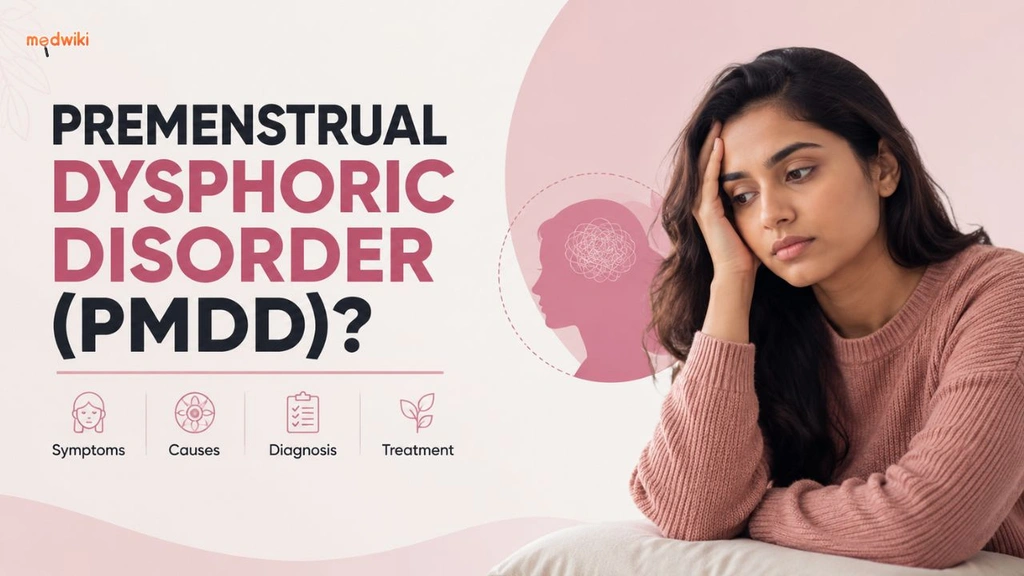
Premenstrual Dysphoric Disorder (PMDD) is a severe form ofpremenstrual syndrome(PMS) that affects a person's emotional, physical, and mental well-being before menstruation. While many people experience mild premenstrual symptoms, PMDD can significantly interfere with work, relationships, school, and daily life. The symptoms are much more intense than those seen in regular PMS and usually improve shortly after menstruation begins.PMDD is recognized as a medical condition that requires proper diagnosis and treatment. It is not simply "bad PMS" or an emotional reaction tomenstruation. The condition is believed to result from an abnormal response to normal hormonal changes during the menstrual cycle, particularly affecting brain chemicals like serotonin.Understandingwhat is PMDD, its symptoms, causes, diagnosis, treatment options, and self-care strategies can help individuals seek timely medical support and improve their quality of life.What Is Premenstrual Dysphoric Disorder (PMDD)Premenstrual Dysphoric Disorder (PMDD) is a hormone-related mood disorder that occurs during the luteal phase of the menstrual cycle, typically one to two weeks before a period starts. Symptoms usually disappear within a few days after menstruation begins.Unlike regular PMS, PMDD causes severe emotional symptoms such as depression, anxiety,mood swings, irritability, and feelings of hopelessness. These symptoms can make it difficult to function normally at home, work, or school.PMDD affects approximately 3–8% of menstruating individuals. Although the hormonal changes are normal,Premenstrual Dysphoric Disorder (PMDD) vs Premenstrual Syndrome (PMS)Many people confuse PMDD vs PMS, but they are different in terms of severity and impact. PMS usually causes mild discomfort, whereas PMDD can seriously affect daily functioning and mental health.PMS commonly includes bloating, mild mood changes, fatigue, and food cravings. PMDD includes these symptoms but adds severe depression, anger, anxiety, emotional instability, and difficulty concentrating.The biggest difference is that PMDD symptoms are intense enough to disrupt relationships, work performance, and social life. Medical evaluation is recommended if premenstrual symptoms become overwhelming every month.How to Recognize Premenstrual Dysphoric Disorder (PMDD) SymptomsThe symptoms ofPremenstrual Dysphoric Disorder (PMDD) usually appear7 to 14 days before menstruation and improve within a few days after the period begins. They tend to recur during most menstrual cycles and may vary in severity from person to person.• Severe mood swings• Irritability or anger• Anxiety or excessive worry• Persistent sadness or depression• Frequent crying spells• Feelings of hopelessness• Panic attacks• Loss of interest in daily activities• Sleep disturbances or insomnia• Breast tendernessRecognizing these symptoms early can help individuals seek timely medical advice and appropriate treatment. If the symptoms consistently interfere with work, school, relationships, or daily activities, a healthcare professional should be consulted.What Causes Premenstrual Dysphoric Disorder (PMDD)The exact cause ofPremenstrual Dysphoric Disorder (PMDD) is not fully understood. However, research suggests that it results from an increased sensitivity to the normal hormonal changes that occur during the menstrual cycle rather than from abnormal hormone levels.• Increased sensitivity to normal hormonal fluctuations during the menstrual cycle• Changes in estrogen and progesterone levels affecting mood regulation• Altered serotonin activity in the brain• Genetic predisposition or family history of PMDD• Personal history of depression or anxiety disorders• Chronic stress that may worsen symptomsAlthough the exact cause remains unclear, understanding these contributing factors can help with early diagnosis and effective management. Seeking medical advice is important if symptoms become severe or consistently interfere with daily life.How Is Premenstrual Dysphoric Disorder (PMDD) DiagnosedThere is no single test to diagnosePremenstrual Dysphoric Disorder (PMDD). Healthcare providers diagnose the condition by evaluating symptom patterns and ruling out other medical or mental health conditions.• Diagnosis is based on symptoms rather than a blood test or imaging scan• Symptoms are evaluated over multiple menstrual cycles• A daily symptom diary is maintained for at least two consecutive cycles• Doctors assess whether symptoms appear before menstruation and improve afterward• A detailed medical and menstrual history is reviewed• Physical examinations may be performed when necessaryAn accurate diagnosis is essential for developing an effective treatment plan. Tracking symptoms consistently and consulting a healthcare professional can help ensure timely diagnosis and appropriate management.How Is Premenstrual Dysphoric Disorder (PMDD) TreatedThe treatment forPremenstrual Dysphoric Disorder (PMDD) depends on the severity of symptoms and individual health needs. A combination of medications, therapy, and healthy lifestyle changes often provides the best results.• Selective serotonin reuptake inhibitors (SSRIs) are the first-line treatment• SSRIs help reduce depression, anxiety, irritability, and mood swings• Medications may be taken daily or only during the luteal phase• Hormonal contraceptives may help suppress ovulation and relieve symptoms• Cognitive Behavioral Therapy (CBT) can improve emotional well-being• Regular physical activity helps reduce stress and improve moodA healthcare professional can recommend the most suitable treatment based on symptom severity, medical history, and individual preferences. Early treatment can significantly improve quality of life and daily functioning.What Medications Are Used to Treat Premenstrual Dysphoric Disorder (PMDD)Several medications are available to managePremenstrual Dysphoric Disorder (PMDD). The most appropriate option depends on symptom severity, overall health, and reproductive goals.• Fluoxetine is a commonly prescribed SSRI for PMDD• Sertraline is effective in reducing emotional and physical symptoms• Escitalopram may help improve mood and anxiety symptoms• SSRIs often provide faster symptom relief in PMDD than in major depression• Hormonal birth control pills may reduce symptoms by suppressing ovulation• Pain relievers can help manage headaches, cramps, and muscle painThe right medication varies from person to person, making professional evaluation essential. Regular follow-up with a healthcare provider helps ensure safe treatment and effective symptom management.When to See a DoctorMedical advice should be sought if premenstrual symptoms consistently disrupt daily activities or emotional well-being every month.Anyone experiencing persistent depression, severe anxiety, uncontrollable anger, or symptoms affecting relationships and work should consult a healthcare provider for proper evaluation.Early diagnosis allows treatment to begin sooner, helping individuals manage symptoms effectively and prevent unnecessary emotional suffering.ConclusionPremenstrual Dysphoric Disorder (PMDD) is a serious medical condition that goes far beyond ordinary PMS (Premenstrual Syndrome). Its emotional and physical symptoms, including mood swings, anxiety,depression, irritability, fatigue, and bloating, can significantly affect daily life, relationships, and overall well-being.UnderstandingPMDD symptoms,PMDD causes, and availablePMDD treatment options can help individuals seek timely medical support and improve their quality of life.If you experiencesevere PMS symptoms every month, consult a healthcare professional. Early diagnosis, properPMDD medication, and learninghow to manage PMDD can help you regain control over your physical and emotional health.Frequently Asked Questions (FAQs)Q1. What is Premenstrual Dysphoric Disorder (PMDD)?Premenstrual Dysphoric Disorder (PMDD) is a severe form of PMS that causes intense emotional and physical symptoms before menstruation.Q2. What are the common symptoms of PMDD?Common PMDD symptoms include mood swings, anxiety, depression, irritability, fatigue, bloating, and sleep problems.Q3. What is the difference between PMDD and PMS?PMDD causes more severe emotional and physical symptoms than PMS and can affect daily activities.Q4. What causes PMDD?PMDD is linked to increased sensitivity to normal hormonal changes that affect brain chemicals like serotonin.Q5. How is PMDD diagnosed?PMDD is diagnosed through symptom tracking, medical evaluation, and ruling out other health conditions.Q6. What are the treatment options for PMDD?PMDD treatment may include SSRIs, hormonal therapy, counseling, exercise, and lifestyle changes.Q7. What medications are used for PMDD?SSRIs such as fluoxetine, sertraline, and escitalopram are commonly used PMDD medications.
1:15
Performance Anxiety and Erectile Dysfunction are closely connected, affecting many men regardless of age. WhileErectile Dysfunction (ED) can have physical causes, emotional stress and Sexual Performance Anxiety are among the most common psychological reasons behind Erectile ProblemsMany men experience occasional difficulty getting or maintaining an erection, especially during stressful situations. However, whenAnxiety and Erectile Dysfunction become a recurring cycle, confidence may decrease, leading to repeated episodes of Psychological Erectile Dysfunction,Low Libido, and other Sexual Dysfunction concerns. This condition can impact relationships, self-esteem, emotional well-being, and overall Male Sexual Health. .The good news is that Performance Anxiety in Men is treatable. With the right combination of lifestyle changes, counseling, Cognitive Behavioral Therapy (CBT), medical care, and stress management, most men can regain confidence and improve sexual function. This guide explains the causes, symptoms, diagnosis, treatment, and prevention of Performance Anxiety and Erectile Dysfunction.What Is Sexual Performance AnxietyPerformance Anxiety is a form of Sexual Anxiety in which a person becomes excessively worried about their ability to perform sexually. Instead of enjoying intimacy, they focus on fears of failure, embarrassment, or disappointing their partner. These anxious thoughts interfere with the body's normal sexual response.Performance Anxiety in Men often develops after a previous negative sexual experience, relationship stress, or unrealistic expectations about sexual performance. Even healthy men with no physical health problems may experience temporary erection difficulties because anxiety activates the body's stress response.When anxiety becomes persistent, it may lead to Psychogenic Erectile Dysfunction, a type of Erectile Dysfunction (ED) caused primarily by psychological rather than physical factors. Recognizing and addressing these emotional triggers is essential for successful Performance Anxiety Treatment.What Is Erectile Dysfunction (ED)Erectile Dysfunction (ED) is the inability to achieve or maintain an erection firm enough for satisfactory sexual activity. Although occasional Erectile Problems are common, frequent or ongoing symptoms may indicate an underlying medical or psychological condition that requires evaluation.Physical causes of Erectile Dysfunction include diabetes, high blood pressure, heart disease, obesity, hormonal imbalances, nerve disorders, and certain medications. However, Psychological Erectile Dysfunction caused by stress, anxiety, depression, or relationship issues is also a significant contributor, particularly in younger men.Identifying the exact cause is important because Erectile Dysfunction Treatment depends on whether the problem is physical, psychological, or a combination of both. Early diagnosis often leads to better outcomes and helps restore confidence and overall Male Sexual Health.Signs and Symptoms of Sexual Performance AnxietySexual Performance Anxiety can affect both emotional well-being and physical sexual function. The symptoms may appear before, during, or after intimacy and often become more noticeable when anxiety persists. Recognizing these warning signs early can help prevent long-termMale Sexual Dysfunction and improve overall sexual confidence.Common signs and symptoms include:Excessive worry about sexual performanceRacing or negative thoughts before or during sexDifficulty relaxing during sexual activityAvoiding intimacy because of previousErectile Dysfunction (ED)Difficulty getting or maintaining an erectionReduced sexual desire or libidoFeeling embarrassed or frustrated after sexual activityIncreased stress or anxiety before intimacyRelationship tension caused by repeatedErectile ProblemsOther emotional and physical symptoms related toPsychological Erectile Dysfunction,Anxiety Disorders, andSexual AnxietyIf these symptoms continue for several weeks or begin affecting your relationships or quality of life, it is important to seek medical advice. Early diagnosis and appropriate treatment can help manageAnxiety and Erectile Dysfunction, improveMale Sexual Health, and restore sexual confidence.How Performance Anxiety Causes Erectile DysfunctionPerformance Anxiety and Erectile Dysfunction often create a self-reinforcing cycle. Worrying about sexual performance activates the body's stress response, increasing adrenaline levels and making it more difficult to achieve or maintain an erection. As a result, even healthy men may experience temporary erectile problems.After one episode of erection difficulty, many men begin to fear that it will happen again. This fear can lead to Sexual Performance Anxiety, causing them to focus on their performance instead of intimacy. The increased pressure makes relaxation difficult and further affects normal sexual function.Over time, repeated episodes of Anxiety and Erectile Dysfunction may develop intoPsychogenic Erectile Dysfunction. Breaking this cycle usually requires addressing the psychological cause through stress management, open communication with a partner, healthy lifestyle habits, and appropriate Performance Anxiety Treatment such as Cognitive Behavioral Therapy (CBT).Causes of Performance Anxiety in MenPerformance Anxiety in Men can develop due to a combination of psychological, emotional, and lifestyle factors. Although occasional nervousness before intimacy is normal, persistentSexual Performance Anxiety can affect confidence, relationships, and increase the risk ofErectile Dysfunction (ED).Some of the most common causes include:Previous negative sexual experiencesFear of sexual failure or not satisfying a partnerRelationship conflicts and poor communicationEmotional intimacy issuesWork-related stress and financial pressureAnxiety DisordersUnrealistic expectations influenced by pornography or social mediaFear of repeatedErectile ProblemsPerformance pressure during intimacyOther psychological and emotional triggers that may contribute toPsychological Erectile Dysfunction andMale Sexual DysfunctionIdentifying these underlying causes is the first step toward effectivePerformance Anxiety Treatment. With proper counseling, stress management, and medical support, many men can overcomeAnxiety and Erectile Dysfunction and regain confidence in their sexual health.Psychogenic Erectile Dysfunction vs Physical Erectile DysfunctionUnderstanding the difference betweenPsychogenic Erectile Dysfunction andPhysical Erectile Dysfunction is important because the treatment approach is different for each condition. Although both can causeErectile Problems, the underlying causes are not the same.Psychogenic Erectile Dysfunction is mainly caused bySexual Performance Anxiety, stress, depression, relationship issues, or other emotional factors. Men with this condition may still experiencemorning erections or erections during masturbation, but struggle during partnered sexual activity due toPerformance Anxiety.In contrast,Physical Erectile Dysfunction is caused by medical conditions such asdiabetes, heart disease, high blood pressure, obesity, hormonal imbalances, nerve disorders, or certain medications. A healthcare provider may recommend physical examinations, blood tests, and other investigations to determine whether the cause is physical, psychological, or a combination of both before startingErectile Dysfunction Treatment.Who Is at Risk for Anxiety and Erectile DysfunctionSeveral physical, psychological, and lifestyle factors can increase the risk ofPerformance Anxiety and Erectile Dysfunction (ED). Although these risk factors do not always causeErectile Problems, they can make it more likely for anxiety and erection difficulties to develop over time.Common risk factors include:Chronic stressAnxiety DisordersRelationship conflictsPoor communication with a partnerPoor sleep qualityExcessive alcohol consumptionDiabetesHigh blood pressureHeart diseaseHormonal imbalances, including low testosteroneCertain medications that affect sexual functionAdvancing ageOther physical and emotional conditions that may contribute toPsychological Erectile Dysfunction and reducedMale Sexual HealthUnderstanding these risk factors allows men to make healthier lifestyle choices and seek early medical advice when needed. Managing stress, staying physically active, and addressing mental health concerns can help reduce the risk ofAnxiety and Erectile Dysfunction and support long-term sexual well-being.Diagnosis of Psychological Erectile DysfunctionDiagnosingPsychological Erectile Dysfunction involves identifying whether the erection problem is caused by emotional or psychological factors rather than an underlying physical illness. A proper diagnosis helps ensure the most appropriateErectile Dysfunction Treatment andPerformance Anxiety Treatment.The diagnostic process may include:Detailed medical historySexual history and frequency ofErectile ProblemsQuestions aboutSexual Performance AnxietyAssessment of relationship and emotional healthLifestyle evaluation, including smoking and alcohol usePhysical examinationTestosterone level assessmentScreening for diabetes and heart diseaseMental health evaluation forAnxiety Disorders or depressionAfter completing these evaluations, the healthcare provider can determine whether the condition is psychological, physical, or a combination of both. An accurate diagnosis is essential for improvingMale Sexual Health, reducing anxiety, and choosing the most effective treatment plan.Treatment for Performance Anxiety and Erectile DysfunctionTreatingPerformance Anxiety and Erectile Dysfunction involves managing both the psychological and physical causes. Early treatment can improve sexual confidence and overallMale Sexual Health.Treatment options include:Cognitive Behavioral Therapy (CBT)Sex therapy or counselingStress managementHealthy lifestyle changesRegular exerciseBetter sleepED medications (if needed)Treating underlying health conditionsManagingAnxiety DisordersOpen communication with your partnerThe rightErectile Dysfunction Treatment depends on the underlying cause. A combination of therapy, lifestyle changes, and medical care often provides the best results.How Cognitive Behavioral Therapy (CBT) Helps Treat Performance AnxietyCognitive Behavioral Therapy (CBT) is one of the most effective treatments forPsychological Erectile Dysfunction caused byPerformance Anxiety. It helps men identify and replace negative thoughts, fears, and unrealistic expectations that interfere with sexual performance. Over time, CBT builds confidence and reducesSexual Anxiety.During therapy, individuals learn practical techniques to manage anxious thoughts, improve emotional control, and develop healthier responses to stressful situations. CBT may also include relaxation exercises, mindfulness strategies, and communication skills that improve intimacy and reduce pressure during sexual activity.Research shows thatCognitive Behavioral Therapy (CBT) is especially effective when combined with healthy lifestyle habits or appropriateErectile Dysfunction Treatment. Many men notice gradual improvement in both confidence and sexual performance after completing therapy sessions.Best Medications for Erectile DysfunctionPrescription medications can help improve erections by increasing blood flow to the penis. However, ifPerformance Anxiety is the main cause, combining medication with therapy usually provides better long-term results.Sildenafil(Viagra): Helps increase blood flow to achieve and maintain an erection during sexual stimulation.Tadalafil (Cialis): Provides longer-lasting effects, allowing greater flexibility for sexual activity.Vardenafil (Levitra): Improves erectile function by enhancing blood flow to the penis.Avanafil (Stendra): A fast-acting ED medication with a quicker onset than some other options.Cognitive Behavioral Therapy (CBT): Helps identify and change negative thoughts that contribute toSexual Performance Anxiety.Sex Therapy: Improves sexual confidence and addresses intimacy or relationship concerns.These treatments should only be used under the guidance of a qualified healthcare provider.When Should You See a Doctor for Erectile Dysfunction?Occasional erection difficulties are common, but persistent symptoms should not be ignored. Seeking medical advice early can help identify the underlying cause and improveMale Sexual Health.Consult a doctor if you experience:Erectile Dysfunction (ED) lasting several weeks or monthsFrequent difficulty getting or maintaining an erectionReduced sexual desire (low libido)Symptoms of diabetes, heart disease, or hormonal imbalancePersistentPerformance Anxiety orSexual AnxietySigns ofAnxiety Disorders or depressionRelationship problems affecting your sexual healthNo improvement despite lifestyle changes or self-careEarly diagnosis and the rightErectile Dysfunction Treatment can help restore sexual function, improve confidence, and prevent long-term complications.ConclusionPerformance Anxiety andErectile Dysfunction are common conditions that can affect men of all ages, but they are often manageable with the right approach. Understanding the connection betweenSexual Performance Anxiety, emotional well-being, and physical health is the first step toward recovery.Whether the cause isPsychological Erectile Dysfunction, an underlying medical condition, or a combination of both, effective treatments are available. Options such asCognitive Behavioral Therapy (CBT), counseling, healthy lifestyle changes, stress management, and appropriateErectile Dysfunction Treatment can significantly improve sexual confidence and function.Seeking timely medical advice and addressing concerns without embarrassment can help break the cycle ofAnxiety and Erectile Dysfunction. With proper care, most men can regain confidence, improve intimacy, and maintain betterMale Sexual Health.Frequently Asked Questions (FAQs)1. Can Performance Anxiety cause Erectile Dysfunction?Yes,Performance Anxiety can interfere with arousal and lead toPsychological Erectile Dysfunction.2. Is anxiety-related Erectile Dysfunction permanent?No, anxiety-relatedErectile Dysfunction (ED) is often treatable with the right care and support.3. What are the common symptoms of Sexual Performance Anxiety?Common symptoms include fear of failure, nervousness, and difficulty achieving or maintaining an erection.4. Can Cognitive Behavioral Therapy (CBT) help with Performance Anxiety?Yes,Cognitive Behavioral Therapy (CBT) is an effective treatment for reducingSexual Performance Anxiety.5. Do ED medications treat Performance Anxiety?No, ED medications improve erections but do not treat the underlyingPerformance Anxiety.6. When should I see a doctor for Erectile Dysfunction?You should see a doctor ifErectile Dysfunction is frequent, persistent, or causing emotional distress.7. Can lifestyle changes improve Male Sexual Health?Yes, regular exercise, a healthy diet, quality sleep, and stress management can improveMale Sexual Health.
1:15
Although oral sex is often viewed as a safer form of sexual activity, it can still carry certain health risks. ManyDiseases Transmitted Through Oral Sexcan spread when the mouth, throat, or genitals come into contact with infected body fluids, skin, or sores. Understanding these risks can help individuals make informed decisions and protect their overall Reproductive Health.SeveralSexually Transmitted Infections (STIs), includingGonorrhea,Chlamydia,Human Papillomavirus (HPV), andTrichomoniasis, may be transmitted through oral sex. In many cases, these infections cause mild symptoms or no symptoms at all, allowing them to spread without being noticed. Early awareness and regular STI screening play an important role in reducing complications.This guide explains the common Oral Sex STDs, how they spread, their symptoms, treatment options, and practical ways to practice Safe Oral Sex. It also covers related concerns such as throat infections,urinary tract infections (UTIs), and other possible health issues linked to sexual activity. Additionally, it answers a common question—Do condoms prevent STIs during oral sex?—and provides prevention tips to reduce the risk of infection.What Are Diseases Transmitted Through Oral SexDiseases Transmitted Through Oral Sex are infections that spread during oral-genital or oral-anal contact. Bacteria, viruses, and parasites can enter the body through tiny cuts, sores, or the moist lining of the mouth and throat. Even when no visible symptoms are present, an infected person can still pass the infection to their partner.Many people mistakenly believe oral sex is free from STI risks because pregnancy cannot occur through this type of sexual activity. However, severalSTDs from Oral Sex can infect the throat, mouth, lips, or genitals. Some infections may remain unnoticed for weeks or months before symptoms appear.The likelihood of infection depends on factors such as the type of STI, the presence of sores or bleeding gums, multiple sexual partners, and whether protection is used. PracticingProtected Oral Sex and undergoing routine STI testing can significantly lower the chances of transmission.How Do Sexually Transmitted Infections Spread Through Oral SexSexually Transmitted Infections (STIs) spread through oral sex when bacteria, viruses, or parasites are transferred from one person's infected genitals, anus, or mouth to another person's mouth, throat, or genitals. The risk exists during oral sex performed on a penis, vagina, or anus.The mouth contains delicate tissues that may have tiny cuts or abrasions caused by brushing, dental work, or gum disease. These small openings make it easier for infectious organisms to enter the bloodstream. Likewise, genital sores or ulcers increase the likelihood of transmittingOral Sex STDs.Although not every exposure results in infection, repeated unprotected oral sex with an infected partner increases the risk. Using aCondom for Oral Sex or a dental dam helps reduce direct contact with infected fluids and skin, lowering the chance of transmissionMost Common Oral Sex Sexually Transmitted DiseaseGonorrhea: A common bacterial STI that can infect the throat through oral sex, often causing no symptoms but treatable with antibiotics.Chlamydia: Can occasionally spread through oral sex and infect the throat, though it is often symptom-free and easily treated with antibiotics.Human Papillomavirus (HPV): A common viral STI that can affect the mouth and throat, with some types increasing the risk of oral and throat cancers.Trichomoniasis: A parasitic STI that is rarely transmitted through oral sex but can occur in uncommon cases and is treatable with medication.Other Sexually Transmitted Infections (STIs) That Can Spread Through Oral SexIn addition toGonorrhea, Chlamydia, Human Papillomavirus (HPV), andTrichomoniasis, several otherSexually Transmitted Infections (STIs) can also be transmitted through oral sex.Herpes Simplex Virus (HSV): Can spread through direct skin-to-skin contact during oral sex, even when there are no visible sores or blisters.Syphilis: May be transmitted through contact with syphilitic sores (ulcers) present on the mouth, lips, throat, or genital area.Human Immunodeficiency Virus (HIV): Although the risk is lower than with vaginal or anal sex, HIV can still be transmitted through oral sex, particularly if there are bleeding gums, mouth sores, cuts, or exposure to infected blood.Hepatitis B: This viral infection can spread through contact with infected body fluids during oral sex, especially when there are open cuts or sores in the mouth.Other Less Common STIs: In certain situations, infections such asMycoplasma genitalium andMolluscum contagiosum may also spread through intimate oral contact, although this is less common.ManyOral Sex STDs do not cause noticeable symptoms during the early stages, allowing infections to spread unknowingly between partners. RegularSTI screening, open communication with sexual partners, and practicingsafe oral sex, including the use of condoms or dental dams, can significantly reduce the risk of transmission.Signs That You May Have an Sexually Transmitted Infections After Oral SexThe symptoms ofOral STI Symptoms vary depending on the infection, and many people experience no symptoms at all. Mild symptoms can easily be mistaken for a common cold or throat infection.Common symptoms may include:Persistent sore throatPain while swallowingRedness or inflammation in the throatWhite patches or ulcers inside the mouthSwollen lymph nodes in the neckMouth sores or blistersWarts around the mouth or lipsBad breath that does not improveFever in some infectionsAnyone experiencing these symptoms after oral sex should consult a healthcare provider for evaluation. Early diagnosis allows prompt treatment and reduces the risk of transmitting STDs from Oral Sex to others.Diagnosis You May Need for Sexually Transmitted Infections After Oral SexDiagnosingDiseases Transmitted Through Oral Sex begins with a medical history, symptom review, and discussion of recent sexual activity. Healthcare providers determine which tests are appropriate based on the type of exposure and the symptoms present.Diagnostic tests may include throat swabs, oral swabs, urine tests, blood tests, or samples collected from visible sores. Modern laboratory tests are highly accurate and can identify bacterial, viral, and parasitic infections, even when symptoms are mild or absent.People who have multiple sexual partners, engage in unprotected oral sex, or developOral STI Symptoms should consider regular STI screening. Early detection allows treatment before complications develop and helps prevent further transmission.Managing and Treating Oral Sex-Related InfectionsThe treatment forDiseases Transmitted Through Oral Sex depends entirely on the infection causing the symptoms. Some bacterial and parasitic infections are curable with medication,Common treatment approaches include:Antibiotics for bacterial infections such asGonorrhea,Chlamydia, and syphilis.Antiparasitic medications forTrichomoniasis.Antiviral medicines to reduce outbreaks caused by herpes.Regular monitoring and specialized treatment for persistentHuman Papillomavirus (HPV) infections when necessary.Supportive care, including pain relief and hydration, for sore throat symptoms.Patients should complete the full course of prescribed medication, avoid sexual activity until cleared by their healthcare provider, and ensure that recent sexual partners are informed and treated when appropriate.How to Make Oral Sex Safer and Reduce Infection RisksPracticingSafe Oral Sex is one of the most effective ways to reduce the risk ofSexually Transmitted Infections (STIs). While no preventive method offers complete protection, combining protective measures significantly lowers the chance of infection.Simple habits such as avoiding oral sex when either partner has mouth sores, genital ulcers, unusual discharge, or visible warts can reduce exposure. Maintaining good oral hygiene is beneficial, but brushing or flossing immediately before oral sex should be avoided because it may create tiny cuts in the gums.Regular STI testing, mutual communication with partners, limiting the number of sexual partners, and staying up to date with recommended vaccinations, including the HPV vaccine, all contribute to betterReproductive Health and safer sexual practices.Can Condoms Make Oral Sex SaferUsing aCondom for Oral Sex provides an important barrier that helps reduce contact with infected body fluids and genital skin. Condoms are recommended during oral sex performed on the penis, while dental dams or cut-open condoms can be used during oral-vaginal or oral-anal contact.Latex and polyurethane condoms are effective when used correctly from the beginning to the end of oral sex. Flavored condoms are specifically designed for oral use and may improve comfort while encouraging consistent protection.Although aCondom for Oral Sex greatly lowers the risk of many infections, it cannot completely eliminate the possibility of transmission through uncovered skin. Combining barrier protection with regular STI screening offers the best protection.Protective Measures to Reduce STI Risk During Oral SexAlthough no method completely eliminates the risk ofSTDs from Oral Sex, several preventive measures can significantly reduce your chances of infection. Combining protective practices with regular health check-ups provides the best level of protection.Follow these prevention tips:Use aCondom for Oral Sex or a dental dam every time.PracticeProtected Oral Sex consistently with new or multiple partners.Get tested regularly forSexually Transmitted Infections (STIs).Avoid oral sex if either partner has mouth sores, genital ulcers, or unusual discharge.Receive theHuman Papillomavirus (HPV) and hepatitis B vaccines if recommended.Maintain good oral health and avoid oral sex if your gums are bleeding.Communicate openly with your partner about STI testing and sexual health.Limit the number of sexual partners to reduce exposure risk.Following these simple habits can help lower the risk ofOral Sex STDs while supporting long-termReproductive Health.ConclusionDiseases Transmitted Through Oral Sex are more common than many people realize. Infections such asGonorrhea,Chlamydia,Human Papillomavirus (HPV),Trichomoniasis, herpes, and syphilis can all spread through oral sexual contact. Because many infections cause few or no symptoms, regular screening is an important part of protecting yoursexual health.RecognizingOral STI Symptoms, seeking timely medical care, and completing the recommended treatment can prevent complications and reduce the spread of infection. Early diagnosis also improves treatment outcomes and helps protect both you and your sexual partners.PracticingSafe Oral Sex, using aCondom for Oral Sex, and understandingDo condoms prevent STIs during oral sex? are key steps toward reducing risk. Combining safer sexual practices with routine STI testing and open communication supports lifelongReproductive Health and overall well-being.Frequently asked questions (FAQs)1. Can you get STDs from oral sex?Yes, oral sex can transmit several Sexually Transmitted Infections (STIs), including gonorrhea, chlamydia, HPV, herpes, and syphilis.2. What are the common Oral STI Symptoms?Common symptoms include a sore throat, mouth sores, swollen lymph nodes, oral warts, and pain while swallowing.3. Do condoms prevent STIs during oral sex?Condoms and dental dams reduce the risk of STIs during oral sex but cannot provide complete protection.4. Can Gonorrhea spread through oral sex?Yes, Gonorrhea can spread through oral sex and infect the throat, mouth, or genitals.5. Can HPV be transmitted through oral sex?Yes, Human Papillomavirus (HPV) can spread through oral sex and infect the mouth, throat, or genital area.6. How can I practice Safe Oral Sex?Practice Safe Oral Sex by using condoms or dental dams, getting regular STI tests, and avoiding sex when symptoms are present.7. When should I get tested for an oral STI?Get tested if you develop symptoms, have unprotected oral sex, or your partner is diagnosed with an STI.
1:15
Many women experience discomfort or irritation after intimacy, andVaginal Burning After Sex is one of the most common concerns affecting their comfort and well-being. While a mild burning sensation may sometimes occur because of friction during intercourse, persistent or severe discomfort should never be ignored.Although sexual intercourse is usually comfortable, some women may experience discomfort, withBurning After Intercourse being a common symptom. In many cases, the discomfort results from temporary irritation,Vaginal Dryness caused bymenopause, breastfeeding, hormonal changes, or the use of products that irritate sensitive vaginal tissues. However, infections, allergies, chronic conditions, and changes in hormone levels can also lead toVaginal Discomfort after sexual activity.Understanding the possibleVaginal Burning Causes is the first step toward finding effective treatment and preventing future episodes. Low estrogen levels, infections, allergies, and other underlying conditions can all contribute to vaginal burning. This guide covers the causes, symptoms, treatments, prevention tips, and ways to supportWomen's Sexual Health.understanding Vaginal Burning After SexVaginal burning after sex is a burning, stinging, or irritated sensation that occurs during or after sexual intercourse. The discomfort may affect thevagina, vaginal opening, or the surrounding vulvar area. It can last from a few minutes to several hours.The severity varies from person to person. Some women experience mild irritation after intercourse, while others may have significant pain that makes sitting, walking, or urinating uncomfortable. Recurrent symptoms can also affect intimacy and emotional well-being.Occasional irritation from friction may not be a cause for concern, but repeatedBurning After Intercourse is not considered normal. It may be linked to an infection, vaginal dryness, allergies, or another underlying condition that should be evaluated by a healthcare provider.Signs Your Vaginal Burning After Sex May Need Medical AttentionThe symptoms ofVaginal Burning After Sex can vary depending on the underlying cause. While some women experience mild irritation that fades quickly, others may develop persistent discomfort that affects their daily activities.You may experience one or more of the following symptoms:A burning or stinging sensation during or after sex.Redness,swelling, or tenderness around the vagina or vulva.Itching or soreness in the vaginal area.Pain or discomfort while urinating.Increased sensitivity around the vaginal opening.Pain During Sex (Dyspareunia) or discomfort that continues after intercourse.Unusual vaginal discharge or a foul-smelling odor.Pelvic pain or cramping, especially if an infection is present.If these symptoms occur repeatedly or become more severe, they should not be ignored. PersistentVaginal Discomfort may indicate an infection, vaginal dryness, or another underlying condition that requires medical evaluation.Causes that can lead to Vaginal BurningVaginal Burning After Sex can result from several medical conditions or temporary factors. While some causes are harmless and resolve on their own, others require proper diagnosis and treatment. Understanding these common causes can help you identify the problem and seek the right care.Vaginal Dryness: Lack of natural lubrication increases friction during sex, causing burning and soreness afterward.Yeast Infection: An overgrowth ofCandida fungus causes burning, itching, redness, and thick white discharge.Bacterial Vaginosis (BV): An imbalance of vaginal bacteria can cause burning, unusual discharge, and a fishy odor after sex.Urinary Tract Infection (UTI): A UTI may cause burning after intercourse along with painful and frequent urination.Latex Allergy: An allergic reaction to latex condoms can cause burning, itching, redness, and swelling after intercourse.Identifying the underlying cause and seeking timely medical advice can help prevent complications and ensure appropriate treatment.Vulvodynia: Chronic Pain That Affects Intimate ComfortVulvodynia is a chronic pain condition that affects the vulva without an obvious infection or injury. Women with this condition often describe a persistent burning or stinging sensation that becomes much worse during or after sexual intercourse.The exact cause of vulvodynia remains unclear, but researchers believe it may involve nerve irritation, inflammation, hormonal factors, or increased sensitivity of the vulvar tissues. Because there is no visible infection, many women experience delayed diagnosis despite ongoing discomfort.Treatment usually focuses on reducing pain and improving quality of life. Depending on the severity, healthcare providers may recommend topical medications, pelvic floor therapy, lifestyle changes, or counseling to help manage symptoms effectively.How Pelvic Floor Dysfunction Can Cause Vaginal Burning After SexPelvic Floor Dysfunction is a condition in which the muscles that support the bladder, uterus, and bowel become too tight, weak, or fail to relax properly. This muscle imbalance can make sexual intercourse uncomfortable and may contribute to Vaginal Burning After Sex.Common signs and symptoms ofPelvic Floor Dysfunction include:Deep pelvic pain during or after intercourseMuscle tightness or spasms in the pelvic areaDifficulty inserting tamponsPain or discomfort during gynecological examinationsA feeling of pressure or heaviness in the pelvic regionBurning or soreness after sexual activityThese symptoms can affect daily activities and intimate relationships if left untreated. Pelvic floor physical therapy, relaxation exercises, stretching techniques, and biofeedback therapy are commonly recommended to improve muscle function and reduce pain.Pain During Sex (Dyspareunia)Pain During Sex (Dyspareunia) is not a disease itself but a symptom of various underlying conditions. Women experiencing dyspareunia often report sharp pain, deep pelvic discomfort, or burning during penetration that continues even after intercourse has ended.Dyspareunia may result fromvaginal dryness, infections, endometriosis,pelvic inflammatory disease, scar tissue, pelvic floor disorders, or emotional factors such as anxiety. Identifying the underlying cause is essential because treatment differs depending on the condition responsible for the pain.Ignoring persistent pain during intercourse can affect emotional well-being and intimate relationships. Seeking medical advice early allows healthcare providers to diagnose the cause accurately and recommend treatments that improve comfort, confidence, and overall sexual health.How Doctors Diagnose Vaginal Burning After SexDiagnosing Vaginal Burning After Sex begins with understanding your symptoms and medical history. Your healthcare provider may ask when the burning started, how often it occurs, whether it is accompanied by itching, discharge, or pain during urination, and if it happens every time after intercourse.A physical and pelvic examination is usually performed to check for signs of redness, swelling, irritation, or infection. Depending on your symptoms, your doctor may also recommend additional tests such as a vaginal swab, urine analysis, vaginal pH test, or screening for sexually transmitted infections (STIs). These tests help identify infections likeYeast Infection,Bacterial Vaginosis (BV), or aUrinary Tract Infection (UTI).In some cases, if no infection is found, your doctor may evaluate other conditions such asPelvic Floor Dysfunction,Vulvodynia, or hormonal changes that contribute toVaginal Dryness. An accurate diagnosis is important because the treatment varies depending on the underlying cause.Treatment for Vaginal Burning After SexThe treatment forVaginal Burning After Sex depends on the underlying cause. Once the condition is diagnosed, your healthcare provider can recommend the most effective treatment to relieve symptoms and prevent them from returning.Medical TreatmentVaginal Dryness: Water-based lubricants, vaginal moisturizers, or hormone therapy.Yeast Infection: Antifungal creams, suppositories, or oral antifungal medicines.Bacterial Vaginosis (BV): Oral or vaginal antibiotics.Urinary Tract Infection (UTI): Antibiotics and adequate fluid intake.Latex Allergy: Latex-free condoms and anti-allergy medications if needed.Pelvic Floor Dysfunction: Pelvic floor physical therapy and relaxation exercises.Vulvodynia: Topical medications, pain relievers, physical therapy, or counseling.Following your doctor's advice and completing the prescribed treatment is essential for a full recovery. Avoid self-medicating, as incorrect treatment may delay healing or worsen the condition.Home RemediesIf the burning sensation is mild and not caused by an infection or another serious medical condition, a few simple home care measures may help reduce discomfort.Apply acool compress to soothe irritation.Use awater-based lubricant during intercourse.Wearloose cotton underwear and avoid tight clothing.Keep the genital areaclean and dry.Avoidscented soaps and feminine hygiene products.Staywell hydrated and avoid intercourse until symptoms improve.If symptoms persist, become severe, or are accompanied by unusual discharge, fever, or bleeding, consult a healthcare provider promptly. Early medical evaluation helps identify the cause and ensures appropriate treatment.Prevention of Vaginal Burning After SexAlthough not every case can be prevented, adopting healthy habits can significantly reduce the risk of experiencing Vaginal Burning After Sex. Good intimate hygiene and proper vaginal care play an important role in maintaining overallWomen's Sexual Health.Additional preventive measures include:Practice good intimate hygiene.Urinate after sexual intercourse to lower the risk of aUrinary Tract Infection (UTI).Wear breathable cotton underwear.Stay hydrated and maintain a balanced diet.Practice safe sex and use protection if appropriate.Schedule regular gynecological checkups, especially if symptoms recur.Use water-based lubricants whenever needed to reduce friction during intercourse, especially if you experienceVaginal Dryness. Avoid scented soaps, douches, and harsh feminine hygiene products, as these can disturb the natural balance of the vagina and increase irritation.When Should You See a DoctorOccasional mild irritation may improve on its own, but persistent or severe symptoms should always be evaluated by a healthcare professional. Seeking medical advice early can help identify the underlying cause and prevent complications.Consult your doctor if you experience:Burning that lasts longer than 24–48 hours.RecurrentVaginal Burning After Sex.SeverePain During Sex (Dyspareunia).Unusual vaginal discharge or a foul-smelling odor.Fever, chills, or pelvic pain.Burning while urinating or frequent urination.Bleeding after intercourse.Swelling, sores, or rashes around the vaginal area.Prompt diagnosis and treatment not only relieve discomfort but also help protect your long-term reproductive and sexual health.ConclusionVaginal Burning After Sex is a common symptom that can result from several conditions, includingVaginal Dryness,Yeast Infection,Bacterial Vaginosis (BV),Urinary Tract Infection (UTI),Latex Allergy,Vulvodynia, orPelvic Floor Dysfunction. While occasional irritation may be harmless, persistent or recurring burning should never be ignored.Recognizing the symptoms early and understanding the possibleVaginal Burning Causes can help you seek timely medical care and receive the right treatment. Small lifestyle changes, such as using proper lubrication, maintaining good hygiene, and avoiding irritants, can also reduce the risk of future episodes.If the burning is severe, keeps returning, or is accompanied by unusual discharge, fever, bleeding, or significantVaginal Discomfort, consult a healthcare professional without delay. Taking proactive steps toward yourWomen's Sexual Health can improve comfort, confidence, and overall well-being.Frequently Asked Questions (FAQs)1. Is Vaginal Burning After Sex Normal?Occasional mild burning can be normal, but persistent or severe symptoms require medical evaluation.2. Can Vaginal Dryness cause burning after intercourse?Yes,Vaginal Dryness increases friction during sex, leading to burning and irritation.3. Which infections can cause Vaginal Burning After Sex?Yeast Infection,Bacterial Vaginosis (BV), andUrinary Tract Infection (UTI) are common infectious causes.4. Can condoms cause vaginal burning?Yes, aLatex Allergy can cause burning, itching, redness, and swelling after using latex condoms.5. When should I see a doctor for Vaginal Burning After Sex?See a doctor if the burning is severe, recurrent, or accompanied by discharge, fever, or bleeding.6. How can I prevent Vaginal Burning After Sex?Using adequate lubrication, practicing good hygiene, and avoiding irritants can help prevent vaginal burning.7. Can Pelvic Floor Dysfunction cause burning after sex?Yes,Pelvic Floor Dysfunction can cause pain and burning during or after sexual intercourse.

Know Us
@2026 Medwiki Pvt Ltd. All Rights Reserved