


1:15
Many men wonder whether masturbation has any impact on hormone levels and overall reproductive health. Questions about sexual activity and hormonal balance are common because testosterone plays a major role in physical strength, energy, mood, and fertility. One of the most frequently searched topics isDoesMasturbation Affect Testosterone?, especially among men concerned about fitness, fertility, and sexual wellness.There are many myths surrounding masturbation and its influence on the body. Some people believe that frequent masturbation can permanently lower testosterone levels, while others think it has no effect at all. Understanding what scientific research says can help separate facts from misconceptions and provide a clearer picture of male reproductive health.Testosterone is a vital hormone that affects muscle development, libido, sperm production, and overall well-being. Learning how sexual activity influences hormone balance can help men make informed decisions regarding their health and lifestyle.Understanding Testosterone and Its Role in the BodyTestosterone is the primary male sex hormone responsible for many physical and reproductive functions. It is produced mainly in the testes and plays a critical role in growth, fertility, and sexual function. Healthy hormone levels support physical performance and emotional well-being.TheTestosterone Hormone influences muscle mass, bone density, fat distribution, and libido. It also contributes to the development of male characteristics during puberty and helps maintain reproductive function throughout adulthood.Because testosterone affects many body systems, fluctuations in hormone levels often raise concerns among men seeking to optimize their health. Understanding its role is essential when discussing sexual activity and hormonal balance.How Testosterone Is Produced in MenThe body carefully regulatesTestosterone Production through a complex communication system involving the brain and reproductive organs. Hormonal signals from the hypothalamus and pituitary gland stimulate the testes to produce testosterone.Understanding this process helps explain why short-term activities rarely create major hormonal disruptions.Hormonal signals begin in the brainThe pituitary gland controls hormone releaseThe testes produce most testosteroneHormone levels fluctuate naturallyAge influences testosterone productionLifestyle habits affect hormone balanceThis tightly regulated system helps maintain stableTestosterone Levels in Men. Temporary changes may occur throughout the day, but the body generally works to keep hormone levels within a healthy range.Does Masturbation Cause a Permanent Drop in Testosterone?One of the most common myths is that masturbation permanently lowers testosterone levels. Scientific evidence does not support this belief. Research suggests that masturbation may cause short-term hormonal fluctuations, but these changes are generally temporary and not harmful.Many studies examiningMasturbation Testosterone Levels have found no evidence that normal masturbation causes long-term testosterone deficiency. Hormone levels naturally rise and fall throughout the day regardless of sexual activity.No proven permanent testosterone reductionHormonal changes are usually temporaryNatural fluctuations occur dailyHealthy men maintain hormone balanceResearch does not support major declinesTestosterone levels typically normalize quicklyCurrent evidence suggests that masturbation is unlikely to negatively affect long-term hormone health. Most experts agree that normal sexual activity does not significantly disrupt testosterone balance.Short-Term Hormonal Changes After MasturbationSexual activity can temporarily influence hormone levels due to changes in brain chemistry and physiological responses. These fluctuations are a normal part of the body's response to sexual stimulation and orgasm.Themasturbation effect on testosterone level has been studied extensively, and findings generally indicate only minor short-term changes. These variations are usually brief and return to baseline levels within a relatively short period.Temporary hormonal shifts should not be confused with chronic hormone deficiencies. Long-term testosterone levels are influenced more by overall health, age, and lifestyle factors than by occasional sexual activity.Masturbation and Male HormonesThe body produces several hormones that work together to regulate reproductive and sexual functions. Testosterone is only one part of a larger hormonal network that influences mood, energy, and fertility.Understanding the interaction betweenMale Hormones can provide a broader perspective on reproductive health.Testosterone supports libidoDopamine influences pleasure responsesOxytocin affects emotional bondingProlactin rises after orgasmEndorphins promote relaxationHormones work together continuouslyResearch onMasturbation Effects on Hormones shows that multiple hormones may fluctuate temporarily after sexual activity. However, these short-term changes are considered normal physiological responses.Can Abstinence Increase Testosterone Levels?Some studies have explored whether avoiding masturbation for a period of time can influence testosterone levels. Research findings are mixed, with some reporting temporary increases and others finding little meaningful change.A brief rise in hormone levels may occur during periods of abstinence, but evidence does not suggest dramatic or long-lasting increases. The body's hormonal regulation system typically returns levels to their normal range.Temporary increases may occurEvidence remains limitedHormone regulation remains stableResults vary between studiesLong-term changes are uncommonIndividual responses differWhile abstinence may influence hormones briefly, overallTestosterone Production remains largely controlled by biological and lifestyle factors rather than sexual frequency alone.Effects on Sexual Health and PerformanceMany men worry that masturbation could harm sexual performance or reduce sexual desire. However, moderate masturbation is generally considered a normal part of human sexuality and is not usually associated with serious sexual dysfunction.The relationship betweenSexual Health and Testosterone is complex because many factors contribute to sexual function. Hormone levels, psychological health, physical fitness, and relationship factors all play important roles.Maintaining healthy hormone levels supports libido and overall sexual wellness. Normal masturbation habits typically do not interfere with long-term sexual performance or reproductive health.Relationship Between Testosterone and Erectile FunctionTestosterone contributes to sexual desire and plays a role in reproductive function. However, erectile performance depends on several factors, including blood flow, nerve function, mental health, and cardiovascular health.UnderstandingErectile Function and Testosterone helps clarify common misconceptions about sexual performance.Testosterone influences libidoBlood circulation affects erectionsMental health impacts performanceCardiovascular health is importantSleep supports hormone balanceHealthy habits improve sexual wellnessAlthough testosterone is important, erectile difficulties often involve multiple contributing factors. Men experiencing persistent symptoms should seek professional medical evaluation.Lifestyle Factors That Influence Testosterone More Than MasturbationMany daily habits have a far greater impact on hormone levels than masturbation. Nutrition, exercise, sleep quality, stress management, and body weight significantly affect hormonal health.Focusing on these factors can provide greater benefits forMen's Reproductive Health and hormone balance.Regular physical activityAdequate sleep each nightBalanced nutritionHealthy body weightStress reduction techniquesAvoiding tobacco and excessive alcoholImproving lifestyle habits can positively influenceTestosterone Levels in Men and support overall well-being. These factors are often more important than concerns about normal masturbation frequency.When Should Men Be Concerned About Testosterone Levels?Many symptoms commonly blamed on masturbation may actually be linked to underlying hormonal issues. Persistent fatigue, reduced libido, mood changes, and muscle loss may indicate a medical condition requiring evaluation.Monitoring overall health is important for maintaining healthy hormone function and reproductive wellness.Persistent fatigueReduced sexual desireDifficulty building muscleMood changesFertility concernsOngoing erectile problemsMen experiencing these symptoms should consult a healthcare professional. Proper testing can identify whether hormone imbalances or other medical conditions are contributing to the problem.ConclusionScientific evidence suggests that masturbation does not cause a permanent reduction in testosterone levels. While temporary hormonal fluctuations may occur, the body generally restores normal hormone balance quickly after sexual activity.Research onDoes Masturbation Affect Testosterone? continues to show that normal masturbation habits are unlikely to significantly impact long-term testosterone production or reproductive function. Most hormonal changes associated with sexual activity are short-lived and considered physiologically normal.Men who want to maintain healthy testosterone levels should focus on sleep, nutrition, exercise, stress management, and overall wellness. These lifestyle factors have a much greater influence on hormone balance,Male Sexual Health, and long-term reproductive well-being.FollowMedwikifor more!Frequently Asked Questions1. Does masturbation lower testosterone permanently?No. Current research does not show that masturbation causes a permanent decrease in testosterone levels. Any hormonal changes that occur are usually temporary.2. Can masturbation affect testosterone production?Normal masturbation does not appear to significantly reduce long-termTestosterone Production. The body continues producing hormones through its natural regulatory mechanisms.3. Is there a connection between masturbation and male hormones?Yes. Sexual activity can temporarily influence severalMale Hormones, including testosterone, prolactin, and dopamine, but these effects are generally short-lived.4. Does abstinence increase testosterone levels?Some studies suggest a temporary increase during short periods of abstinence, but the effect is usually not dramatic or long-lasting.5. Can masturbation affect fertility?Moderate masturbation generally does not cause infertility. However, ejaculation frequency may temporarily influence semen parameters in certain situations.6. Does testosterone affect sexual health?Yes. TheTestosterone Hormone plays an important role in libido, reproductive function, energy levels, and overallMale Sexual Health.7. What are the best ways to support healthy testosterone levels?Regular exercise, quality sleep, proper nutrition, stress management, and maintaining a healthy weight are among the most effective ways to support healthy hormone levels.

1:15
Male reproductive health plays an important role in a couple’s ability to conceive naturally. Many men remain unaware of fertility issues until they begin trying for a baby and face unexpected challenges. One of the most common concerns linked to reproductive difficulties isLow Sperm Count, which can significantly affect the chances of successful conception.A reduced sperm count may develop gradually due to lifestyle choices, medical conditions, environmental exposures, or hormonal imbalances. While some causes are temporary and reversible, others may require medical attention and long-term management. Understanding the factors behind declining sperm production can help men take proactive steps toward improving reproductive health.In recent years, awareness aboutMale Infertility,Sperm Health, and fertility preservation has increased. Early identification of risk factors can improve treatment outcomes and support better reproductive planning for individuals and couples.Smoking and Tobacco UseSmoking is one of the leading contributors to fertility problems in men. Cigarettes contain harmful chemicals that can damage sperm-producing cells and reduce overall semen quality. Studies have shown that regular smokers often experience reduced sperm concentration and abnormal sperm structure.The toxins present in tobacco can also increase oxidative stress within the body. This process damages reproductive tissues and negatively impactsSperm Health over time. Men who smoke heavily are more likely to experience fertility-related complications.In addition, smoking may lower testosterone levels and interfere with hormone balance. Since hormones regulate sperm production, disruptions can contribute toLow Sperm Count in Men and other reproductive concerns.Excessive Alcohol ConsumptionAlcoholabuse can interfere with normal reproductive function and reduce fertility potential. Frequent drinking may affect hormone production and impair testicular function, making it one of the recognizedCauses of Low Sperm Count.Understanding how alcohol impacts reproductive health is important for long-term fertility preservation.Reduces testosterone productionImpairs sperm production processesAffects liver function and hormonesIncreases abnormal sperm formationContributes to erectile dysfunctionMay worsen existing fertility conditionsMen who reduce alcohol intake often experience improvements in semen quality. Limiting consumption can be an important step in addressingMale Fertility Problems and supporting healthier reproductive outcomes.Hormonal ImbalancesHormones play a central role in sperm production and reproductive function. Any disruption in hormone levels can lead to fertility challenges. Conditions affecting the pituitary gland, thyroid gland, or testes may contribute toOligospermia and reduced reproductive performance.Hormonal health directly influences sperm development and overall fertility potential.Low testosterone levelsPituitary gland disordersThyroid dysfunctionElevated prolactin levelsHormonal medication side effectsEndocrine system abnormalitiesBecause of the strong connection betweenTestosterone and Fertility, medical evaluation is often necessary when hormonal imbalances are suspected. Proper treatment may help restore reproductive function and improve semen quality.VaricoceleVaricocele refers to enlarged veins within the scrotum that affect blood circulation around the testicles. It is one of the most common and treatable causes of male fertility issues. The condition may increase testicular temperature, creating an environment that negatively affects sperm production.Research has identified varicocele as one of the majorOligospermia Causes seen in fertility clinics. Not all men with varicocele experience symptoms, but many develop changes in sperm count and quality over time.Treatment options vary depending on severity and reproductive goals. In many cases, correcting a varicocele can improve semen parameters and enhance fertility potential.Obesity and Poor DietExcess body weight can interfere with reproductive hormones and reduce sperm production. Obesity has become increasingly associated withLow Sperm Count Treatment discussions because weight management often forms part of fertility improvement plans.Maintaining a healthy weight can positively influence reproductive outcomes.Increases hormonal imbalance riskRaises body temperature around the testesContributes to insulin resistanceReduces sperm qualityPromotes inflammationImpacts overall reproductive healthAdopting healthier eating habits and regular exercise may improve fertility markers. Lifestyle modifications are frequently recommended as part of comprehensiveMale Fertility Treatment strategies.Stress and Mental Health IssuesChronic stress affects many aspects of health, including reproductive function. High stress levels can alter hormone production and interfere with the body's ability to produce healthy sperm. Mental health challenges may also influence lifestyle choices that worsen fertility outcomes.The relationship between emotional well-being and fertility is often overlooked but remains significant.Increases cortisol productionDisrupts hormone balanceReduces libidoAffects sleep qualityEncourages unhealthy habitsMay impair sperm productionManaging stress through healthy coping mechanisms can support fertility improvement. Addressing emotional concerns is often included in modernMale Fertility Treatment programs aimed at enhancing reproductive success.Exposure to Environmental ToxinsEnvironmental pollutants can have a serious impact on male reproductive health. Exposure to industrial chemicals, pesticides, heavy metals, and toxic substances may damage sperm cells and impair fertility potential.Reducing exposure to harmful substances can protect reproductive function.Pesticides and herbicidesHeavy metal contaminationIndustrial chemical exposureAir pollutionPlastic-related chemicalsWorkplace toxic substancesMany experts consider environmental exposure among the growingOligospermia Causes affecting modern populations. Preventive measures can help maintain healthier sperm production and long-term fertility.Certain Medications and Medical TreatmentsSome medications and medical procedures may affect sperm production and reproductive function. Men undergoing treatment for chronic diseases should discuss potential fertility risks with healthcare providers.Awareness of medication-related fertility effects can support informed healthcare decisions.Chemotherapy treatmentsRadiation therapyCertain antibioticsHormonal medicationsSteroid useSome blood pressure drugsThese factors can contribute toLow Sperm Motility and reduced sperm production. In some cases, fertility may improve after treatment adjustments or medical guidance from specialists.Infections Affecting the Reproductive SystemVarious infections can damage reproductive tissues and interfere with sperm production. Some infections directly affect the testes, while others create inflammation that impacts fertility.Recognizing symptoms early may help prevent long-term complications.Sexually transmitted infectionsEpididymitisOrchitisProstate infectionsUrinary tract infectionsChronic reproductive inflammationUntreated infections may contribute toMale Fertility Problems and lasting reproductive damage. Prompt medical care often improves outcomes and protects future fertility.Lack of Physical Activity and Poor Lifestyle HabitsModern lifestyles often involve prolonged sitting, unhealthy eating habits, and limited physical activity. These factors collectively influence reproductive health and may contribute to fertility challenges.Daily habits play an important role in determining long-term fertility outcomes.Sedentary lifestylePoor sleep patternsUnhealthy dietary choicesExcessive screen timeChronic dehydrationLack of regular exerciseThese are among the most commonLifestyle Factors Affecting Sperm Count identified by fertility experts. Positive lifestyle changes may support better reproductive health and improve fertility potential.ConclusionUnderstanding the variousCauses of Low Sperm Count can help men take meaningful steps toward protecting reproductive health. Many contributing factors are linked to everyday habits, making prevention and early intervention especially important.Issues such as smoking, obesity, stress, hormonal imbalances, and environmental exposure can significantly influence fertility outcomes. Addressing these concerns may improve semen quality and reduce the risk of long-term reproductive complications.AlthoughLow Sperm Count can be challenging, effective management strategies and medical support are available. With timely diagnosis, lifestyle improvements, and appropriate treatment, many men can achieve better fertility outcomes and improved overall well-being.FollowMedwikifor more!Frequently Asked Questions1. What is considered a low sperm count?A low sperm count refers to a sperm concentration below the normal reference range established through semen analysis. It may reduce the likelihood of natural conception and is commonly associated with fertility difficulties.2. Can low sperm count be reversed?In many cases, yes. Lifestyle improvements, medical treatment, and management of underlying conditions can help increase sperm production and improve fertility potential.3. What is oligospermia?Oligospermia is the medical term used to describe a lower-than-normal sperm count. It is one of the most common causes of male fertility issues.4. Does stress affect sperm count?Yes. Chronic stress can interfere with hormone production, affect reproductive function, and contribute to reduced sperm production and quality.5. How does testosterone affect fertility?The relationship betweenTestosterone and Fertility is complex. Healthy testosterone levels support sperm production, while hormonal imbalances may negatively affect reproductive health.6. Can exercise improve sperm health?Regular moderate exercise may improve circulation, hormone balance, and overallSperm Health. However, excessive training without recovery may have the opposite effect.7. When should I see a fertility specialist?Men should consider consulting a fertility specialist if pregnancy has not occurred after a year of regular unprotected intercourse or if they have known fertility risk factors.

1:15
A healthy sex life is an important part of overall well-being, but many women experience changes insexual desire at different stages of life.Low Libido in Women is a common concern that can affect emotional health, relationships, and self-confidence. While occasional fluctuations in desire are normal, persistent changes may indicate underlying physical or emotional factors that require attention.Sexual desire is influenced by a combination of biological, psychological, and lifestyle-related factors. Hormones, stress levels, relationship dynamics, and overall health all play important roles in shaping sexual interest. Understanding these influences can help women identify possible causes and seek appropriate solutions.The good news is that many women can improve their sexual well-being through lifestyle changes, medical support, and healthy communication. Learning about the factors that affect desire is the first step toward achieving a healthier and more satisfying intimate life.Understanding Female Sexual DesireSexual desire is a natural part of human health and varies from person to person. Some women experience consistent interest in intimacy, while others notice changes due to age, health conditions, or life circumstances. Understanding these differences can help reduce unnecessary worry and confusion.Many people wonder whether a decrease in desire is normal. Questions such asIs Low Libido Normal? often arise when changes occur gradually or unexpectedly. In many cases, occasional fluctuations are a normal part of life.Healthcare professionals classify persistent desire-related concerns underFemale Sexual Dysfunction when they significantly affect quality of life. Identifying the underlying cause is important because treatment approaches differ depending on individual circumstances.Common Signs and SymptomsWomen experiencing changes in sexual desire may notice a variety of physical and emotional signs. Symptoms can develop gradually or appear suddenly depending on the cause.Common indicators may include:Reduced interest in intimacyFewer sexual thoughts or fantasiesDifficulty becoming arousedReduced responsiveness duringintimacyEmotional distress related to sexual activityRelationship concerns connected to desireThese signs are often associated withLow Sex Drive in Women and may vary in severity. Understanding these symptoms can encourage women to seek support when necessary.Physical and Medical CausesA variety of health conditions can contribute to reduced sexual desire. Identifying these factors is important because treating the underlying issue may help improve overall well-being and sexual health.Some of the most recognizedCauses of Low Libido in Women include:Hormonal changesChronic medical conditionsCertain medicationsPregnancy andchildbirthSleep disturbancesNutritional deficienciesAmong the manyCommon Causes of Low Sex Drive, hormonal fluctuations are frequently discussed by healthcare professionals. Medical evaluation can help determine whether physical factors are contributing to symptoms.The Role of HormonesHormones play a major role in regulating sexual desire and reproductive health. Even small changes in hormone levels can affect mood, energy, and interest in intimacy.One common factor isHormonal Imbalance and Low Libido, which may occur during different stages of life. Changes in estrogen, progesterone, and testosterone levels can influence sexual desire and comfort.Women experiencingLow Estrogen Levels may notice vaginal dryness, mood changes, and reduced sexual interest. Understanding hormonal influences can help guide treatment decisions and improve symptom management.Stress and Emotional Well-BeingMental and emotional health can significantly influence sexual desire. Busy schedules, family responsibilities, workplace pressures, and emotional challenges may reduce interest in intimacy over time.Several emotional factors are linked tostress and low Libido.Work-related pressureFinancial concernsRelationship conflictsAnxietyDepressionLack of quality sleepManagingStress and Low Libido often requires a combination of healthy coping strategies and emotional support. Addressing psychological well-being can improve both overall health and intimate relationships.Menopause and Changes in Sexual DesireAs women age, natural hormonal changes can influence sexual health and overall well-being. One of the most common life stages associated with reduced desire is menopause. During this transition, hormone production decreases, which can affect both physical comfort and emotional health. Understanding these changes can help women seek appropriate support.Several factors contribute toMenopause and Low Libido.Reduced estrogen productionVaginal drynessSleep disturbancesMood fluctuationsHot flashesIncreased fatigueThe connection betweenMenopause and Low Libido varies among individuals. With proper care and guidance, many women successfully manage symptoms and maintain satisfying relationships.How to Improve Sexual Desire NaturallyMany women seek practical solutions that support sexual wellness without immediately relying on medical interventions. Healthy lifestyle choices often play an important role in improving desire and overall quality of life. Small changes can produce meaningful results when practiced consistently. A balanced approach supports both physical and emotional well-being.Several strategies may help improve desire naturally.Exercise regularlyMaintain a nutritious dietImprove sleep qualityStrengthen emotional connectionsPractice stress managementLimit unhealthy habitsWomen exploringHow to Increase Female Libido often find that lifestyle improvements can make a significant difference. These habits are also considered among the most effectiveNatural Ways to Boost Female Libido in daily life.Medical Treatments and Professional SupportWhen symptoms persist despite lifestyle changes, medical guidance may be beneficial. Healthcare providers can identify contributing factors and recommend suitable interventions. Treatment plans are often customized based on age, health status, and individual concerns. Professional care helps ensure safe and effective symptom management.Common treatment approaches include:Hormone therapyCounseling servicesMedication adjustmentsRelationship therapyManagement of underlying conditionsPersonalized wellness plansSeveral forms ofLow Libido Treatment for Women are available depending on the cause. Healthcare providers may also recommend specific approaches related toLow Libido Treatment for Women when hormonal or medical factors are involved.Myths and MisconceptionsMisunderstandings about female sexuality often prevent women from seeking help. Many assumptions are based on outdated beliefs rather than scientific evidence. Education plays an important role in promoting healthy attitudes toward sexual wellness. Separating facts from misconceptions can improve awareness and confidence.Some common misconceptions include:Low desire only affects older womenSexual desire should always remain constantRelationship problems are the only causeHormones never influence libidoTreatment is unnecessaryDesire changes indicate personal failureManyMyths About Female Libido continue to circulate despite growing medical knowledge. Addressing theseFemale Desire Myths helps women better understand their health and seek support when needed.Important Facts About Long-Term Sexual HealthMaintaining sexual wellness involves ongoing attention to both physical and emotional health. Regular medical checkups, healthy habits, and open communication can contribute to long-term well-being. Understanding personal health needs allows women to make informed decisions. Education remains one of the most valuable tools for improving outcomes.Key considerations include:Monitoring hormonal healthMaintaining healthy relationshipsManaging chronic conditionsPrioritizing mental well-beingStaying physically activeSeeking medical advice when neededUnderstandingFacts About Women's Sexual Health can empower women to take control of their well-being. Awareness and proactive care often contribute to healthier and more satisfying intimate relationships.ConclusionLow Libido in Women is a common concern that can be influenced by physical, emotional, hormonal, and lifestyle-related factors. Understanding the potential causes is an important first step toward finding effective solutions. Every woman's experience is unique and deserves individualized attention.Factors such asHormonal Imbalance and Low Libido, emotional stress, andLow Estrogen and Sex Drive may contribute to changes in desire. Identifying these influences allows women and healthcare providers to develop appropriate management strategies. Early intervention often leads to better outcomes.Whether through lifestyle improvements, professional support, or medical care, many women successfully address concerns related to sexual desire. LearningHow to Increase Female Libido and understanding available treatment options can support long-term sexual wellness and overall quality of life.FollowMedwikifor more!Frequently Asked Questions1. Is low libido normal for women?Many women experience temporary changes in sexual desire due to stress, hormonal fluctuations, or life circumstances. Questions such asIs Low Libido Normal? are common, and occasional changes are generally considered normal.2. What are the most common causes of low sex drive?Some of the most recognizedCommon Causes of Low Sex Drive include hormonal changes, stress, chronic health conditions, medications, and relationship challenges.3. Can low estrogen affect sexual desire?Yes,Low Estrogen and Sex Drive are often connected. Reduced estrogen levels can contribute to vaginal dryness, discomfort during intimacy, and decreased sexual interest.4. How can women naturally improve libido?Many women exploreNatural Ways to Boost Female Libido, including regular exercise, healthy eating, stress management, improved sleep, and stronger emotional connections.5. What treatments are available?Severalendometriosis treatments are available for medical conditions, but for low libido, healthcare providers may recommend counseling, hormone therapy, medication adjustments, or other forms ofLow Libido Treatment for Women depending on the cause.6. Does menopause always cause low libido?No. WhileMenopause and Low Libido are commonly associated, not every woman experiences a decline in sexual desire. Individual experiences vary based on health, lifestyle, and emotional factors.7. When should I seek professional help?If reduced desire causes emotional distress, relationship difficulties, or persists for an extended period, consulting a healthcare professional is recommended. Professional guidance can help identify the cause and determine appropriate treatment options.
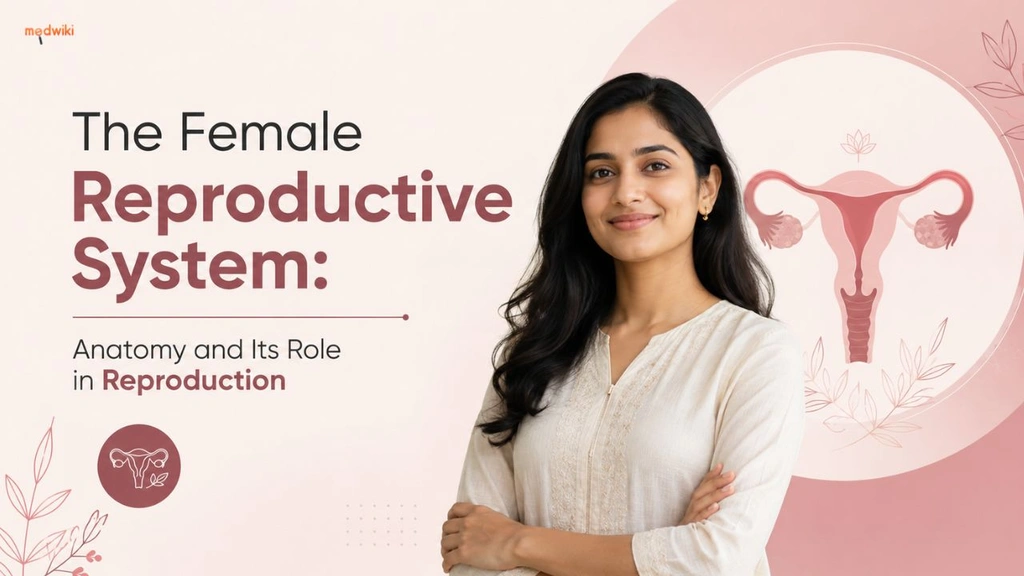
1:15
Thefemale reproductive system plays a vital role in fertility,menstruation, pregnancy, and childbirth. Understanding how this system functions can also help women recognizeearly signs of pregnancy and maintain better reproductive health throughout different stages of life. It is an essential part of the body that supports both reproductive and hormonal functions. Knowledge about this system can help women make informed health decisions.The reproductive organs work together to produce eggs, support fertilization, and provide an environment for fetal development. Each structure has a specific role that contributes to the reproductive process and overall well-being. Proper functioning of these organs is important for maintaining reproductive health. Their coordinated activities ensure successful reproductive outcomes.Learning about reproductive anatomy can help individuals make informed healthcare decisions and better understand the changes that occur during puberty, pregnancy, and menopause. A clear understanding of the system also promotes awareness of common reproductive health concerns. This knowledge can encourage early detection of potential reproductive issues. It also supports long-term reproductive wellness.Understanding the Female Reproductive SystemThefemale reproductive system is a complex network of internal and external organs that support reproduction. These structures work together to produce eggs, regulate hormones, and facilitate pregnancy when fertilization occurs. The system is essential for both reproduction andhormonal balance throughout life. Its proper functioning contributes significantly to overall health.The system begins developing before birth and continues to mature throughout puberty. Hormonal changes influence reproductive functions and help regulate the menstrual cycle during the reproductive years. These hormonal changes influence many physical and emotional processes in the body. They also affect fertility and reproductive readiness.A healthy reproductive system is essential for fertility and overall health. Understanding its anatomy provides valuable insight into how the body prepares for conception, pregnancy, and childbirth. It also plays a significant role in supporting overall women's health. Awareness of reproductive anatomy encourages proactive healthcare decisions.External Reproductive Organs and Their FunctionsTheexternal female reproductive system includes the visible structures that protect the internal reproductive organs. These organs serve important functions related to protection, sensation, and reproductive health. Each structure contributes to comfort, protection, and reproductive function. They also play a role in maintaining personal hygiene and health.Understanding theexternal genitalia of the female reproductive system helps individuals appreciate how these structures contribute to reproductive function and comfort. These organs are often the first line of protection against infections. They are also important forsexual health and bodily awareness. Knowledge of their function can improve reproductive education.Key external structures include:Labia majoraLabia minoraClitorisVaginal openingUrethral openingMons pubisTogether, these structures form theexternal female reproductive system and help protect sensitive internal organs while supporting reproductive and sexual functions. Together, they form an important protective barrier for the reproductive tract. Their health is essential for overall reproductive well-being. Proper care helps prevent infections and discomfort.Internal Reproductive Organs ExplainedThe internal organs are responsible for ovulation, fertilization, and pregnancy. These structures are among the most importantfemale reproductive system parts and functions that support reproduction. These organs work together in a coordinated manner throughout the reproductive cycle. Their functions are carefully regulated by hormones.Understanding the major internal organs helps explain how conception occurs and how pregnancy develops over time. Each organ contributes to a different stage of the reproductive process. Their combined efforts support fertility and healthy pregnancies. Knowledge of these organs improves reproductive awareness.The primary internal organs include:OvariesFallopian tubesUterusCervixVaginaEndometriumThese organs perform essentialfemale reproductive system parts and functions, ensuring that reproductive processes occur efficiently and naturally. Their combined functions make conception and pregnancy possible. Healthy functioning of these organs supports successful reproduction. Any abnormalities may require medical evaluation.Female Reproductive System Parts and FunctionsEach organ has a specialized role within the reproductive process. The ovaries release eggs and produce hormones such as estrogen and progesterone that regulate reproductive health. These hormones also influence bone health, mood, and metabolism. Their production is essential throughout the reproductive years.The fallopian tubes provide a pathway for eggs to travel toward the uterus. Fertilization commonly occurs within these tubes before the fertilized egg moves into the uterine cavity. This movement is carefully regulated by muscular contractions and tiny hair-like structures. Proper tube function is important for successful conception.The uterus supports pregnancy by providing a nurturing environment for fetal development. These importantfemale reproductive system parts and functions work together to sustain human reproduction. Any disruption in these functions can affect reproductive health and fertility. Regular medical checkups can help identify potential concerns early.The Menstrual Cycle and Reproductive HealthThe menstrual cycle is one of the most important functions of thereproductive system of female anatomy. It prepares the body each month for a potential pregnancy through hormonal changes and uterine preparation. Hormonal balance is crucial for maintaining a regular menstrual cycle. A healthy cycle often reflects good reproductive health.Understanding the cycle can help women monitor fertility and identify changes in reproductive health. Tracking menstrual patterns may reveal signs of hormonal imbalance or underlying conditions. Awareness of cycle phases can improve reproductive planning. It also helps women understand their bodies better.Important stages include:Menstrual phaseFollicular phaseOvulationLuteal phaseHormonal regulationUterine preparationA healthy cycle reflects the proper functioning of thereproductive systemand contributes to fertility and overall wellness. Tracking these phases can help improve reproductive awareness. It may also assist healthcare providers in evaluating reproductive concerns. Understanding the cycle supports informed health decisions.Relationship Between Male and Female Reproductive SystemsThemale and female reproductive system work together during the process of human reproduction. While each system has unique structures and functions, both contribute essential reproductive cells required for conception. Both systems are equally important for successful human reproduction. Their coordinated roles make the creation of new life possible.The male system produces and delivers sperm, while the female system provides eggs and supports pregnancy after fertilization. These biological processes are carefully regulated by hormones and reproductive organs. Successful fertilization depends on the health of both systems. Understanding both systems improves knowledge of human reproduction.Important reproductive interactions include:Sperm productionEgg releaseFertilizationEmbryo developmentHormonal coordinationPregnancy supportThe cooperation between themale and female reproductive system allows fertilization and successful reproduction to occur naturally. This partnership highlights the biological connection between both systems. Each system performs specialized functions that complement the other. Together, they ensure reproductive continuity.Female Reproductive System in Real LifeThefemale reproductive system in real life affects many aspects of health beyond pregnancy and childbirth. Hormonal changes influence mood, energy levels, bone health, and overall physical well-being. These effects can influence physical, emotional, and reproductive well-being. They can also affect daily routines and lifestyle choices.Reproductive health education helps women understand body changes throughout adolescence, adulthood, and menopause. Awareness of these changes can lead to better health management and prevention strategies. Knowledge empowers women to seek medical care when necessary. It also promotes confidence in understanding their bodies.Examples of thefemale reproductive system in real life include:MenstruationOvulationFertility trackingPregnancyChildbirthMenopauseThese experiences demonstrate how the reproductive system influences daily life and long-term health outcomes. Understanding these experiences helps individuals manage reproductive health more effectively. It also encourages proactive healthcare practices. Better awareness often leads to healthier outcomes.Early Signs That May Indicate PregnancyMany women begin paying close attention to their bodies after ovulation. Recognizingearly signs of pregnancy can provide clues that conception may have occurred before a pregnancy test confirms the result. Many of these changes occur due to rising pregnancy hormone levels. Early awareness can help women prepare for pregnancy.Transitioning into common indicators that may appear during the earliest stages:Missed periodMild crampingBreast tendernessFatigueNauseaIncreased urinationTheseearly signs of pregnancy vary from person to person, and not every woman experiences the same symptoms. However, these symptoms alone cannot confirm pregnancy with certainty. Monitoring changes over time can provide additional clues. A pregnancy test remains the best method for confirmation.Recognizing Pregnancy Before a Missed PeriodSome women noticeearly signs of pregnancy before a missed period occurs. These subtle changes are often caused by hormonal shifts that begin shortly after implantation. These early symptoms may appear even before menstruation is expected. Their intensity can differ among individuals.While symptoms can differ, paying attention to unusual body changes may help identify pregnancy earlier. Careful observation can help women better understand their reproductive health. Early recognition may encourage timely medical consultation. It can also reduce uncertainty during the waiting period.Common signs include:Light spottingMild fatigueSensitive breastsMood changesFood aversionsIncreased body temperatureAlthoughearly signs of pregnancy before a missed period can be helpful indicators, a pregnancy test remains the most reliable method of confirmation. Observing these changes can help women identify possible pregnancy sooner. Symptoms should always be considered collectively rather than individually. Professional guidance can provide additional reassurance.Pregnancy Symptoms Related to Discharge and Urine ChangesHormonal changes can affect bodily fluids during early pregnancy. Some women noticeearly signs of pregnancy discharge that appear as increased, thin, or milky vaginal secretions. These changes are generally considered normal during early pregnancy. They occur as the body adapts to hormonal shifts.Changes in urine may also raise questions about pregnancy symptoms and overall reproductive health. Increased fluid retention and hormonal activity can influence urinary habits. Women may notice subtle differences during the early weeks. Understanding these changes can reduce unnecessary concern.Potential changes include:Increased dischargeThicker cervical mucusFrequent urinationStronger sense of smellMild bloatingHormonal fluctuationsMany people ask aboutcolor early signs of pregnancy urine, but urine color alone is not considered a reliable pregnancy indicator. Understandingwhat are the early signs of pregnancy requires looking at multiple symptoms rather than relying on a single change. Consulting a healthcare professional can provide accurate guidance when symptoms are unclear. Proper medical advice ensures accurate pregnancy assessment.ConclusionThefemale reproductive system is a remarkable network of organs that supports menstruation, fertility, pregnancy, and childbirth. Understanding its structure helps individuals make informed decisions about reproductive health. It remains one of the most important systems involved in human reproduction. Knowledge of its functions promotes lifelong reproductive wellness.Learning about theexternal genitalia of the female reproductive system, internal organs, and hormonal processes provides valuable insight into how reproduction occurs. This knowledge can also help identify changes that may require medical attention. Awareness of these functions supports better reproductive health management. Early recognition of abnormalities can lead to timely treatment.Recognizingearly signs of pregnancy and understanding reproductive functions empower women to take an active role in their health. Greater awareness contributes to better reproductive care and overall well-being. This understanding can contribute to healthier outcomes throughout life. It also encourages informed healthcare choices and preventive care.FollowMedwikifor more!Frequently Asked Questions1. What is the female reproductive system?Thefemale reproductive system consists of internal and external organs responsible for producing eggs, supporting fertilization, regulating hormones, and sustaining pregnancy.2. What are the main female reproductive system parts and functions?The primary organs include the ovaries, fallopian tubes, uterus, cervix, and vagina. These structures perform essentialfemale reproductive system parts and functions related to reproduction and fertility.3. What is included in the external female reproductive system?Theexternal female reproductive system includes the labia, clitoris, vaginal opening, urethral opening, and mon pubis. These structures protect internal organs and support reproductive health.4. What are the early signs of pregnancy?Commonearly signs of pregnancy include fatigue, breast tenderness, nausea, increased urination, and a missed period. Symptoms vary from one person to another.5. Can early signs of pregnancy appear before a missed period?Yes. Some women experienceearly signs of pregnancy before missed period such as light spotting, mild cramping, fatigue, or breast sensitivity.6. Is pregnancy discharge normal?Yes.Early signs of pregnancy discharge may include increased vaginal secretions that are typically thin, milky, and odorless due to hormonal changes.7. Does urine color confirm pregnancy?Many people search forcolor early signs of pregnancy urine, but urine color alone cannot confirm pregnancy. A pregnancy test is the most accurate way to determine pregnancy.

1:15
Sexual wellness is an important part of overall health, yet many people experience changes in desire at different stages of life.Low Libido is a common concern that can affect relationships, confidence, and emotional well-being. While occasional fluctuations in sexual interest are normal, a persistent decline may indicate underlying physical or psychological factors.Understandingwhat is libido can help individuals identify when changes in desire require attention. Simply put, libido refers to a person's sexual drive or interest in intimacy. Factors such as stress, hormones, lifestyle habits, and medical conditions can all influence sexual desire.Many people hesitate to discuss intimacy-related concerns, but recognizing the causes and available solutions is the first step toward improvement. Whether it affects men or women, understanding libido and maintaining sexual health can contribute to a happier and healthier life.Understanding Libido and Why It MattersMany people askwhat is libido when they notice changes in their sexual interest. Libido is the natural desire forsexual activity and intimacy that varies from person to person. It is influenced by physical health, emotional well-being, hormones, and relationship satisfaction.Thelibido meaning goes beyond physical attraction. It reflects the body's overall readiness and interest in sexual experiences. A healthy libido often contributes to relationship satisfaction and personal confidence.For those seeking local language explanations, thelibido meaning in hindi is "कामेच्छा," which refers to sexual desire or sexual drive. Understanding thelibido meaning in hindi can help improve awareness and encourage open discussions about sexual health.Hormonal Changes and Their ImpactHormones play a major role in regulating sexual desire. Changes in testosterone, estrogen, and other hormones can significantly affect intimacy and sexual interest in both men and women.Several hormonal factors may contribute to changes in libido:Low testosterone levelsMenopause-related hormonal shiftsPregnancy and postpartum changesThyroid disordersHormonal contraceptivesAging-related hormone declineHormonal fluctuations are among the most commoncauses of Low Libido. Identifying these changes through proper medical evaluation can help individuals find effective solutions and improve their overall sexual well-being.Stress and Mental Health ChallengesMental and emotional health have a strong influence on sexual desire. Stress, anxiety,depression, and emotional exhaustion can interfere with intimacy and reduce interest in sexual activity.Common emotional factors include:Work-related stressFinancial worriesAnxiety disordersDepressionRelationship conflictsPoor self-esteemThese issues often contribute toReduced Sexual Desire and can affect both partners in a relationship. Addressing emotional well-being through healthy coping strategies and professional support may help restore intimacy and connection.Lifestyle Habits That Affect Sexual DesireDaily habits have a direct impact on overall health and sexual wellness. Poor lifestyle choices can gradually reduce energy levels, hormonal balance, and physical performance.Smoking, excessive alcohol consumption, lack of exercise, and unhealthy eating habits may contribute toDecreased Libido. These factors can affect blood circulation, hormone production, and overall vitality.Improving lifestyle habits often leads to noticeable improvements in energy, confidence, and sexual health. Small changes made consistently can support long-term wellness and intimacy.Relationship Issues and Emotional DistanceRelationship dynamics play an important role in maintaining healthy intimacy. Emotional disconnect, unresolved conflicts, and lack of communication can reduce sexual interest over time.To strengthen emotional and physical connection, consider the following:Communicate openly with your partnerSpend quality time togetherAddress unresolved conflictsShow appreciation regularlyPractice emotional intimacySeek counseling when neededRelationship concerns are among the leadingcauses of low Libido for many couples. Building trust and improving communication often helps restore closeness and increase relationship satisfaction.Medical Conditions Linked to Low DesireSeveral medical conditions can influence sexual health and reduce interest in intimacy. Chronic illnesses may affect energy levels, hormones, circulation, and emotional well-being.Health conditions that may contribute include:DiabetesHeart diseaseObesityChronic painSleep disordersNeurological conditionsThese medical concerns may increase the likelihood of experiencingSexual Desire Disorder. Managing underlying health conditions can often improve both physical health and sexual wellness.Low Libido in Men: Common Causes and ConcernsLow Libido in Men can result from a variety of physical and emotional factors. Testosterone levels naturally decline with age, but lifestyle habits and medical conditions may also contribute.Common factors affecting men include:Low testosteroneChronic stressPoor sleep qualityObesityCertain medicationsMental health concernsUnderstandingLow Libido in Men is important because it may sometimes indicate an underlying health issue. Early intervention and lifestyle improvements can often help restore confidence and intimacy.Low Libido in Women: Understanding the Unique FactorsLow Libido in Women is influenced by hormonal, emotional, and lifestyle factors. Women may experience fluctuations in desire due to pregnancy, menopause, stress, or relationship concerns.Factors commonly associated with women include:Hormonal changesPregnancy and childbirthMenopauseStress and anxietyRelationship issuesCertain medicationsUnderstandingLow Libido in Women helps create awareness about the unique challenges women may face. Proper support, communication, and medical guidance can often improve sexual health and overall well-being.How to Increase Libido NaturallyMany people wonderhow to Increase Libido without relying solely on medication. Natural approaches often focus on improving overall health and addressing contributing factors.Helpful strategies include:Exercise regularlyGet adequate sleepManage stress effectivelyEat a balanced dietImprove relationship communicationLimit alcohol consumptionLearningHow to Increase Libido naturally can provide long-term benefits for both physical and emotional health. Consistent healthy habits often lead to noticeable improvements in energy, confidence, and intimacy.Treatment Options and Professional SupportWhen lifestyle changes are not enough, professional treatment may be beneficial. Various therapies and medical interventions are available depending on the underlying cause.CommonLow Libido Treatment options include:Hormone therapyCounseling and therapyMedication adjustmentsLifestyle modificationsRelationship counselingMedical treatment for underlying conditionsThe rightLow Libido Treatment depends on individual circumstances and health needs. Consulting a qualified healthcare professional can help identify the most effective approach and support long-term improvement.ConclusionExperiencingLow Libido is more common than many people realize. Changes in sexual desire can occur due to hormones, stress, health conditions, lifestyle habits, or relationship challenges.Understanding thelibido meaning, recognizing theCauses of Low Libido, and identifying potential solutions can help individuals take positive steps toward improvement. Open communication and professional guidance are often valuable parts of the process.Whether the concern involvesLow Libido in Men,Low Libido in Women, or general changes in intimacy, addressing the issue early can improve both relationship satisfaction and overall quality of life.FollowMedwikifor more!Frequently Asked Questions1. What is libido?What is libido refers to a person's natural desire or interest in sexual activity. Libido varies from person to person and can be influenced by physical, emotional, and hormonal factors.2. What are the most common causes of low Libido?CommonCauses of Low Libido include stress, hormonal changes, relationship issues, medical conditions, certain medications, and unhealthy lifestyle habits.3. Is Low Sex Drive normal?A temporaryLow Sex Drive can be normal during periods of stress, illness, or major life changes. However, persistent symptoms may require further evaluation.4. Can Low Libido affect both men and women?Yes,Low Libido can affect both genders. While the causes may differ, emotional, hormonal, and physical factors can influence sexual desire in everyone.5. What is Sexual Desire Disorder?Sexual Desire Disorder is a condition characterized by a persistent lack of sexual interest that causes personal distress or relationship difficulties.6. How can I increase libido naturally?People looking forHow to Increase Libido naturally may benefit from regular exercise, stress management, quality sleep, healthy nutrition, and improved relationship communication.7. What is female sex health and why is it important?Female sex health includes physical, emotional, and hormonal factors that influence intimacy and reproductive wellness. Maintaining good sexual health contributes to overall well-being and relationship satisfaction.

1:15
Understanding theestrogen meaning is important for both women and men because this hormone affects many body functions. Estrogen supports reproductive health, mood, skin quality, bone strength, and heart health. A balanced hormone level helps the body work properly at every stage of life.Many people search for information aboutwhat is estrogen hormone because hormonal imbalance has become common today. Stress, unhealthy eating habits, aging, and medical conditions can all affect hormone levels. Learning about estrogen can help people identify symptoms early and seek proper treatment.The topic ofestrogen meaning is also becoming popular among people who want to understand fertility, menopause, and hormonal health. In simple words, estrogen is a hormone mainly produced in women, although men also have small amounts. It plays a major role in physical growth and emotional well being.Role of Estrogen in the BodyEstrogen is one of the most important hormones in the human body. It supports reproductive health and controls many body functions. The hormone is mainly produced in the ovaries in women. Small amounts are also produced in the adrenal glands and fat tissues.The concept ofestrogen hormone function includes support for healthy skin, strong bones, and proper menstrual cycles. This hormone also helps maintain cholesterol levels and supports brain health. Hormonal balance is necessary for overall wellness and energy levels.Many people ask aboutestrogen hormone function in females because women experience major hormonal changes during puberty, pregnancy, and menopause. Estrogen helps inbreast development and reproductive health. It also supports emotional balance and healthy sleep patterns.Common Causes of Low EstrogenLow estrogen levels can happen because of age, stress, or certain medical conditions. Women nearing menopause often experience a natural decline in hormone levels. Poor nutrition and excessive exercise can also affect hormone production.Understanding the causes of hormonal imbalance helps people take early action before symptoms become severe.Menopause and agingEating disorders and poor nutritionExcessive physical activityPituitary gland disordersChronic stress and anxietyCertain medications and treatmentsLow estrogen should not be ignored because it can affect physical and emotional health. Early treatment and lifestyle changes may help restore balance naturally.Signs of Low Estrogen LevelsPeople often search forwhat is estrogen hormone when they start noticing unusual physical changes. Low estrogen can affect sleep, mood, energy, and reproductive health. Symptoms may appear slowly and become stronger over time.Recognizing the warning signs early can help prevent long term health problems and improve quality of life.Irregular or missed periodsMood swings and depressionVaginal drynessHot flashes and night sweatsWeak bones and joint painLow sex driveWomen experiencing these symptoms should speak with a healthcare provider for proper guidance. Hormonal imbalance can usually be managed with medical care and healthy habits.Symptoms of High EstrogenHigh estrogen levels can also create health problems in both women and men. Hormonal imbalance may happen because of obesity, medications, stress, or certain medical conditions. High estrogen often affects mood, weight, and reproductive health.The idea ofestrogen meaning becomes clearer when people understand how too much estrogen can disturb body functions. Excess estrogen may increase water retention and make people feel tired or emotionally sensitive. Hormonal imbalance can also affect sleep quality and concentration.Many women experience symptoms related toestrogen hormone function in females when estrogen becomes too high. Heavy periods, breast tenderness, and headaches are common signs. Some women may also experience anxiety and bloating during hormonal imbalance.Estrogen and Female HealthThe discussion aroundestrogen hormone function in females is very important because this hormone controls many aspects of female health. Estrogen supports fertility, pregnancy, menstrual health, and emotional stability. Balanced hormone levels help women maintain overall wellness.Understanding female hormonal health can help women make better lifestyle and healthcare decisions.Supports regular menstrual cyclesHelps maintain bone strengthSupports healthy skin and hairImproves reproductive healthSupports emotional balanceHelps maintain heart healthWomen should pay attention to hormonal changes throughout different stages of life. Early care and healthy habits can support better hormone balance naturally.Estrogen and Male HealthMany people are surprised to learn aboutestrogen hormone in male health. Men naturally produce small amounts of estrogen along with testosterone. This hormone supports brain function, bone health, and emotional balance in men.Learning about male hormone balance helps people understand that estrogen is not only important for women.Supports bone density in menHelps maintain brain functionSupports healthy libidoAffects mood and emotionsHelps regulate body fatSupports heart healthToo much or too little estrogen in men can lead to health issues. Medical advice is important if symptoms become frequent or severe.Foods That Support Estrogen BalanceHealthy eating habits can support hormone balance naturally. Many people search forestrogen hormone food options that may help improve overall health. Certain foods contain phytoestrogens that may support healthy estrogen activity in the body.A balanced diet combined with exercise and good sleep may improve hormonal wellness over time.Soy products and tofuFlaxseeds and sesame seedsNuts and dry fruitsGreen vegetablesFruits like berries and applesWhole grains and legumesNatural food sources may help maintain healthy hormone levels when included in a balanced diet. It is always best to consult a healthcare provider before making major dietary changes.Medical Tests and DiagnosisDoctors may recommend anestrogen hormone test to check hormone levels in the body. This test helps identify hormonal imbalance and related medical conditions. Blood tests are commonly used to measure estrogen levels accurately.Knowing the right diagnosis helps healthcare providers choose the best treatment plan for each person.Blood test for hormone levelsPhysical health examinationMenstrual history reviewFertility related evaluationBone health assessmentLifestyle and diet analysisAn early diagnosis can help prevent complications linked to hormonal imbalance. Regular health checkups are important for long term wellness.Treatment Options for Hormonal BalanceTreatment for estrogen imbalance depends on the cause and severity of symptoms. Lifestyle changes, medicines, and hormone therapy are commonly used to improve hormonal health. Doctors create treatment plans according to individual needs.Understanding treatment methods helps people manage symptoms more effectively and safely.Hormone replacement therapyBalanced and healthy dietStress management techniquesRegular physical exerciseProper sleep routineMedical supervision and follow upPeople should avoid self medication for hormonal issues. Professional guidance is necessary for safe and effective treatment.Estrogen Awareness and Lifestyle CareLearning theestrogen meaning can help people become more aware of hormonal health and body changes. Hormones influence physical health, emotional balance, and energy levels. Small lifestyle improvements can support healthy hormone production naturally.Many people searching forestrogen hormone in Hindi want easy explanations about hormone related health. Awareness programs and health education can help people understand hormonal imbalance better. Better knowledge often leads to early treatment and healthier living.The termestrogen hormone in male is also gaining attention because hormonal health affects everyone. Men and women both need proper hormone balance for overall wellness. A healthy lifestyle can support long term hormonal stability and better quality of life.Lifestyle Habits for Better Hormonal HealthPeople often exploreestrogen hormone food choices to improve natural hormone balance. Daily habits such as proper sleep, stress control, and exercise also play a major role. Healthy routines support better hormonal function over time.Simple lifestyle improvements can protect physical and emotional wellness in the long run.Drink enough water dailyEat nutrient rich foodsAvoid excessive junk foodMaintain a healthy weightPractice regular exerciseReduce stress levels naturallyA balanced lifestyle may help reduce the risk of hormonal imbalance. Consistency in healthy habits is important for long term benefits.Importance of Early Hormone CareMany healthcare experts recommend anestrogen hormone test when symptoms appear regularly. Early testing helps identify hormonal changes before they become serious. Timely medical care can improve treatment success and overall health.People should understand that hormone related symptoms should never be ignored or delayed.Helps detect hormonal imbalance earlySupports better treatment planningReduces risk of health complicationsImproves reproductive health awarenessSupports emotional wellnessEncourages healthy lifestyle habitsRegular monitoring and proper healthcare support can improve quality of life. Awareness and prevention are important parts of hormonal wellness.ConclusionUnderstanding theestrogen meaning helps people recognize the importance of hormonal balance in everyday life. Estrogen affects physical growth, emotions, reproductive health, and energy levels. Both low and high estrogen levels can create health challenges if ignored.The role ofwhat is estrogen hormone becomes clearer when people learn how hormones influence the body. Proper nutrition, healthy routines, exercise, and medical guidance can help maintain balanced hormone levels. Awareness is the first step toward better hormonal health.People interested inestrogen hormones in hindi often seek simple information about symptoms and treatment options. Hormonal health should never be overlooked because it affects both women and men. Early care and regular checkups can support long term wellness and a healthier life.FollowMedwikifor more!Frequently Asked Questions1. What is estrogen and why is it important?Estrogen is a hormone that supports reproductive health, bone strength, emotional balance, and many other body functions. It is mainly found in women but also exists in men in smaller amounts.2. What are the common symptoms of low estrogen?Low estrogen symptoms may include irregular periods, mood swings, hot flashes, vaginal dryness, weak bones, and low energy levels. These symptoms can vary from person to person.3. Can men have estrogen imbalance?Yes,estrogen hormone in male health is important because men also produce small amounts of estrogen. Hormonal imbalance in men can affect mood, bone health, and body weight.4. Which foods help improve estrogen levels?Many people includeestrogen hormone food options such as soy products, flaxseeds, nuts, fruits, and vegetables in their diet to support healthy hormone balance naturally.5. How is estrogen imbalance diagnosed?Doctors commonly recommend anestrogen hormone test through blood analysis to measure hormone levels and identify possible imbalance or related health conditions.6. Can lifestyle changes improve hormone balance?Yes, healthy eating, regular exercise, stress management, and proper sleep may support balanced hormone levels and improve overall wellness naturally.7. Why is estrogen important for women?The topic ofestrogen hormone function in females is important because estrogen supports fertility, menstrual health, bone strength, skin quality, and emotional stability in women.

1:15
Many people today are becoming more aware of hormonal health and the effects of aging on the body. One common medical approach used to manage hormone related problems istestosterone replacement therapy.The TRT full form is Testosterone Replacement Therapy, and it is commonly recommended for people dealing with Testosterone Deficiency or hormone imbalance. Doctors usually suggest Testosterone Therapy after checking Testosterone Levels in Men through blood tests and physical symptoms.People also search for information about Low Testosterone in Men because this condition can affect physical health, emotional balance, and sexual wellness. While Testosterone Treatment may help restore Male Testosterone Deficiency, many people still wonder whether long term use is truly safe.Testosterone and Its Role in the BodyTestosterone is an important hormone responsible for muscle growth, bone strength, mood balance, and reproductive health in men. Healthy Testosterone Levels in Men support energy, stamina, and overall physical performance throughout adulthood.Low Testosterone can develop slowly over time and may not always be easy to recognize in the beginning. Some people experience constant fatigue, reduced concentration, poor sleep quality, and loss of motivation during daily activities.Doctors often diagnose Hypogonadism after reviewing symptoms and laboratory reports carefully. Low Testosterone in Men may also affect emotional health by increasing stress, irritability, and low confidence levels.Common Causes Behind Testosterone DeficiencySeveral medical and lifestyle factors may contribute to Testosterone Deficiency in adults. Poor sleep, stress, obesity, chronic illness, and aging are among the most common causes linked with Low Testosterone.Understanding the underlying cause is important before starting any Testosterone Treatment.Aging naturally lowers Testosterone Levels in Men over time.Obesity may affect hormone balance and increase Male Testosterone Deficiency.Diabetes and chronic illnesses can contribute to hormone imbalance.Stress and anxiety may negatively affect Male Hypogonadism symptoms.Certain medications may reduce natural testosterone production.Poor lifestyle habits can worsen Testosterone Deficiency gradually.Early diagnosis and proper medical evaluation can help identify the main cause of hormonal imbalance. A personalized Testosterone Therapy plan may offer better results when combined with healthy lifestyle changes.Signs and Symptoms of Low TestosteroneMany people with Low Testosterone in Men experience physical and emotional changes that affect daily life. Symptoms may appear slowly and become more noticeable as Testosterone Levels in Men continue to decline.Recognizing the warning signs early may help people seek timely Testosterone Treatment.Constant tiredness and reduced energy throughout the day.Loss of muscle mass and physical strength over time.Mood swings, stress, and low confidence levels.Poor concentration and difficulty focusing on tasks.Reduced sexual interest and performance concerns.Increased body fat and reduced exercise stamina.People experiencing multiple symptoms should consult a healthcare professional for proper testing and guidance. Early Testosterone Therapy may help improve physical health, emotional wellness, and overall quality of life.How Testosterone Replacement Therapy WorksTestosterone replacement therapy is designed to restore hormone levels in people diagnosed with Male Testosterone Deficiency. Doctors may prescribe injections, gels, patches, or implants depending on the patient's condition and medical history.Before starting Testosterone Therapy, healthcare providers usually perform blood tests to measure Testosterone Levels in Men accurately. These tests help determine whether the patient has Hypogonadism or another medical issue affecting hormone production.Long term treatment requires regular medical follow ups to ensure safe and effective results. While many people experience Benefits of Testosterone Replacement Therapy, doctors also watch for possible Side Effects of Testosterone Replacement Therapy during routine health evaluations.Factors That Influence Long Term SafetyThe long term safety of Testosterone Therapy depends on several personal health factors and lifestyle habits. Age, medical history, body weight, and existing conditions all play an important role in treatment success.Regular health monitoring is necessary during Testosterone Treatment for long term safety.Blood tests help track Testosterone Levels in Men accurately.Heart health should be monitored during long term hormone therapy.Healthy diet and exercise support better treatment outcomes.Smoking and alcohol may increase treatment related risks.Proper dosage reduces chances of Side Effects of Testosterone Replacement Therapy.Consistent doctor consultations improve safety and treatment balance.People should never use hormone medication without professional guidance or proper testing. Safe medical supervision helps reduce complications and improves the Benefits of Testosterone Replacement Therapy over time.Possible Heart and Blood Related ConcernsSome studies suggest that Testosterone Therapy may affect heart health in certain individuals, especially older adults with pre existing conditions. Doctors usually evaluate cardiovascular history carefully before recommending long term Testosterone Treatment.Understanding possible risks helps patients make informed decisions about hormone therapy.Increased red blood cell count may affect blood circulation.Some individuals may experience higher blood pressure levels.Existing heart conditions may require extra medical monitoring.Regular cholesterol testing supports safer long term treatment.Weight management may improve overall cardiovascular health.Controlled dosage reduces unnecessary treatment related stress.Many patients continue treatment safely when therapy is monitored properly by healthcare professionals. Maintaining a healthy lifestyle and attending regular checkups can reduce the Side Effects of Testosterone Replacement Therapy.Importance of Regular Monitoring During TherapyLong term Testosterone Treatment requires ongoing supervision to maintain safe hormone balance and overall health. Doctors regularly monitor Testosterone Levels in Men to ensure treatment remains effective and medically appropriate.Consistent follow up care helps detect potential problems before they become serious.Blood tests help identify changes linked with Male Hypogonadism.Liver health evaluations support safer long term therapy.Doctors monitor sleep quality and energy improvements regularly.Hormone levels are adjusted according to patient response.Prostate health checks are often included during treatment.Monitoring reduces risks linked with Testosterone Deficiency management.People who follow medical advice closely often experience better treatment results over time. Responsible Testosterone Therapy combined with healthy habits can improve both safety and long term wellness.Benefits of Testosterone Therapy for Long Term HealthMany patients notice positive physical and emotional improvements after beginning Testosterone Therapy under professional supervision. Restoring healthy Testosterone Levels in Men may improve daily functioning and overall well being for people with Testosterone Deficiency.Understanding the Benefits of Testosterone Replacement Therapy helps people evaluate whether treatment is suitable for their condition.Improved energy and reduced daily fatigue symptoms.Better muscle strength and physical performance levels.Increased confidence and emotional stability over time.Enhanced focus and mental concentration during tasks.Better bone health and reduced weakness risks.Improved sexual wellness and relationship satisfaction.The Benefits of Testosterone Replacement Therapy may vary from person to person depending on overall health and lifestyle habits. Regular monitoring and balanced Testosterone Treatment help maintain safer and more effective long term outcomes.Side Effects That Patients Should UnderstandAlthough many people benefit from Testosterone Therapy, some individuals may experience mild or serious health concerns during treatment. Understanding the Side Effects of Testosterone Replacement Therapy is important before beginning any long term hormone plan.Patients should remain aware of physical changes and report unusual symptoms immediately.Acne and oily skin may develop during treatment.Sleep disturbances can occur in some individuals.Swelling or fluid retention may appear occasionally.Mood changes may affect emotional stability temporarily.Increased red blood cells may require medical attention.Fertility issues may develop with prolonged Testosterone Treatment.Most Side Effects of Testosterone Replacement Therapy can be managed through proper dosage control and regular health monitoring. Working closely with healthcare professionals helps patients maintain safer treatment results over time.Lifestyle Habits That Improve Treatment ResultsHealthy daily habits can improve the effectiveness and safety of Testosterone Therapy for people managing Male Testosterone Deficiency. Lifestyle improvements often support better hormone balance and reduce health risks linked with long term treatment.Combining medical care with healthy routines often produces more stable long term outcomes.Regular exercise supports healthy Testosterone Levels in Men.Balanced nutrition improves energy and muscle health naturally.Proper sleep supports hormonal recovery and emotional wellness.Stress management may reduce symptoms of Low Testosterone.Avoiding smoking supports cardiovascular and hormonal health.Routine health checkups improve long term Testosterone Treatment safety.Good lifestyle choices work alongside medical care to improve the Benefits of Testosterone Replacement Therapy. Long term success depends on consistency, professional guidance, and responsible health management.ConclusionLong term testosterone replacement therapy may provide significant health improvements for people dealing with Testosterone Deficiency and related hormonal conditions. Many individuals experience better energy, emotional wellness, and physical strength after beginning medically supervised treatment.People with Low Testosterone in Men should always seek proper medical advice before starting Testosterone Therapy. Regular testing, balanced dosage, and lifestyle improvements help reduce the Side Effects of Testosterone Replacement Therapy over time.Understanding both the risks and Benefits of Testosterone Replacement Therapy allows patients to make informed healthcare decisions. Every individual responds differently to Testosterone Treatment depending on age, medical history, and overall health condition.FollowMedwikifor more!Frequently Asked Questions1. What is the TRT full form?The TRT full form stands for Testosterone Replacement Therapy. It is a medical treatment used to restore healthy testosterone levels in people experiencing Testosterone Deficiency or Male Hypogonadism.2. Can Low Testosterone affect daily life?Yes, Low Testosterone can affect energy, mood, sleep, concentration, muscle strength, and sexual wellness. Many people with Low Testosterone in Men experience physical and emotional changes that impact everyday activities.3. Is Testosterone Therapy safe for long term use?Testosterone Therapy may be safe for long term use when supervised by a qualified healthcare professional. Regular blood tests and medical monitoring help reduce the chances of complications and support better treatment outcomes.4. What are the common Side Effects of Testosterone Replacement Therapy?Some common Side Effects of Testosterone Replacement Therapy include acne, swelling, sleep problems, mood changes, and increased red blood cell production. Proper dosage and regular health evaluations can help manage these concerns.5. Who may need Testosterone Treatment?People diagnosed with Testosterone Deficiency, Hypogonadism, or Male Testosterone Deficiency may benefit from Testosterone Treatment. Doctors usually recommend therapy after evaluating symptoms and laboratory test results.6. How are Testosterone Levels in Men tested?Doctors measure Testosterone Levels in Men through blood tests that are usually performed in the morning. These tests help determine whether hormone levels are within a healthy range.7. Can lifestyle changes improve testosterone health?Yes, healthy lifestyle habits such as regular exercise, proper sleep, balanced nutrition, and stress management may improve hormonal health naturally. These habits can also support the Benefits of Testosterone Replacement Therapy during long term treatment.
1:15
Preventing unwanted pregnancy is an important part of reproductive health for many women and couples. Today, several birth control methods are available, but many people prefer long term and low maintenance options. One popular method is thecontraceptive injection, which offers reliable pregnancy prevention without the need for daily pills or devices.This hormonal method is given by a healthcare professional at regular intervals, usually every few months. It works by preventing ovulation and making it difficult for sperm to reach the egg. Many women choose this option because it is simple, private, and effective for long term family planning needs.People often search for the pregnancy injection name and want to know whether this method is truly safe and reliable. Understanding its effectiveness, benefits, possible side effects, and proper usage can help women make informed healthcare decisions.Understanding This Birth Control MethodAcontraceptive injection is a hormonal birth control method used to prevent pregnancy for an extended period. The injection contains hormones that stop the ovaries from releasing eggs during the menstrual cycle. It is commonly recommended for women who want reliable contraception without taking daily medication.Many healthcare providers consider this method highly effective when injections are taken on time. Women often prefer it because it does not interrupt intimacy or require frequent attention. This injectable contraceptive can provide protection for several weeks or months depending on the prescribed type.The pregnancy injection name may vary depending on the country or healthcare provider. Some women may hear about Antara contraceptive, which is one commonly discussed injectable option in reproductive healthcare programs. Understanding different names helps patients communicate more easily with doctors and healthcare workers.How This Method Prevents PregnancyHormonal injections prevent pregnancy by affecting the reproductive system in different ways. They mainly stop ovulation so the ovaries do not release eggs for fertilization. The hormones also create changes that reduce the chances of sperm reaching the egg successfully.Learning how contraception works helps women feel more informed and confident about reproductive choices.Prevents ovulation during themenstrual cycle.Thickens cervical mucus to block sperm movement.Changes the uterine lining slightly.Provides long lasting pregnancy prevention.Supports reliable family planning methods.Reduces the need for daily pills.This method is considered highly dependable when injections are taken according to schedule. Proper medical guidance also improves safety and long term satisfaction for users.How Effective Is This Hormonal Injection?The contraceptive injection is considered more than 99 percent effective when used perfectly and taken on time. Typical use effectiveness may be slightly lower because some women delay their next appointment. Even so, it remains one of the most reliable hormonal birth control methods available today.Understanding effectiveness can help women compare different contraception options more confidently.Provides strong protection against unwantedpregnancy.Works continuously between scheduled injections.Helpful for women with busy routines.Requires fewer actions compared to daily pills.Injectable contraceptive methods reduce user mistakes.Suitable for long term reproductive planning.Many healthcare professionals recommend this method for women seeking dependable contraception. Following medical instructions carefully is important for maintaining high effectiveness levels.What Happens During the Injection Process?Many women feel nervous before receiving their first hormonal injection because they do not know what to expect. A trained healthcare professional usually administers the injection in the arm or buttocks during a clinic visit. The procedure is generally quick and takes only a few minutes to complete.Before giving the injection, doctors may ask questions about menstrual cycles, health conditions, and current medications. Some women may undergo a physical examination to ensure the method is safe for them. Open communication with healthcare providers helps patients feel more comfortable and informed before treatment.After receiving the injection, mild soreness or tenderness at the injection site may occur temporarily. Most women continue their normal activities soon after the appointment without major difficulties. Regular follow up visits are important to maintain continuous pregnancy protection and monitor reproductive health.Who Can Consider This Birth Control Option?Many adult women can safely use hormonal injections after proper medical consultation and evaluation. A contraceptive injection is often recommended for women who want convenient pregnancy prevention without taking pills daily. Some women also choose this method because it offers privacy and does not interrupt intimacy.Understanding suitability helps women decide whether this method fits their lifestyle and health needs.Helpful for women seeking long term contraception.Suitable for people preferring low maintenance methods.Supports effective family planning goals.Often chosen after childbirth in some cases.Useful for women forgetting daily pills.Antara contraceptives may be suggested in healthcare programs.Doctors usually review medical history before recommending hormonal birth control injections. Professional advice improves safety and helps women choose suitable contraceptive options.Important Safety Tips for UsersUsing hormonal injections safely requires regular medical care and following the recommended schedule carefully. Women using an injectable contraceptive should attend appointments on time to maintain effective pregnancy prevention. Missing doses may reduce protection and increase the chances of unintended pregnancy.Simple precautions can improve both safety and effectiveness during long term use.Attend every injection appointment on schedule.Inform doctors about current medications.Report unusual pain or heavy bleeding.Maintain regular reproductive health checkups.Discuss future pregnancy plans with healthcare providers.Learn the pregnancy injection name prescribed by doctors.Paying attention to symptoms and maintaining communication with healthcare providers is important. Responsible contraceptive use supports safer reproductive health decisions and long term wellness.Common Myths and MisunderstandingsMany myths about hormonal contraception create confusion and unnecessary fear among women considering this method. Some people believe injections always cause permanent infertility, but fertility usually returns after stopping treatment. Others assume every woman experiences severe side effects, even though reactions vary between individuals.Understanding accurate information helps women make better decisions about reproductive healthcare.Injectable contraceptive methods do not cause permanent infertility.Weight gain does not affect every woman equally.Some users continue having regular menstrual cycles.Hormonal injections do not protect against infections.Family planning methods should match personal health needs.Antara contraceptives are medically supervised for safety.Reliable information from healthcare professionals helps reduce confusion about hormonal birth control. Education allows women to choose contraceptive methods with greater confidence and awareness.Uses of Hormonal Birth Control InjectionsHormonal injections are used by many women seeking reliable and convenient pregnancy prevention methods. A contraceptive injection provides long term protection without requiring daily attention or regular preparation before intimacy. Some healthcare providers also recommend this method for women who have difficulty remembering oral contraceptive pills.Understanding common uses helps women compare different reproductive healthcare options more effectively.Used for long term pregnancy prevention.Helpful for spacing pregnancies safely.Supports family planning programs worldwide.Suitable for women preferring private contraception.Antara contraceptives are used in public healthcare services.Convenient for women with busy lifestyles.Many women appreciate the simplicity and convenience of hormonal injection methods. Proper medical consultation helps determine whether this option is suitable for individual health needs.Benefits of Choosing This MethodMany women prefer hormonal injections because they provide reliable protection and require little maintenance. Injectable contraceptive methods are considered convenient for women who do not want daily reminders or frequent contraceptive management. Some users also notice changes such as lighter menstrual bleeding after regular use.Understanding the benefits can help women feel more confident while choosing contraception.Offers long lasting pregnancy protection.Does not interrupt sexual activity.Reduces dependence on daily pills.Supports convenient family planning strategies.Helpful for women seeking discreet contraception.Pregnancy injection name options vary by healthcare provider.This method is widely appreciated for its simplicity and effectiveness in reproductive healthcare. Regular medical supervision helps maintain safe and successful long term contraceptive use.Possible Side Effects and ConcernsLike many hormonal treatments, contraceptive injections may cause side effects in some women. Common concerns include irregular periods, mild weight changes, headaches, or mood fluctuations during early usage. Most side effects improve gradually as the body adjusts to the hormones over time.Understanding possible concerns helps women feel more prepared before starting hormonal contraception.Irregular bleeding may occur initially.Some users notice delayed fertility returns.Mild headaches or dizziness can happen.Injectable contraceptive hormones may affect mood.Injection site soreness may appear temporarily.Hormonal changes vary between individuals.Most women continue using this method safely with proper medical guidance and follow up care. Doctors should be consulted if side effects become severe or uncomfortable during treatment.ConclusionHormonal injections are considered one of the most effective and convenient birth control methods available today. They provide long lasting pregnancy prevention without requiring daily attention or complicated routines.A contraceptive injection works best when taken on time according to medical advice and follow up schedules. Understanding possible side effects, safety precautions, and benefits allows women to make informed healthcare decisions.Choosing the right birth control method depends on personal health, comfort, and future pregnancy plans. Learning accurate information about injectable contraception helps women select options that fit their lifestyle and healthcare needs.FollowMedwikifor more!Frequently Asked Questions1. How effective is a contraceptive injection for preventing pregnancy?When used correctly and taken on time, hormonal injections are more than 99 percent effective in preventing pregnancy.2. What is the pregnancy injection name commonly used in clinics?Different brands are available depending on the country and healthcare provider. Antara contraceptive is one commonly discussed injectable option.3. How often should women take hormonal injections?Most injections are given every two or three months depending on the prescribed injectable contraceptive type.4. Does a contraceptive injection protect against infections?No, hormonal injections do not protect against sexually transmitted infections. Additional protection may still be required.5. Can women use injectable contraception for family planning?Yes, many women choose injectable contraception because it supports effective long term family planning goals.6. Are there side effects linked to hormonal injections?Possible side effects include irregular periods, mild headaches, weight changes, and temporary soreness at the injection site.7. Can fertility return after stopping hormonal injections?Yes, fertility usually returns after stopping treatment, although normal ovulation may take some time to resume.

Know Us
@2026 Medwiki Pvt Ltd. All Rights Reserved