


1:15
Sexual health concerns are more common than most people openly admit. When erection problems begin to affect confidence and relationships, many men start searching for solutions. That is where the discussion aroundviagra vs cialis usually begins. Both medications are widely prescribed for erectile dysfunction, yet they are not identical. Their timing, duration, and overall experience can differ significantly.At the same time, many men dealing with erectile dysfunction also struggle with premature ejaculation. Performance anxiety can worsen both conditions, creating a cycle that affects emotional well being as much as physical function. This guide explains howviagra and cialis work, what sets them apart, their possible side effects, and how they relate to premature ejaculation.Understanding Erectile Dysfunction and Premature EjaculationErectile dysfunction refers to difficulty achieving or maintaining an erection firm enough for satisfying sexual activity. Premature ejaculation, on the other hand, occurs when ejaculation happens sooner than desired, often with minimal stimulation.These two conditions frequently overlap. When a man worries about losing his erection, anxiety builds. That anxiety can reduce control over ejaculation. In some cases, treating erectile dysfunction improves confidence, which indirectly helps with premature ejaculation.This is why the choice betweenviagra vs cialis is not only about erection strength, but also about overall sexual confidence.What Is Viagra and How Does It WorkViagra containssildenafil as its active ingredient. It works by increasing blood flow to the penis during sexual stimulation. It does not create automatic arousal, but it supports the natural erection process when a man is sexually stimulated.Viagra tablet uses:• Improving erection firmness• Enhancing sexual confidence• Treatment of erectile dysfunctionAviagra tablet is typically taken 30 to 60 minutes before sexual activity. Its effect usually lasts around 4 to 6 hours.Many people refer to it asviagra for men because it is specifically developed to treat male erectile dysfunction.What Is Cialis and How Is It DifferentCialis contains tadalafil. Like Viagra, it improves blood flow to support erections. However, its duration is much longer. The effect can last up to 24 to 36 hours.This extended window allows for more spontaneity. Instead of planning intimacy within a few hours, couples have more flexibility.This is one of the key aspects of thedifference between viagra and cialis.Viagra vs cialis: Key Differences ExplainedWhen comparingviagra vs cialis, the main distinctions include:• Onset time• Duration of action• Side effect profile• Interaction with foodDifference between Viagra and Cialis:• Viagra may work slower after a heavy meal• Some users report different side effect patterns• Cialis offers a longer opportunity window for intimacy• Viagra lasts about 4 to 6 hours, Cialis can last up to 36 hoursBothviagra and cialis belong to the same drug category, but their duration changes the experience significantly. If someone prefers short term targeted use, Viagra may be suitable. If someone wants longer flexibility, Cialis may feel more natural.Do These Medications Help With Premature EjaculationIt is important to clarify that asex tablet viagra is not specifically designed to treat premature ejaculation. However, stronger and more reliable erections often reduce performance anxiety.When anxiety decreases, control sometimes improves. In mild cases of premature ejaculation linked to stress, improving erectile function can make a noticeable difference. In more severe cases, separate treatments may be required.Viagra side effects and cialis side effectsEvery medication can have potential side effects. Most are mild and temporary, but awareness is important.Viagra side effects:• Dizziness• Headache• Facial flushing• Nasal congestionCialis side effects:• Back pain• Headache• Muscle aches• Nasal congestion• Stomach discomfortThe pattern varies between individuals. Some men tolerate one better than the other, which can influence the decision in theviagra vs cialis comparison.Can You Take Viagra and Cialis TogetherA common question is abouthow to take viagra and cialis together. The clear answer is that they should not be taken together unless specifically directed by a doctor, which is rare.Since both medications work in a similar way, combining them can dangerously lower blood pressure and increase side effects. Always use only one at a time under medical supervision.What About Female ViagraYou may hear the termfemale viagra, but it is not the same as the medication used for men. Treatments for female sexual interest disorders work differently and affect brain chemistry rather than blood flow in the same way.Men should not assume that products marketed under that label function like Viagra.How to Choose the Right OptionChoosing betweenviagra vs cialis depends on several factors:• Need for spontaneity• Tolerance to side effects• Frequency of sexual activity• Your overall health condition• Presence of heart disease or diabetesIf you want a shorter acting solution for planned intimacy, Viagra may be appropriate. If you prefer a longer acting option with more flexibility, Cialis may feel more convenient.A proper medical consultation ensures safe and effective use.Lifestyle Changes Still MatterMedication alone does not solve everything. If erectile dysfunction is linked to stress, obesity, smoking, or lack of exercise, those factors must be addressed.• Balanced diet• Smoking cessation• Weight management• Reduced alcohol intake• Regular physical activity• Stress reduction techniquesImproving these habits not only enhances medication effectiveness but can also help with premature ejaculation by improving stamina and reducing anxiety.Is There a Permanent SolutionThese medications manage symptoms, but they do not permanently cure underlying medical conditions. If erectile dysfunction results from diabetes, high blood pressure, or hormonal imbalance, those conditions require treatment as well.In many cases, combining medical therapy with healthy lifestyle choices produces significant long term improvement.ConclusionThe discussion aroundviagra vs cialis is not about which drug is universally better, but which one aligns with your needs and health profile. Both are effective treatments for erectile dysfunction. The maindifference between viagra and cialis lies in duration, flexibility, and individual response.For men also dealing with premature ejaculation, improving erection reliability can reduce anxiety and indirectly improve control. However, separate treatment may be needed in some cases.Before choosing anyviagra tablet or related medication, consult a healthcare professional. Safe use, correct dosage, and awareness of possibleviagra side effects orcialis side effects are essential. FollowMedwikifor more!Frequently Asked Questions1. What is the main difference between Viagra and Cialis?The primary difference between viagra and cialis is duration. Viagra lasts around 4 to 6 hours, while Cialis can last up to 36 hours.2. Does Viagra help with premature ejaculation?It is not specifically designed for premature ejaculation, but improved erection confidence may indirectly help in mild anxiety related cases.3. What are common viagra tablet uses?The main viagra tablet uses include treating erectile dysfunction and improving erection firmness.4. Are viagra side effects dangerous?Most viagra side effects are mild, such as headache or flushing, but severe symptoms require medical attention.5. Can I take Viagra and Cialis together?No. Understanding how to take viagra and cialis together is important because combining them is generally unsafe without medical supervision.6. Is female viagra the same as male Viagra?No. Female viagra works differently and is not the same medication used for men.7. Which is better in viagra vs cialis?The answer depends on personal preference, medical history, and desired duration. A doctor can help determine the safest and most effective option.
1:15
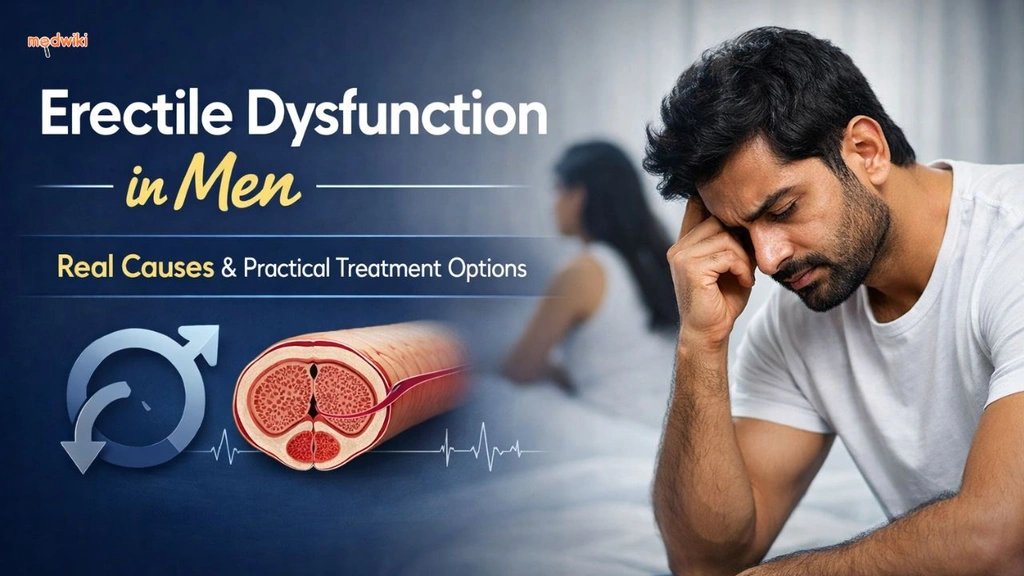
For many men, sexual health is closely tied to confidence, identity, and emotional well being. Yet when difficulties arise, silence often takes over. One of the most common but least openly discussed concerns iserectile dysfunction. Despite how widespread it is, misinformation and embarrassment prevent many from seeking help.In simple terms,erectile dysfunctionrefers to the inability to achieve or maintain an erection firm enough for satisfactory sexual activity. It is not a rare condition. It affects men across different age groups, though it becomes more common with advancing age. More importantly, it is treatable in most cases.This guide explains whaterectile dysfunction truly is, its symptoms, causes, treatment options, self care practices, and realistic expectations about recovery.What Exactly Is Erectile Dysfunction?To understanderectile dysfunction's meaning, it helps to know how erections work. During sexual arousal, the brain sends signals that increase blood flow to the penis. Blood fills specific chambers, creating firmness. When this process is interrupted due to physical or psychological reasons, maintaining an erection becomes difficult.Occasional difficulty is normal. Stress, fatigue, or anxiety can temporarily interfere. However, if the problem continues for weeks or months, it may indicateerectile dysfunction.Erectile Dysfunction SymptomsRecognizingerectile dysfunction symptoms early can prevent emotional distress and relationship strain.Common signs include:• Reduced sexual desire• Difficulty achieving an erection• Anxiety related to sexual performance• Avoidance of intimacy due to fear of failure• Trouble maintaining an erection during intercourseThese symptoms may appear gradually or suddenly, depending on the underlying cause.Why Does Erectile Dysfunction HappenThe causes can be physical, psychological, or a combination of both.Physical causes:•Obesity•Diabetes• Heart disease• Nerve damage• High blood pressure• Hormonal imbalancePsychological causes:• Stress• Depression• Relationship conflicts• Performance anxietyIn many cases, both physical and emotional factors overlap. That is why proper evaluation is important.How Is Erectile Dysfunction DiagnosedAn accurateerectile dysfunction test usually begins with a detailed medical history and physical examination.Doctors may recommend:• Blood pressure monitoring• Ultrasound to assess blood flow• Blood tests to check sugar and hormone levels• Psychological assessment if stress or anxiety is suspectedConsultingerectile dysfunction specialists such as urologists or andrologists ensures targeted evaluation and treatment planning.Erectile Dysfunction Treatment OptionsThere is no one size fits all approach.Erectile dysfunction treatment depends on the root cause.Medical treatments include:• Injectable medications• Vacuum erection devices• Surgical implants in severe cases• Hormone therapy if testosterone is low• Oral medications that improve blood flowThese options fall under broadererectile dysfunction treatments that doctors personalize for each patient.Erectile Dysfunction Medication: What You Should KnowThe most commonly prescribederectile dysfunction medication works by increasing blood flow to the penis during arousal. These medicines are effective for many men, but they are not magic pills.When searching for thebest medicine for erectile dysfunction, it is important to consult a doctor rather than relying on advertisements. Thebest medicine for erectile dysfunction without side effects varies from person to person. Health conditions, age, and other medications all influence safety.Is Erectile Dysfunction CurableA common question is,is erectile dysfunction curable. The answer depends on the cause.If it is caused by temporary stress or lifestyle factors, improvement is very likely with proper care. When related to chronic illnesses like diabetes or heart disease, it may not have a completepermanent cure for erectile dysfunction, but it can be effectively managed.With timely treatment and lifestyle changes, most men regain satisfying sexual function.Erectile Dysfunction Self Care: Daily Habits MatterMedical treatment works best when combined witherectile dysfunction self-care strategies.Lifestyle changes that help include:• Quitting smoking• Weight management• Regular physical exercise• Limiting alcohol consumption• Balanced diet rich in fruits and vegetables• Managing stress through meditation or counselingSimple habits often improve blood circulation and hormone balance, directly benefiting erectile health.Ayurvedic Medicine for Erectile DysfunctionSome individuals exploreayurvedic medicine for erectile dysfunction as a natural approach. Traditional herbs and formulations claim to enhance vitality and stamina.However, it is essential to:• Consult a qualified practitioner• Avoid unverified online products• Ensure no interaction with existing medicationsNatural does not always mean risk free. Professional guidance is important.Can It Be Permanently FixedThe idea of apermanent cure for erectile dysfunction attracts attention, but reality is more nuanced. If the underlying cause is reversible, such as obesity or stress, significant improvement is possible.For chronic medical conditions, consistent management rather than permanent elimination may be the goal. Open communication with healthcare providers creates realistic expectations.Emotional Impact and Relationship SupportBeyond the physical aspect,erectile dysfunction can affect mental health and relationships. Feelings of embarrassment, frustration, or inadequacy are common.Open discussion with a partner reduces tension. Seeking counseling can help address performance anxiety and rebuild confidence. Sexual health is a shared experience, not an individual burden.When to See Erectile Dysfunction SpecialistsProfessional help should be considered if:• It causes emotional distress• Medications are not working• There are symptoms of underlying disease• The problem persists for more than a few weeksErectile dysfunction specialists have expertise in identifying root causes and recommending effective solutions.ConclusionErectile dysfunction is far more common than most people realize. It is not a sign of weakness or failure. Understandingerectile dysfunction meaning, recognizingerectile dysfunction symptoms, and exploring appropriateerectile dysfunction treatment options can transform both physical and emotional well being.There may not always be a guaranteedpermanent cure for erectile dysfunction, but improvement is highly achievable. Combining medical care, lifestyle changes, and emotional support creates the best outcome.Seeking help is not a sign of defeat. It is a step toward confidence, connection, and better health. FollowMedwikifor more!Frequently Asked Questions1. What are the main erectile dysfunction symptoms?Difficulty achieving or maintaining an erection and reduced sexual desire are common signs.2. Is erectile dysfunction curable?In many cases it is manageable and sometimes reversible, depending on the cause.3. What is the best medicine for erectile dysfunction?The best medicine for erectile dysfunction varies by individual and should be chosen by a doctor.4. Are there natural options available?Some try ayurvedic medicine for erectile dysfunction, but medical supervision is advised.5. What tests diagnose the condition?An erectile dysfunction test may include blood work, physical examination, and imaging studies.6. Can lifestyle changes really help?Yes. Erectile dysfunction self-care practices like exercise and stress control can significantly improve symptoms.7. When should I see a specialist?If the problem persists, causes distress, or is linked to other health issues, consult erectile dysfunction specialists promptly.

1:15
Marriage often brings excitement, expectations, and sometimes silent pressure. Performance anxiety is more common than most people admit. Because of this, many individuals search online for a first night sex tablet without fully understanding what they are considering. One name that frequently appears issildenafil Tablet.But is it actually meant for the first night, or does it serve a more specific medical purpose? In this detailed guide, we will exploresildenafil tablet uses, how this oral medication works, who actually needs it, possible risks, and important precautions. The goal is clarity, not exaggeration.What Is Sildenafil Tablet and How Does It Work?Sildenafilis a prescription medication primarily used to treat erectile dysfunction.Erectile dysfunction is a condition where a man finds it difficult to achieve or maintain an erection sufficient for sexual activity.It is anoral tablet, taken with water. Once inside the body, it works by improving blood flow to the penile region. During sexual stimulation, sildenafil helps relax blood vessels, allowing increased circulation. This improved blood flow supports a firmer and more sustained erection.It is important to understand one key point. This medicine does not automatically create sexual desire. Without sexual stimulation, it does not produce an erection. It supports a natural response rather than forcing one.Sildenafil Tablet Uses : When Is It PrescribedMany people associate it only with first night performance. However,sildenafil tablet uses go beyond that assumption.Doctors prescribe it mainly for:• Erectile dysfunction•Hypertension in specific cases• Situations where medical evaluation confirms reduced erectile responseWhen discussingsildenafil tablet uses, healthcare providers emphasize that it is not meant for casual use or experimentation. It is designed for medically diagnosed conditions.Is It Truly a First Night Sex Tablet?The phrase first night sex tablet is popular online, but medically speaking, sildenafil is not categorized that way.First night anxiety is often psychological. Stress, nervousness, emotional pressure, or unrealistic expectations can temporarily affect performance. Not every situation requires medication.If someone has an underlying erectile issue, a doctor may prescribeSildenafil Tabletsafter proper evaluation. Taking it without medical advice simply to boost confidence is not a responsible approach.Oral Tablet Uses: How to Take It ProperlyAs anoral tablet, sildenafil must be taken correctly for safety and effectiveness.General guidelines include:• It may work faster on an empty stomach• Heavy or fatty meals can delay its effect• Do not take more than one dose in 24 hours• Take it about 30 to 60 minutes before sexual activityUnderstandingoral tablet uses ensures proper timing and reduces unnecessary side effects.Sildenafil Side Effects: What You Should KnowLike any medication, it may cause side effects. Most are mild and temporary, but awareness is important.Commonsildenafil side effects include:• Headache• Indigestion• Mild dizziness• Nasal congestionLess common but serious effects may include:• Chest pain• Sudden vision changes• Erection lasting more than four hoursIf severe symptoms occur, immediate medical attention is necessary. Ignoringsildenafil side effects can lead to complications.Who Should Avoid This MedicationSildenafil is not safe for everyone. Certain health conditions require caution.Avoid or consult a doctor if you have:• Heart disease• Low blood pressure• Use of nitrate medications• Recent stroke or heart attack• Severe liver or kidney problemsTakingSildenafil Tablet alongside nitrate medicines can cause a dangerous drop in blood pressure. Medical consultation is essential.Psychological Factors Matter TooNot all sexual performance issues are physical. Emotional stress, relationship tension, lack of communication, and anxiety can all contribute.In such cases, counseling, open discussion, and stress management may be more beneficial than medication. Relying only on a first night sex tablet without addressing mental health may not solve the real issue.Can It Become Habit FormingSildenafil does not cause physical addiction. However, psychological dependence is possible. If someone starts believing they cannot perform without it, confidence may become linked to the tablet.This is why responsible use and understandingsildenafil tablet uses in hindi is so important. It is a medical support tool, not a shortcut to masculinity.Important Precautions Before Taking ItBefore startingsildenafil Tablet, consider the following:• Limit alcohol consumption• Never exceed prescribed dosage• Do not mix with recreational drugs• Inform about all current medications• Share complete medical history with your doctorProper guidance minimizes risks and ensures safe outcomes.ConclusionSildenafil is an effective treatment for erectile dysfunction when used under medical supervision. However, labeling it simply as a first night sex tablet is misleading. Its primary role is to support improved blood flow during sexual stimulation, not to create artificial desire or guarantee performance.Understandingsildenafil tablet uses, recognizing potentialsildenafil side effects, and following correctoral tablet uses guidelines are essential steps toward safe use. Rather than relying on assumptions or online trends, informed decisions and professional consultation provide the safest path forward.Sexual health is not just about performance. It involves physical wellness, emotional balance, communication, and confidence. Medication can help when needed, but awareness remains the most powerful tool. FollowMedwikifor more!Frequently Asked Questions1. Does sildenafil work immediately?It usually begins working within 30 to 60 minutes.2. Can it be taken daily?Only if prescribed for daily use by a doctor.3. Is it truly a first night sex tablet?No. It is primarily prescribed for erectile dysfunction.4. Does it work without stimulation?No. Sexual arousal is necessary for it to be effective.5. Can women use it?It is mainly prescribed for men with erectile dysfunction.6. Can alcohol affect its action?Yes. Excessive alcohol may reduce effectiveness and increase side effects.7. Are sildenafil side effects permanent?Most side effects are temporary, but serious symptoms require immediate medical care
1:15
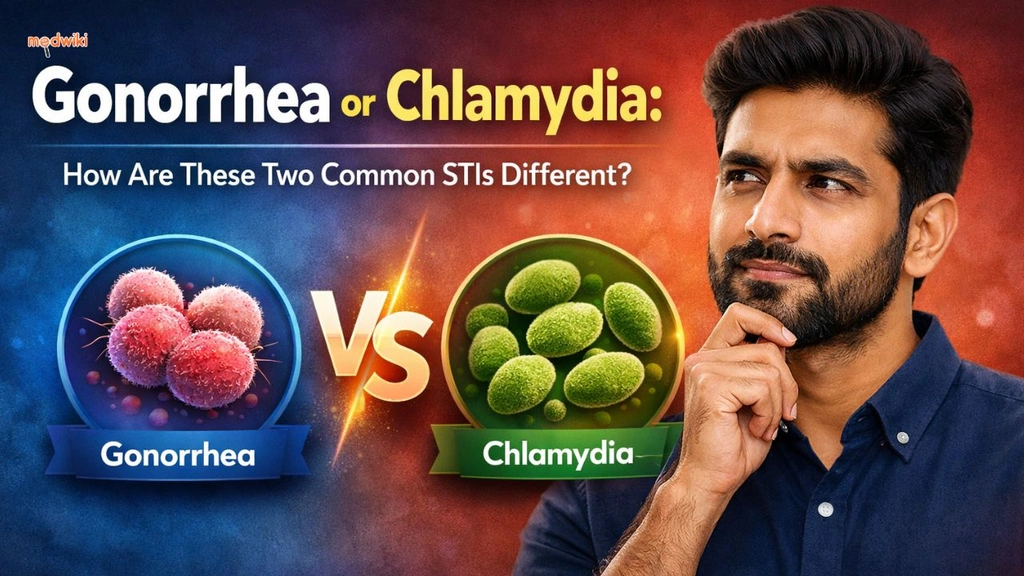
When it comes to sexually transmitted infections, confusion is common. Many people hear the names, feel anxious, and immediately search for clarity. The most common question that arises is aboutchlamydia vs gonorrhea. Are they the same infection with different names, or are they completely different conditionsAlthough both infections are spread through sexual contact and may show similar warning signs, they are not identical. They are caused by different bacteria, may affect the body differently, and require specific treatment approaches. Understanding the difference can help prevent complications, reduce stigma, and encourage timely testing and care.What Is Chlamydia?Before comparinggonorrhea vs chlamydia, it is important to understand each infection separately.Thechlamydia meaning refers to a sexually transmitted infection caused by the bacterium Chlamydia trachomatis. It is one of the most commonly reported STIs worldwide. Many people who have it do not even realize they are infected because symptoms may be very mild or completely absent.Symptoms may include:• Lower abdominal pain• Pain during intercourse• Burning sensation while urinating• Unusual vaginal or penile discharge• Bleeding between periods in womenWhen discussingchlamydia symptoms women, it is important to note that many women experience no symptoms at all. This silent nature makes routine screening essential.In some cases, women may worry about skin irritation. While uncommon, searches likechlamydia rash on inner thigh females often reflect confusion. Chlamydia usually does not cause a visible rash. Irritation in that area may be due to discharge or another condition, which is why medical evaluation matters.If left untreated, chlamydia can lead to pelvic inflammatory disease,infertility, and complications during pregnancy. Fortunately,chlamydia treatment is straightforward with prescribed antibiotics. Early diagnosis makes recovery simple and prevents long term damage.What Is Gonorrhea?Gonorrhea is another common sexually transmitted infection. It is caused by a different bacterium known as Neisseria gonorrhoeae. When people ask whatgonorrhea is caused by, the answer is this specific bacterial organism.Typicalgonorrhea symptoms may include:• Rectal discomfort• Burning during urination• Painful or swollen testicles• Vaginal bleeding between periods• Thick white, yellow, or green dischargeOne symptom that often brings people to the clinic quickly is noticeablegonorrhea discharge. It tends to be heavier and more obvious compared to chlamydia.Without treatment, gonorrhea can spread to the bloodstream or joints, causing serious complications. In women, it may also lead to pelvic inflammatory disease and fertility issues.Treatment usually involves antibiotics. Because resistance has become a global concern, doctors carefully selectgonorrhea medication based on current medical guidelines. Timelygonorrhea treatment is essential to prevent complications and transmission.Chlamydia vs Gonorrhea: The Core DifferencesNow that we understand both infections separately, let us look closely atchlamydia vs gonorrhea in a practical comparison.Cause:• Chlamydia is caused by Chlamydia trachomatis• Gonorrhea is caused by Neisseria gonorrhoeaeSymptoms:• Chlamydia often has mild or no symptoms• Gonorrhea symptoms are more likely to be noticeable, especially dischargeDischarge:• Chlamydia discharge is usually lighter• Gonorrhea discharge is thicker and more prominentComplications:• Both can cause infertility if untreated• Gonorrhea has a higher risk of spreading to blood or jointsTesting:• Achlamydia test typically involves urine testing or a swab• Gonorrhea testing uses similar methodsTreatment:•Chlamydia treatment usually involves oral antibiotics•Gonorrhea treatment may require an injection plus oral medicationDespite these differences, doctors often test for both infections together because co-infection is common. When people search forgonorrhea or chlamydia, they are often experiencing symptoms that overlap.Chlamydia and Gonorrhea Symptoms: Why They OverlapMany people struggle with identifyingchlamydia and gonorrhea symptoms because they can feel nearly identical at first.Both infections may cause:• Pelvic pain• Pain during urination• Abnormal discharge• Bleeding between menstrual cyclesThe key difference is intensity. Gonorrhea symptoms may appear sooner and feel more severe. Chlamydia symptoms may remain mild for weeks or months.This overlap is the reason doctors rarely rely only on symptoms. Laboratory testing provides accurate identification.Who Is at RiskAnyone who is sexually active can develop either infection. Risk increases with:• Previous history of STIs• Multiple sexual partners• Inconsistent condom use• Being under 25 years of age• Having a partner who has tested positiveRoutine screening plays a major role in prevention. Many health authorities recommend yearly screening for sexually active young adults, even without symptoms.How Testing WorksTesting is simple and confidential. Achlamydia test usually involves:• Urine sample• Vaginal swab• Cervical swab• Urethral swabGonorrhea testing follows a similar process. In some cases, throat or rectal swabs are also taken if exposure occurred in those areas.Results are typically available within a few days. Early diagnosis allows immediate treatment and prevents spread to partners.Treatment and RecoveryBoth infections are treatable. However, medication must be taken exactly as prescribed.For chlamydia:• Oral antibiotics are commonly prescribed• Sexual activity should be avoided until treatment is completedFor gonorrhea:• Follow up testing may be required• Injectable antibiotics are often recommendedCompleting treatment is crucial. Stopping medication early can increase complications or antibiotic resistance.Partners should also be tested and treated to prevent reinfection.Emotional Impact and StigmaBeyond the physical effects, the emotional impact of an STI diagnosis can be heavy. People may feel embarrassment, fear, or guilt. It is important to understand that these infections are medical conditions, not moral judgments.Open communication with partners, proper medical guidance, and regular testing can remove much of the anxiety surroundinggonorrhea vs chlamydia.Prevention StrategiesPreventing both infections involves practical steps:• Regular STI screening• Consistent condom use• Limiting number of sexual partners• Honest communication with partners• Seeking medical care for unusual symptomsEducation remains one of the strongest tools in reducing infection rates.ConclusionWhen comparingchlamydia vs gonorrhea, the similarities can create confusion, but the differences matter. Both are bacterial sexually transmitted infections, both can be silent, and both are treatable. The main distinctions lie in the bacteria that cause them, the intensity of symptoms, and the treatment approach.Understandinggonorrhea or chlamydia does not need to be overwhelming. What matters most is awareness, testing, and timely care. With proper diagnosis and responsible behavior, complications can be prevented and overall sexual health can be protected. FollowMedwikifor more!Frequently Asked Questions1. Is gonorrhea worse than chlamydia?Both can cause serious complications if untreated. Gonorrhea may show stronger symptoms, but both need prompt treatment.2. Can you have both infections at the same time?Yes, co-infection is common. Doctors usually test for both together.3. How long does it take for symptoms to appear?Gonorrhea symptoms may appear within days. Chlamydia symptoms can take weeks or may not appear at all.4. Is a chlamydia rash on an inner thigh female common?No, rash is not a typical symptom. Testing is needed for proper diagnosis.5. What is the most common sign of gonorrhea?Thick abnormal discharge and burning during urination are common signs.6. How effective is treatment?Both infections are highly treatable with proper antibiotics taken as prescribed.7. Should partners be tested too?Yes, partner testing and treatment help prevent reinfection and further spread.

1:15
Men’s health is closely linked with physical strength, mental confidence, hormonal balance, and sexual well being. Due to modern lifestyle habits like stress, irregular sleep, poor diet, lack of physical activity, and constant mental pressure, many men experience reduced stamina, low energy levels, performance anxiety, and weakness. These issues may not appear serious at first, but over time they can affect confidence, relationships, and overall quality of life.In such situations, many people look for natural and long term solutions rather than instant chemical based medicines. This is whereTentex Forte tablets are often recommended by Ayurvedic practitioners. Known for their herbal formulation, these tablets are designed to support male vitality from within instead of forcing short term results.In this detailed blog, we will exploreTentex forte benefits, understand how this formulation works, why it is trusted asTentex forte for men, and how it fits into the category of an effectiveAyurvedic tablet for stamina.Understanding Tentex Forte in Simple WordsTentex Forte is an Ayurvedic herbal formulation developed to support male reproductive health and physical stamina. It contains a combination of traditional herbs that have been used in Ayurveda for centuries to improve strength, endurance, and vitality. Unlike quick acting chemical medicines, this tablet works gradually by nourishing the body tissues, improving blood circulation, and supporting hormonal balance.Ayurveda focuses on correcting the root cause of weakness rather than suppressing symptoms. Tentex Forte follows the same principle by strengthening the body internally so that performance improves naturally over time.Why Men Face Stamina and Vitality Issues TodayBefore understanding how Tentex Forte helps, it is important to know why these problems are so common today. Many men feel tired even after proper rest, experience low motivation, or struggle with physical performance.Some common contributing factors include:Poor sleep qualitySedentary lifestyleExcessive alcohol or smokingChronic stress and mental pressurePerformance anxiety and low confidenceWhen these factors continue for a long time, the body’s natural energy systems weaken. This is where anAyurvedic tablet for stamina like Tentex Forte can play a supportive role.Key Tentex Forte Benefits for Overall Male HealthTentex Forte is not meant to act like an instant stimulant. Its real strength lies in gradual and sustainable improvement. TheTentex forte benefits are seen when it is taken consistently along with healthy lifestyle habits.Some of the important benefits include:Supports better blood circulationSupports healthy sexual performancePromotes overall vitality and confidenceHelps manage performance related stressAids in reducing general weakness and fatigueHelps improve physical stamina and enduranceBecause of these combined effects, Tentex Forte is often suggested asTentex forte for men who are looking for long term improvement rather than temporary boosts.How Tentex Forte Works Inside the BodyThe herbal ingredients in Tentex Forte work at multiple levels. They help improve circulation, which is essential for physical energy andsexual health. Better blood flow means improved oxygen and nutrient supply to muscles and reproductive organs.Additionally, certain herbs in the formulation are known to support nerve strength and reduce mental stress. This helps men who experience anxiety related to performance. Over time, the body becomes more responsive, energetic, and balanced.Rather than forcing a response, Tentex Forte supports the body’s natural processes, which is why results feel more stable and long lasting.Tentex Forte for Men and Sexual WellnessSexual health is closely linked with mental state, hormonal balance, and physical endurance. Many men experience issues not because of a serious medical condition but due to stress, overthinking, or lifestyle imbalance.Tentex forte for men is commonly advised in such cases because it focuses on holistic wellness.It helps the body handle stress better, supports healthy energy levels, and improves confidence. When mental and physical balance improves, sexual performance often improves naturally without pressure.This is why Ayurvedic doctors often recommend it as a supportive supplement rather than a standalone solution.Role of Tentex Forte as an Ayurvedic Tablet for StaminaIn Ayurveda, stamina is not just about muscle strength. It also includes mental resilience, hormonal harmony, and digestive strength. A trueAyurvedic tablet for stamina works on all these aspects together.Tentex Forte supports stamina by:Nourishing body tissuesImproving energymetabolismSupporting nerve and muscle strengthHelping the body recover from fatigueWith regular use, men often report feeling more energetic throughout the day rather than experiencing sudden bursts of energy followed by exhaustion.Ingredients and Their Traditional ImportanceTentex Forte contains several well known Ayurvedic herbs that have a long history of use in male health formulations. These herbs are known for their adaptogenic and strengthening properties.Traditionally, such herbs were used to support:Stress resistancePhysical enduranceReproductive strengthRecovery after exertionThe combination is carefully balanced so that it works gently without disturbing the body’s natural rhythm.How to Take Tentex Forte CorrectlyFor best results, Tentex Forte should be taken exactly as advised by a qualified healthcare professional. Ayurveda emphasizes correct dosage and consistency.General guidance usually includes:Avoid skipping dosesFollow a fixed daily routineCombine with balanced diet and exerciseTake the tablet with milk or lukewarm waterSelf medication or overdose should be avoided, as herbal medicines also need proper guidance.Lifestyle Support That Enhances Tentex Forte BenefitsHerbal supplements work best when supported by healthy habits. Simple lifestyle changes can significantly improve the effectiveness of Tentex Forte.Helpful habits include:Adequate sleepRegular physical activityStress management techniquesAvoiding excessive alcohol and smokingNutritious diet rich in protein and mineralsWhen combined with these habits,Tentex forte benefits become more noticeable and sustainable.Safety Profile and PrecautionsTentex Forte is generally considered safe when taken as recommended. Since it is an Ayurvedic formulation, it does not usually cause dependency or harsh side effects.However, some precautions are important:Not recommended for childrenFollow prescribed dosage strictlyPeople with chronic medical conditions should consult a doctorAvoid combining with other stamina enhancing medicines without adviceIf any unusual symptoms occur, medical consultation is advised.Why Many Men Prefer Ayurvedic Options Like Tentex ForteModern medicines often focus on immediate results, which may not always suit everyone. Many men prefer Ayurvedic options because they aim for balance rather than stimulation.Tentex Forte stands out because it:Works on both mind and bodySupports natural body processesFocuses on long term improvementAligns with traditional wellness principlesThis makes it a popular choice among men seeking natural vitality support.ConclusionTentex Forte tablets offer a holistic approach to male health by supporting stamina, strength, and confidence naturally. Instead of providing short lived stimulation, this Ayurvedic formulation works gradually to nourish the body and improve overall vitality. The well knownTentex forte benefits make it suitable for men dealing with weakness, fatigue, or performance related concerns. AsTentex forte for men, it supports not only physical performance but also mental balance. When used responsibly under proper guidance, it stands as a reliableAyurvedic tablet for stamina that aligns with long term wellness goals. FollowMedwikifor more!Frequently Asked Questions1. What are the main Tentex forte benefits?It helps improve stamina, strength, sexual wellness, and overall vitality in men.2. Is Tentex Forte suitable for all men?It is generally suitable for adult men, but those with medical conditions should consult a doctor first.3. How long does it take to see results?Results usually appear gradually over a few weeks with regular use.4. Can Tentex Forte be taken daily?Yes, it is usually taken daily as per medical advice.5. Does it cause dependency?No, it does not cause dependency when used correctly.6. Is Tentex Forte only for sexual problems?No, it also supports general stamina, energy, and confidence.7. Can it be combined with exercise and diet changes?Yes, combining it with healthy lifestyle habits improves overall results.
1:15
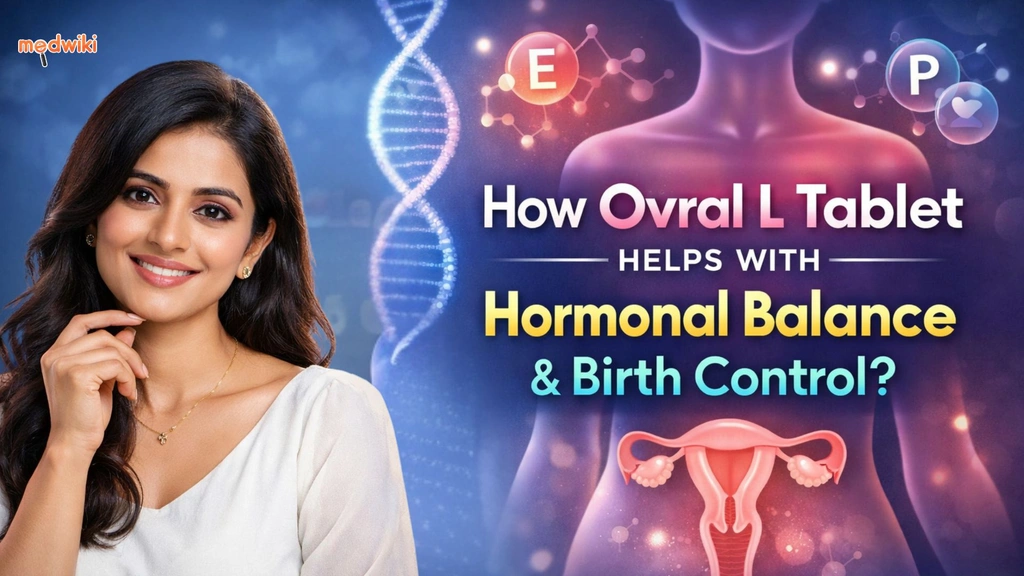
Hormonal health plays a quiet but powerful role in a woman’s everyday life. From monthly periods and mood changes to skin health and fertility, hormones influence far more than we often realize. When this balance is disturbed, it can show up as irregular periods, heavy bleeding, missed cycles, or the need for effective pregnancy prevention. In such situations, doctors often prescribeOvral L tablets, a well known hormonal medicine used for cycle regulation and contraception.Ovral is not just about preventing pregnancy. It is also prescribed to manage hormonal imbalance, regulate menstrual cycles, and bring predictability back to periods. Understanding how it works, when it is used, and what precautions are needed can help women use it confidently and safely.What is Ovral L Tablet and why is it prescribedOvral L tablet is a combined oral contraceptive that contains two female hormones estrogen andprogesterone. These hormones work together to control ovulation, regulate the menstrual cycle, and maintain hormonal stability in the body.Doctors prescribe Ovral L for multiple reasons, not only for contraception. Many women are advised to take this medicine when periods become irregular, delayed, too frequent, or unusually heavy. Because of its hormonal action,Ovral L hormone regulation is one of its most important roles.How Ovral L Tablet works inside the bodyOvral L works by preventing the release of an egg from the ovaries. At the same time, it thickens cervical mucus, making it difficult for sperm to reach the egg. It also changes the lining of the uterus, reducing the chances of pregnancy.Along with birth control, these hormonal effects help stabilize fluctuating hormone levels. This is why Ovral L is often useful for menstrual problems caused by hormonal imbalance.Main Ovral L Tablet Uses in women’s healthOvral L tablet is prescribed for several gynecological conditions. Its benefits extend beyond contraception and help manage long standing menstrual concerns.Ovral L for birth controlOne of the most common reasons for prescribing Ovral L is contraception. When taken correctly and consistently, it is a reliable method of preventing pregnancy.Ovral L for birth control works best when taken at the same time every day without missing doses.This makes it a preferred choice for women looking for a non permanent and reversible birth control option.Ovral L for irregular periodsIrregular periods are a common concern among young women and adults alike. Hormonal imbalance, stress, sudden weight changes, or conditions likePCOS can disrupt the menstrual cycle.Ovral L helps bring regularity by providing controlled hormone levels. Because of this,Ovral L for irregular periods is widely prescribed to:• Regulate delayed or missed periods• Reduce unpredictable cycle lengths• Make periods more regular and timelyOver a few cycles, many women notice improved predictability and comfort during menstruation.Ovral L hormone regulation in menstrual disordersHormonal imbalance can cause symptoms such as heavy bleeding, painful periods, acne, and mood swings. Ovral L supportsOvral L hormone regulation by maintaining steady estrogen and progesterone levels throughout the cycle.Before listing how it helps, it is important to understand that hormone balance often takes time to restore.Ovral L helps by:• Easing menstrual cramps• Supporting overall cycle balance• Reducing excessive menstrual bleeding• Stabilizing hormone related mood changesOvral L benefits in managing heavy or painful periodsSome women experience periods that are not only irregular but also heavy and painful. Ovral L can help reduce blood flow and intensity of cramps by controlling hormonal fluctuations.TheseOvral L benefits improve daily comfort and reduce disruptions caused by severe menstrual symptoms.Additional Ovral L benefits beyond periods and contraceptionApart from menstrual regulation and birth control, Ovral L may offer other supportive benefits under medical guidance.Some additional benefits include:• Improved cycle predictability• Relief from premenstrual discomfort• Reduced risk of functional ovarian cysts• Better control over hormone related acne in some womenIt is important to note that these benefits may vary from person to person and depend on individual health conditions.How to take Ovral L Tablet correctlyCorrect usage is essential to get maximum benefit and avoid unwanted side effects. Ovral L is usually taken once daily for 21 days, followed by a 7 day break or as directed by the doctor.Some general guidance for safe use includes:• Do not skip doses• Swallow with water, with or without food• Take the tablet at the same time every day• Follow the exact schedule advised by your doctorMissing tablets or irregular intake can reduce effectiveness, especially when usingOvral L for birth control.Ovral L side effects you should be aware ofLike any hormonal medicine, Ovral L may cause side effects in some women. Most side effects are mild and settle as the body adjusts to the hormones.Commonly reportedOvral L side effects include:• Headache• Breast tenderness• Slight weight changes• Mood changes in the initial months• Nausea or mild stomach discomfortThese effects usually improve within a few cycles. However, if symptoms persist or worsen, medical advice should be sought.Ovral L precautions for safe useBefore starting Ovral L, it is important to discuss your medical history with a doctor. Certain conditions may require caution or alternative treatment.KeyOvral L precautions include:• Consult before use during breastfeeding• Mention migraines, liver problems, ordiabetes• Inform your doctor if you smoke, especially over the age of 35• Share history of blood clots, heart disease, or high blood pressureOvral L should never be started without proper medical advice, even if it has been used before.Who should avoid Ovral L TabletOvral L may not be suitable for everyone. Women with certain health conditions may need alternative options.Ovral L is usually avoided in:• Severe liver disease• Uncontrolled hypertension• Hormone sensitive cancers• History of blood clotting disordersYour doctor will evaluate risks and benefits before prescribing.Ovral L Tablet and long term useMany women worry about long term hormonal medication. When used under supervision, Ovral L is considered safe for long term use in appropriate individuals. Regular follow ups help ensure safety and effectiveness.Periodic checkups allow doctors to assess blood pressure, weight, and overall hormonal response.ConclusionThe Ovral L tablet plays an important role in modern women’s healthcare. From reliable contraception to regulating irregular and painful periods, its uses are wide and well established. With provenOvral L benefits in menstrual control and hormonal balance, it offers relief and predictability to many women struggling with cycle related issues. When taken correctly and with properOvral L precautions, it remains a trusted option for bothOvral L for birth control andOvral L hormone regulation. As with any hormonal medicine, medical guidance is key to safe and effective use. FollowMedwikifor more!Frequently Asked Questions1. Is Ovral L safe for long term use?Yes, Ovral L can be used for the long term under a doctor’s supervision, along with regular health checkups to monitor overall well being.2. Can Ovral L help with irregular periods?Yes, Ovral L for irregular periods is commonly prescribed to regulate menstrual cycles and improve cycle consistency.3. How effective is Ovral L for birth control?When taken correctly and without missing doses, Ovral L for birth control is considered highly effective.4. Does Ovral L cause weight gain?Some women may notice slight weight changes, but significant or sudden weight gain is uncommon.5. What are the common Ovral L side effects?Nausea, headache, and breast tenderness are among the common Ovral L side effects and usually settle with time.6. Can Ovral L be taken without doctor advice?No, Ovral L should always be taken under medical guidance due to its hormonal effects on the body.7. Are there any special Ovral L precautions?Yes, women who smoke or have clotting disorders or chronic illnesses should discuss Ovral L precautions with their doctor before use.

1:15
Intimacy plays an important role in emotional connection and personal confidence. When sexual performance issues begin to affect this aspect of life, many individuals look for solutions that feel safe, natural, and effective. In such situations, herbal based products often gain attention due to their gentle approach. One such well known formulation is Himcolin Gel, a topical preparation trusted by many for supporting malesexual wellness. This blog exploresHimcolin Gel in depth, explaining how it works, how it is applied, and what users should realistically expect from it.This article is written in a clear and balanced tone, reflecting real world usage and medical understanding, without exaggerated promises or artificial language.Understanding Himcolin Gel in a simple wayHimcolin Gel is a herbal topical gel developed to support male sexual health. Unlike oral medicines, it is applied externally and works locally. It contains plant based ingredients traditionally known to support circulation, sensitivity, and firmness.Many users prefer a topical option because it avoids internal drug exposure and can be used as part of a routine focused on comfort and confidence. This is whyHimcolin Gel benefits are often discussed in the context of natural support rather than instant or aggressive treatment.Why Himcolin Gel is considered a herbal gel for intimacyIntimacy concerns are not always caused by a single medical condition.Stress, fatigue, lifestyle habits, and reduced blood flow can all play a role. Himcolin Gel is positioned as aherbal gel for intimacy because it works by supporting local circulation and sensitivity.Its formulation includes herbal extracts that have been used in traditional systems for generations. These ingredients are selected to promote warmth, relaxation, and improved responsiveness in the applied area. This approach makes it suitable for individuals who prefer gradual and supportive solutions.Key Himcolin Gel benefits explainedThe most discussedHimcolin Gel benefits relate to improved confidence, comfort, and performance.Some of the commonly reported benefits include• Improved local blood circulation• Enhanced sensitivity and responsiveness• Support for better firmness during intimacy• Support in managing mild erectile concerns• Increased confidence during intimate momentsIt is important to understand that results may vary from person to person. Consistent and correct use plays a significant role in achieving noticeable benefits.Himcolin Gel for erectile issues and performance supportOne of the primary reasons people explore this product isHimcolin Gel for erectile issues. Erectile difficulties can be influenced by reduced blood flow, anxiety, or age related changes. Himcolin Gel supports better circulation in the applied area, which may help improve firmness and duration.Because it is applied locally, it works directly where support is needed. This localized action is often appreciated by users who want to avoid systemic medications or are not suitable candidates for oral treatments.It is not positioned as an emergency solution but rather as a supportive option when used regularly and correctly.How to use Himcolin Gel correctlyUnderstandinghow to use Himcolin Gel properly is essential for safety and effectiveness. The gel should be used externally only.General usage guidance includes• Wash hands after application• Gently massage until absorbed• Use once or twice daily or as advised• Wash and dry the area before application• Take a small amount of gel on clean fingersRegular use as directed helps users experience the full range ofHimcolin Gel benefits without unnecessary discomfort.What makes Himcolin Gel different from oral medicinesOral medicines for sexual health act throughout the body. While they can be effective, they may not suit everyone. Himcolin Gel works externally and locally, which reduces the risk of systemic side effects.This localized approach makes it appealing to those seeking a herbal and topical option. As part ofHimalaya Himcolin Gel information, it is often highlighted that the formulation aligns with herbal wellness principles rather than chemical intervention.Safety profile and Himcolin Gel side effectsMost users tolerate Himcolin Gel well when used as directed. However, like any topical product, mild reactions are possible in sensitive individuals.PotentialHimcolin Gel side effects may include• Temporary redness• Skin irritation in rare cases• Mild warmth or tingling after applicationIf irritation persists or discomfort increases, usage should be stopped and medical advice should be taken. Performing a small patch test before regular use is a good precaution.Who can consider using Himcolin GelHimcolin Gel may be considered by• Those preferring topical overoral products• Adult men experiencing mild erectile concerns• Individuals seeking herbal support for intimacy• People looking to improve confidence and comfortIt is not recommended for use on broken skin or in individuals with known sensitivity to herbal ingredients.Role of lifestyle along with Himcolin GelTopical products work best when supported by healthy habits. Adequate sleep, stress management, regular physical activity, and balanced nutrition all influence sexual health.When Himcolin Gel is used as part of a healthier lifestyle, users often report more satisfying outcomes. This balanced approach aligns well with the philosophy behindherbal gel for intimacy solutions.Realistic expectations from Himcolin GelIt is important to set realistic expectations. Himcolin Gel is not a cure for underlying medical conditions. Instead, it is a supportive product designed to improve comfort and confidence gradually.Consistency, patience, and correct application are key. Those with persistent or severe issues should consult a healthcare professional for proper evaluation.Why Himcolin Gel remains popularThe popularity of Himcolin Gel comes from its natural positioning, ease of use, and topical application. Many users appreciate having a non-invasive option that fits easily into their routine.As highlighted inHimalaya Himcolin Gel information, the brand focus on herbal research and traditional knowledge adds to user trust and long term acceptance.ConclusionIntimate wellness is closely linked to confidence, emotional connection, and overall quality of life. Himcolin Gel offers a herbal and topical approach for those seeking gentle support without systemic exposure.With consistent use and proper application,Himcolin Gel benefits include improved circulation, enhanced sensitivity, and better confidence during intimacy. When used responsibly and with realistic expectations, it can be a helpful part of a broader wellness routine.Understandinghow to use Himcolin Gel, being aware ofHimcolin Gel side effects, and choosing it for the right reasons ensures safer and more satisfying outcomes. As always, personal health concerns should be discussed with a qualified professional when needed. FollowMedwikifor more!Frequently Asked Questions1. What are the main Himcolin Gel benefits?Himcolin Gel helps support firmness, circulation, sensitivity, and confidence during intimate moments.2. Is Himcolin Gel for erectile issues effective?It may help in mild erectile concerns by improving local blood flow when used regularly.3. How to use Himcolin Gel safely?Apply a small amount externally on clean, dry skin and gently massage until absorbed.4. Are there any Himcolin Gel side effects?Mild warmth or irritation may occur in some users, usually temporary.5. Can Himcolin Gel be used daily?Yes, it can be used daily as per guidance or medical advice.6. Is Himcolin Gel a herbal gel for intimacy?Yes, it is formulated with herbal ingredients traditionally used for male wellness.7. Where can I find reliable Himalaya Himcolin Gel information?Authentic product packaging, official brand resources, and healthcare professionals are the best sources.
1:15
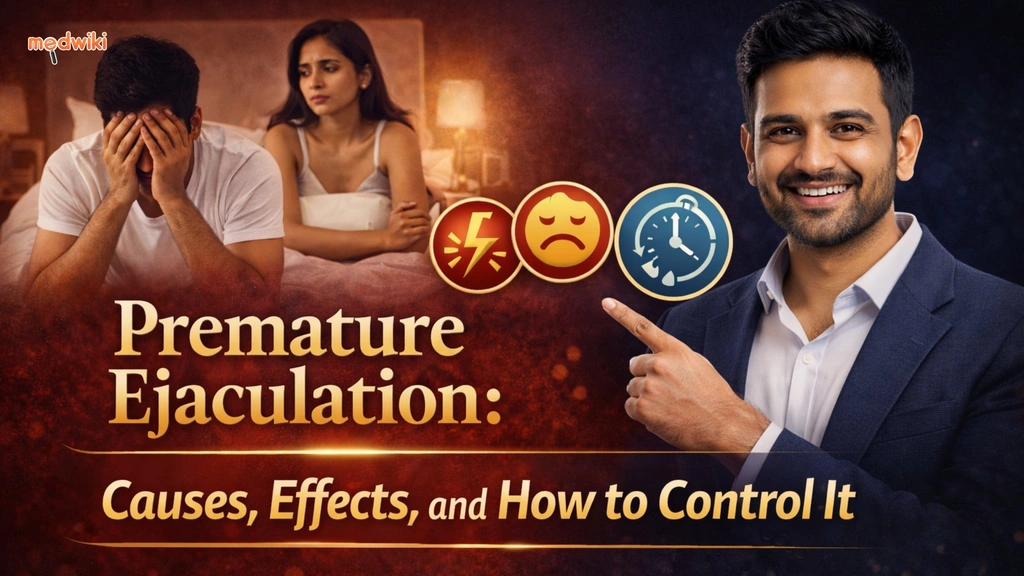
Sexual health is rarely discussed openly, yet it plays a deep role in confidence, relationships, and emotional well being. One concern that affects many men at some point in life ispremature ejaculation. Despite being common, it is often misunderstood, surrounded by shame, or ignored until it begins to affect mental health and intimacy.This blog explainspremature ejaculation meaning, why it happens, how it affects the body and mind, and most importantly, what genuinely helps. The goal is not to scare or promise instant fixes, but to offer clear, practical, and human guidance based on real understanding.Understanding Premature Ejaculation in Simple WordsTo understand the issue, we must first answer a basic question. What is premature ejaculation?Premature ejaculation meaning refers to a condition where a man ejaculates sooner than he or his partner would like during sexual activity. In many cases, it happens within one to two minutes of penetration, sometimes even before penetration. What defines the condition is not a strict time limit, but a lack of control and the distress it causes.It is important to know that this is not a rare disorder. Studies suggest a significant number of men experiencepremature ejaculation at some stage of life. For some, it is temporary. For others, it becomes persistent and affects confidence and relationships.Why Premature Ejaculation HappensThere is no single cause. In most cases, it is a mix of physical, psychological, and lifestyle factors.Common physical factors include•Hormonal imbalance• Over sensitive penile nerves• Inflammation of the prostate• Certain neurological conditionsPsychological factors are equally important• Relationship issues• Performance anxiety• Past sexual experiences• Stress and mental pressureLifestyle habits also play a role• Smoking• Poor sleep patterns• Excessive alcohol use• Lack of physical activityUnderstanding the cause is essential before looking forpremature ejaculation treatment. Treating symptoms without addressing the root reason often leads to disappointment.How Premature Ejaculation Affects Daily LifeThe impact goes far beyond the bedroom. Many men report emotionalstress, frustration, and lowered self esteem.Common effects include• Fear of intimacy• Tension between partners• Avoiding sexual relationships• Feelings of embarrassment or failureIt is important to say this clearly.Premature ejaculation does not define masculinity or sexual ability. It is a medical and psychological condition, not a personal weakness.Is Premature Ejaculation PermanentThis is one of the most common fears. The honest answer is no. In most cases, it is manageable and often reversible.With the right approach, many men learnhow to control premature ejaculation and enjoy a satisfying sex life again. The key lies in patience, consistency, and choosing the right methods rather than quick fixes.Medical and Non Medical Treatment OptionsThere is no single best solution. Effectivepremature ejaculation treatments usually involve a combination of approaches.Medical Treatment OptionsDoctors may suggestpremature ejaculation medicine when the condition is persistent and distressing.These may include• Topical creams that reduce sensitivity• Certain antidepressants used in low doses•Premature ejaculation tablet options prescribed by professionalsIt is important to understand thatmedicine for premature ejaculation should never be taken without medical advice. Self medication can lead to side effects and long term problems.Natural and Behavioral Methods That Actually HelpMany men prefer non drug approaches, especially in the early stages.Exercises and Physical TechniquesRegular pelvic floor training has shown positive results.Exercise for premature ejaculation focuses on strengthening the muscles that control ejaculation.Benefits include• Better control during arousal• Improved sexual confidence• Increased awareness of bodily signalsSimple breathing techniques and stop start methods also help train control over time.Ayurvedic Perspective and Herbal SupportTraditional systems have addressed this issue long before modern medicine named it.Ayurvedic medicine for premature ejaculation focuses on restoring balance in the body and calming the nervous system.Common principles include• Improvingdigestion and sleep• Reducing excess heat and anxiety• Strengthening reproductive tissuesHerbal formulations are often combined with dietary changes and lifestyle correction. This approach works gradually but addresses the root cause rather than masking symptoms.Lifestyle Changes That Make a Real DifferenceOften overlooked, daily habits play a major role in sexual health.Helpful changes include• Adequate sleep• Regular physical activity• Balanced diet rich in nutrients• Stress management practicesLearninghow to stop premature ejaculation often begins outside the bedroom. A calmer nervous system leads to better control.Communication With Your Partner MattersSilence creates distance. Honest communication builds understanding.Talking openly with your partner can• Improve treatment outcomes• Improve emotional connection• Reduce performance pressure• Create a supportive environmentSexual intimacy is not a performance test. It is a shared experience. This shift in mindset alone helps many men managepremature ejaculation better.When to Seek Professional HelpIf the condition persists for several months, causes emotional distress, or affects your relationship, professional guidance is important.A healthcare provider can• Monitor progress safely• Identify underlying causes• Suggest appropriatepremature ejaculation treatmentSeeking help is not a failure. It is a responsible step toward better health.ConclusionPremature ejaculation is common, manageable, and nothing to be ashamed of. It is not about speed but about control, confidence, and connection. Whether through lifestyle changes, therapy, medical support, or traditional healing systems, improvement is possible.The most important step is understanding the condition honestly and choosing solutions that respect both body and mind. With patience and the right guidance, a healthy and satisfying sexual life is achievable. FollowMedwikifor more!Frequently Asked Questions1. What is the main cause of premature ejaculation?There is no single cause. It often results from a mix of anxiety, sensitivity, hormonal factors, and lifestyle habits.2. Can premature ejaculation be cured permanently?In many cases, yes. With the right combination of treatment and lifestyle changes, long term control is possible.3. Are tablets safe for premature ejaculation?Only when prescribed by a qualified doctor. Self-medication is not recommended.4. Does exercise really help premature ejaculation?Yes. Pelvic floor exercises and breathing techniques can significantly improve control over time.5. How to cure premature ejaculation naturally?Natural approaches include exercise, stress reduction, healthy diet, and traditional remedies used under guidance.6. Is ayurvedic medicine effective for premature ejaculation?Ayurvedic medicine can be effective when used correctly and consistently, especially for stress-related causes.7. When should I see a doctor?If the condition causes distress, affects your relationship, or does not improve with basic measures, professional help is advised.

Know Us
@2026 Medwiki Pvt Ltd. All Rights Reserved