

1:15
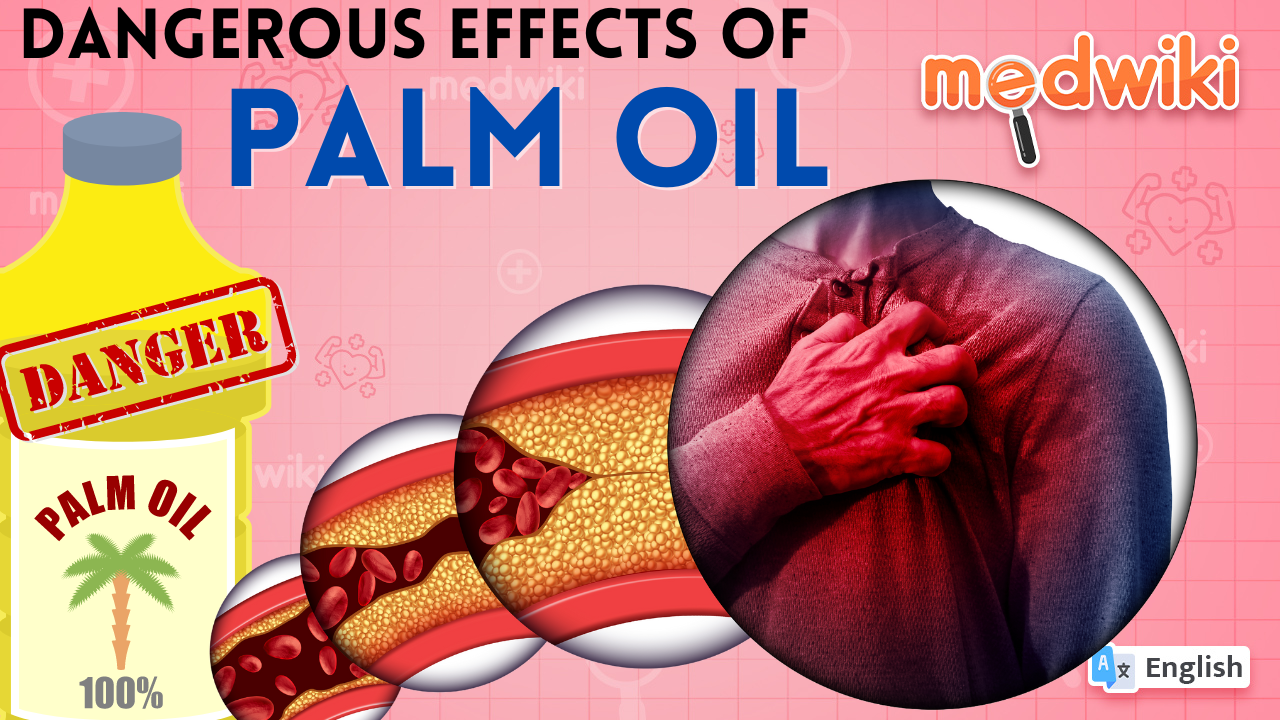
Why is palm oil considered unhealthy, especially concerning cholesterol levels and potential risks to heart health?These follow are :-A comparison study between palm oil, olive oil, and coconut oil revealed that palm oil, when consumed, can elevate levels of "bad" cholesterol. This effect was particularly pronounced in healthy individuals.Variations in tocotrienol levels and saturated fats between fresh and aged palm oil can contribute to cholesterol buildup in arteries.Palm oil, containing approximately 34% saturated fat, notably palmitic acid from palm kernel oil, poses an increased risk of heart disease and other health issues upon consumption.Studies indicate that the presence of palmitic acid in palm oil can reduce mice's responsiveness to hormones like leptin and insulin, potentially increasing appetite and leading to overeating.Source:-https://indianexpress.com/article/lifestyle/health/palm-oil-what-is-it-should-you-consume-7276057/

1:15
How might the development and widespread use of wearable electronic tattoos for heart health monitoring impact healthcare practices?These are :-Wearable Electronic Tattoo:A lightweight, ultrathin, and wireless device designed for comfortable, continuous use on the skin.Heart Health Monitoring:Measures two key heart parameters: Electrical signals from the heart (ECG) and acoustic signals from the heart valves (SCG).Synchronized measurements offer a comprehensive view of the heart and help assess cardiac time intervals, crucial for identifying heart disease and other cardiac issues.Battery Life:Utilizes a small battery with a duration of up to 40 hours, ensuring prolonged monitoring without frequent recharging.Testing and Accuracy:Tested on five healthy patients, demonstrating accurate results compared to existing monitoring options.Early Detection and Prevention:Early diagnosis and treatment facilitated by this technology have the potential to prevent up to 80% of heart diseases.Advancement in Wearable Health Technology:Represents a significant and promising advancement in the field of wearable health technology.Offers a non-intrusive and convenient method for individuals to monitor their heart health outside of clinical settings.Source:-https://www.futurity.org/electronic-tattoo-heart-disease-2911742/
1:15
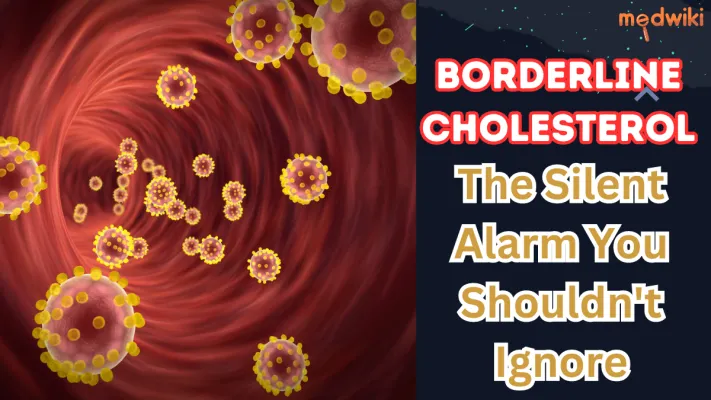
What lifestyle changes or habits do you think are effective in maintaining healthy cholesterol levels, especially for individuals with borderline cholesterol?Concept of Cholesterol:Cholesterol exists as tiny particles circulating in the blood.Borderline Cholesterol Defined:"Borderline cholesterol" refers to slightly elevated cholesterol levels.It indicates a middle ground between low and high cholesterol levels.Comparison to Body Temperature:Similar to having a slightly elevated body temperature.Enough to be uncomfortable and signify a need for attention.Effects on Blood Vessels:Excess cholesterol particles can adhere to blood vessel walls.This adherence may lead to the formation of plaque, narrowing blood vessels.Health Implications:Plaque formation can impact blood flow, potentially causing heart problems.Ignoring borderline cholesterol increases the risk of heart attacks or strokes.Importance of Monitoring:Regular cholesterol checks are essential.Initial stages may not show symptoms, emphasizing the need for proactive monitoring.Diagnostic Blood Test:Blood tests reveal cholesterol levels.Borderline cholesterol falls within the range of 200 to 239 mg/dl.Maintaining Healthy Levels:Lifestyle changes include healthier eating habits and increased exercise.Medication may be necessary for maintaining optimal cholesterol levels.Proactive Approach:Despite seeming less critical, borderline cholesterol signals a need for attention.It prompts individuals to take preventive measures before conditions worsen.Listening to Your Body:Acknowledge the body's signals and prioritize necessary steps for maintaining overall health.Source:-https://www.sugarfit.com/blog/borderline-cholesterol/ Disclaimer :-Prioritize professional medical advice. Don't delay based on Medwiki info. Visit: medwiki.co.in Disclaimer:-This information is not a substitute for medical advice. Consult your healthcare provider before making any changes to your treatment. Do not ignore or delay professional medical advice based on anything you have seen or read on Medwiki.Find us at:https://www.instagram.com/medwiki_/?h...https://twitter.com/medwiki_inchttps://www.facebook.com/medwiki.co.in/

1:15
Do you know what cholesterol is?It's a fatty substance that's produced by your liver. It's pretty important because it helps with the formation of cell membranes, certain hormones, and vitamin D. But here's the thing: cholesterol can't travel through your bloodstream on its own. That's where lipoproteins come in. These particles are made from fat and protein and carry cholesterol and triglycerides through your bloodstream.Suggested Read: Calculate Maximum Heart RateThere are two types of lipoproteins: LDL (Low-Density Lipoprotein) and HDL (High-Density Lipoprotein). LDL cholesterol is sometimes called "bad cholesterol" because it carries cholesterol to your arteries. If you have too much LDL cholesterol, it can build up on the walls of your arteries in the form of cholesterol plaque. This plaque can narrow your arteries, which can limit your blood flow and increase your risk of blood clots, heart attacks, and strokes.Suggested Read:https://medwiki.co.in/post/imagine-cholesterol-as-tiny-particles-that-move-around-your-body-through-the-blood-enBut don't worry, there's also "good cholesterol" called HDL cholesterol. HDL helps return LDL cholesterol to your liver to be removed from your body. This can prevent cholesterol plaque from building up in your arteries. Having healthy levels of HDL cholesterol can help lower your risk of blood clots, heart disease, and stroke.Now, here's the thing: high cholesterol often has no symptoms early on, so it's important to get regular cholesterol level check-ups. Stay on top of your health game and keep those cholesterol levels in check!Factors Affecting Cholesterol Level:Many factors are responsible for inducing changes in cholesterol levels in the body, some of these factors are changeable and some are such that you cannot change them.4 Factors Affecting "Good" and "Bad" Cholesterol That Can Be Changed:1: Diet: Saturated fats and cholesterol foods that you eat increase the cholesterol level in your blood. The main problem is caused by the consumption of saturated fats but the cholesterol present in the food also matters. It is always better to avoid eating food items in excess including processed foods, red meats, deep-fried items, full-fat dairy products, some baked goods, and chocolates.2: Weight: Suffering from obesity or gaining excess body weight is very dangerous for heart disease. If we do not pay attention, it can also increase the risk of cholesterol.Suggested Read:https://medwiki.co.in/post/cholesterol-is-it-really-that-dangerous-en3: Lack of physical activity: Heart disease is the biggest risk of not being physically active; Therefore, at every age, a person should be physically active and take care of fitness.4: Smoking: Smoking cigarettes reduces HDL cholesterol. HDL helps in reducing the bad cholesterol level in the arteries, hence the chances of cholesterol getting reduced due to a drop in HDL.4 Factors Affecting "Good" and "Bad" Cholesterol That Cannot Be Changed:1: Age: There is a tendency for cholesterol levels to increase with increasing age. Although this happens less often cholesterol may reach high levels even in children and young people.2: Sex:In the age group of 20 to 39 years; Men are at greater risk than women for developing high cholesterol levels. However, after menopause, women become more prone. This happens because menopause reduces female hormones which protect them from high blood cholesterol.3: Family history:Your genes partly determine how much cholesterol your body can make. If there is a record of high cholesterol in the family history, then the chances of cholesterol in the next generation also increase.Suggested Read:https://medwiki.co.in/post/cholesterol-a-silent-threat-harming-your-heart-en4: Ethnicity:Certain specific ethnic or racial groups have an increased risk of increasing cholesterol levels. Asian Americans tend to have higher levels of LDL cholesterol compared to other groups.Conclusion:Cholesterol plays a very important role in the body, it supports hormone production, helps in cell membrane formation, and is also crucial for Vitamin D synthesis. It is very important to maintain the optimal level of cholesterol to manage heart health. There are two types of cholesterol, LDL and HDL. LDL cholesterol contributes to artery blockage and increases the risk of stroke and heart disease while HDL cholesterol effectively eliminates excess cholesterol from the bloodstream.Physical activity, weight, and diet are a few factors that influence cholesterol levels while age, family history, sex, and ethnicity are non-modifiable factors. Lifestyle adjustments and regular body checkups prevent high cholesterol and protect long-term cardiovascular health.Source:- https://www.healthline.com/health/high-cholesterol#what-it-isDisclaimer:- This information is intended to supplement, not substitute, advice from your healthcare provider or doctor. It does not cover all possible uses, precautions, interactions, or side effects, and may not be appropriate for your specific healthcare needs. Always consult with your doctor or another qualified healthcare provider before modifying or discontinuing any prescribed portion of your healthcare plan or treatment, in order to determine the best course of therapy for you. Do not ignore or delay professional medical advice based on anything you have seen or read on Medwiki.Find us at:https://www.instagram.com/medwiki_/?h...https://twitter.com/medwiki_inchttps://www.facebook.com/medwiki.co.in/
1:15
What are the two key components measured when assessing blood pressure, and how are they represented in a blood pressure reading?Blood Pressure :-Blood pressure is the force of blood against artery walls, measured in mmHg as two numbers: systolic (top number) and diastolic (bottom number).High blood pressure (hypertension) occurs when the force of blood against artery walls is consistently too high, leading to potential organ and vessel damage.Blood pressure is measured using a sphygmomanometer, with the cuff inflated to temporarily stop blood flow and readings classified into categories.Normal blood pressure is less than 120/80 mmHg, while elevated blood pressure ranges from 120-129/less than 80 mmHg.Stage 1 hypertension is systolic 130-139 or diastolic 80-89, and Stage 2 hypertension is systolic at least 140 or diastolic at least 90.A hypertensive crisis, requiring immediate attention, is defined as readings above 180/120 mmHg.Disclaimer:- This information is intended to supplement, not substitute, advice from your healthcare provider or doctor. It does not cover all possible uses, precautions, interactions, or side effects, and may not be appropriate for your specific healthcare needs. Always consult with your doctor or another qualified healthcare provider before modifying or discontinuing any prescribed portion of your healthcare plan or treatment, in order to determine the best course of therapy for you. Do not ignore or delay professional medical advice based on anything you have seen or read on Medwiki.Find us at:https://www.instagram.com/medwiki_/?h...https://twitter.com/medwiki_inchttps://www.facebook.com/medwiki.co.in/
1:15
What are some lifestyle changes or habits that individuals can adopt to help maintain healthy blood pressure levels?These are the lifestyle changesyou can do:-Blood Pressure Regulation:The heart and blood vessels collaborate to maintain optimal blood pressure.High blood pressure can lead to damage in blood vessels and organs, including an enlarged heart.Lowering High Blood Pressure:To reduce high blood pressure, the heart can pump less blood per beat or increase the heart rate.These adjustments help decrease the amount of blood pumped through the arteries, thus lowering blood pressure.Compensating for Low Blood Pressure:If blood pressure is too low, individuals may experience dizziness or fainting.The heart compensates by increasing stroke volume, heart rate, and constricting blood vessels to improve blood flow.Hormonal Regulation:The heart releases hormones like adrenaline to enhance heart rate and contractility, ensuring blood pressure remains within the normal range.Overall Regulation:The heart fine-tunes blood pressure by adjusting various parameters, ensuring the body's proper functioning.Disclaimer:- This information is intended to supplement, not substitute, advice from your healthcare provider or doctor. It does not cover all possible uses, precautions, interactions, or side effects, and may not be appropriate for your specific healthcare needs. Always consult with your doctor or another qualified healthcare provider before modifying or discontinuing any prescribed portion of your healthcare plan or treatment, in order to determine the best course of therapy for you. Do not ignore or delay professional medical advice based on anything you have seen or read on Medwiki.Find us at:https://www.instagram.com/medwiki_/?h...https://twitter.com/medwiki_inchttps://www.facebook.com/medwiki.co.in/
1:15
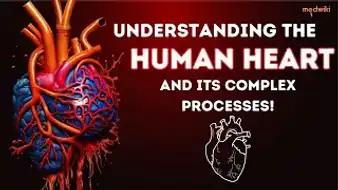
What aspect of the human heart's functioning or anatomy fascinates you the most, considering its crucial role in maintaining the body's overall health?Heart Function Overview:Muscular organ in the chest.Pumps blood throughout the body, delivering oxygen and nutrients.Heart Chambers:Divided into four chambers: right atrium, right ventricle, left atrium, left ventricle.Blood flow: body → right atrium → right ventricle → lungs (oxygenation) → left atrium → left ventricle → body.Electrical Impulses and Pacemaker:Electrical impulses control heart contractions.Sinoatrial (SA) node, known as the "pacemaker," initiates impulses.Impulses travel through atria, atrioventricular (AV) node, and ventricles.Cardiac Cycle Phases:Diastole: Heart is relaxed, blood flows into atria and ventricles.Systole: Heart contracts, pumping blood out of the ventricles.Oxygen and Nutrient Supply:Heart's complex processes ensure the body is supplied with oxygen and nutrients.Overall Significance:The heart's role in maintaining vital functions is achieved through these intricate processes during the cardiac cycle.Disclaimer:- This information is intended to supplement, not substitute, advice from your healthcare provider or doctor. It does not cover all possible uses, precautions, interactions, or side effects, and may not be appropriate for your specific healthcare needs. Always consult with your doctor or another qualified healthcare provider before modifying or discontinuing any prescribed portion of your healthcare plan or treatment, in order to determine the best course of therapy for you. Do not ignore or delay professional medical advice based on anything you have seen or read on Medwiki.Find us at:https://www.instagram.com/medwiki_/?h...https://medwiki.co.in/ https://twitter.com/medwiki_inchttps://www.facebook.com/medwiki.co.in/
1:15
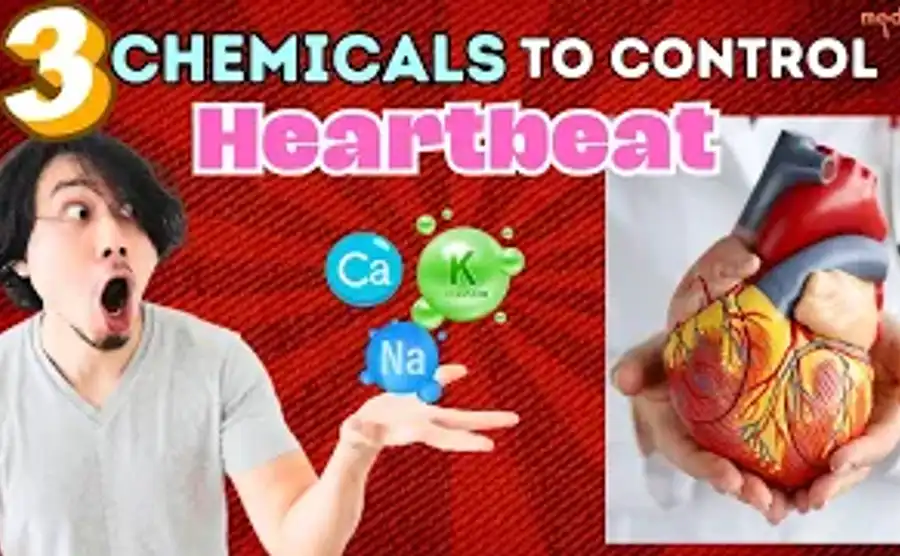
What are some lifestyle habits or dietary choices that individuals can adopt to support heart health and ensure an adequate intake of essential chemicals like Sodium, Calcium, and Potassium?Three crucial chemicals - Sodium, Calcium, and Potassium - are vital for maintaining proper heart function :-Role of Sodium in Electrical Signaling:Sodium entering cells creates a positive electrical charge, triggering the release of more Sodium ions.This influx causes a change in the cells' charge, signaling the heart to contract.Propagation of Electrical Impulse:The generated electrical impulse by Sodium moves through the heart muscle via specialized pathways: the atrioventricular node and the bundle of His.These pathways coordinate the contraction of the heart's chambers.Calcium's Contribution to Contraction:Calcium aids the signal's movement through the heart muscle and facilitates cell contraction.Adequate Calcium levels strengthen the heart's muscle fibers, enhancing its ability to pump blood.Suggested Read: What is my Maximum Heart Rate?Prevention of Heart Damage:Adequate Calcium levels are crucial for preventing heart damage by fortifying the heart's muscle fibers.Potassium's Role in Returning to Resting State:Potassium assists in bringing the cell back to its resting state after the signal passes.This prepares the heart for the next beat, regulating the heartbeat and preventing irregular rhythms.Regulation of Heartbeat by Potassium:Potassium plays a pivotal role in regulating the heartbeat, preventing irregular rhythms that could lead to heart damage over time.Disclaimer:- This information is intended to supplement, not substitute, advice from your healthcare provider or doctor. It does not cover all possible uses, precautions, interactions, or side effects, and may not be appropriate for your specific healthcare needs. Always consult with your doctor or another qualified healthcare provider before modifying or discontinuing any prescribed portion of your healthcare plan or treatment, in order to determine the best course of therapy for you. Do not ignore or delay professional medical advice based on anything you have seen or read on Medwiki.Find us at:https://www.instagram.com/medwiki_/?h...https://twitter.com/medwiki_inchttps://www.facebook.com/medwiki.co.in/
Shorts

Super Salt for Healthy you!

Dr. Beauty Gupta
Doctor of Pharmacy

Chenna For Healthy Heart.
Dr. Beauty Gupta
Doctor of Pharmacy

4 ways to keep your heart healthy!

3D animation| High Blood and Heart Attack?
Dr. Beauty Gupta
Doctor of Pharmacy

Know Us
@2026 Medwiki Pvt Ltd. All Rights Reserved